
Last updated September 20, 2026
Level 1 sweep and inspection to the NFPA 211 annual standard - flue, crown, cap, and flashing checked and photographed
Chimney sweep logs do not sweep chimneys. They loosen some creosote - which then falls where a brush and vacuum still have to collect it.
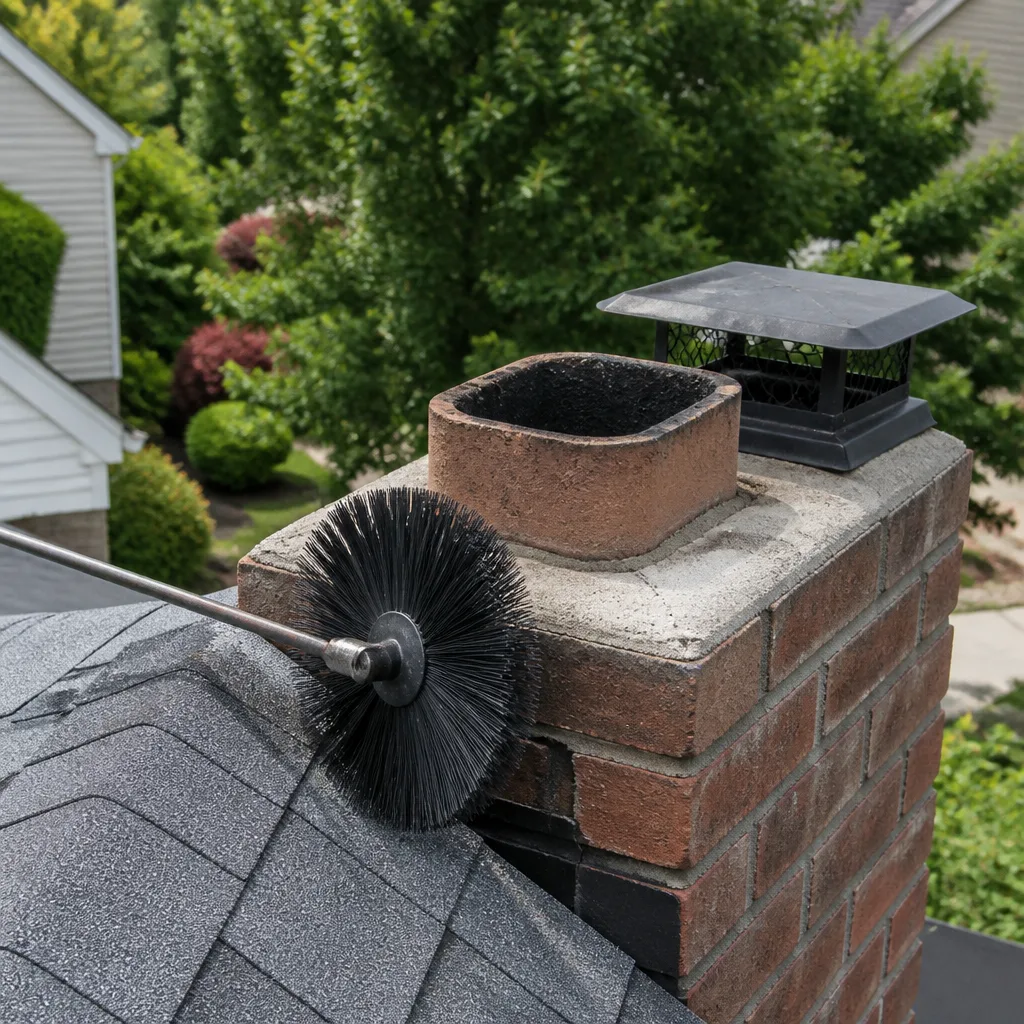
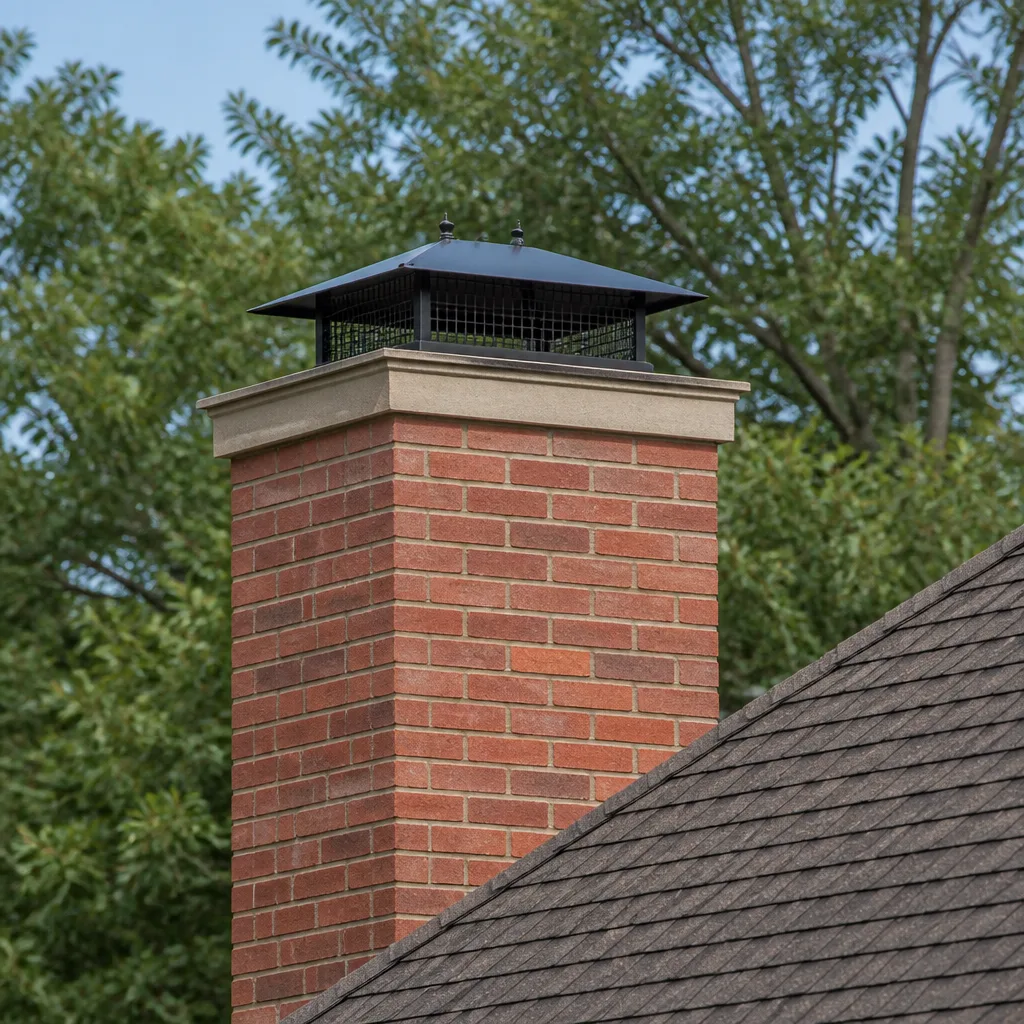
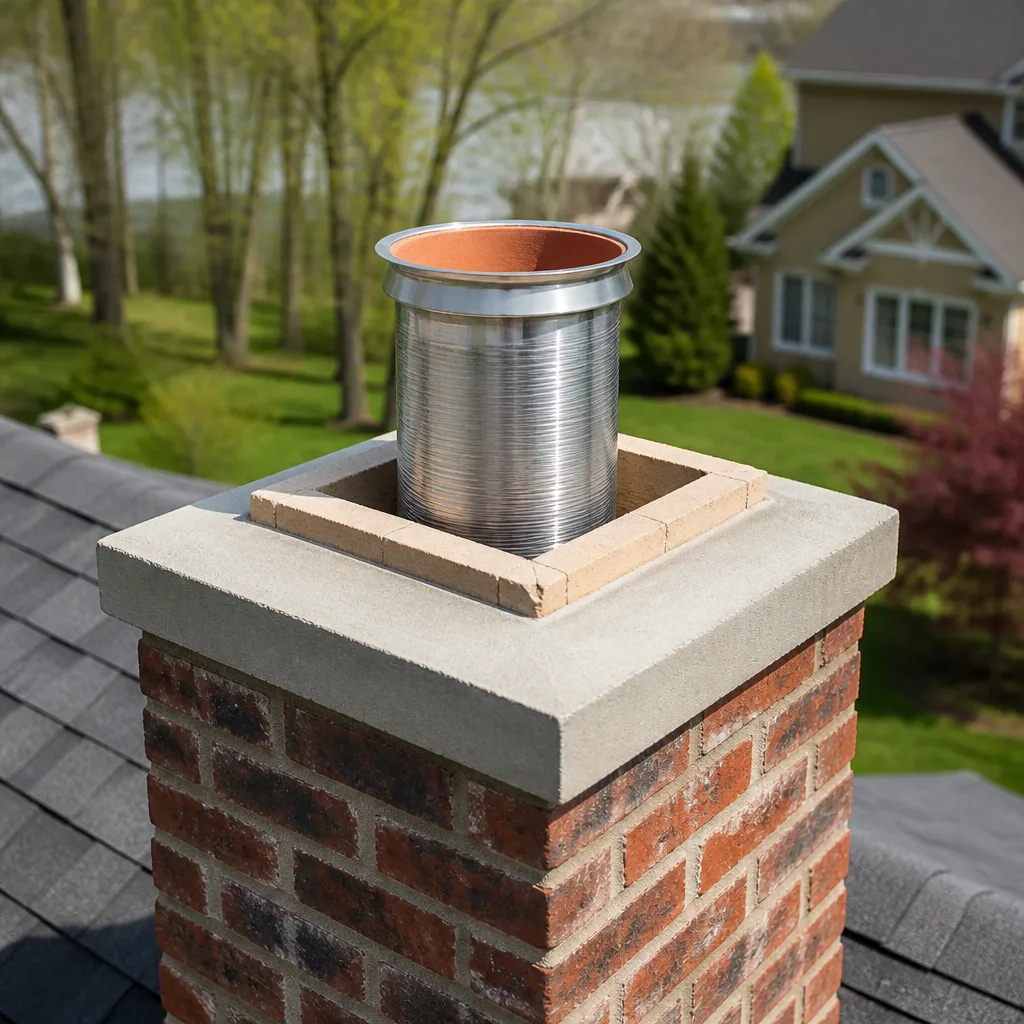
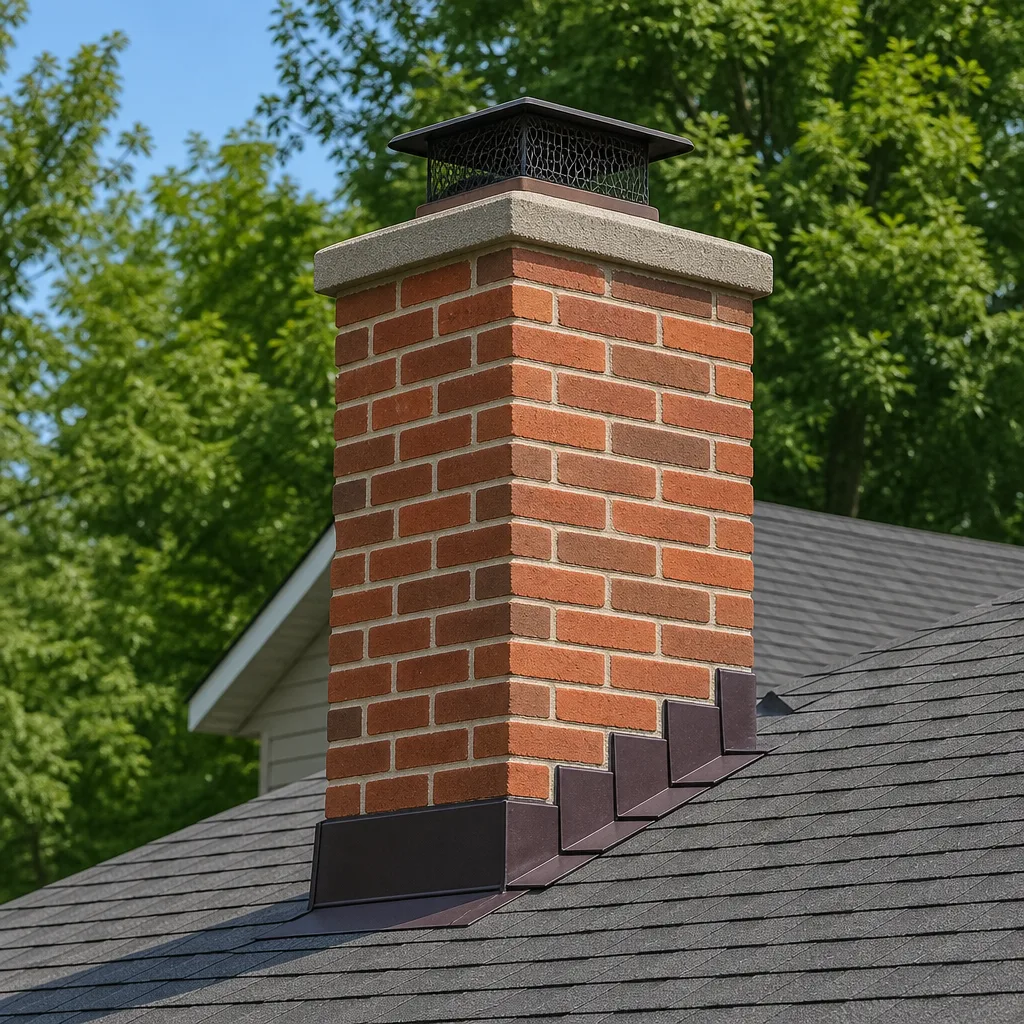
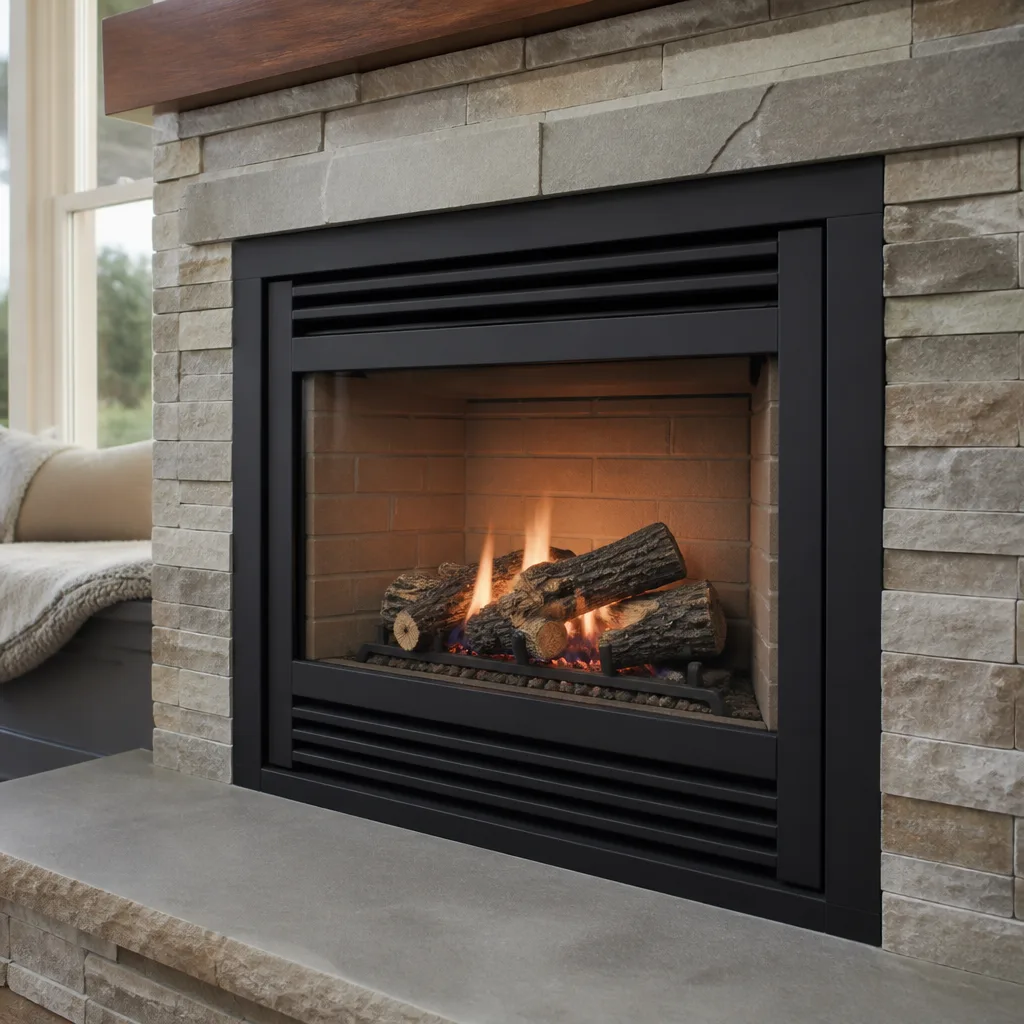
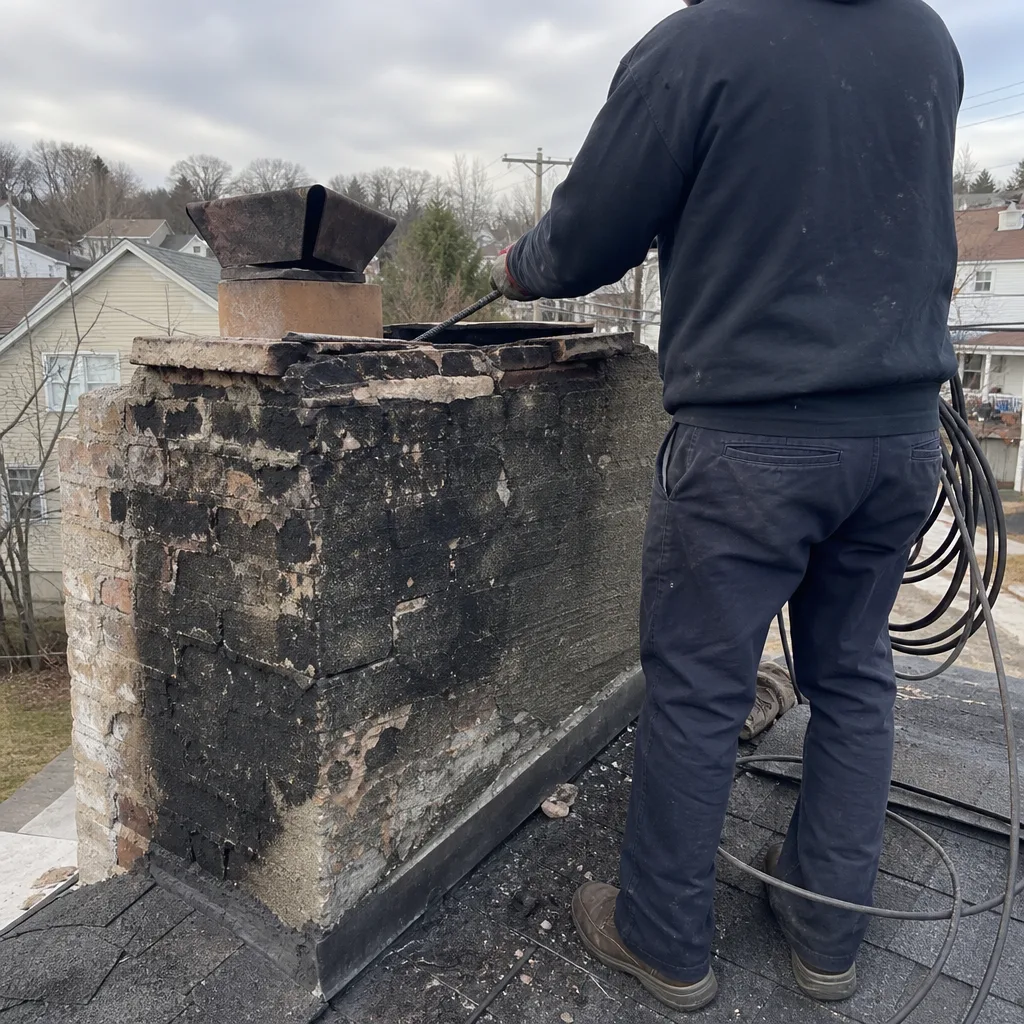 Before
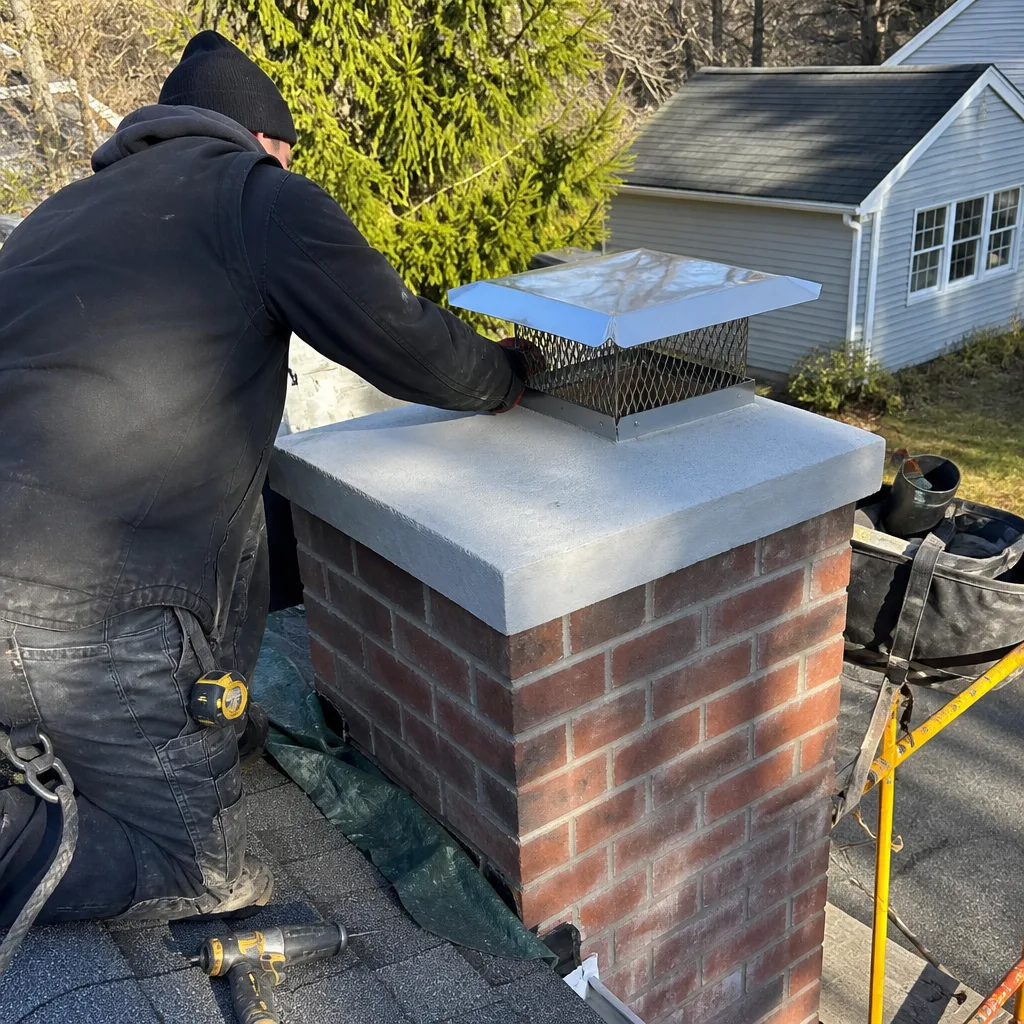 After
After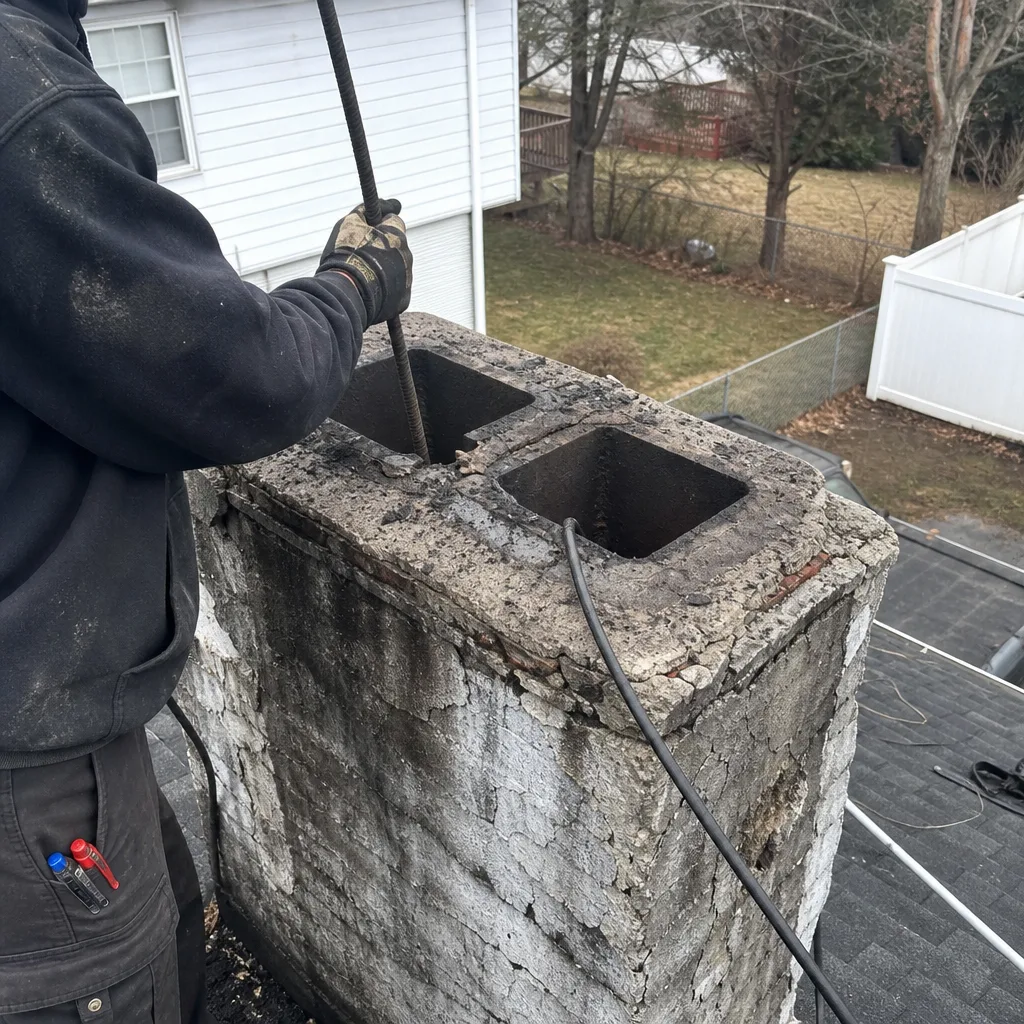 Before
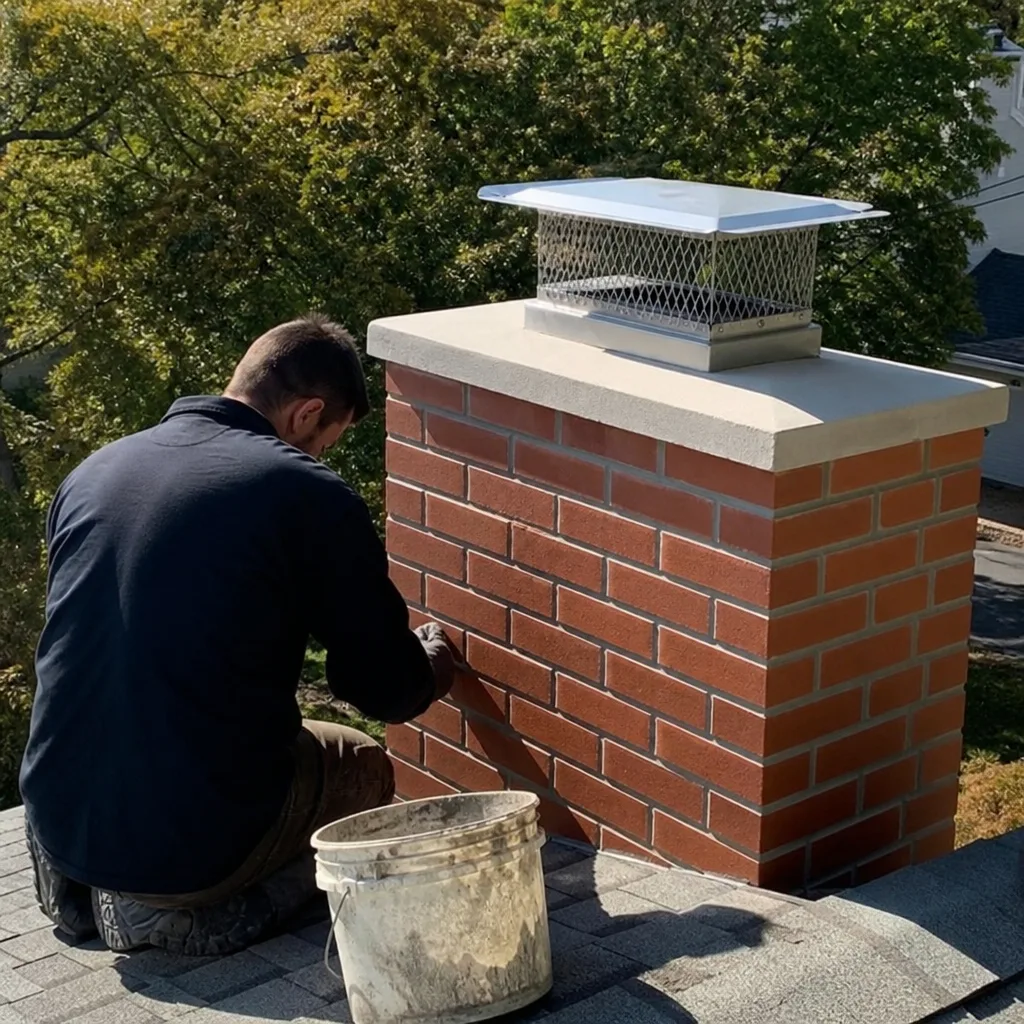 After
After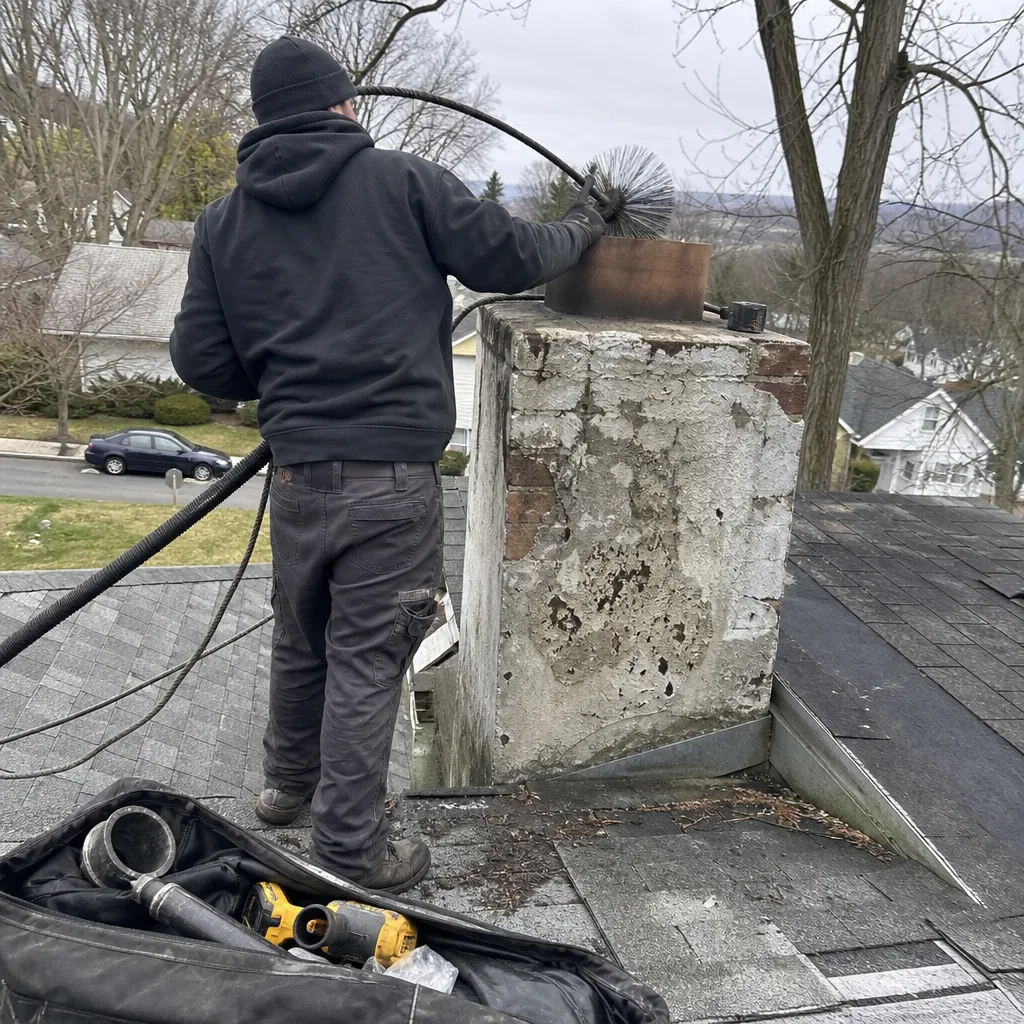 Before
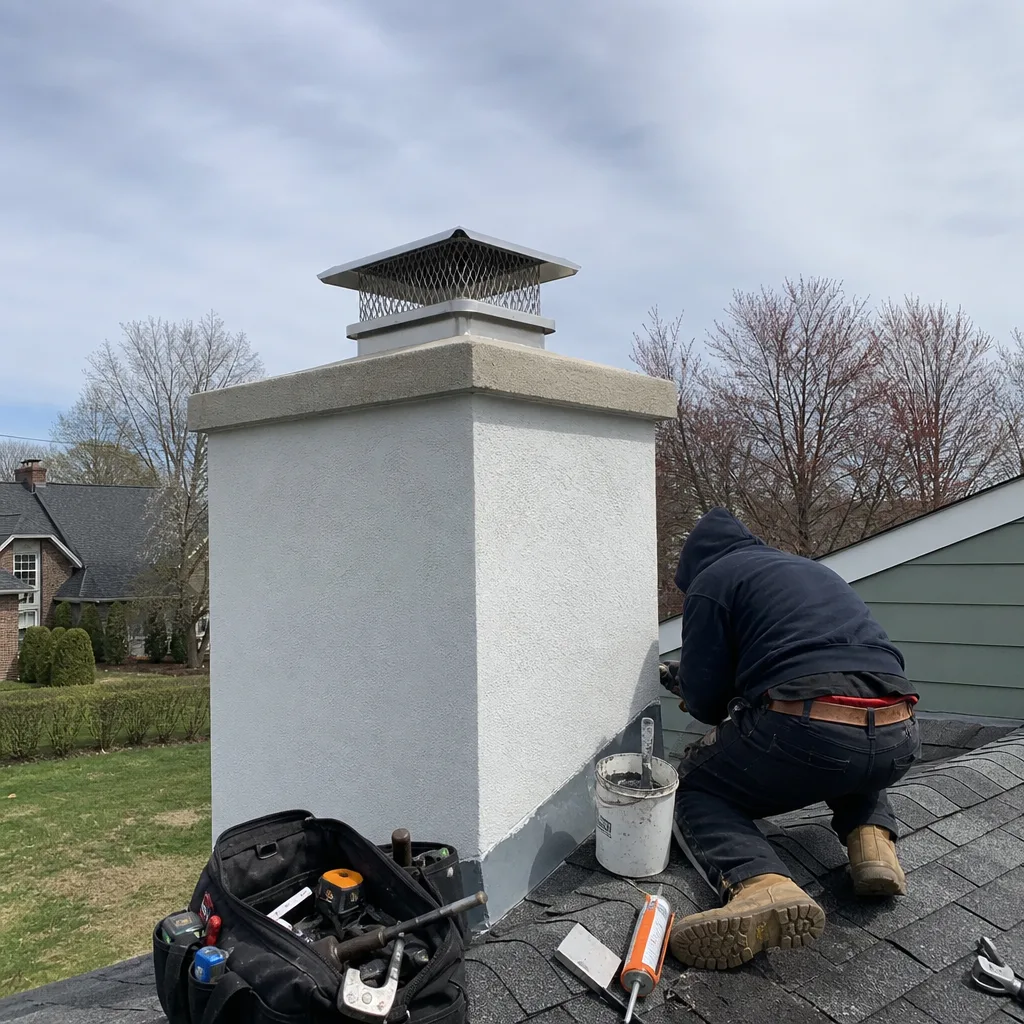 After
AfterDIY vs Professional Chimney Cleaning: The Yonkers Homeowner’s Decision Guide
The hardware store chimney brush kit you’re eyeing was engineered for one scenario: Stage 1 creosote dust on a straight, unlined flue. That describes almost none of the housing stock in Yonkers, where pre-1970 construction with terracotta liners, offset flues, and decades of mixed-fuel burning is the norm. This guide walks through when a brush kit is genuinely adequate, what it cannot detect, and how to decide without guessing.
Quick Answer
DIY chimney cleaning makes sense for a narrow set of Yonkers homes: a straight flue, a recent professional Level 2 inspection on file, seasoned hardwood only, and fewer than 15 fires per season. For everyone else, a professional cleaning with a camera scan costs $189 to $349 in Yonkers-see our Chimney Cleaning Cost Breakdown: The Yonkers Homeowner’s Reference for 2026 for full pricing details-and produces the documented record that insurers, home inspectors, and fire marshals actually ask for after an incident.
Table of Contents
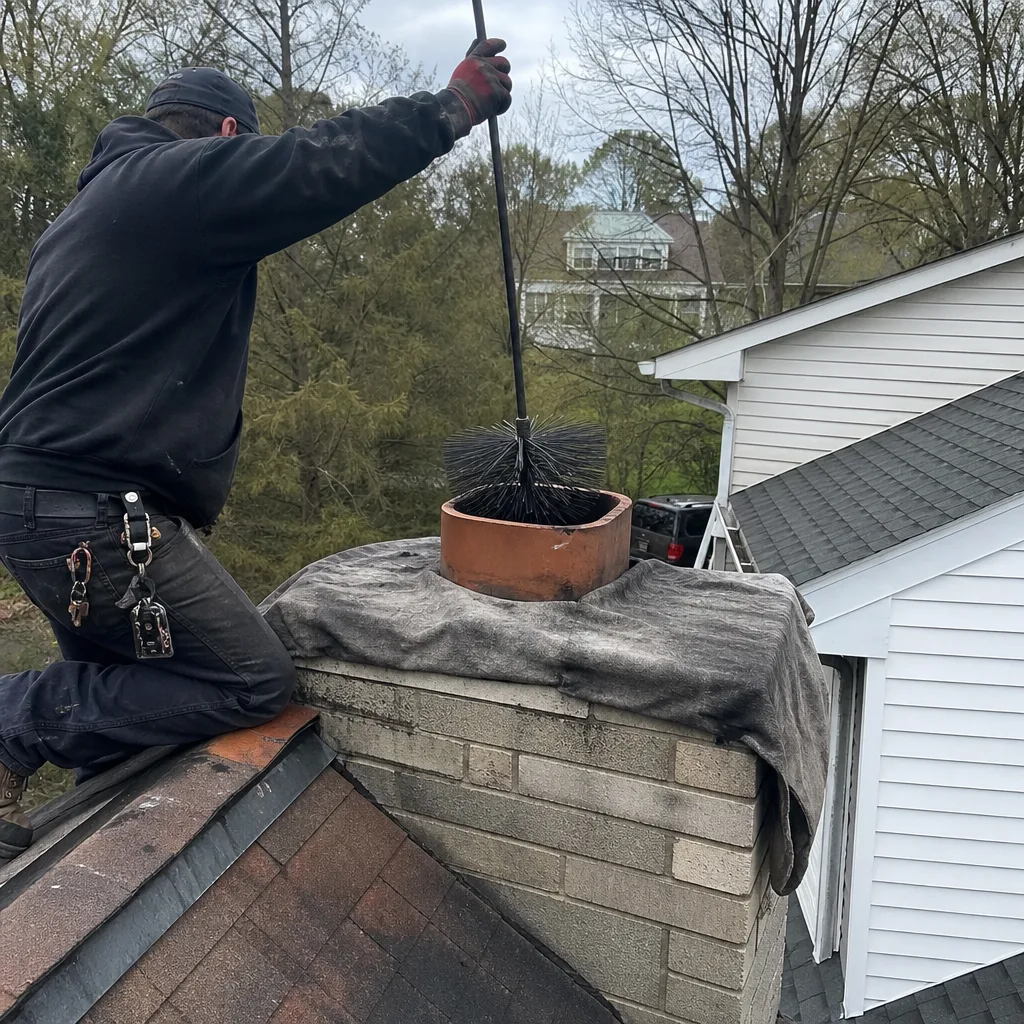
- What a DIY Chimney Cleaning Can Actually Accomplish
- What DIY Cannot Detect: The Inspection Gap
- The Documentation Gap: Why Insurers Care Who Cleaned Your Chimney
- The Four-Input Decision Tree for Yonkers Homes
- Real Cost Comparison: DIY vs Professional in Yonkers
- The One Scenario Where DIY Makes Sense
- Common Mistakes to Avoid
- When to Call a Professional
BeforeAfterWhat a DIY Chimney Cleaning Can Actually Accomplish
A homeowner with a properly sized wire brush, fiberglass rods, a drop cloth, and a shop vac can remove loose soot and light Stage 1 creosote from the first 10 to 15 feet of a straight flue. If you have a ranch or a center-hall colonial in Northeast Yonkers with a vertical chimney stack, single-story roofline, and a fireplace you can reach from a standard extension ladder, the physical work is achievable in an afternoon. We say this plainly because it’s true.
Stage 1 creosote is a fine, grayish-brown dust that brushes off with moderate effort. It forms in chimneys burning dry hardwood at proper temperatures. A brush pass knocks it loose, it falls into the firebox, and you vacuum it out. Done correctly, that is a legitimate maintenance task.
What DIY cannot do starts at Stage 2. Stage 2 creosote is a black, flaky, tar-like deposit that hardens into a glaze. It forms when flue temperatures run low, when unseasoned wood smolders, or when a chimney has airflow restrictions. A wire brush glides over Stage 2 without removing it. Removing Stage 2 requires rotary loop tools, chemical treatments, or both. And Stage 3 creosote, the hardened, shiny, baked-on coating that forms after a live chimney fire or years of neglect, is effectively a petrochemical layer that no homeowner tool touches.
Here is the honest breakdown of what a homeowner brush kit accomplishes on a flue with no pre-existing issues:
- Achievable: Removing loose soot and light Stage 1 dust from a straight, accessible flue.
- Achievable: Clearing light debris like a bird’s nest within reach of the chimney top.
- Achievable: A visual glance down the first few feet of flue with a flashlight.
- Not achievable: Removing Stage 2 flaky creosote or Stage 3 glazed creosote.
- Not achievable: Assessing creosote stage accurately. Most homeowners under-classify what they see.
- Not achievable: Detecting hairline cracks in terracotta flue liners, which are invisible from the top down.
- Not achievable: Evaluating the smoke chamber, the transition zone above the damper where turbulence deposits creosote heavily.
If you want to start this conversation with your own two eyes, the Level Two Chimney Yonkers home site includes photo records of what each creosote stage actually looks like from our camera scans.
What DIY Cannot Detect: The Inspection Gap
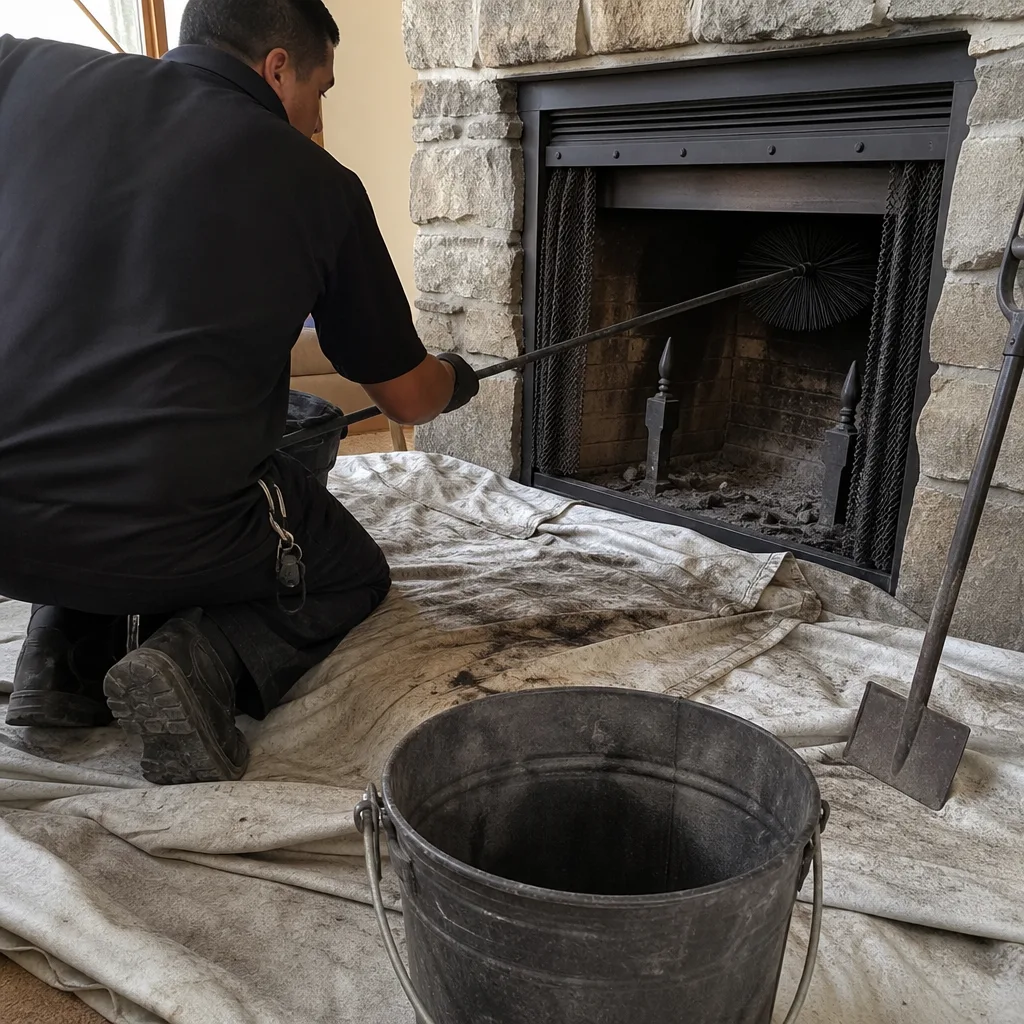
Cleaning is removal. Inspection is diagnosis. Homeowners conflate the two because a professional sweep does both in one visit. But they require entirely different equipment and training.
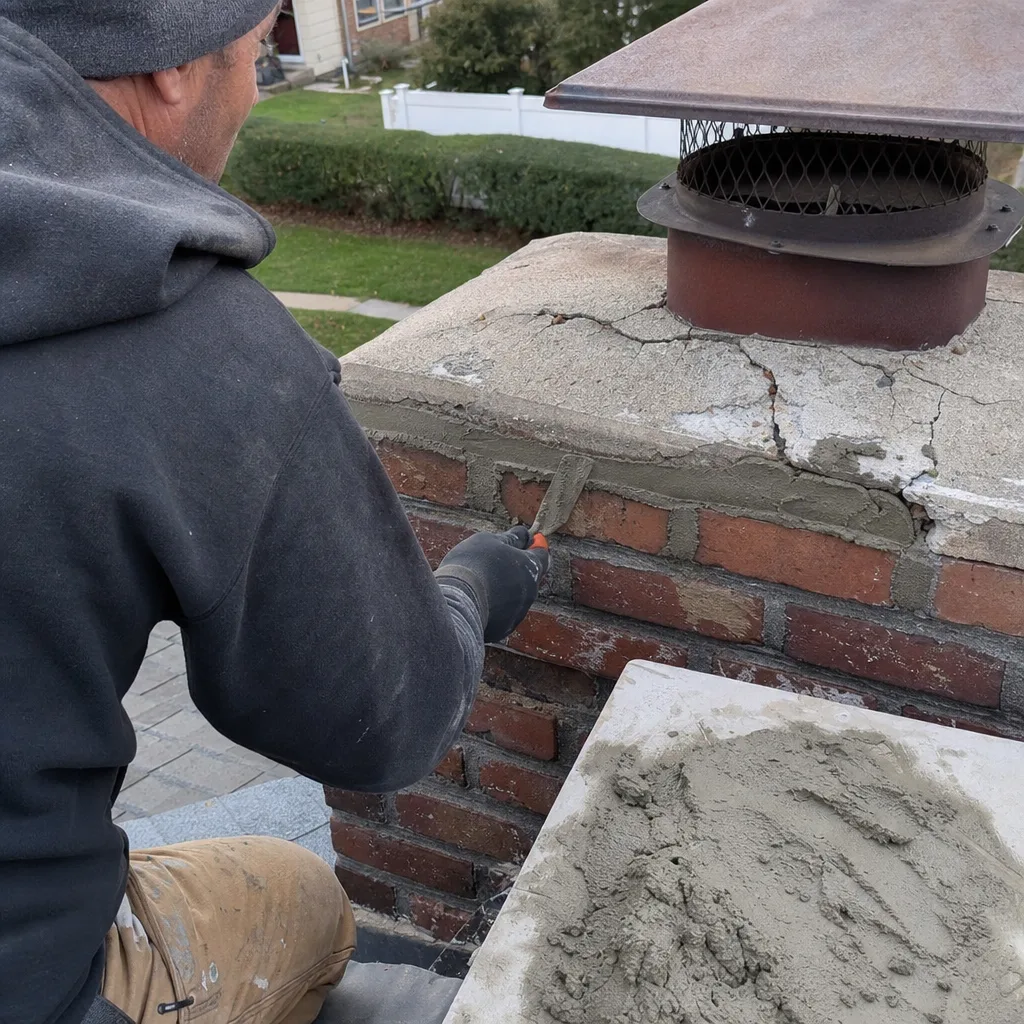
A DIY cleaning gives you zero information about the structural condition of your chimney. In Yonkers, where freeze-thaw cycles run from November through March, spalling brick and deteriorating mortar crowns are common. Spalling is the term for brick faces flaking off due to water absorption and freezing. A crown is the concrete cap at the top of the chimney. When either fails, water enters the flue, accelerates creosote corrosion, and eventually requires Chimney Repair in Yonkers level work.
Here is what a professional camera scan detects that a brush and flashlight cannot:
- Flue liner cracks and separations. Terracotta liners develop hairline fractures from thermal stress and water damage. These cracks are often under an inch wide and invisible from either end of the chimney without a camera. A cracked liner allows heat and gases to reach combustible materials inside the chimney chase, which is how house fires start in walls rather than fireboxes.
- Smoke chamber deterioration. The corbeled transition above the damper collects creosote faster than any other part of the system because of turbulent airflow. Parging here breaks down, exposing gaps where embers can lodge.
- Hidden blockages. A dead raccoon, a collapsed squirrel nest, or a dislodged flue tile section can partially obstruct airflow while appearing normal from the top.
- Improper prior repairs. We regularly find chimneys in Yonkers where a previous owner or handyman patched a liner with high-temp caulk or mortared over a cracked flue tile without addressing the underlying structural issue. A camera catches this; a brush never does.
This is where the DIY debate gets real. You can clean a flue perfectly and still have a chimney that is dangerous to use, because the danger is not always in the creosote. It is in the liner, the crown, the smoke chamber, and the clearances. Those require inspection equipment, and in Yonkers, those defects are disproportionately common in the pre-1970 stock where terracotta liners are original.
The Documentation Gap: Why Insurers Care Who Cleaned Your Chimney
Here is the point most DIY chimney cleaning articles miss entirely: documentation. A homeowner brush pass produces no record. If a chimney fire occurs in the same season as your DIY cleaning, you have no evidence that the appliance was maintained to any recognized standard. Your insurance company will ask one question: “When was your last professional chimney cleaning?” And “I did it myself” is not an answer their adjuster accepts.
This is not hypothetical. Insurance claims for chimney fires are routinely denied or reduced when the homeowner cannot produce a professional service record. The National Fire Protection Association standard for chimney maintenance is NFPA 211, and it specifies inspection and cleaning by qualified personnel. An insurer interprets “qualified” conservatively: licensed, insured, documented.
A professional Chimney Cleaning & Sweep in Yonkers produces a written service record that includes:
- Date of service
- Scope of work performed
- Creosote stage classification
- Condition of the flue liner, crown, and smoke chamber
- Photo documentation from the camera scan
- Written price and written warranty on any work performed
Clause 4 of the Haven Standard requires a documented photo record on every job. We made that the default in 2009, years before insurers started demanding it. The reason is simple: a homeowner should never have to take a sweep’s word for work that happened behind brick. You should be able to see it.
Think of the documentation gap in reverse. A professional cleaning does not just remove creosote. It creates a timestamped, evidence-backed maintenance record that shifts liability away from you and onto the service provider. If something goes wrong after a professional cleaning and the photos show a good flue, the sweep’s work product is part of your defense. If something goes wrong after a DIY cleaning, you are alone in front of the adjuster.
This matters in Yonkers specifically because the housing stock is dense and the fire department responds fast. A chimney fire in a row of attached homes in the Bryn Mawr or Ludlow sections has consequences beyond your own property. The documentation you produce after the fact may matter to neighbors’ insurers too.
The Four-Input Decision Tree for Yonkers Homes
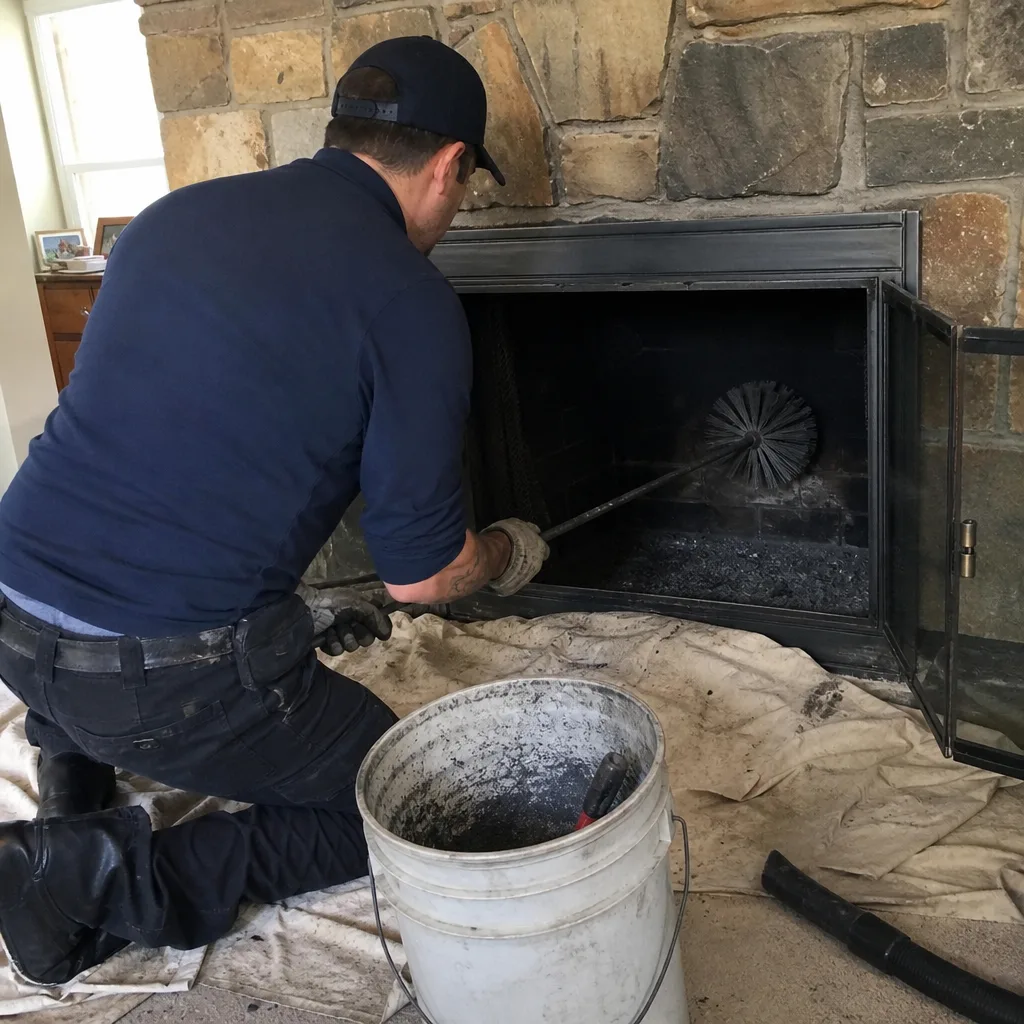
Rather than a blanket “DIY is dangerous” or “DIY is fine” answer, here is a decision tree built on four inputs. Answer them honestly and you will know where you stand.
- How old is your flue liner? If it is original terracotta on a home built before 1970, DIY is not appropriate until a professional camera scan confirms the liner is intact. Terracotta liners in Yonkers homes of this age have been through 50+ years of freeze-thaw and thermal cycling. The crack rate is high.
- What fuel do you burn? Seasoned hardwood only? Good. Any softwood like pine or spruce, any unseasoned wood, any artificial logs? DIY is not appropriate. Softwood and moisture create Stage 2 creosote rapidly, and a brush does not remove it.
- How often do you use the fireplace? Under 15 fires per season makes you a lighter user. Over 40 fires per season, or use during the shoulder months when fires smolder at low temperatures, means creosote accumulation is faster and heavier. DIY does not keep up in those conditions.
- When was the last professional Level 2 inspection? If within 12 months and it produced a written report showing a good liner and low creosote accumulation, a mid-season brush pass is defensible. If never, or more than two years ago, the first professional visit is overdue and DIY would be working blind.
All four inputs matter because they interact. A pre-1970 terracotta liner with seasonal softwood burning and no inspection history is not a DIY candidate, no matter how straightforward the flue looks. A 2010-built home with a stainless liner, seasoned hardwood only, and a clean Level 2 report from eight months ago is a different picture entirely.
Real Cost Comparison: DIY vs Professional in Yonkers
The number most articles cite is misleading. “A chimney sweep costs $200, DIY costs $50” ignores equipment amortization, time, disposal, and the re-clean cost when you miss something. Here is a realistic annual comparison for a Yonkers homeowner cleaning once per season.
| Cost Item | DIY First Year | DIY Subsequent Years | Professional Sweep |
|---|---|---|---|
| Brush kit (rods, brush, drop cloth) | $75 – $140 | $0 | $0 |
| Shop vac with HEPA filter | $90 – $180 (if not owned) | $0 | $0 |
| Ladder (if not owned) | $120 – $250 for safe roof access | $0 | $0 |
| Time (4-6 hours including setup and cleanup) | 4-6 hrs of your time | 4-6 hrs of your time | 0 hrs |
| Disposal | Creosote in household trash (a disposal question in itself) | Same | Included |
| Service fee | $0 | $0 | $189 – $349 in Yonkers |
| Documentation | None | None | Written record, photos, report |
First-year DIY costs $285 to $570 if you own nothing, plus four to six hours of labor and roof work. Professional cleaning costs $189 to $349 and takes 60 to 90 minutes with zero roof time for you. In subsequent years the DIY cost drops to near zero for equipment, but the time and documentation gaps remain.
The honest economic argument for DIY is only valid if you already own the equipment, have a single-story roof you can safely access, and value your Saturday time at zero. That is a real calculation for some homeowners. But add in one missed Stage 2 creosote removal or an undetected liner crack that requires a $2,000 to $5,000 repair later, and the economics reverse decisively.
The One Scenario Where DIY Makes Sense
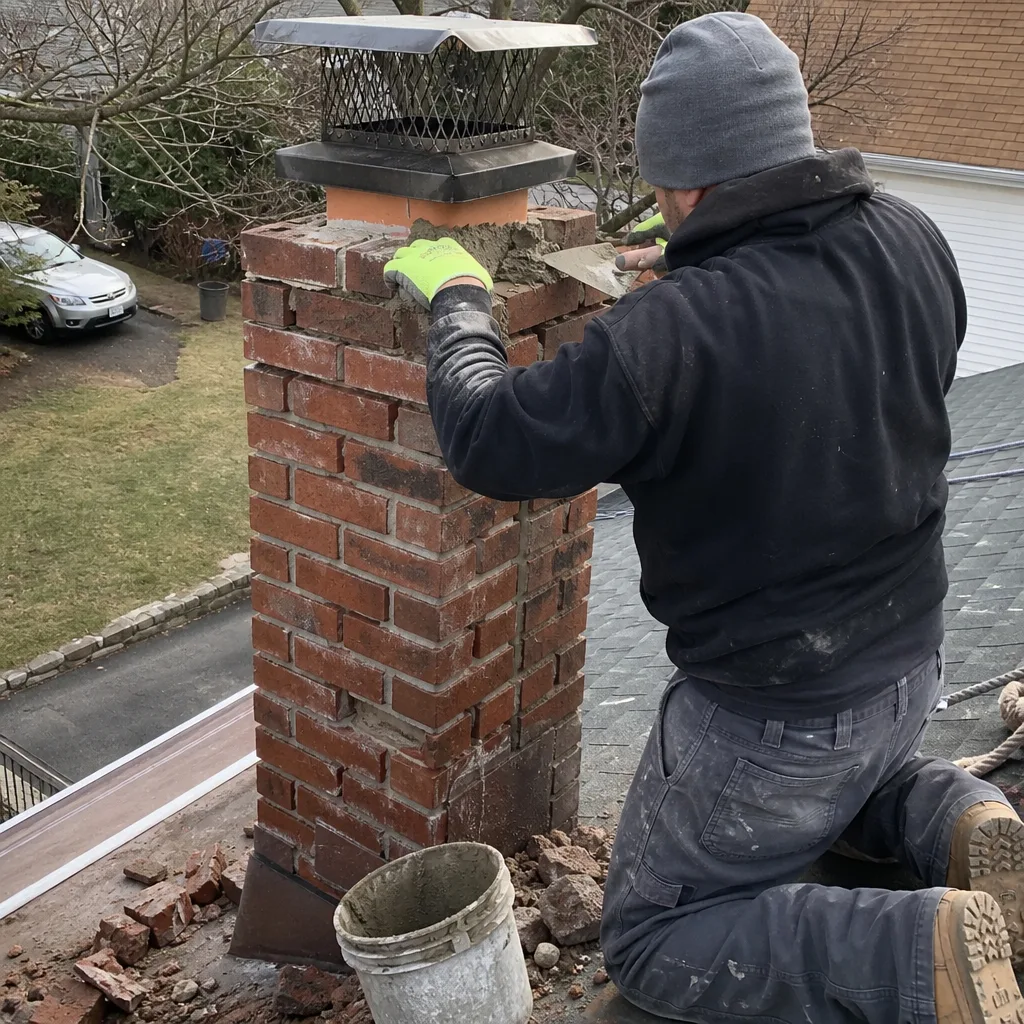
We will say it clearly because no sweep company does: there is a legitimate DIY use case. It looks like this.
- You have a professional Level 2 inspection and cleaning on file from the last 12 months, with a written report showing a sound liner, a clean smoke chamber, and Stage 1 creosote only.
- You burn seasoned hardwood exclusively, and you know what “seasoned” means: split, stacked, and dried for at least 12 months, with moisture content under 20 percent.
- You use the fireplace fewer than 15 times per season, mostly in the coldest eight weeks of winter.
- Your flue is straight and your roof access is safe from a ladder you already own.
If all four are true, a mid-season brush pass between professional cleanings is a reasonable maintenance task. It keeps light soot from building up between October and March when Yonkers fireplaces see their heaviest use, as covered in our Seasonal Chimney Cleaning Care for Yonkers: Year-Round Homeowner’s Guide. It does not replace the annual professional visit. It pushes the professional visit to once every 12 to 18 months instead of more frequently.
What it does not do is buy you out of inspection. The camera scan is the non-negotiable piece. Even in this best-case scenario, you are cleaning between documented inspections, not instead of them.
Common Mistakes to Avoid
- Under-classifying creosote stage. Homeowners consistently call Stage 2 creosote “just a little black stuff.” Shiny, flaky, or hard deposits are not removable with a brush. Guessing wrong means you light a fire in a flue that is still fuel-loaded.
- DIY on a pre-1970 terracotta liner with no inspection history. This describes a large share of homes in Ludlow, Bryn Mawr, and Northeast Yonkers. A brush pass on a cracked liner is not maintenance. It is cosmetic work on a structural problem.
- Assuming a wood stove is the same as a fireplace. Wood stove flue temperatures, clearances, and creosote accumulation patterns differ from open fireplaces. Stove pipe cleaning is a different task with different tools and higher stakes for a missed gap.
- Disposing of creosote improperly. Creosote is not regular household trash. Many Yonkers homeowners toss Stage 1 sweepings in a kitchen bag, which is an environmental and safety question. Professional sweeps handle disposal as part of the service.
- Putting off the professional visit after a DIY pass. The DIY pass only works because a professional inspected recently. If you skip the next professional visit and DIY becomes your entire maintenance plan, the documentation gap grows and the inspection gap widens.
- Treating artificial logs as regular firewood. Many artificial log brands claim chimney-safe. Some are, some produce creosote profiles that differ from wood and require specific inspection timing. If you burn them regularly in Yonkers, the default should be professional cleaning.
When to Call a Professional
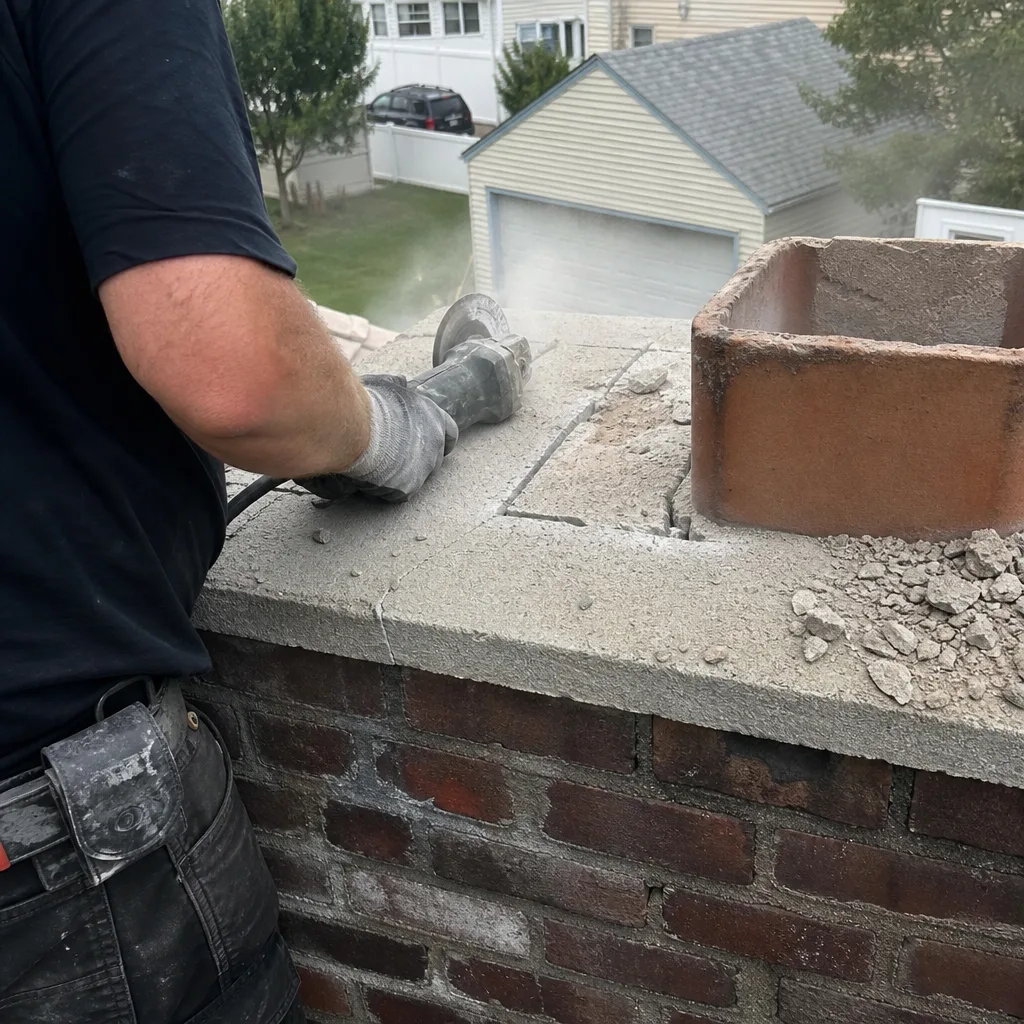
Call a professional if you haven’t had a Level 2 camera inspection within two years, if you see black flaky or glazed deposits in your flue, if you smell chimney odors in summer humidity, if you’ve had a previous chimney fire, or if your home has a pre-1970 terracotta liner you’ve never seen documented as sound. Also call if you simply don’t want to spend a Saturday on your roof. That’s a fair reason too. Fireplace Services in Yonkers covers the full scope from cleaning to liner replacement. Level Two Chimney Yonkers offers free estimates in Yonkers, call (551) 212-3526.
Frequently Asked Questions
A standard chimney cleaning and Level 2 camera inspection in Yonkers runs $189 to $349 depending on flue height, creosote stage, and accessibility. Every Chimney Cleaning & Sweep in Yonkers job includes a written price before work starts and a documented photo record when it’s done. Call (551) 212-3526 for an exact quote, estimates are free.
You can remove loose soot and light Stage 1 creosote from a straight, accessible flue, provided your last professional Level 2 inspection is within 12 months and showed a sound liner. You cannot remove Stage 2 or Stage 3 creosote, detect liner cracks, or evaluate the smoke chamber with homeowner equipment. If any of those conditions are unresolved, DIY is working blind.
A cleaning without a camera inspection is a maintenance task done blind. The camera is what detects liner cracks, smoke chamber deterioration, and hidden blockages that a visual check from the top or bottom cannot see. Insurers increasingly ask for camera-documented service records after an incident. Clause 4 of the Haven Standard makes the photo record mandatory on every job, not optional.
For a wood-burning fireplace used regularly through the winter, annual cleaning is the NFPA 211 standard and the right rhythm for Yonkers. If you burn more than 40 fires per season, use softwood or unseasoned wood, or your fireplace is pre-1970 without a stainless liner, twice-seasonal cleaning may be warranted. The creosote stage classification on your last report tells you which applies.
Skipping a year allows creosote to accumulate through Stages 1 into 2, especially with low-temperature shoulder-season fires. Stage 2 is not brush-removable and requires rotary tools. More critically, skipping inspection means any liner cracking, crown deterioration, or smoke chamber damage goes undetected for another year. The repair cost on a failed liner far exceeds the cost of the cleaning you skipped. Call (551) 212-3526 to schedule before burning season starts.
Coverage depends on your policy and the adjuster’s determination, but a DIY cleaning produces no service record, which makes it difficult to demonstrate the chimney was maintained to a recognized standard like NFPA 211. A professional cleaning creates a dated, documented maintenance record with photos, which is exactly what an insurance claim requires. That record is the difference between a supported claim and a contested one.
The Bottom Line
DIY chimney cleaning is not a safety debate. It’s a documentation and detection debate. A brush kit can remove surface creosote from a straight flue with a recent clean inspection behind it. It cannot assess creosote stage accurately, cannot see liner cracks or smoke chamber damage, and cannot produce the written record an insurer will ask for after an incident. For most Yonkers homes, especially the pre-1970 stock with original terracotta liners, the professional visit is not the expensive option. It’s the evidence-backed one. Read How to Hire a Chimney Cleaning Contractor in Yonkers: A Step-by-Step Guide to find the right sweep.
Contact Level Two Chimney Yonkers
We serve all of Yonkers including Ludlow, Bryn Mawr, Northeast Yonkers, and the downtown corridor. Every job starts with a written price before work begins and ends with a documented photo record. Explore more guides & resources on chimney safety and maintenance. Call (551) 212-3526 for a free estimate.
Written by Corrine Halstead, Owner at Level Two Chimney Yonkers, serving Yonkers since 2009.