
Last updated September 20, 2026
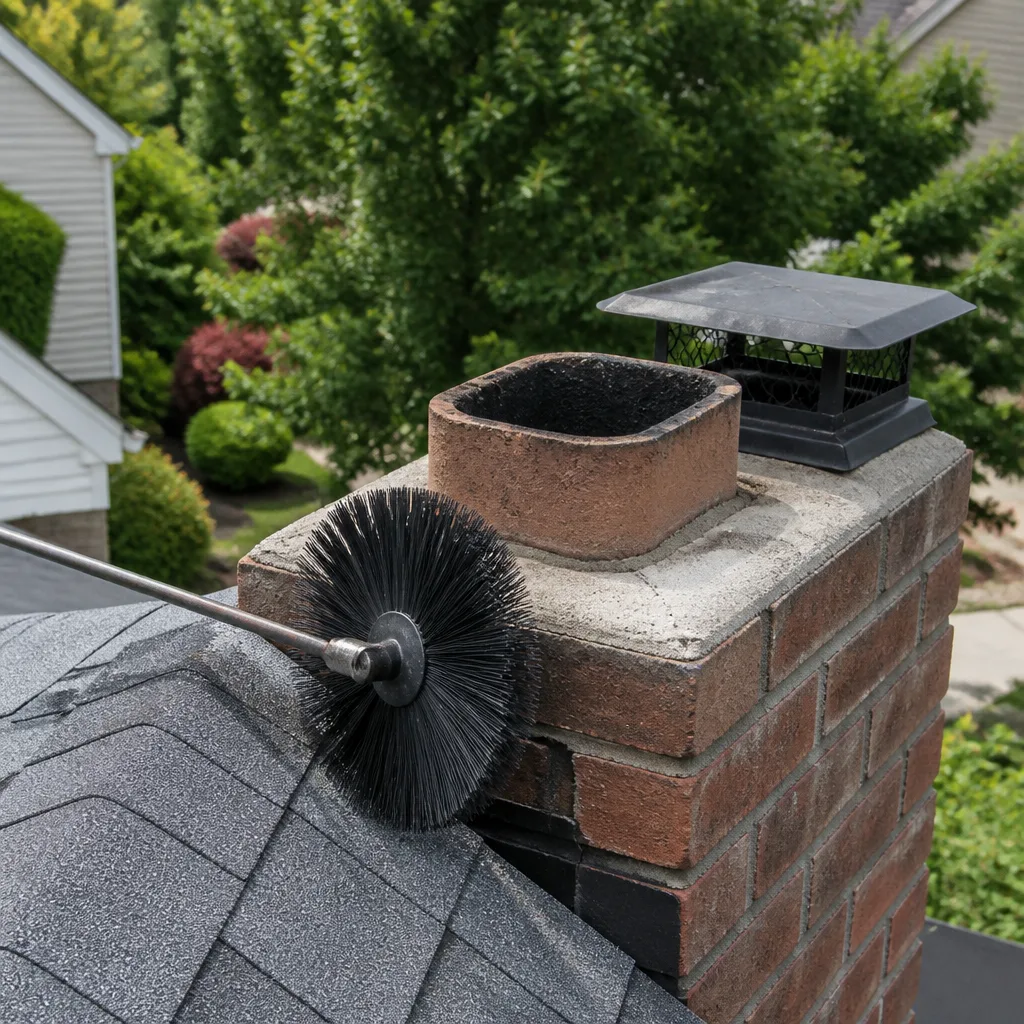
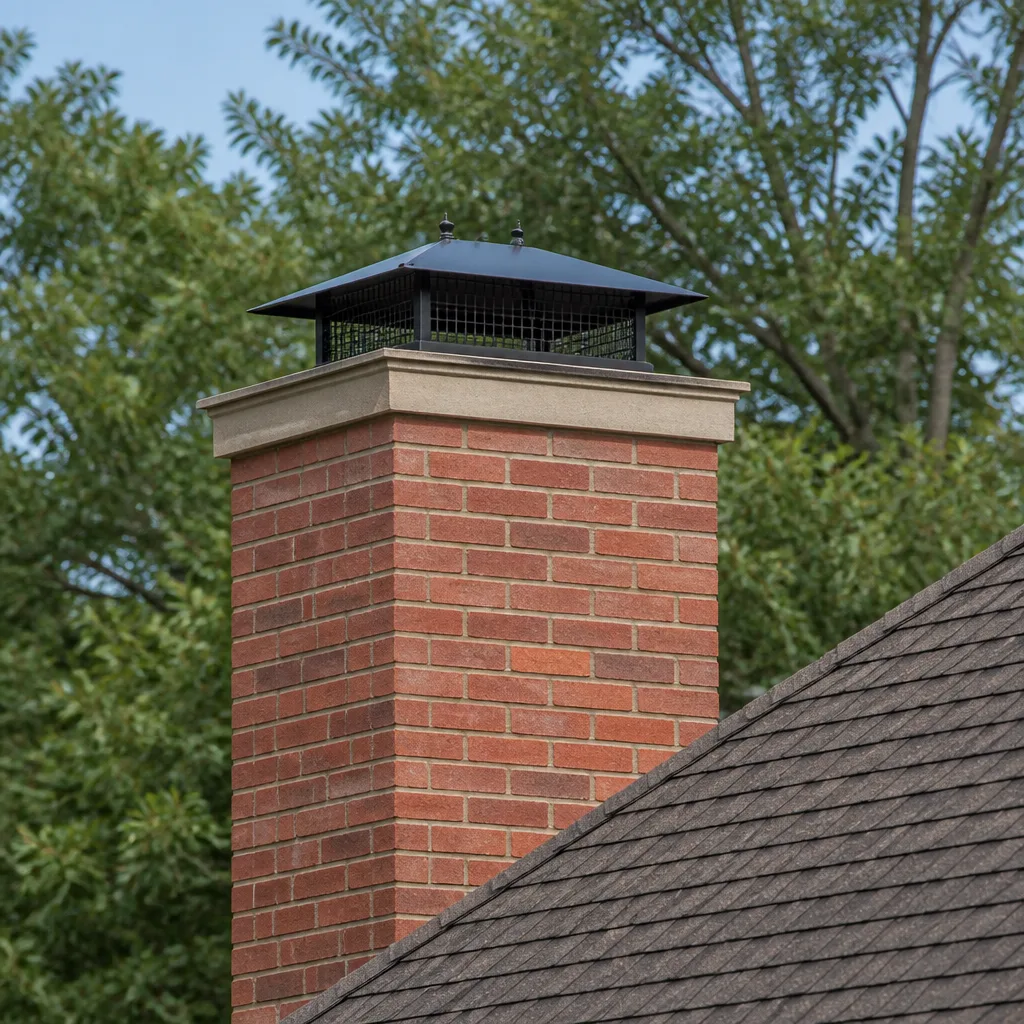
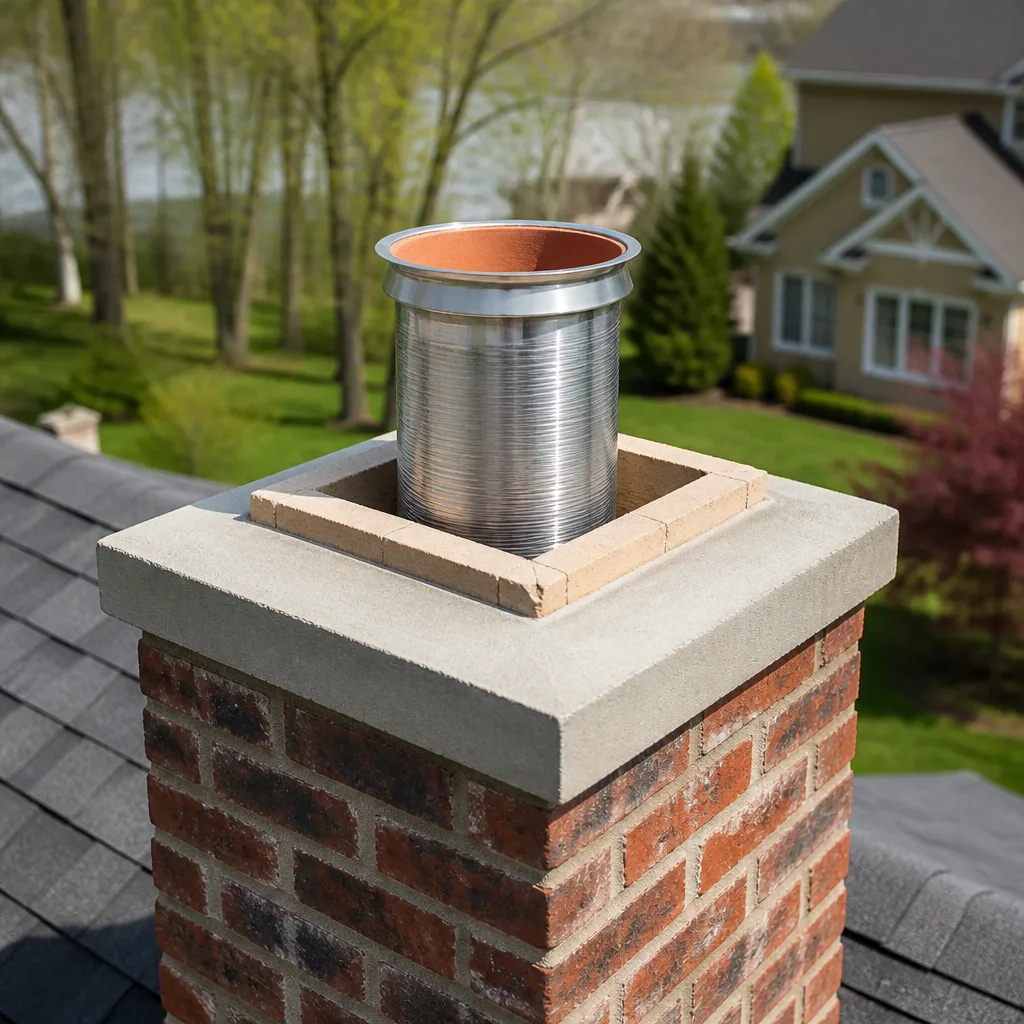
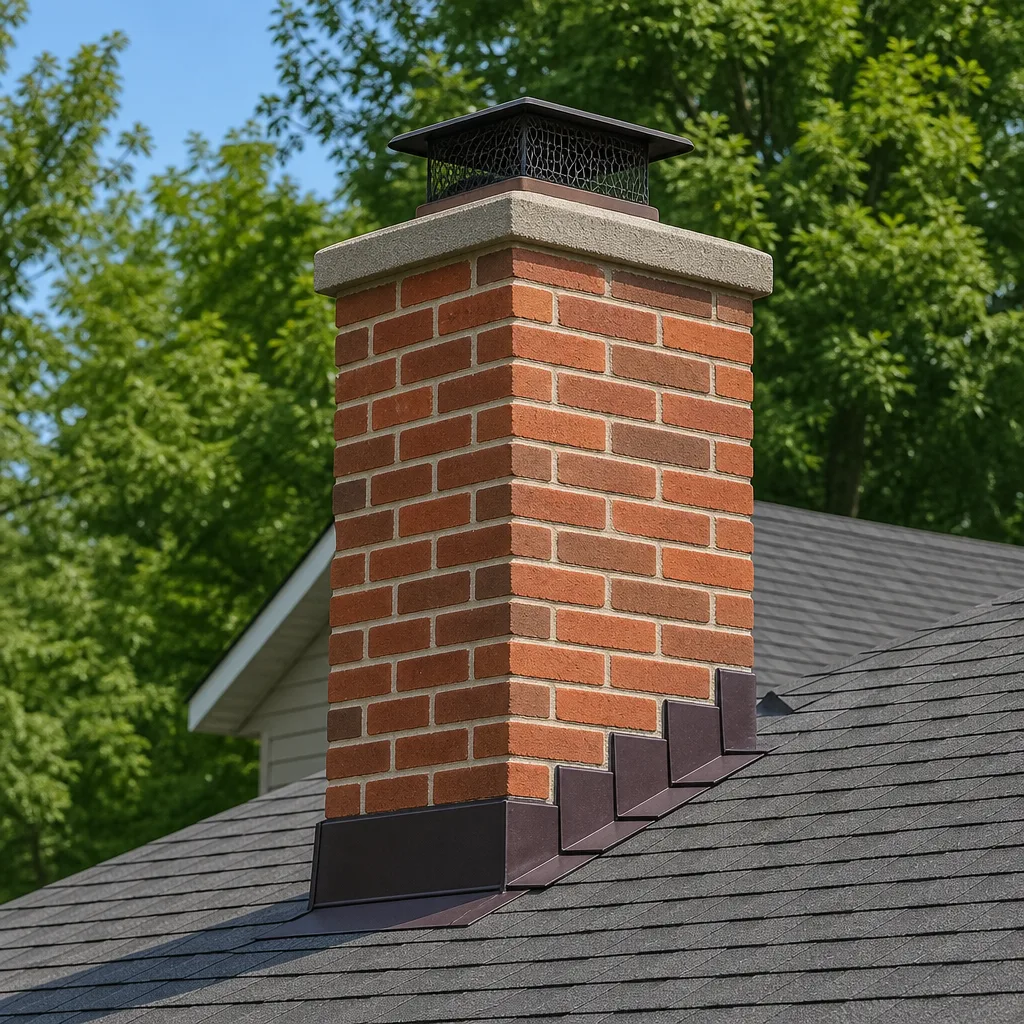
Level 1 sweep and inspection to the NFPA 211 annual standard - flue, crown, cap, and flashing checked and photographed
Chimney sweep logs do not sweep chimneys. They loosen some creosote - which then falls where a brush and vacuum still have to collect it.
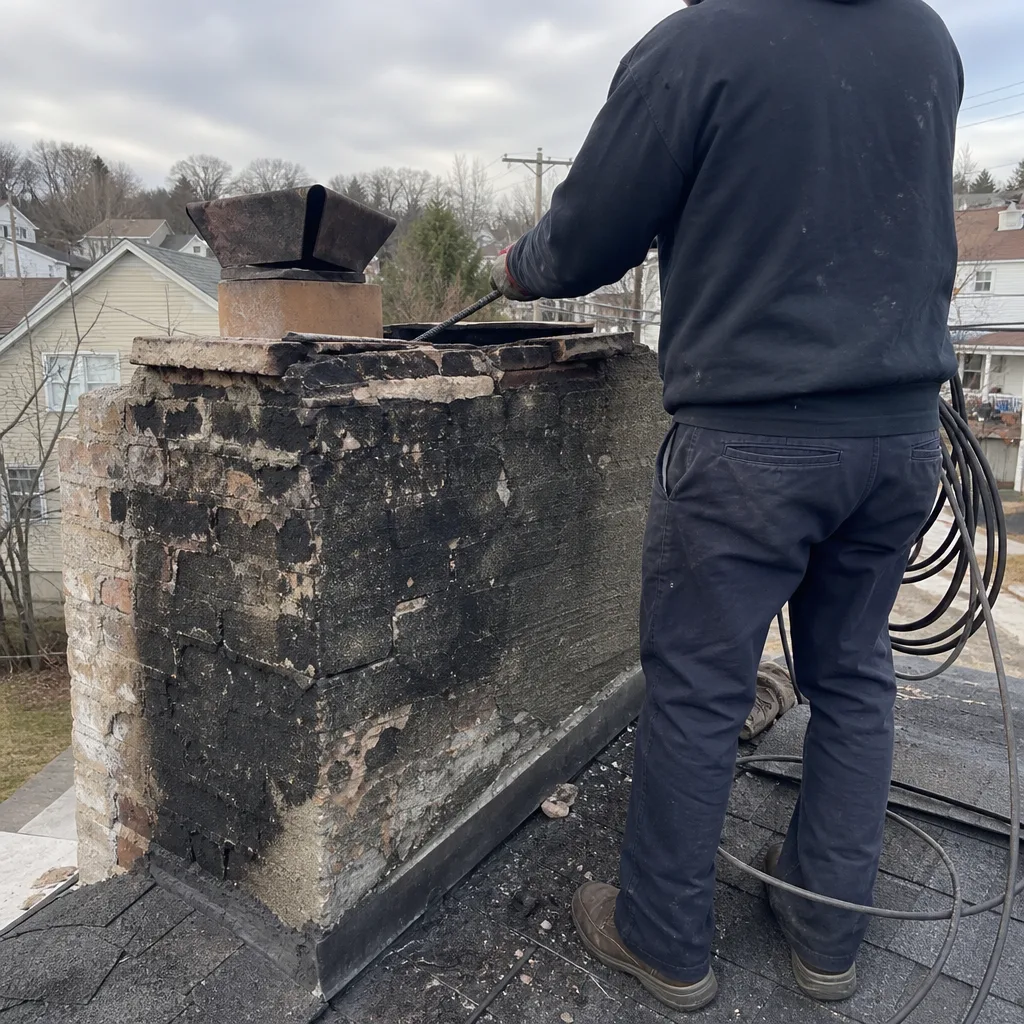 Before
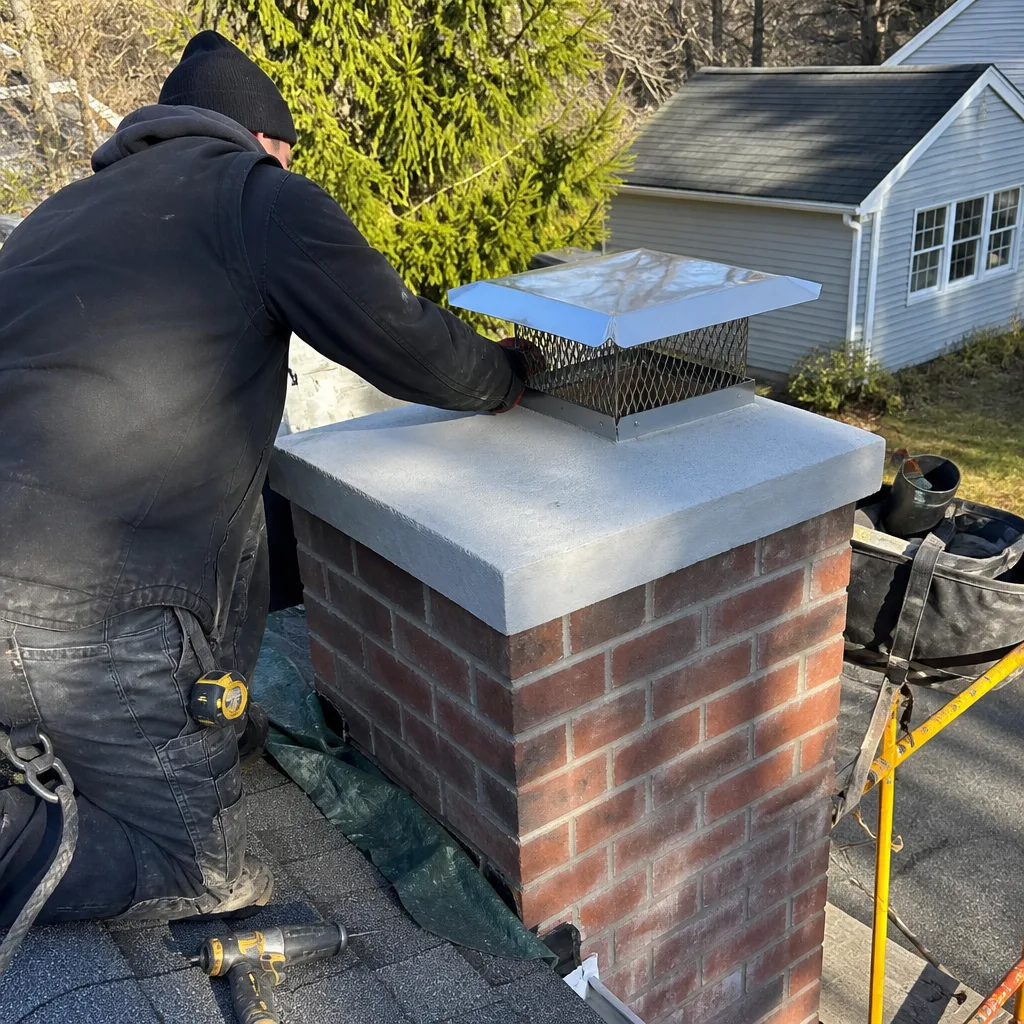 After
After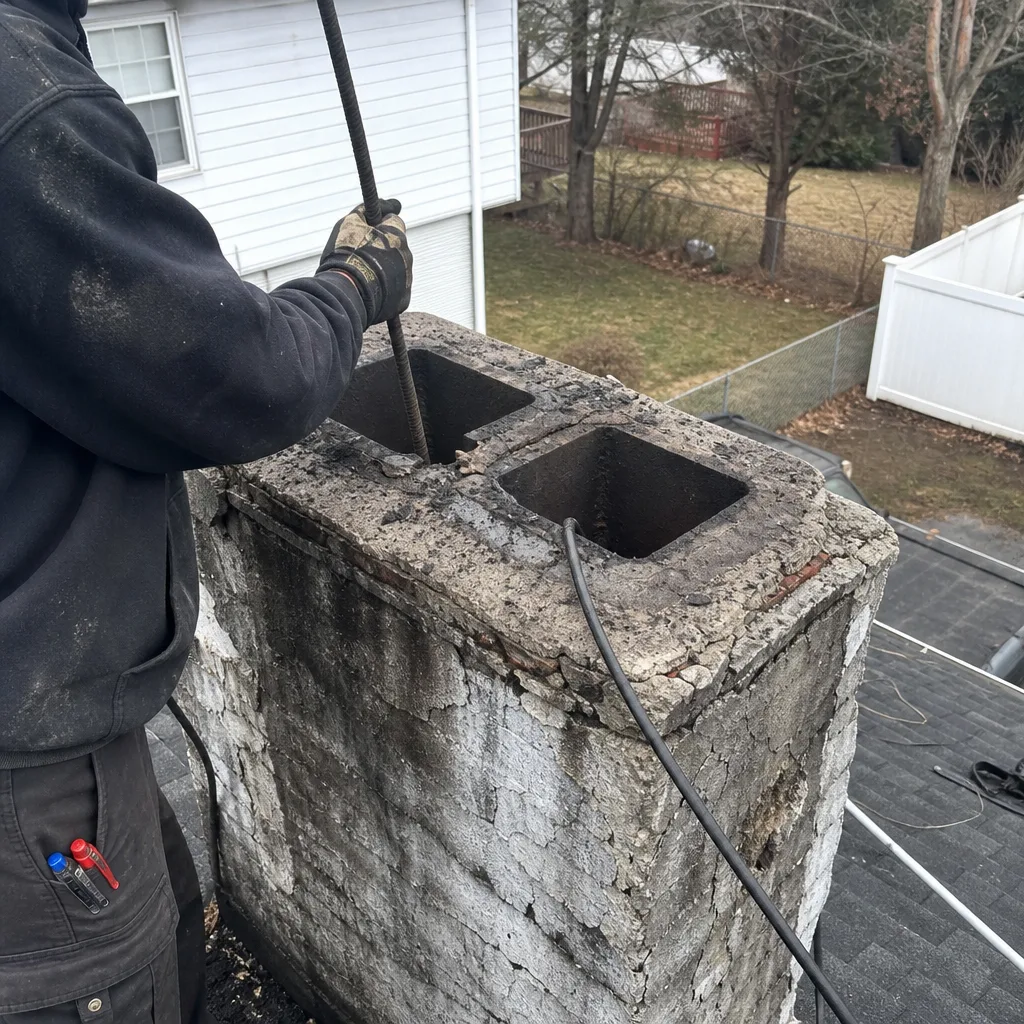 Before
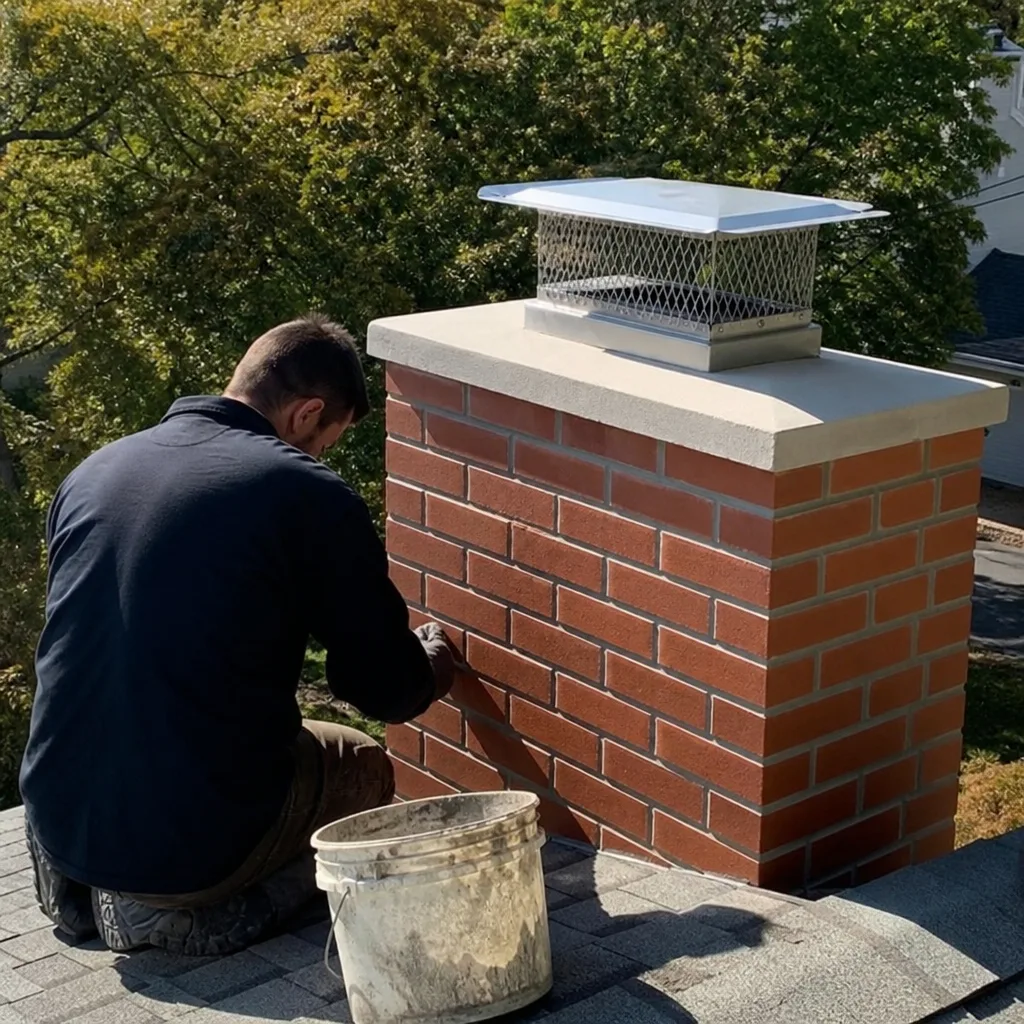 After
After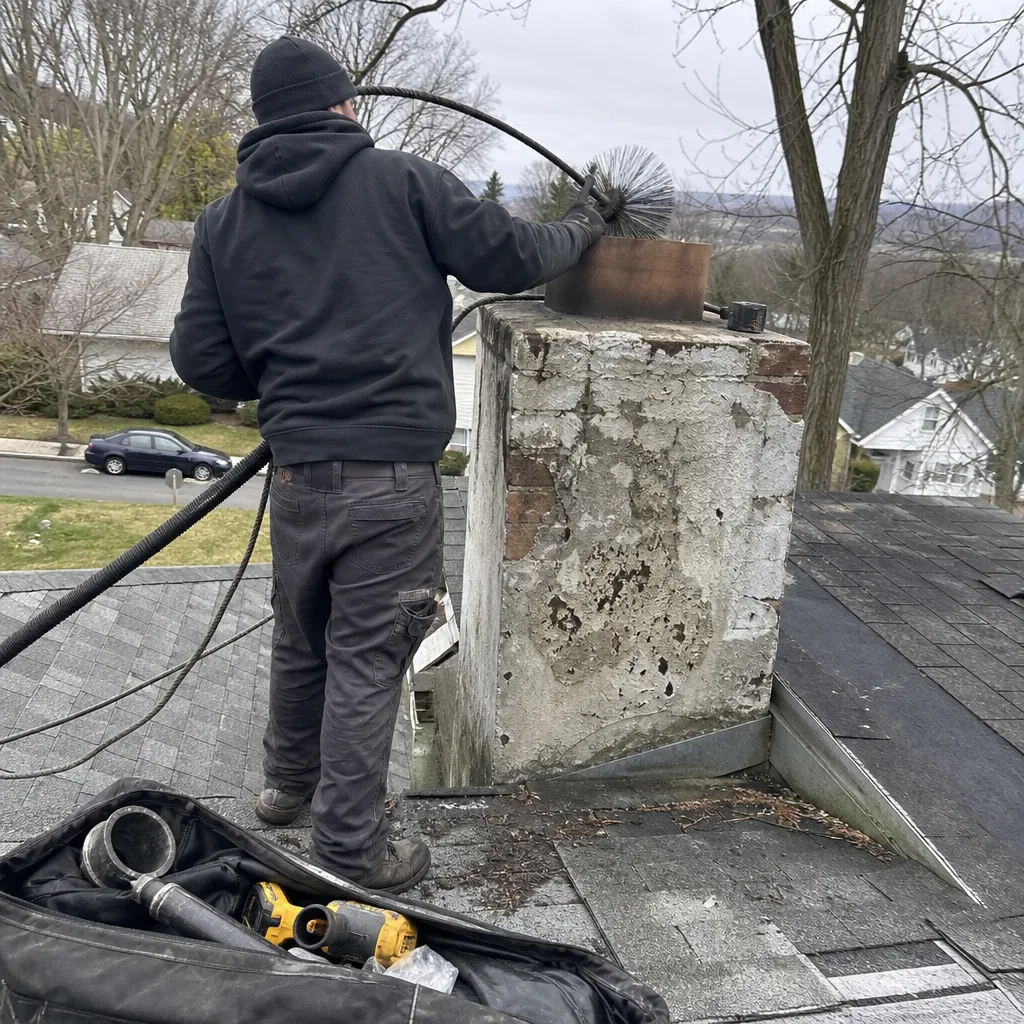 Before
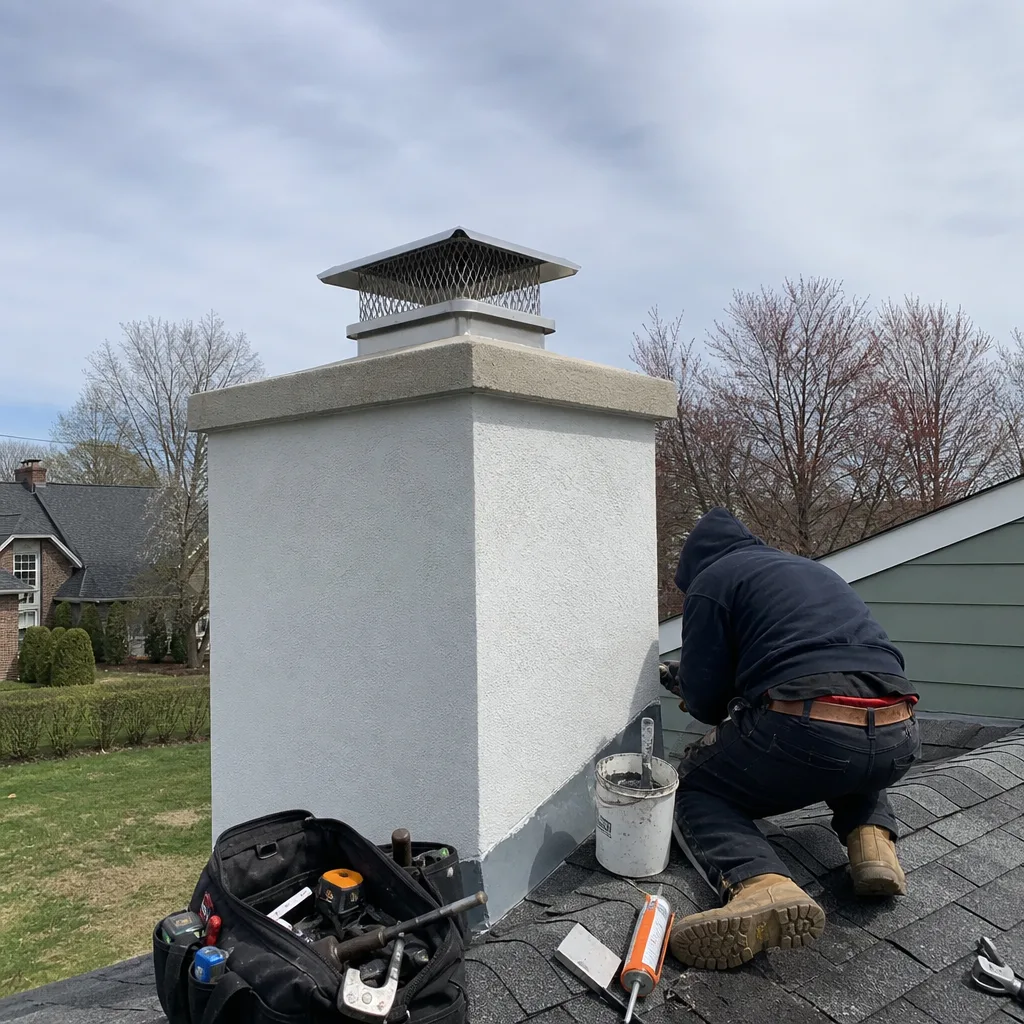 After
AfterSeasonal Chimney Cleaning Care for Yonkers: Year-Round Homeowner’s Guide
A chimney that passes its September sweep with a clean bill can have a cracked crown, a lifted flashing, and a bird nest in the cap by the time the first fire of November rolls around. That’s because three of the four damage seasons happen after the sweep. Yonkers’s climate produces four distinct chimney stress events every year: summer humidity, freeze-thaw cycling, peak-burn creosote accumulation, and spring moisture intrusion. A single annual sweep catches only the one it happens to fall near. This guide assigns specific inspection tasks to each season so your maintenance is distributed rather than stacked, and nothing slips through. For more guides & resources, see our blog.
Quick Answer
Seasonal chimney care in Yonkers means running a two-visit schedule: a pre-season sweep and inspection in September or October, then a post-winter structural inspection in March or April. Between those visits, homeowners should monitor for smoke rollout, odor changes, and white staining on exterior brick during the burn season, and check for efflorescence and animal activity during the summer. Most damage in Yonkers chimneys comes from freeze-thaw cycling and humidity, not from the fires themselves.
Table of Contents
- Fall (September-October): What to Verify Before the First Fire
- Winter (December-February): Monitoring During the Burn Season
- Spring (March-April): The Post-Freeze-Thaw Priority List
- Summer (June-August): Why Unused Chimneys Still Need Attention
- How to Structure a Two-Visit Annual Schedule
- What Documentation You Should Walk Away With
- Common Mistakes to Avoid
- When to Call a Professional
- Frequently Asked Questions
- The Bottom Line
Key Takeaways
- Run two chimney visits per year in Yonkers: a fall sweep and a spring structural inspection.
- Freeze-thaw cycling causes more structural damage than fire use in this climate.
- A sealed damper in summer traps humidity that accelerates clay tile liner degradation.
- Creosote buildup is seasonal and predictable: it peaks in the coldest months when fires burn longest.
- You should leave every service visit with a written scope, written price, and written warranty.
BeforeAfterFall (September-October): What to Verify Before the First Fire
September is the busiest month for chimney work in Yonkers, and for good reason. Your chimney has just come through the most damaging season of the year: summer. High humidity saturates the brick and mortar, and all that absorbed moisture waits inside the masonry until the temperature swings in late October. By the time you’re ready to light the first fire, there are four specific things you should verify before striking a match: draft, damper seal, creosote baseline, and cap screen integrity.
A Pre-Season Checklist That Actually Means Something
- Run a draft test. Open the damper, light a rolled sheet of newspaper, and hold it in the firebox. Smoke should pull cleanly up the flue. If it rolls back into the room or hangs in the firebox, the flue isn’t drawing. Common Yonkers culprits include a partially closed damper, a blocked cap screen, or a flue that’s too cold to establish draft on a warm fall day.
- Check the damper seal. A damper that doesn’t seat fully when closed leaks conditioned air all winter. The fix is often a new gasket or a top-sealing damper, not a full replacement. If you can feel air moving through the closed damper, call for an inspection; energy losses over a heating season aren’t trivial.
- Get a creosote baseline reading. A chimney sweep in Yonkers should measure and classify creosote before the burn season starts. The NFPA 211 standard uses three classes: Class I is a light sooty film, Class II is a flaky buildup that needs mechanical removal, and Class III is a hardened glaze coating that’s a serious fire hazard. Knowing your baseline matters, because a chimney with Class II creosote in September can hit Class III by January under heavy burn conditions.
- Inspect the cap screen after summer nesting season. Chimney swifts and starlings look for nesting sites in unused chimneys from May through August. A torn or missing cap screen is an open invitation. Even if no bird moved in, you may find nesting debris from a neighbor’s chimney that wildlife carried to your roof. We regularly pull twigs, grass, and the occasional unfortunate squirrel from caps in the Cedar Knolls and Bryn Mawr neighborhoods of Yonkers in early fall.
This is also the time to review your Chimney Cleaning & Sweep in Yonkers plan for the coming burn season. If you haven’t had a sweep in the past 12 months, scheduling one in September or early October is the single highest-value action you can take. The alternative, waiting until late October, puts you in the busiest two weeks of the year and may mean waiting weeks for an appointment when you’re already burning.
Winter (December-February): Monitoring During the Burn Season
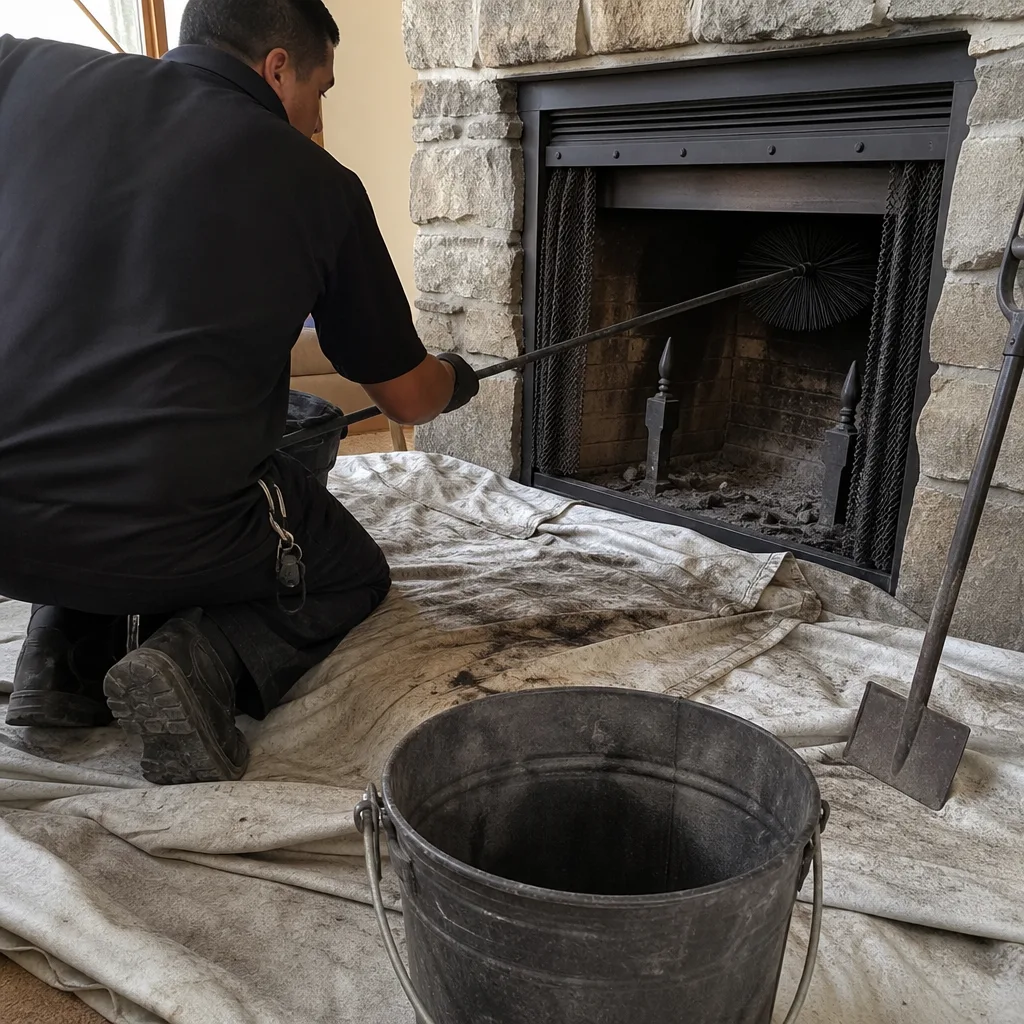
Winter in Yonkers is when the chimney earns its keep, but it’s also when active deterioration becomes visible to a homeowner who knows what to look for. The signs are subtle, and most of them will not announce themselves loudly. What you’re watching for is change: a smell that appears, a stain that wasn’t there before, a sound that seems new. None of these require a ladder or a camera, just your own observation during normal use.
Three Winter Warning Signs You Can Monitor Without a Sweep Visit
- Smoke rollout. When you open the stove or fireplace door mid-burn and smoke spills into the room instead of rising, something has changed since the fall sweep. Common causes in mid-winter include a creosote restriction that narrowed the flue, a cold flue that won’t establish draft, or a pressure imbalance created by the house itself. The fix depends on the cause, but the first action is the same: stop using the fireplace until the flue is camera-inspected.
- Odor change. A wood-burning fireplace should smell like wood smoke. If the smell shifts toward something acrid, sour, or ashy even when no fire is burning, that’s a signal. In our experience, this is usually creosote that has absorbed moisture from the flue walls and is off-gassing into the house. It’s most noticeable in Yonkers damp cold spells in January when the temperature hovers in the low 30s and relative humidity stays above 70 percent.
- White staining on exterior brick after cold snaps. Efflorescence, those chalky white mineral deposits, appears when water moves through masonry and deposits salts on the surface. During a winter cold snap, what you’re seeing is freeze-thaw stress working its way from the inside out. If you notice white staining along the chimney above the roofline in January or February, that section of masonry held water before the freeze. The damage may still be reversible, but it will not be if it continues through multiple freeze-thaw cycles.
One more note about winter monitoring: do not attempt to clean or repair anything on the roof during the winter in Yonkers. Snow load, ice, and temperatures below freezing make rooftop work genuinely dangerous, and a chimney chase on a pitched roof is not a casual DIY project. If you see something that concerns you in January, call and have a professional inspect it. You’ll need a repair come spring either way; waiting two months is safer than a December roof accident.
Spring (March-April): The Post-Freeze-Thaw Priority List
March and April in Yonkers are what we call the reckoning season. Every freeze-thaw cycle from December through February has done what it came to do, and the damage is now visible. The three biggest post-winter structural issues we see year after year are mortar joint failure at the roofline, crown cracking, and flashing lift from ice damming. A spring inspection should address all three explicitly, and any competent chimney repair provider in Yonkers should be quoting these as line items with dollar amounts, not vague “roofline issues.”
The Spring Priority List, In Order
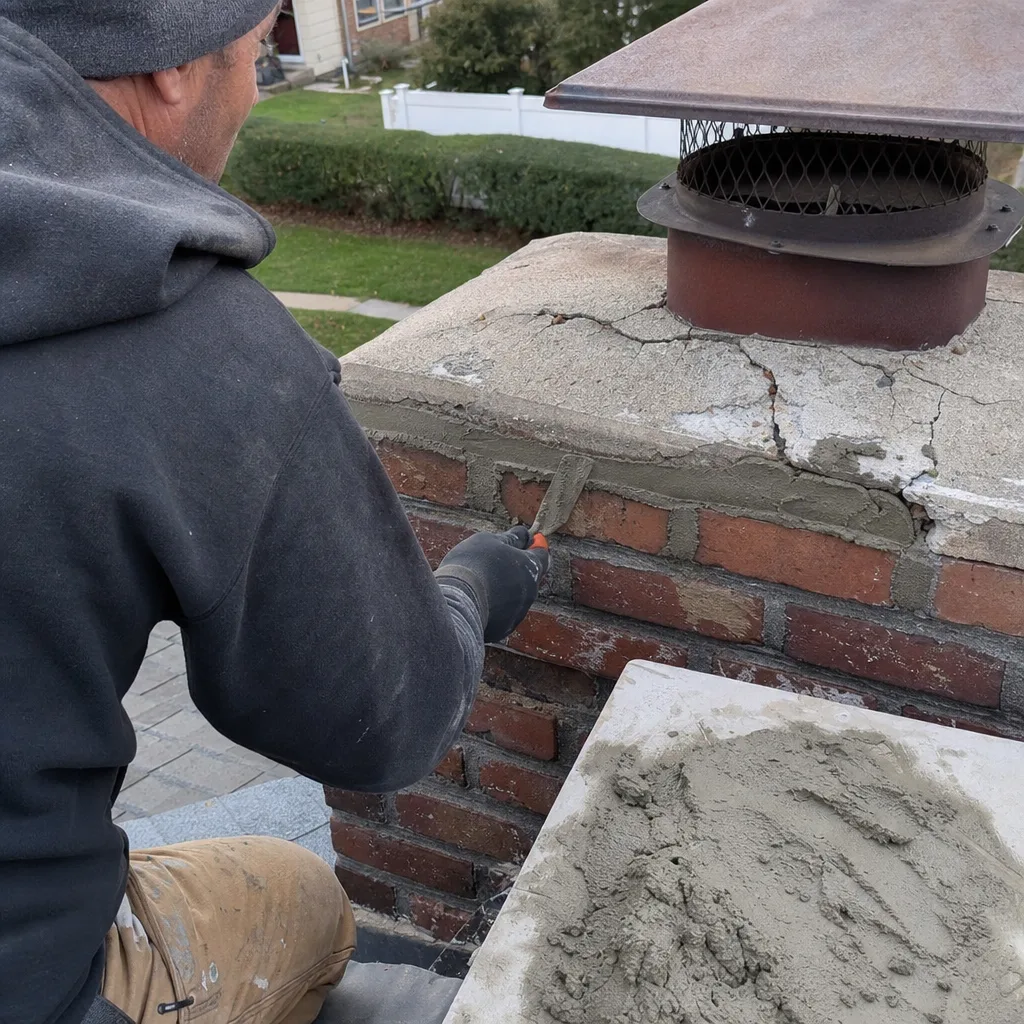
- Mortar joint inspection at the roofline. The roofline is where the chimney transitions from sheltered to exposed. Snow sits against the masonry here, melts, refreezes, and works its way into the bed joints. What started as hairline cracks in November can be gaps of an eighth of an inch by March. Repointing is straightforward when caught early. Let it go, and the same joints become a structural problem that requires brick replacement.
- Crown crack check. The chimney crown is the concrete cap that sheds water away from the flue. A breached crown lets water directly into the masonry core, and once water is inside the structure, every subsequent freeze-thaw cycle does exponentially more damage. If you can see cracks wider than a quarter’s edge or any spalling, which is the flaking of the concrete surface, the crown needs sealing or rebuilding depending on severity.
- Flashing lift from ice damming. Yonkers homes with unheated attics and poor roof insulation are prone to ice damming along the roof edge. When ice expands at the chimney penetration, it can lift the flashing away from the brick. The result is a gap that directs snowmelt straight down the chase. Flashing that has lifted even a quarter inch in spring will leak reliably by summer rain. This is a Chimney Repair in Yonkers item, and it’s time-sensitive.
The good news about the spring list is that it’s finite. There are only three serious freeze-thaw failure points: the joints, the crown, and the flashing. A camera-scan inspection of the flue interior at this time of year also tells you whether the freeze-thaw has compromised the liner. The NFPA 211 Level 2 inspection is the appropriate standard here, which in practice means a camera down the flue with a documented record of what it shows. This is where you want photos, not a wave from the roof.
Summer (June-August): Why Unused Chimneys Still Need Attention
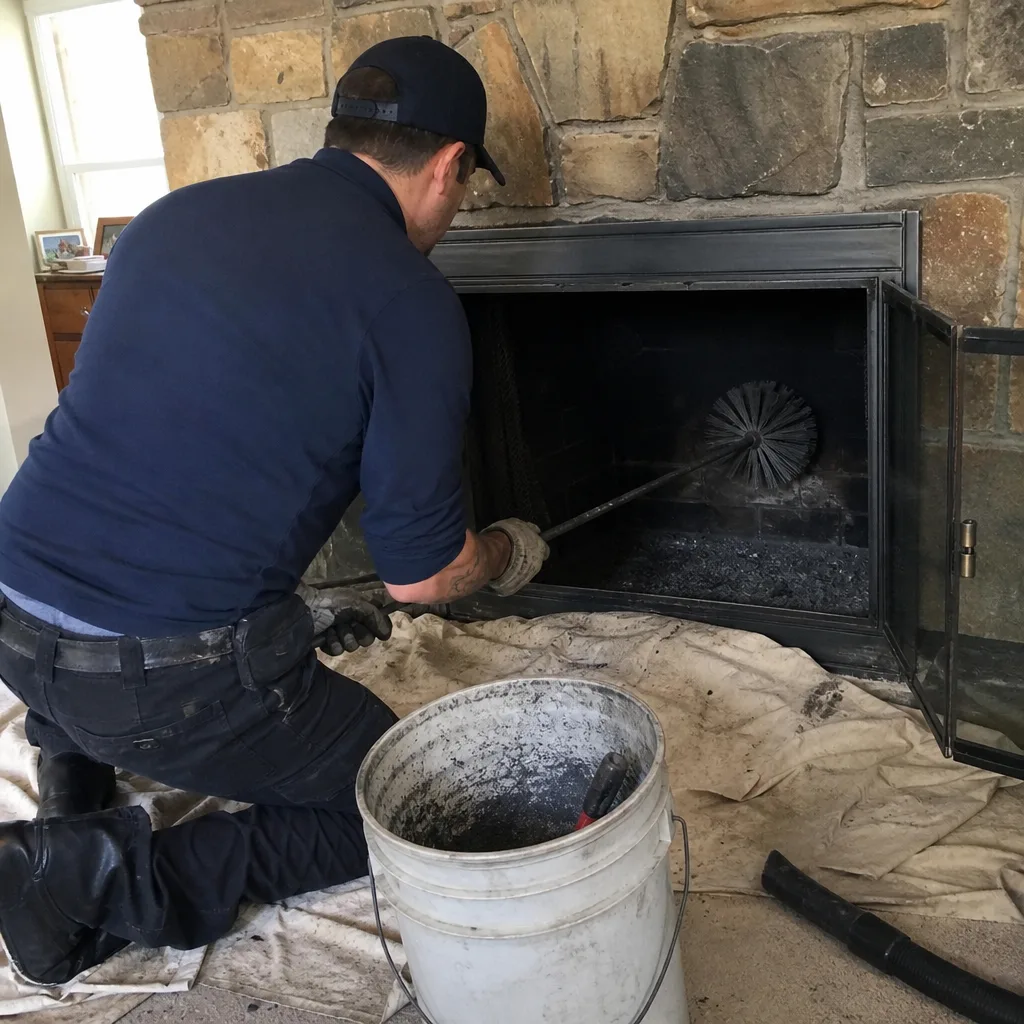
The summer months are the least interesting time to think about a chimney, and for that exact reason they’re one of the most damaging. In Yonkers, summer damage comes from three directions: humidity-driven efflorescence, animal intrusion, and the slow degradation caused by a sealed damper trapping moisture in the flue. None of these require a fire, which is why a chimney that went unused from May through August still needs attention.
The Three Summer Damage Vectors
- Humidity-driven efflorescence. Westchester County summers are humid, and brick absorbs that moisture directly from the air. Late-summer humidity in Yonkers routinely pushes past 70 percent. When the temperature drops at night, that water condenses inside the masonry, dissolves salts in the mortar, and deposits them as white staining on the surface. Efflorescence itself isn’t structural damage, but it’s a reliable indicator that the masonry is holding more water than it should. If you see it in August, you’ll likely have crowned or repointed work due by spring.
- Animal intrusion. Chimney swifts, squirrels, raccoons, and the occasional starling will use an uncapped or badly capped chimney as a summer home. In Yonkers, where mature tree coverage is dense in neighborhoods like Dunwoodie and Colonial Heights, squirrel intrusion into chimneys is a regular occurrence from June through August. The problem isn’t just the animal; it’s the nesting material, which is flammable, blocks airflow, and holds moisture against the flue liner.
- Sealed-damper moisture trapping. This one is counterintuitive. Homeowners close the damper during summer to keep conditioned air from escaping, which is correct. But a sealed damper also traps humid air inside the flue, and that humidity accelerates degradation of clay tile liners. The inside of a closed flue in August is a warm, moist environment. Over multiple summers, moisture works its way into the liner’s pores, and in winter the same moisture freezes and starts spalling the tile from the inside. A properly installed top-sealing damper or a vented cap breaks this cycle while still sealing the flue.
The summer list is low-urgency, high-importance. July is the right time to book a fall sweep and a spring structural inspection; waiting until September puts you in the fall rush. Use our Chimney Cleaning & Sweep Maintenance Checklist for Yonkers Homeowners to stay on track. And if you haven’t looked at your chimney cap or flashing since the spring inspection, a five-minute check in July will tell you whether winter did damage you missed and whether any animal has moved in since.
How to Structure a Two-Visit Annual Schedule
We write this section every year, and every year the same question comes up: why two visits? The answer is that the damage mechanisms are seasonal, and they don’t all show up at the same time. A fall sweep catches creosote from the previous winter and prepares the chimney for the coming burn season. A spring inspection catches the freeze-thaw damage from winter that was not visible in September, because it had not happened yet. Yonkers’s climate does the damage in sequence; the maintenance schedule should mirror it.
Visit 1: Fall Pre-Season Sweep (September-October)
What happens during the fall visit, and what documentation it should produce:
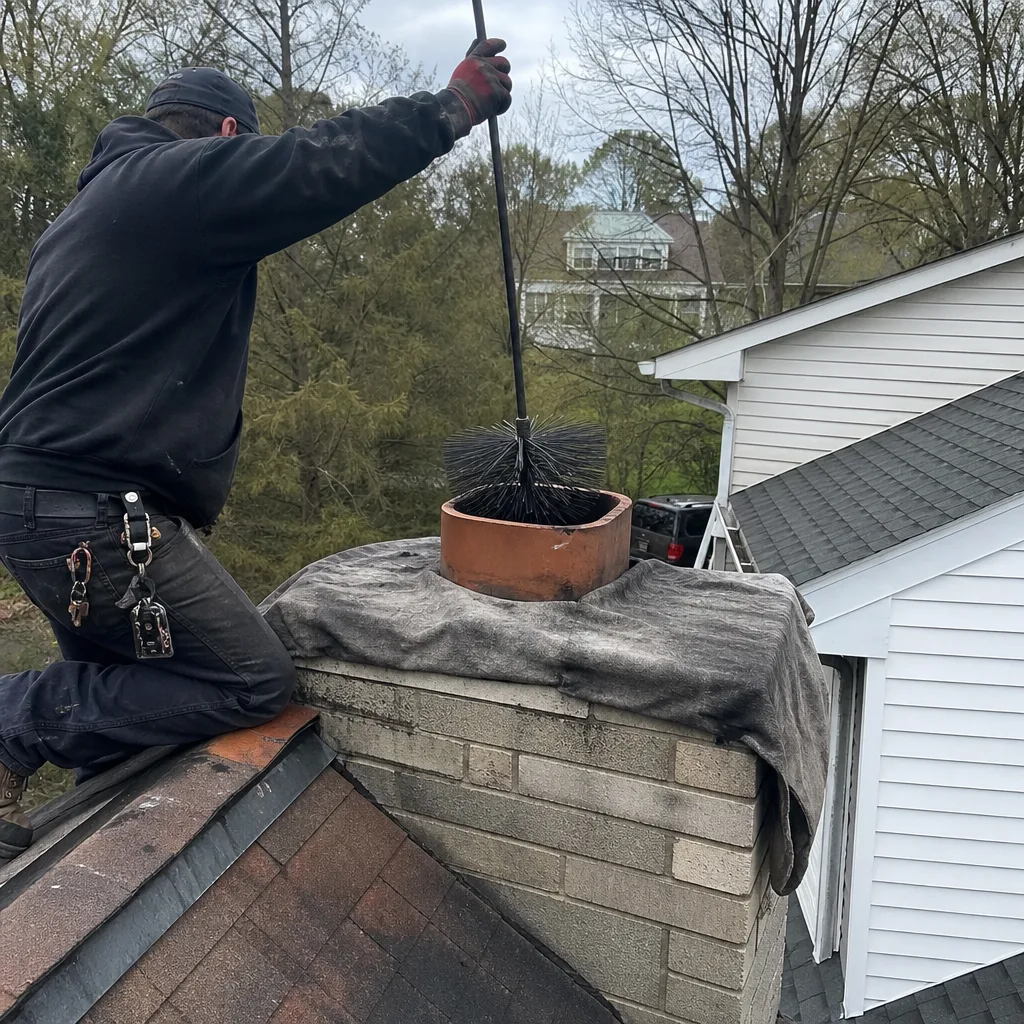
- Creosote removal and classification. The sweep removes creosote from the flue with brushes sized to the liner, then photographs the interior before and after. The classification goes in the record: Class I, II, or III. If Class III glazing is present, the record should state that chemical or mechanical treatment is needed and quote it separately.
- Level 1 or Level 2 inspection, depending on conditions. A camera-scan inspection (NFPA 211 Level 2) is appropriate if anything about the system has changed since the last inspection: a new appliance, a new liner question, a real estate transaction, or a suspected problem. At minimum, a fall visit should include a visual check of the accessible portions of the chimney interior and exterior.
- Cap and screen verification. The cap screen is checked for tears, gaps, and nesting debris from the summer. This is the last line of defense before the burn season begins.
- A written price for any recommended work, delivered before work begins. This is non-negotiable. If the sweep finds a crack in the crown or a deteriorating liner during the fall visit, the recommendation should come with a written scope and a written price, not a verbal “you should probably get that looked at.” Every job that follows should carry the same standard: written price before work starts, written warranty when it’s done.
Visit 2: Spring Post-Season Inspection (March-April)
The spring visit is structural, not cosmetic. Its job is to document damage from the winter and to prioritize repairs before the next winter. A proper spring inspection includes:
- Full visual inspection of the crown, waterproofing layer, and all masonry above the roofline.
- Flashing examination, especially at the saddle and step flashing where the chimney meets the roof.
- Camera scan of the flue interior, focused on freeze-thaw spalling of the liner.
- Documented photo record of every item flagged for repair, not just the ones that look bad from the ground.
If the two-visit structure sounds like more work than a single annual sweep, you’re right. It is more work. But the economics are straightforward: a spring inspection that catches a cracked crown in March costs a repair. The same crack, left through the summer humidity and next winter’s freeze-thaw cycles, costs a rebuild. In Yonkers, we’ve seen this pattern play out in homes throughout the city, from the older construction of Park Hill to the newer builds of Crestwood.
What Documentation You Should Walk Away With
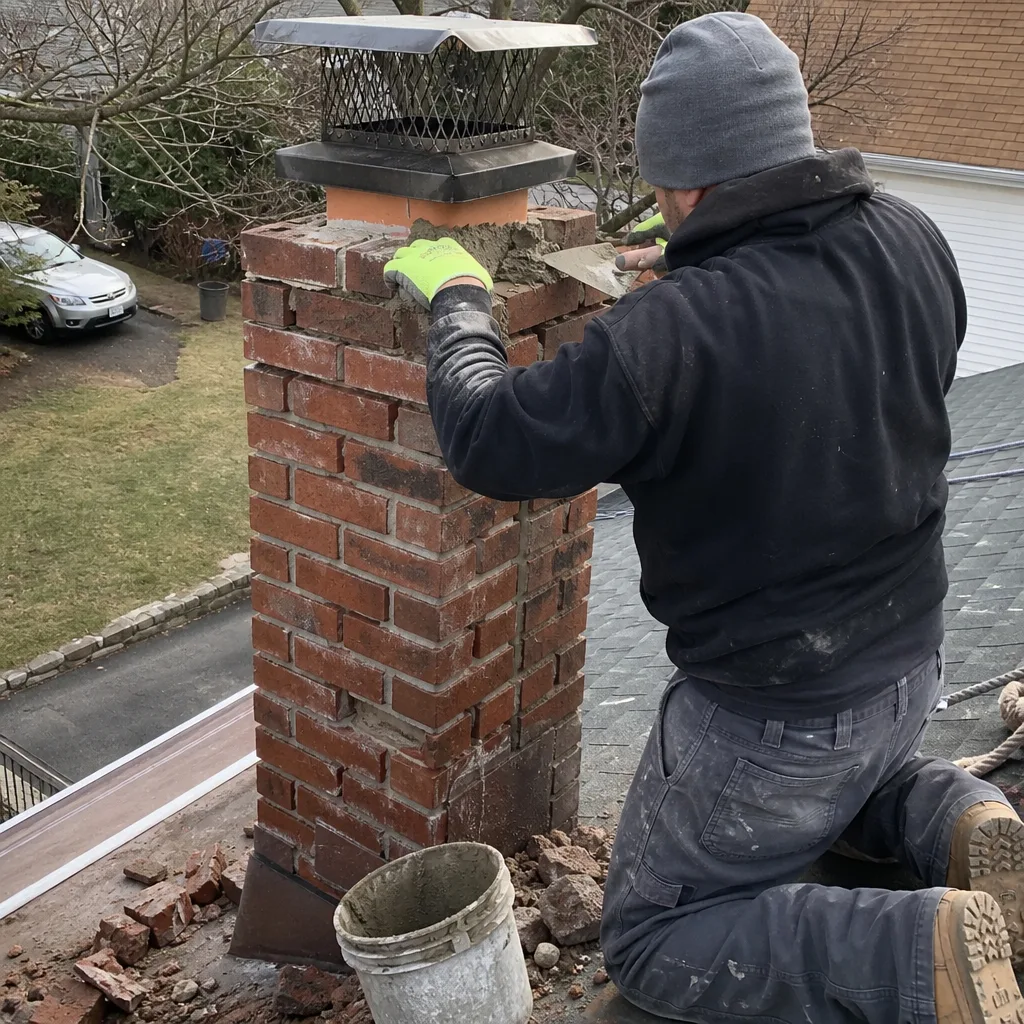
Most homeowners have never seen the inside of their chimney. A chimney sweep visit should change that, not by describing what was seen, but by showing it. The entire point of a camera-scan inspection is that you get a document when it’s done. Under the Haven Standard, Clause 4 requires a photo record on every job; this has been Level Two Chimney Yonkers’s practice since 2009, years before anyone asked for it, and it’s now the baseline expectation for anyone doing chimney work in Yonkers who takes their trade seriously.
What a complete documentation package includes:
- Pre- and post-cleaning photos of the flue interior, so you can see what was removed and what remains.
- Creosote classification with a written note about what the class means for how you burn.
- Written scope of any recommended repairs, with each item listed separately and priced separately.
- Written warranty on completed work, specific about what’s covered and for how long.
- Photos of crown, cap, and flashing if the visit includes an exterior inspection, labeled with the date and the finding.
If a sweep company won’t hand you photos, that’s not an inspection. It’s a flashlight and a signature. You’d get more from a roof selfie. The whole point of paying for the scan is the archive: you now have a record you can compare next season and the season after. When a hailstorm hits Yonkers in June, you’ll know whether that new crack in the crown was there in April, and a photograph settles disputes that memory can’t.
We always source our materials from the same suppliers, including DuraFlex for liner systems and Copperfield for caps and terminations. That’s not because we’re loyalists; it’s because the material provenance is part of the documentation. The same standards apply to the chimney cleaning and sweep work we do across Yonkers, from the Level Two Chimney Yonkers home service area outward.
Common Mistakes to Avoid
- Assuming one sweep a year is enough. It’s not, at least not in Yonkers, where freeze-thaw cycling and summer humidity cause damage that a September sweep cannot see because it hasn’t happened yet. A two-visit schedule closes the gap.
- Believing an unused chimney requires no maintenance. A chimney that never burns still absorbs water, still freezes, still hosts animals, and still degrades. In some ways, an unused chimney is worse, because no one notices the damage until it’s structural.
- Waiting until October to book the fall sweep. Every year, the last two weeks of October are a logjam in Yonkers. Booking in July or August gets you the date you want and a pre-season price. Booking in late October often means burning before the sweep arrives, which is exactly backwards.
- Accepting a verbal recommendation instead of a written one. If a sweep tells you the liner is cracked or the crown needs rebuilding, get it in writing with a price. A verbal suggestion is not a plan, and it’s not something you can hold anyone to. We never recommend work without a written scope and a written price, because anything else would violate the entire point of having an inspection.
- Ignoring efflorescence as a cosmetic issue. Yes, white staining is ugly. But it’s also a sign the masonry is moving water. In Yonkers’s freeze-thaw climate, water moving through brick is a slow-motion structural problem, not a decor problem.
- Trying to DIY chimney repairs after watching a video. Most chimney work is not a casual Saturday project. Roof access, mortar mixing, crown forming, and flashing work all have failure modes that are expensive and sometimes dangerous. The money you save on a DIY repair is usually less than what it costs to undo the damage when it fails.
When to Call a Professional
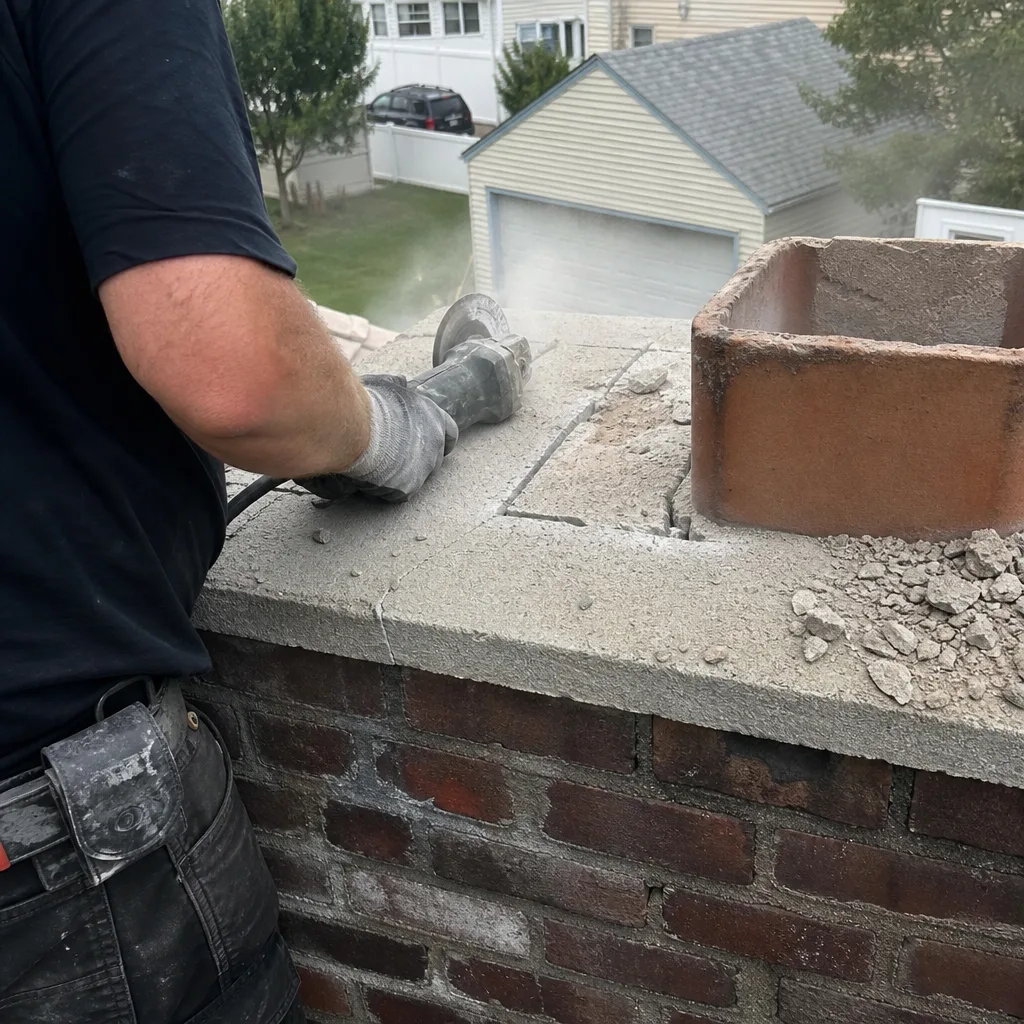
Call for a professional inspection if you see any of these: white staining on chimney brick that appears or worsens, smoke entering the room instead of rising, a creosote odor that’s getting stronger, water staining on the ceiling near the chimney, or any visible crack in the crown or mortar joints. Also call if you’ve never had a camera-scan inspection done on a chimney you bought in the last five years; the previous owner’s maintenance history is often more optimistic than the flue. Learn about Chimney Cleaning Permits, Codes & Inspections in NY: What You Need to Know before scheduling. Level Two Chimney Yonkers offers free estimates in Yonkers, including a written price before any work begins. Call (551) 212-3526.
If your chimney needs more than a cleaning, the work should be approached like any other trade repair: written scope, written price, written warranty. The Fireplace Services in Yonkers page covers the range of services that run alongside chimney cleaning, including damper replacement and firebox repair. And if you have a competitor’s written estimate in hand, bring it to us. We’ll give you a free second opinion, because a written estimate is the only thing that lets a homeowner compare what different companies are actually offering.
Frequently Asked Questions
A standard chimney sweep in Yonkers typically runs $180 to $340, depending on flue height, creosote classification, and whether camera inspection is included. See our Chimney Cleaning Cost Breakdown: The Yonkers Homeowner’s Reference for 2026 for full pricing details. Level Two Chimney Yonkers writes the price before work starts, with a written scope and warranty included. Call (551) 212-3526 for an exact quote; estimates are free.
The NFPA 211 standard says chimneys should be swept when creosote reaches 1/8 inch of accumulation, which in Yonkers’s burn season usually means once per year for regular wood-burning use. A chimney that only burns during holidays may need sweeping every other year, but a structural inspection should still happen every spring regardless of how much you burn. The cleanup schedule depends on what the camera shows, not the calendar.
Maybe, but only if the camera record shows it. Clay tile liners crack, spall, and gap over time, and the severity determines whether you need a liner repair or a full replacement. Never accept a liner recommendation without seeing the photos yourself; a written inspection report with the liner condition described in plain terms should accompany any replacement quote. If the damage is real, it should be visible in the documentation.
The two big risks are a chimney fire and carbon monoxide intrusion. Creosote is fuel, and a hot fire with heavy buildup can ignite it. Structural damage from freeze-thaw, on the other hand, can open gaps that let combustion gases leak into wall cavities or living spaces. Neither is a certainty; both are preventable. The cost of maintenance is a fraction of the cost of repairing fire damage or rebuilding a chimney that collapsed from water intrusion. Call (551) 212-3526 if you’re behind on chimney care.
You can brush your own chimney if you have the right equipment, but without a camera you can’t verify the result, and without a written record you have no baseline for next year. The more important limitation is inspection: a DIY cleaning doesn’t tell you what condition the flue liner, smoke chamber, or crown are in. We’ve seen Yonkers homeowners do a fine DIY sweep and miss a deteriorating liner that was visible the moment a camera went down the flue.
A Level 1 inspection is a visual check of accessible portions of the chimney during routine service. A Level 2 inspection adds camera scanning of the flue interior and is required when anything changes: a new appliance, a fuel change, a real estate transaction, or a suspected problem. Most Yonkers homeowners with older chimneys should expect Level 2 documentation at least once, so a baseline record exists for comparison.
The Bottom Line
A Yonkers chimney lives in a punishing climate, and the damage arrives on a seasonal schedule: humidity in summer, freeze-thaw in winter, creosote during peak burn, and structural stress in spring. The response is a two-visit schedule: a pre-season sweep in September or October, and a post-winter structural inspection in March or April. Each visit should produce a written price, a written scope, a photo record, and a written warranty when work is done. None of this is optional if you want a chimney that lasts through the decades, and none of it should ever require calling around for a quote. Call (551) 212-3526 for a free estimate, and put your chimney on a seasonal schedule this year.
Written by Corrine Halstead, Owner at Level Two Chimney Yonkers, serving Yonkers since 2009.