
Last updated September 20, 2026
Level 1 sweep and inspection to the NFPA 211 annual standard - flue, crown, cap, and flashing checked and photographed
Chimney sweep logs do not sweep chimneys. They loosen some creosote - which then falls where a brush and vacuum still have to collect it.
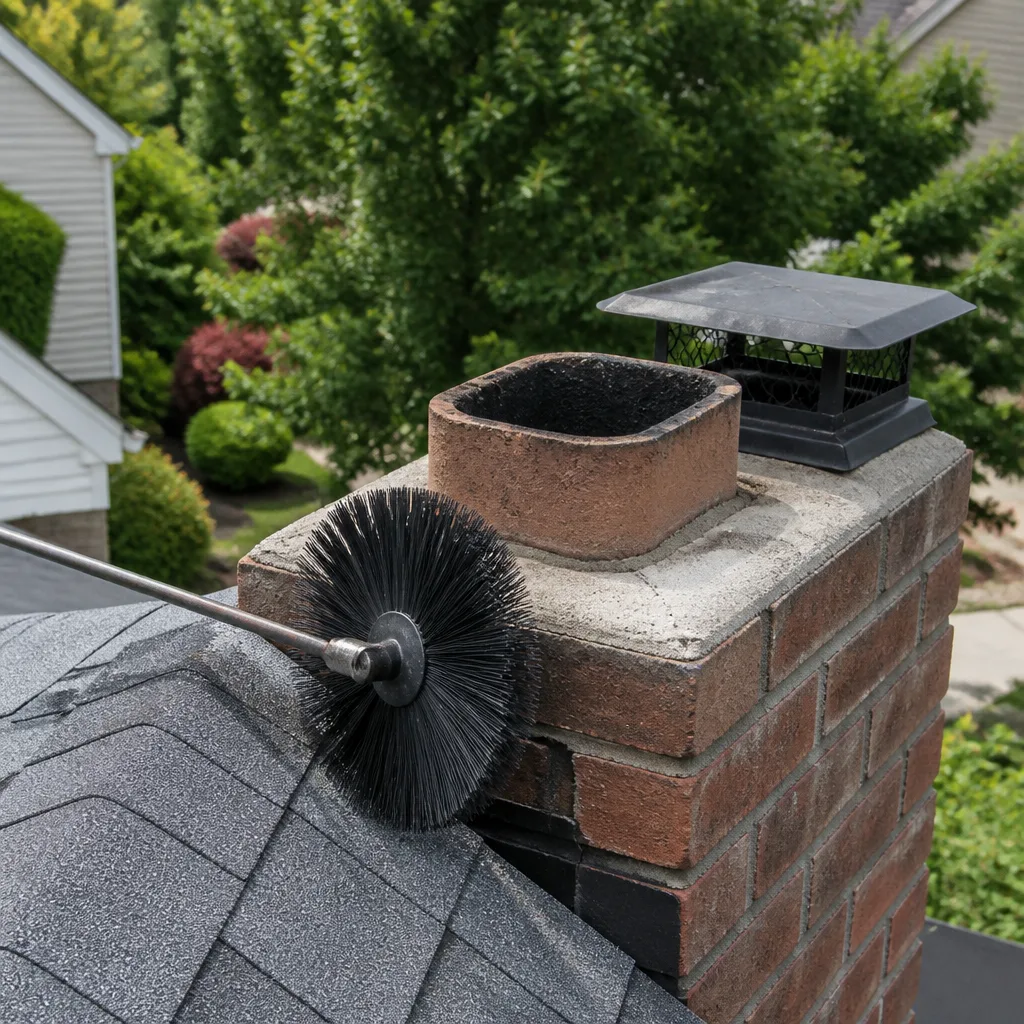
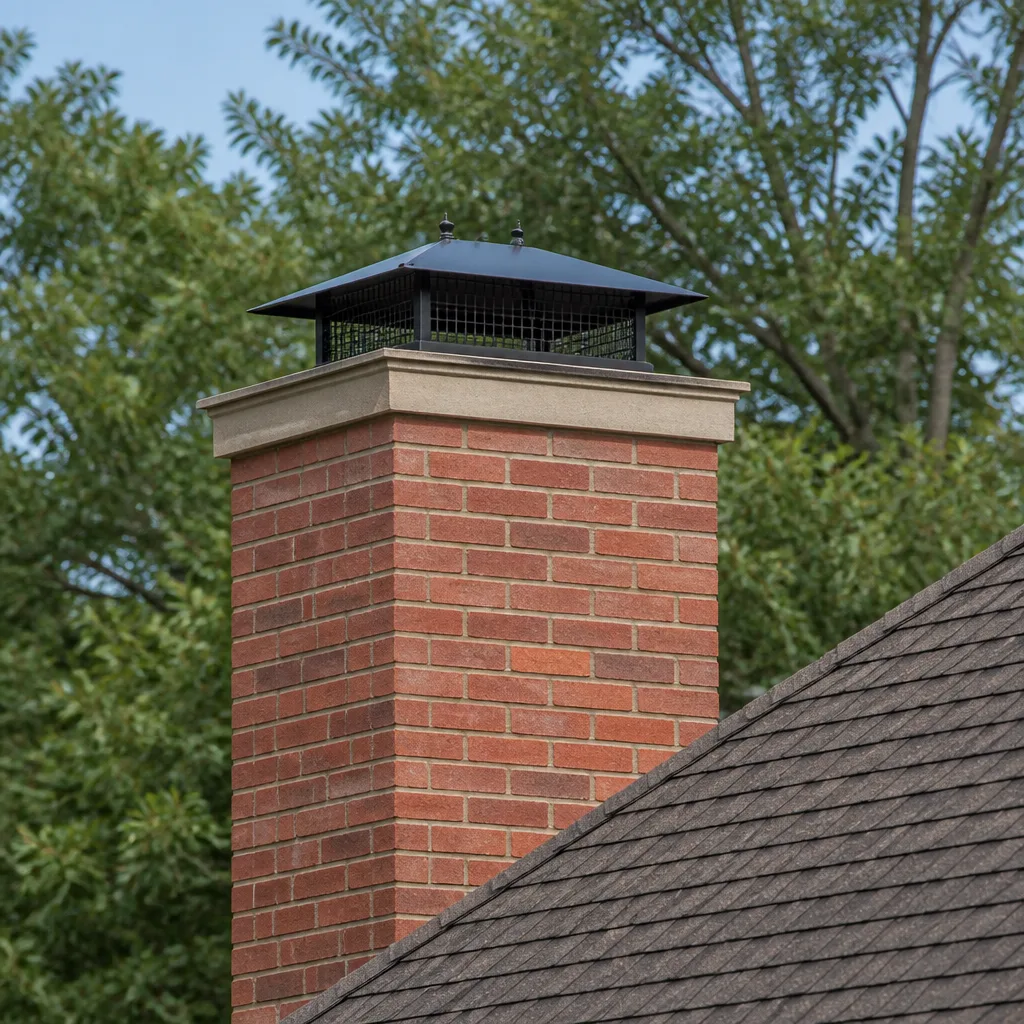
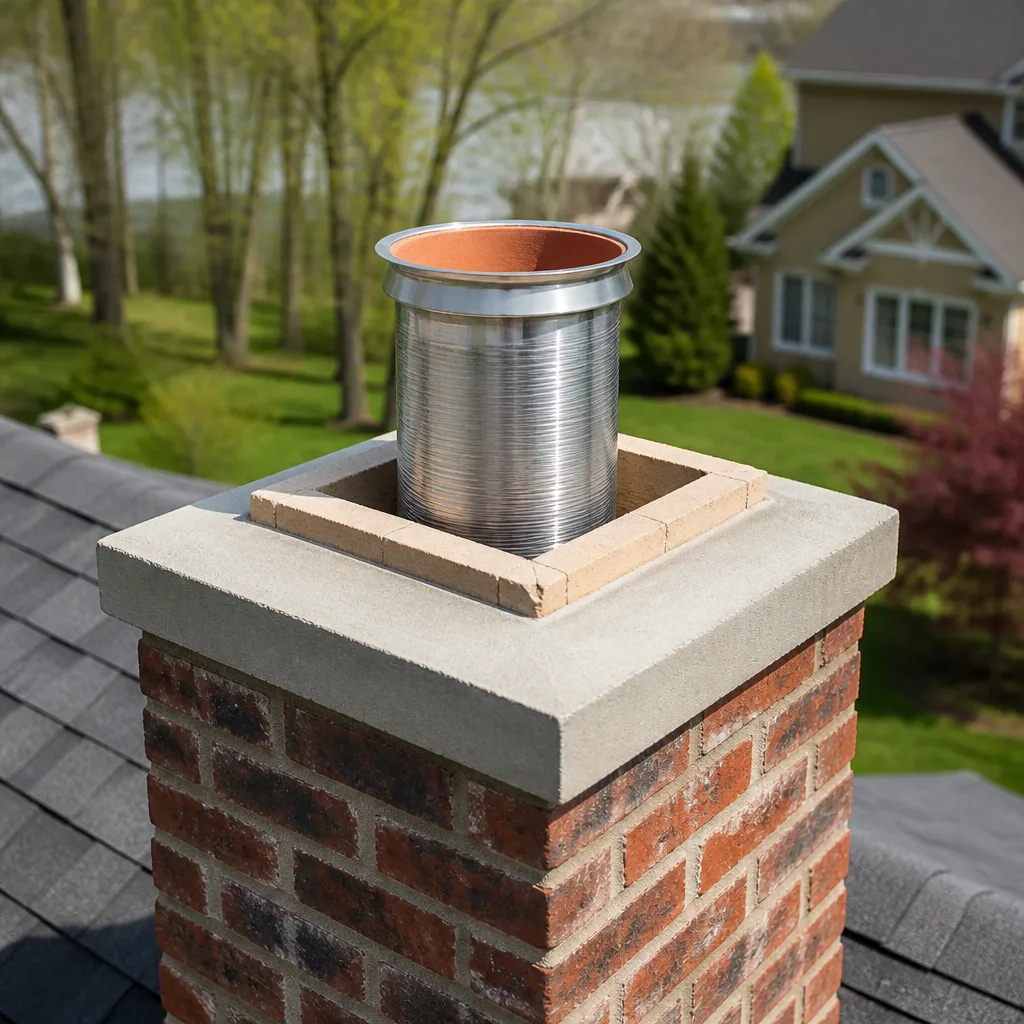
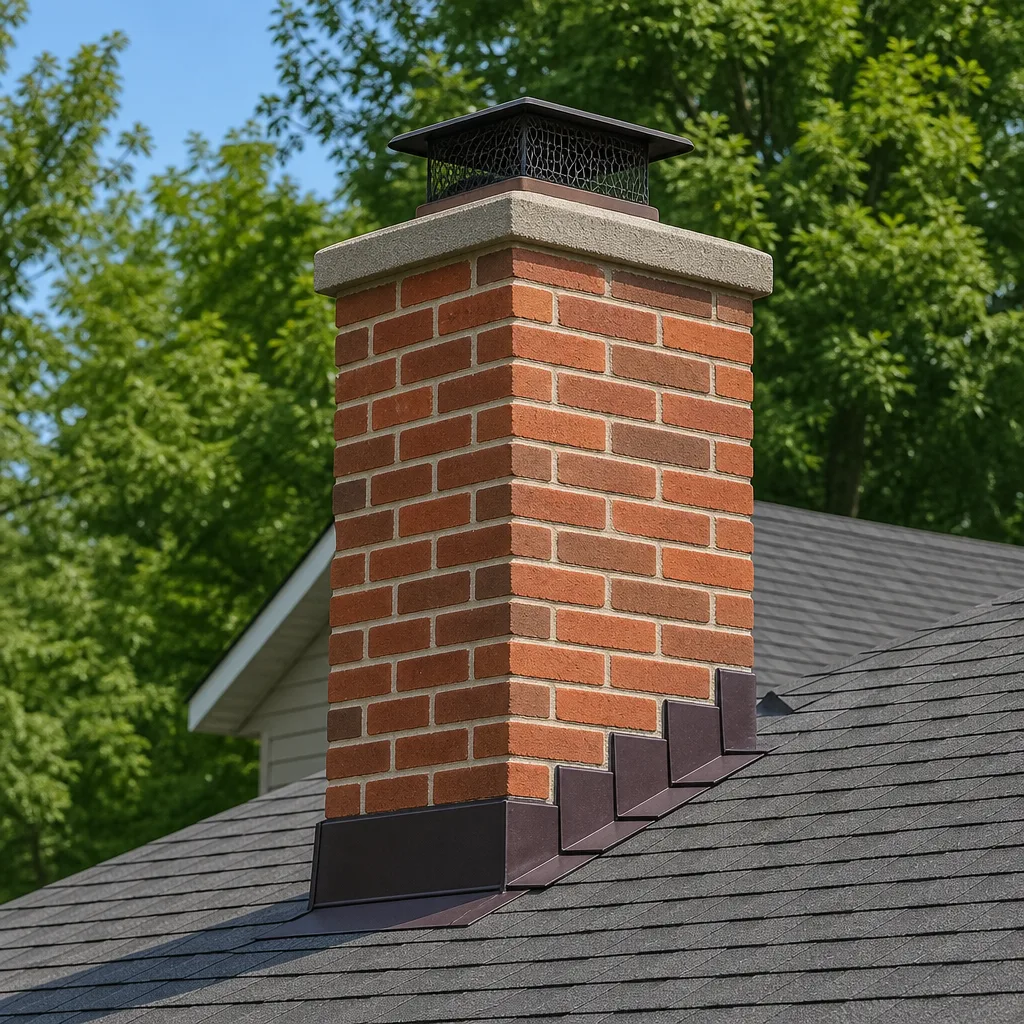
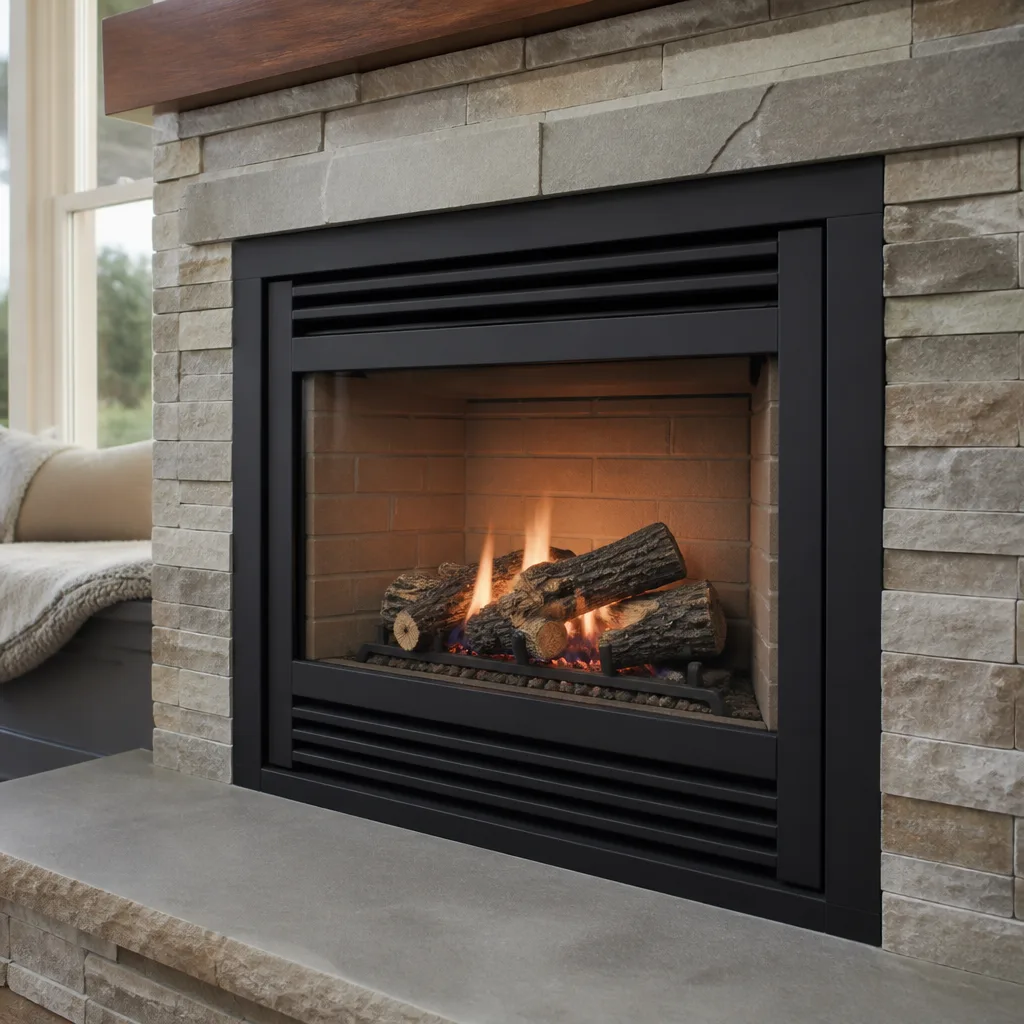
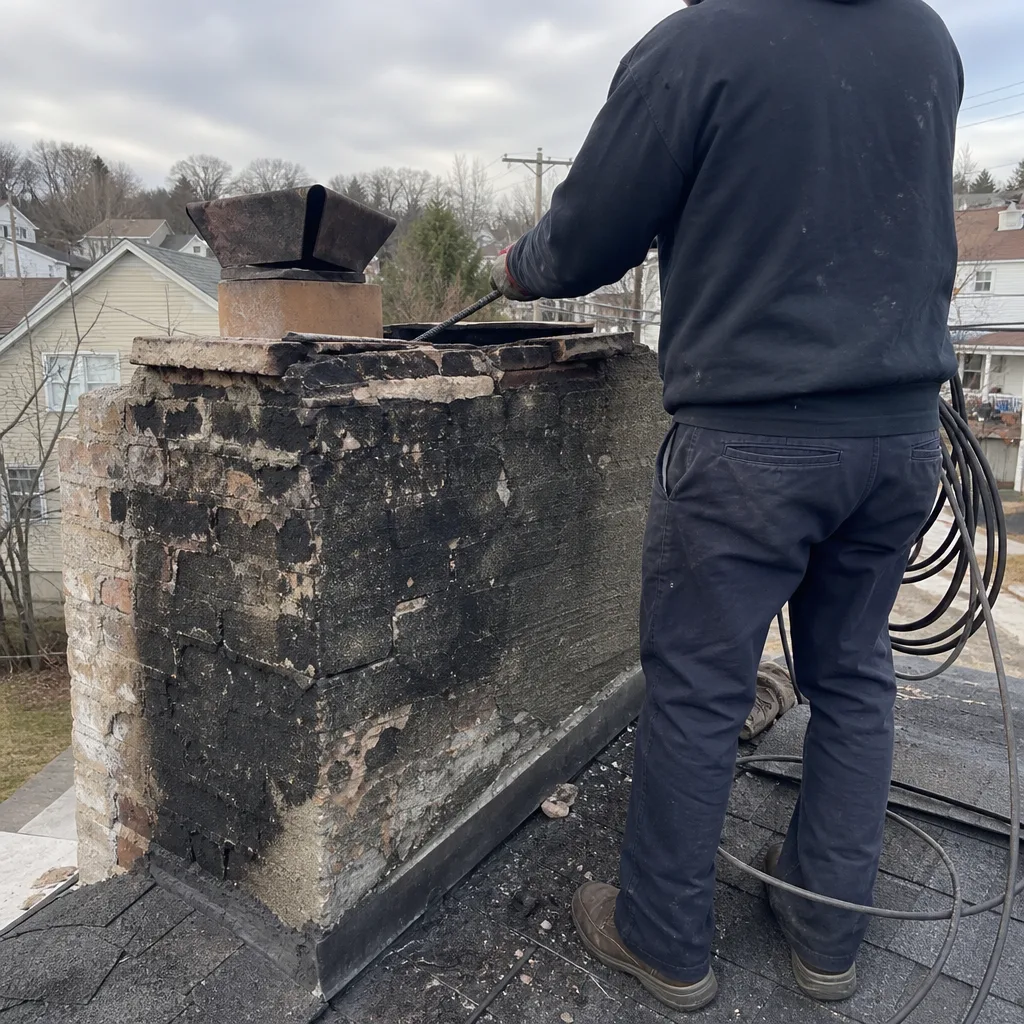 Before
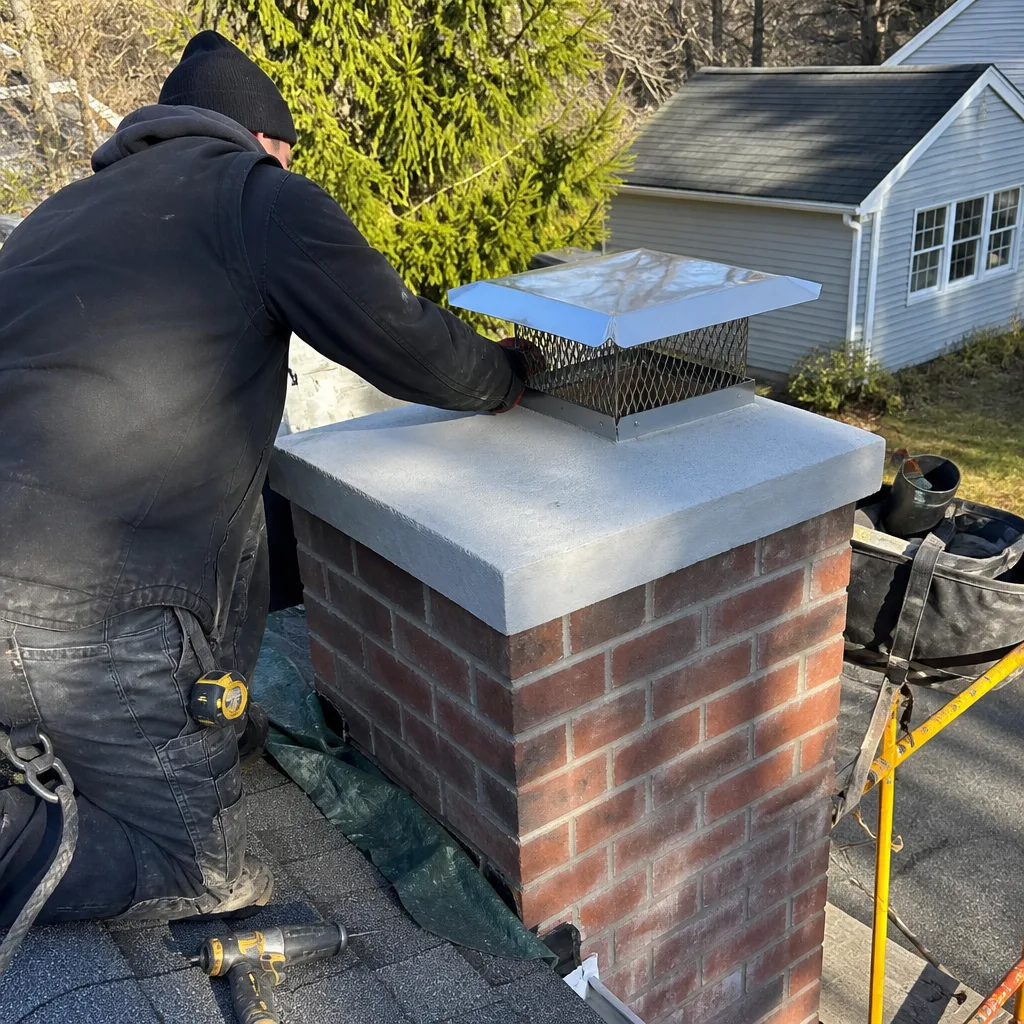 After
After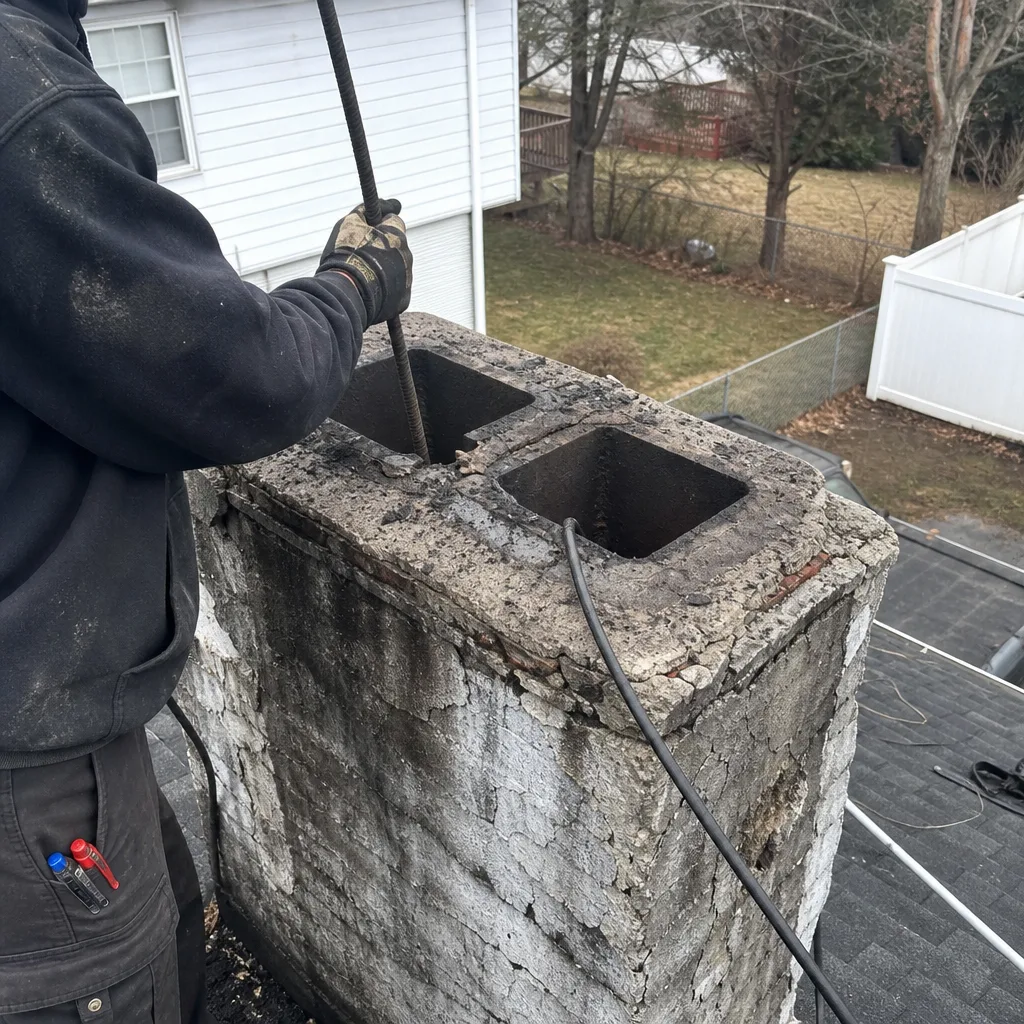 Before
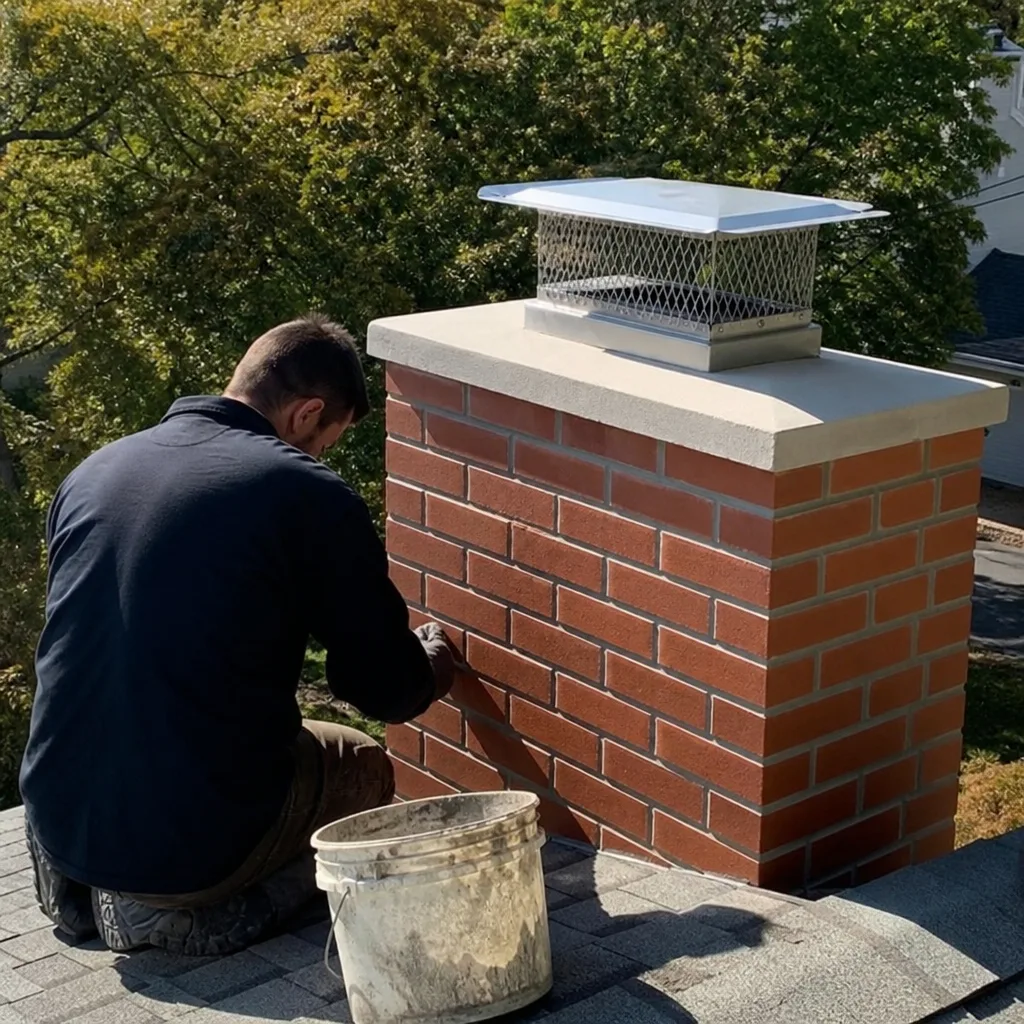 After
After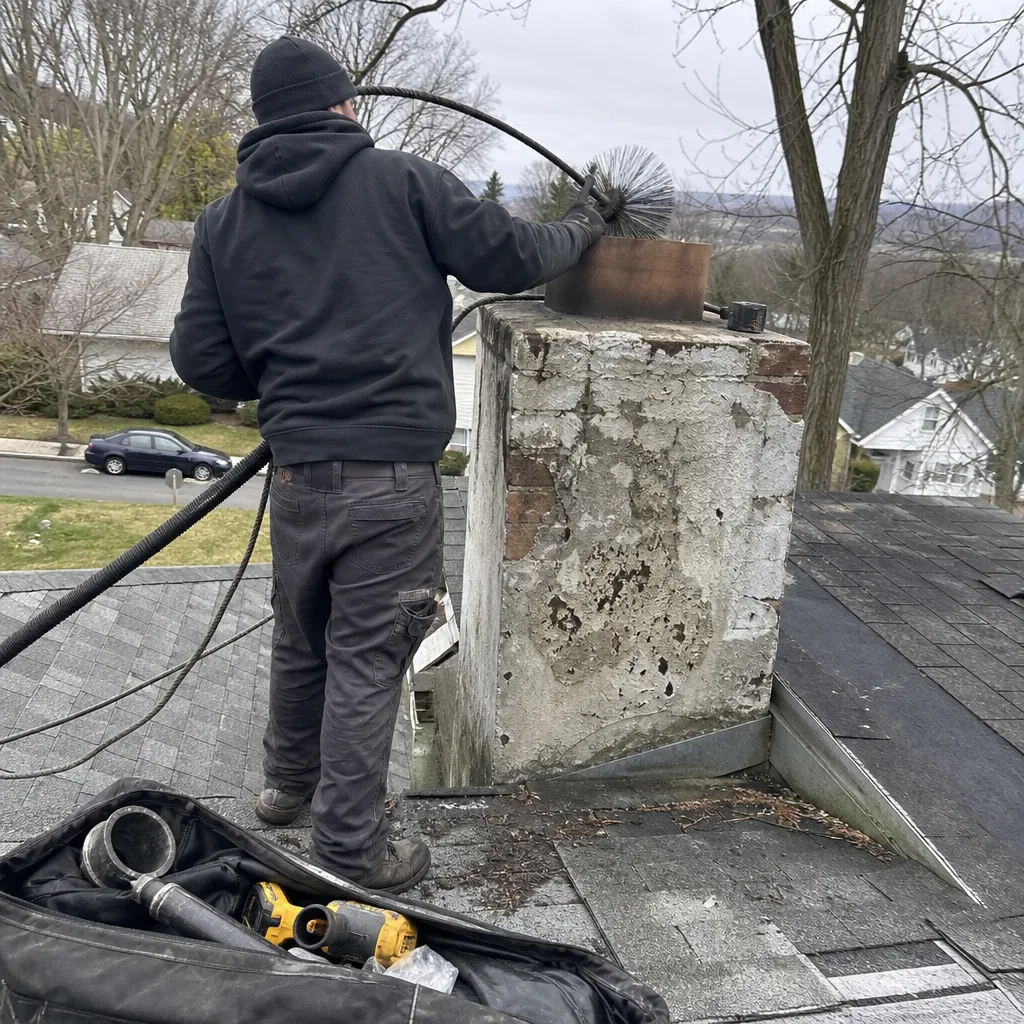 Before
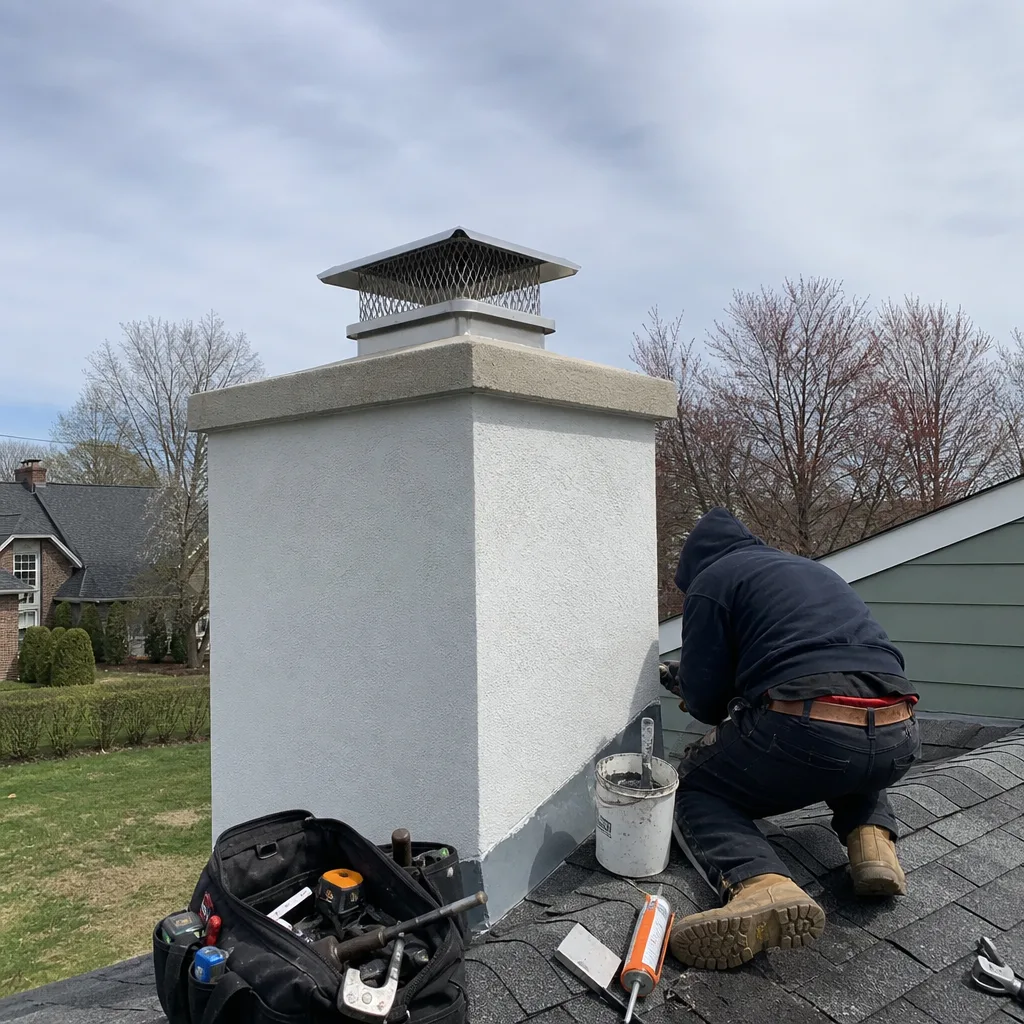 After
AfterHow to Hire a Chimney Cleaning Contractor in Yonkers: A Step-by-Step Guide
Typing “chimney sweep Yonkers” into Google returns a mix of CSIA-certified crews, unlicensed handymen running off ladders, and out-of-county companies routing calls through local 914 and 551 phone numbers. The listings don’t label which is which, and no city office in Yonkers verifies credentials at the point of hire. So you’re left to sort it out yourself. This guide gives you a four-step vetting sequence that works without trusting any company’s own claims, and points you to more guides & resources for ongoing maintenance. You’ll learn how to check certification independently, what must appear in writing before work starts, how to prove a real inspection happened, and which Yonkers-specific red flags send you back to the search results.
Quick Answer
To hire a chimney cleaning contractor in Yonkers, verify CSIA certification independently at csia.org (not on the company’s website), require a written scope of service with a fixed price and no “upon inspection” escalation clause, confirm the inspection includes camera documentation with photo or video files you keep, and check that the company carries liability insurance that covers chimney work in Westchester County. Skip any contractor who quotes over the phone without asking about your liner type, flue height, or fuel source.
Table of Contents
- Step 1: Verify Credentials Independently Before You Call
- Step 2: Get the Three Contract Terms in Writing
- Step 3: Require Camera Documentation, Not a Verbal Summary
- Step 4: Run the Yonkers Red Flag Checklist
- What Chimney Cleaning Actually Costs in Yonkers
- Using Post-Job Documentation as Leverage
- Common Mistakes to Avoid
- When to Call a Professional
- Frequently Asked Questions
- The Bottom Line
BeforeAfterStep 1: Verify Credentials Independently Before You Call
The Chimney Safety Institute of America (CSIA) maintains a searchable directory at csia.org. Type in the company name or the individual sweep’s name. If they appear, note the certification date and expiration date. A certification that expired in 2021 and never renewed tells you something the company’s website won’t. CSIA certification requires continuing education credits to maintain, so an active, current certificate is evidence the sweep has kept up with code changes and inspection standards, not just passed a test once.
Here’s the step-by-step verification sequence we recommend for every Yonkers homeowner:
- Search csia.org by company name and by individual name. The company might be certified while the specific tech assigned to your job is not. Ask for the name of the technician who will arrive, then verify that person separately.
- Check the insurance certificate directly with the carrier. Call the insurance company listed on the certificate of insurance (COI) and confirm the policy is active. Any legitimate contractor will provide a COI on request. Don’t accept a photocopy as verification. Insurance fraud in the chimney trade is more common than homeowners realize, particularly with unlicensed crews working Yonkers’s older housing stock.
- Look up the business entity in the New York Department of State database. Confirm the company is registered and check the filing date. A company that incorporated three months ago but claims “20 years of experience” is telling a story about the founder’s résumé, not the business itself.
- Search Westchester County consumer complaint records. The county’s Department of Consumer Protection logs complaints against home improvement contractors. A pattern of unresolved complaints is disqualifying, regardless of how polished the website is.
We’ve done Level Two Chimney Yonkers home inspections in every part of this city, from Park Hill to Dunwoodie to Crestwood. The credential problem exists because CSIA certification is real but voluntary, and nothing forces a Yonkers contractor to show you proof until you ask. So ask.
Here’s what active CSIA certification means in practical terms: the sweep has trained in the NFPA 211 inspection standard, understands creosote classification, knows how to assess liner condition, and can identify clearance-to-combustible violations. It doesn’t guarantee the sweep will do all that on your job, which is why Step 2 matters.
Step 2: Get the Three Contract Terms in Writing
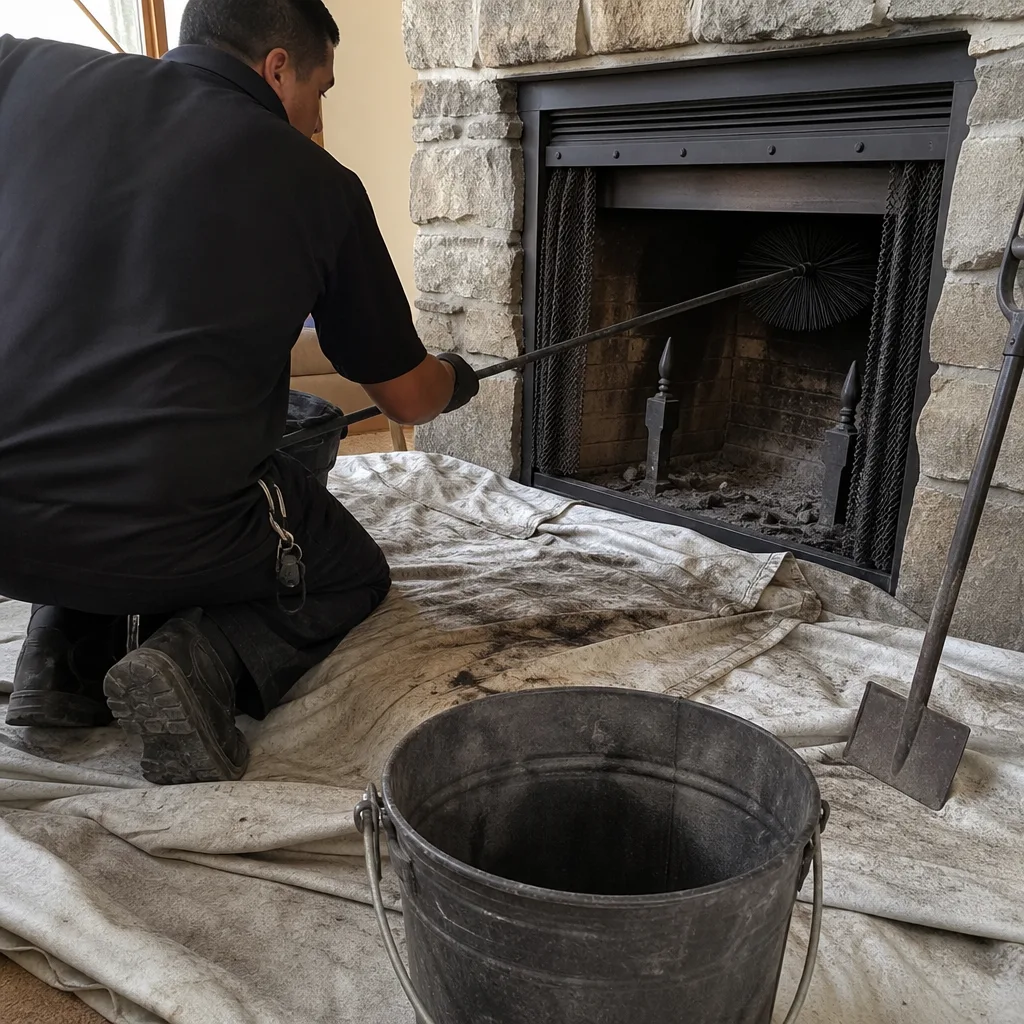
A verbal quote is not a quote. In Yonkers, where many homes date to the 1920s through 1950s and have unlined or clay-tile-lined masonry chimneys, a sweeping job can turn into a liner recommendation quickly. The written contract is what protects you when the scope changes.
Three terms must appear in writing before any work begins:
- Scope of service, itemized. What exactly is being done? “Chimney cleaning” should specify: sweeping of flue, removal of creosote from smoke chamber, cleaning of firebox, inspection of damper, visual assessment of crown and cap. If the chimney serves a furnace or boiler, that should be listed separately from the fireplace flue. Itemized scope prevents the “that wasn’t included” conversation later.
- Price with no escalation clause. The contract should state a flat price. Watch for language like “additional charges may apply upon inspection” or “price subject to findings.” That’s not a price; that’s an opening bid. A sweep who has done this work for years knows what a typical Yonkers chimney costs to clean and can quote it flat. If they can’t, they’re either inexperienced or planning to upsell you.
- Warranty duration with exclusions listed. A warranty that says “we stand behind our work” without a timeline is no warranty at all. The contract should specify the duration (30 days, 90 days, one year, etc.) and list what’s excluded. Exclusions are normal; hidden exclusions are not. A written warranty is what Clause 1 of the Haven Standard requires, and it’s what any reputable Yonkers sweep should offer without hesitation.
Clause 4 of the Haven Standard requires a photo record on every job. We’ll come back to why that matters in Step 3. But the contract requirement is where it starts: if a company won’t put the price in writing before you book, that’s not a company you want in your home, period.
Step 3: Require Camera Documentation, Not a Verbal Summary
A Level 2 inspection under NFPA 211 uses a camera to examine the interior of the flue. Without camera footage or still photos, you have no way to verify the inspection was actually performed. A sweep could shine a flashlight up the flue, announce that everything looks fine, and charge you for a Level 2 inspection that never happened. You’d have no evidence either way.
This is the single most important documentation demand you can make as a Yonkers homeowner. Before the work begins, say this: “I want the camera image set or video file from the inspection, and I want it included in the written report.” A legitimate sweep will say yes immediately. We have been doing this since 2009, with 38,000+ chimneys inspected and cleaned and a documented photo record on every single visit. We don’t charge extra for it, and neither should anyone else you hire.
What the camera documentation shows you:
- Liner condition. Hairline cracks in clay tile liners, missing mortar joints, or a corroded metal liner. These are specific, visible findings, not adjectives.
- Creosote classification. Class I is a light soot layer. Class II is flaky, removable buildup. Class III is hardened, glazed tar. Each has a specific cleaning approach and cost implication. You should see the classification in the report, not just “some buildup.”
- Smoke chamber condition. The space between the firebox and the flue is where heat and gases funnel upward. It’s also where corbeled brick work can trap creosote. Camera footage shows whether this area was even accessed.
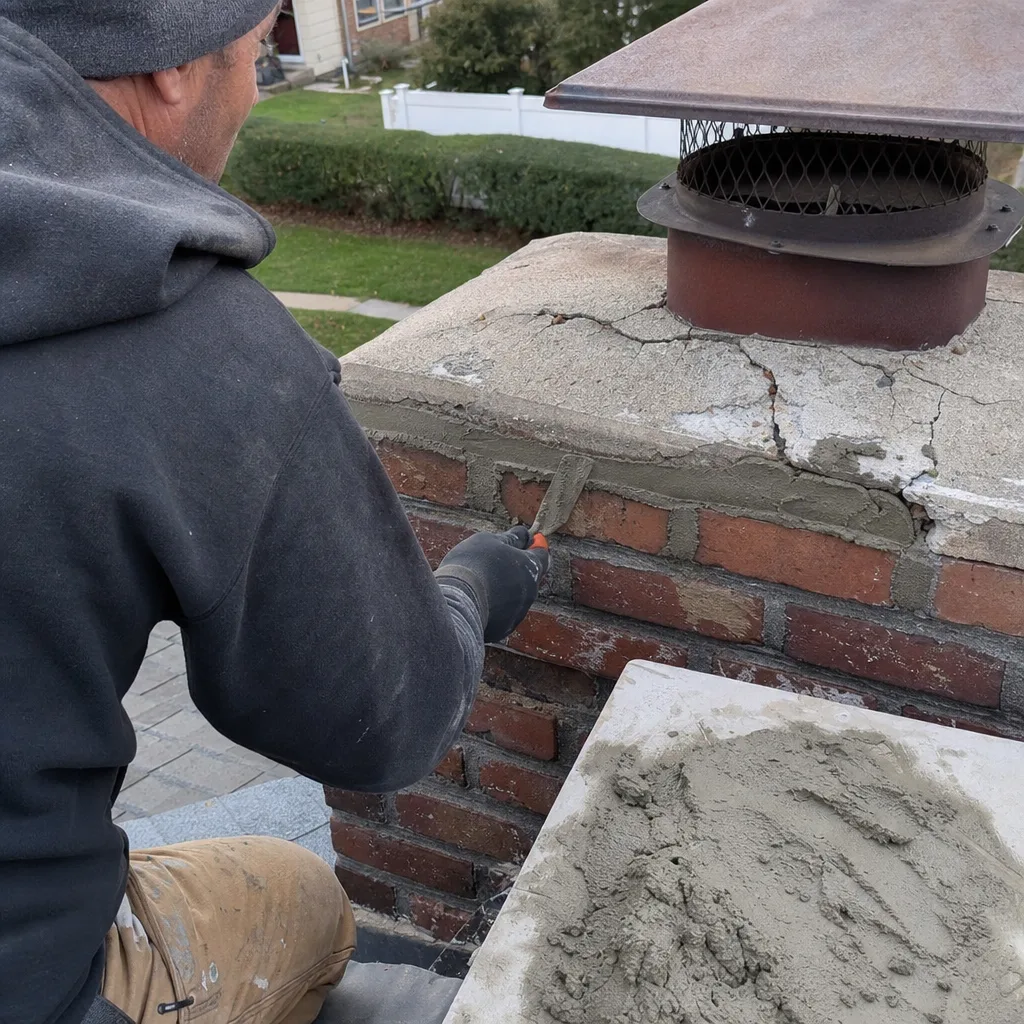
- Cap and crown integrity. From the roof, the camera can document spalling (crumbling brick or crown), missing mortar joints, and rusted caps.
If a Yonkers sweep pushes back on providing camera files, that’s your answer. A company that won’t show its work is hiding something, and “looks good from down here” is not an inspection result. It’s a flashlight and a wave. In Park Hill and Armour Villa, where many homes have original masonry that hasn’t been touched since the Eisenhower administration, the camera doesn’t lie. The tech’s memory does.
Step 4: Run the Yonkers Red Flag Checklist
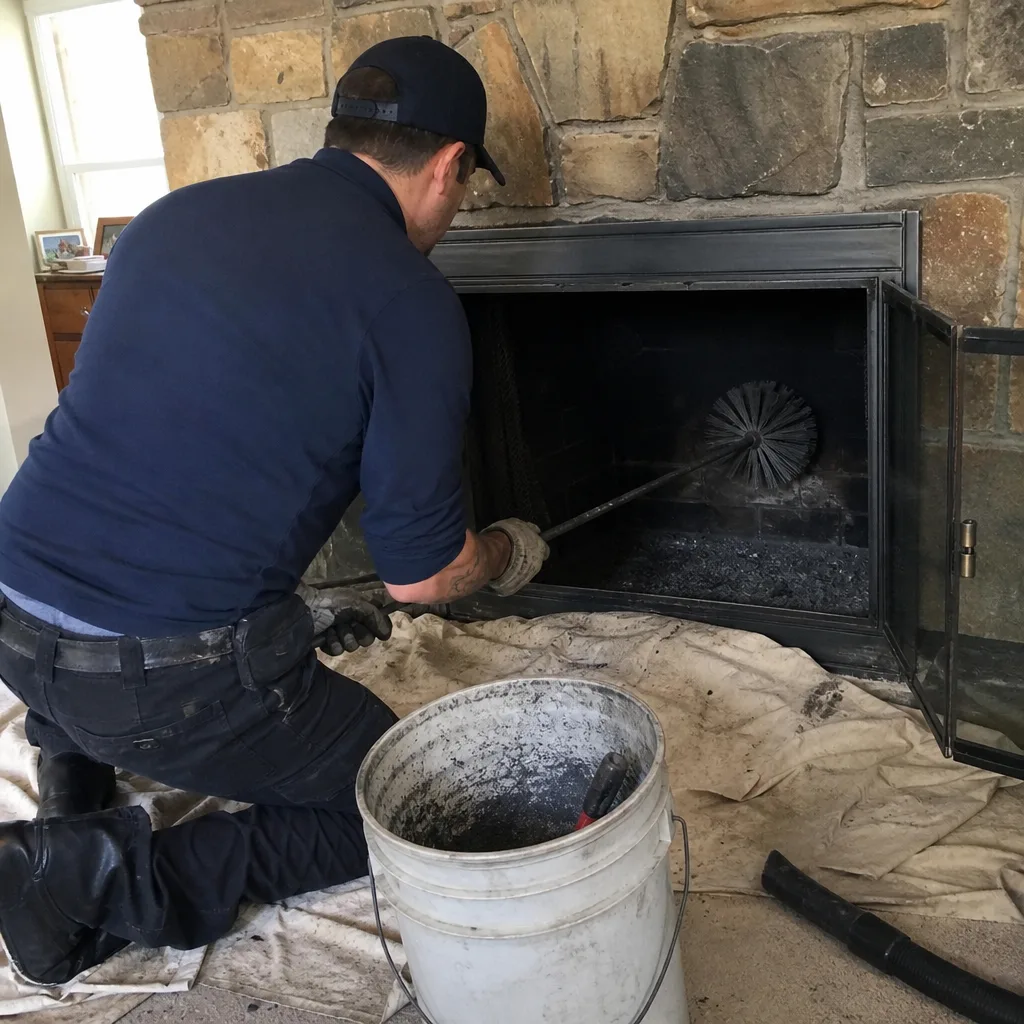
Yonkers has a specific housing profile that makes chimney work different from, say, a 2005 subdivision in Rockland County. This city is dense, hilly, and full of pre-war housing stock. Flues run through brick party walls in the Hollow and through 1930s framing in Lincoln Park. The specific conditions matter. A contractor who doesn’t ask about them before quoting is flying blind.
Before you book, run this checklist:
- Did they quote over the phone without asking about liner type, flue height, or fuel source? A gas furnace flue and a wood-burning fireplace flue are different systems with different cleaning requirements. A sweep who quotes a flat price without knowing what you’re burning either doesn’t care or plans to change the price later. Both are bad.
- Did they skip the written estimate entirely? No written estimate means no contract, no evidence, no enforcement mechanism. Skip them.
- Do they service Yonkers or just answer a Yonkers phone number? Out-of-county companies buy local phone numbers and list Yonkers addresses that don’t exist. When the “tech” arrives, it’s a subcontracted handyman with no relationship to the company you called. Ask: “Where is your office? Can I visit to see your equipment and meet the team?” A real Yonkers chimney company has a real address, not a PO box in Tarrytown.
- Did they mention a “special” or “discount” without being asked? Honest sweeps don’t run specials on flue cleaning. The price is the price. A discount pitch before the inspection is a signal that the upsell is coming after.
- Did they ask about your insurance or mention filing a claim on your behalf? This is a storm-chaser play adapted to chimneys. Walk away.
If a company passes all four steps, you’re probably dealing with a legitimate operation. The rest is about getting documentation you can use later.
What Chimney Cleaning Actually Costs in Yonkers
Chimney cleaning in Yonkers typically runs between $180 and $340 for a standard open-masonry fireplace with one flue-see our Chimney Cleaning Cost Breakdown: The Yonkers Homeowner’s Reference for 2026 for full pricing details. That’s the flat-rate range for sweeping the flue, cleaning the smoke chamber and firebox, and performing a visual inspection of accessible components. If you have a furnace or boiler venting through the same chimney, add $80 to $150 for the second flue. If the sweep finds Class III glazed creosote, expect the price to rise, because that’s a chemical treatment or mechanical removal job, not a standard brushing.
| Service | Yonkers Price Range | Notes |
|---|---|---|
| Standard sweep, one fireplace flue | $180 - $340 | Includes visual inspection of accessible components |
| Second flue (furnace, boiler, or second fireplace) | $80 - $150 additional | Common in Yonkers homes with shared chimney stacks |
| Class III creosote removal | $125 - $250 additional | Chemical treatment or power sweeping required |
| Level 2 camera inspection (standalone) | $150 - $300 | Should be included with cleaning if you ask |
| Chimney cap replacement | $120 - $400 | Stainless steel caps last longest in Westchester weather |
| Chimney crown repair | $250 - $800 | Spalling crowns are common in pre-war Yonkers housing |
| Flue liner installation (stainless steel) | $2,500 - $7,000 | Depends on flue length and roof access; materials from brands like DuraFlex or Copperfield |
These are Yonkers market ranges based on what we’ve quoted and what competitors in southern Westchester charge. We give a written price before any work starts, always. No exceptions. You will never hear “we’ll see when we get up there” from us, because that defeats the purpose of a written price. We also offer a free second opinion on any written estimate: bring us a competitor’s written quote and we’ll tell you honestly whether it’s fair, padded, or missing something.
For more detail on what a Chimney Cleaning & Sweep in Yonkers visit includes, see our service page. The key number to remember is that a standard sweep should land between $180 and $340. If someone quotes $89, they’re either not actually cleaning the flue or they’re using the low number to get in the door. If someone quotes $600 for a standard sweep, they’re overbilling.
Using Post-Job Documentation as Leverage
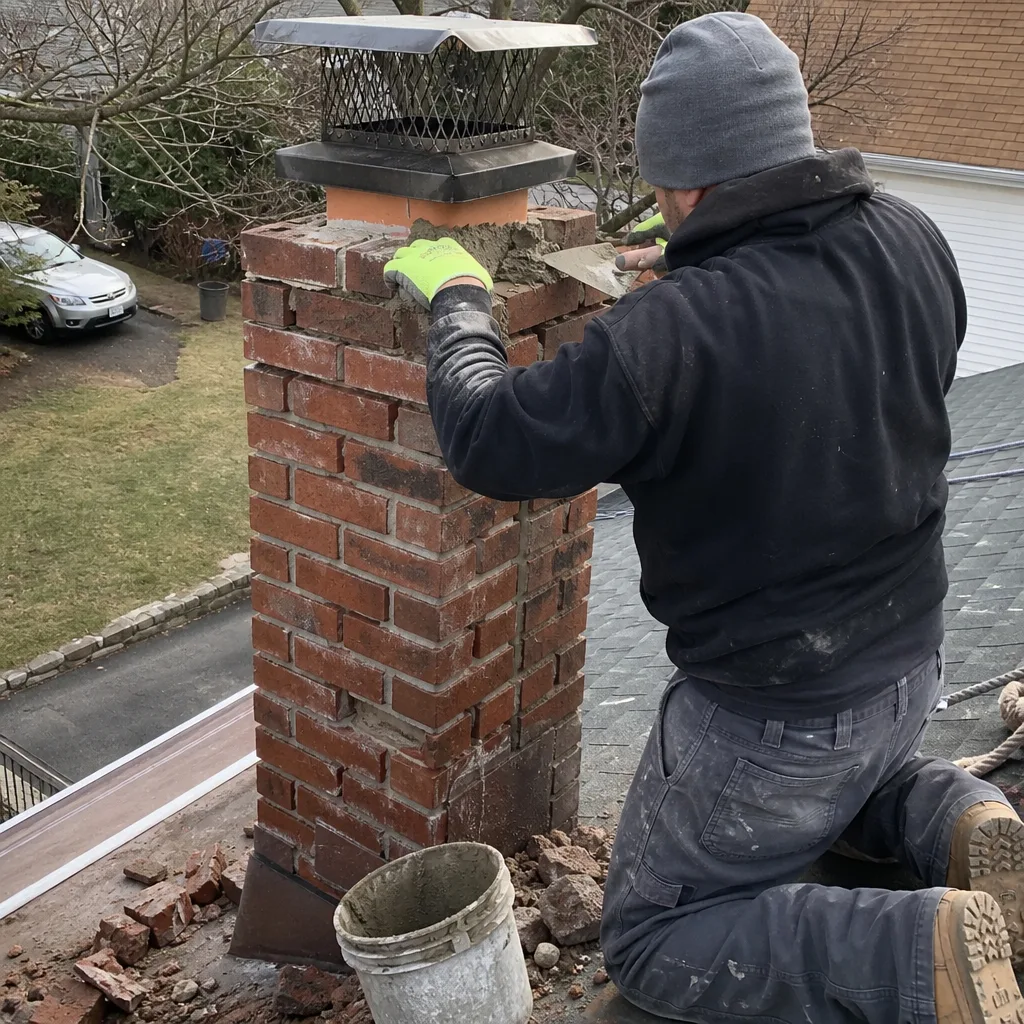
The written report you receive after the job is not a souvenir. It’s evidence. A signed report from a CSIA-certified sweep that documents liner condition, creosote classification, cap integrity, and any recommendations is proof of maintenance that your homeowner’s insurance company and a future homebuyer can rely on.
Here’s how that documentation works for you in three Yonkers scenarios:
- With your insurance company after a chimney fire. If a chimney fire claim is filed and the insurer questions whether the chimney was properly maintained, your documented cleaning history is your defense. “It looked fine” is not a defense. A photo-documented report from a certified sweep is.
- When selling your home. Yonkers buyers in neighborhoods like Park Hill and Lawrence Park are asking for maintenance records during due diligence. A documented chimney inspection and cleaning report is a selling point and a negotiation shield. If the buyer’s inspector flags the chimney, you have evidence it was professionally maintained.
- When negotiating with a contractor who did substandard work. If a sweep did the job and something went wrong, the written report is your leverage. Without it, you’re arguing he-said-she-said. With it, you have a professional’s signed assessment to present to the contractor, the CSIA, your insurer, or small claims court.
This is why we insist on documentation as part of every Chimney Repair in Yonkers and cleaning visit. Clause 4 of the Haven Standard requires it. The 365-Day Done Right Promise means if it’s not done right, we make it right. But “done right” starts with documenting what was actually there in the first place. We have 38,000+ chimneys of documentation behind us since 2009.
Common Mistakes to Avoid
- Trusting the logo on the website. Anyone can copy a CSIA logo onto a website. Verify at csia.org. The certificate number should match, the company name should match, and the expiration date should be current.
- Booking the first company that answers. The best Yonkers sweeps are busy during fall. The ones with empty schedules in October are empty for a reason.
- Paying in full before the work is done. No legitimate chimney company requires full payment upfront. A deposit is normal; 100% upfront is a red flag.
- Accepting a verbal “all clear” without photos. If there is no camera documentation, there is no verification. You’re taking someone’s word for the condition of a fire containment system.
- Ignoring the fuel type question. If you burn wood, your cleaning needs differ from a gas-only chimney. A sweep who doesn’t ask is treating every chimney identically, which means they’re not actually inspecting.
- Skipping the written estimate because “it’s just a cleaning.” A lot of Yonkers chimneys need more than cleaning. When the recommendation comes without documentation, you have no way to assess it. The written estimate is the evidence that protects you.
- Hiring a handyman for liner work. Liner repair and installation is not a ladder job. It requires NFPA 211 knowledge, specific materials (like HeatShield or Gelco ceramic systems), and a permit in many Westchester jurisdictions. A handyman with a caulk gun is not a chimney contractor.
When to Call a Professional
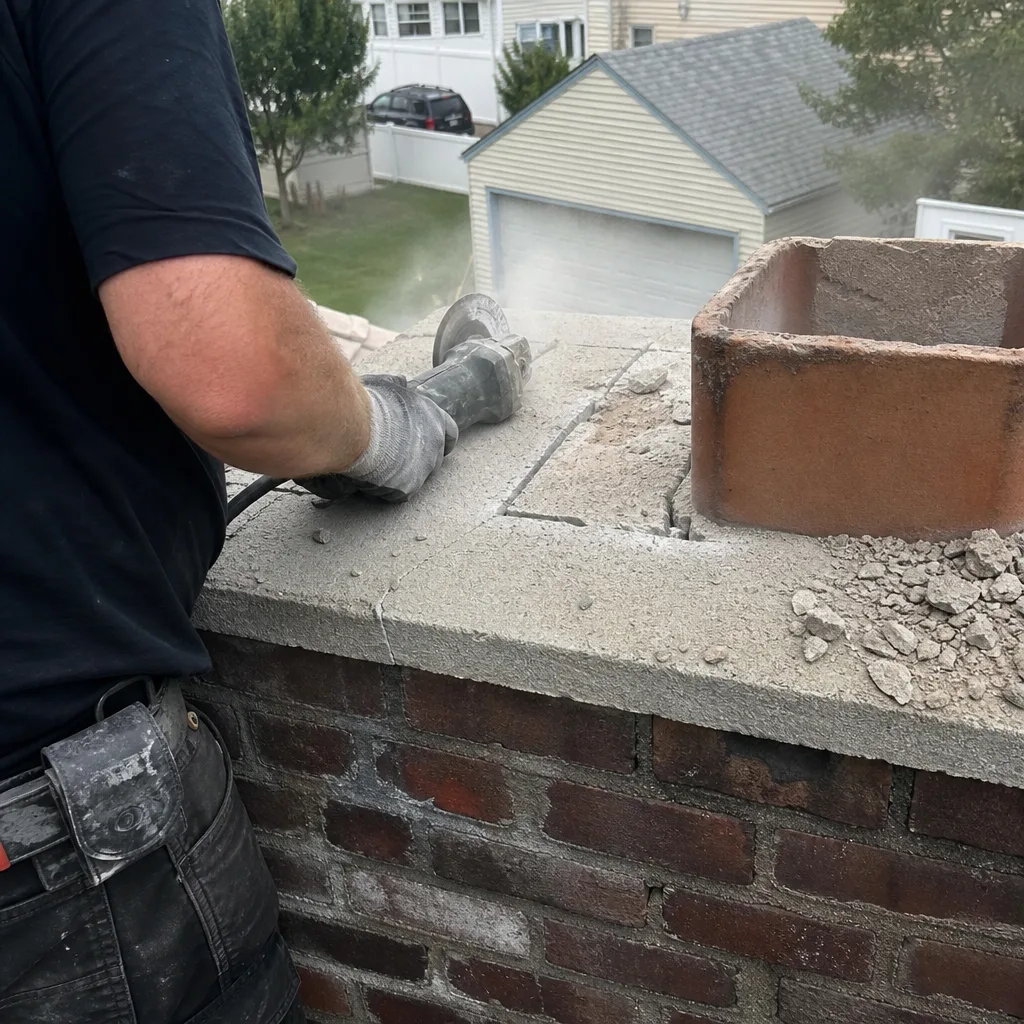
Call a chimney professional if you see white staining on the brick exterior (efflorescence, a sign of water penetration), if you smell a musty or smoky odor from the fireplace in summer, if the damper won’t open or close fully, if you hear falling debris in the flue, or if the last cleaning was more than two years ago and you’ve been burning regularly. If you see smoke entering the room instead of drawing up the flue, stop using the fireplace immediately, open a window, and call a professional. Carbon monoxide exposure from a blocked flue is not a maintenance issue; it’s a hazard that requires immediate attention.
Level Two Chimney Yonkers offers free estimates in Yonkers. Call (551) 212-3526 for a written price before any work starts, with camera documentation included on every visit. Our team can also handle Fireplace Services in Yonkers beyond cleaning, from damper repair to full fireplace restoration.
Frequently Asked Questions
A standard chimney sweep in Yonkers costs between $180 and $340 for one fireplace flue, including cleaning of the smoke chamber and firebox and a visual inspection of accessible components. Second flues, Class III creosote treatment, and camera inspections add to the total. Get the price in writing before booking, and skip any company that won’t provide one. Call (551) 212-3526 for an exact quote; estimates are free.
Go to csia.org, click the “Find a Certified Professional” directory, and search by company name and by the individual technician’s name. Confirm the certification is current and note the expiration date. An expired certification means the sweep has not met continuing education requirements. This verification takes two minutes and should happen before you make the first call.
A Level 1 inspection is a visual check of accessible components with no camera. A Level 2 inspection uses a camera to examine the flue interior and is required when you’re selling a home, changing fuel types, or after a chimney fire in Yonkers or anywhere else. Without camera documentation, you cannot verify a Level 2 was actually performed. Ask for the image files.
The NFPA recommends a chimney be swept when there is 1/8 inch or more of creosote buildup, which for most Yonkers homeowners who burn wood fires regularly means once per year-our Seasonal Chimney Cleaning Care for Yonkers: Year-Round Homeowner’s Guide breaks down the ideal schedule. Gas-only fireplaces can go longer but still need periodic inspection for blockages, liner degradation, and cap damage. If you burn unseasoned wood, you’ll need more frequent cleaning because green wood produces more creosote.
You can purchase a brush kit and run it down the flue, but without a camera inspection, you won’t know what you missed or whether you left creosote in the smoke chamber. More importantly, chimney work in Yonkers often means roof access on steeply pitched roofs, and falls are a serious risk. For the cost of a professional sweep, you get trained access, proper equipment, and a documented record. It’s not a place where DIY saves you money.
Most standard chimney cleaning does not require a permit, but Chimney Cleaning Permits, Codes & Inspections in NY: What You Need to Know explains when they do. Structural repairs, liner replacement, and rebuilds above the roofline may require a permit through the City of Yonkers Building Department, depending on scope. A reputable contractor will know the requirements and handle permitting as part of the written scope. If a contractor tells you “nobody pulls permits for this,” verify with the city directly.
The Bottom Line
Hiring a chimney sweep in Yonkers is a verification exercise, not a trust exercise. Check the CSIA directory independently, get the three contract terms in writing, require camera documentation you can keep, and run the local red flag checklist before you book. The best sweep in Yonkers will pass all four steps without hesitation, because they’ve been doing this work correctly for years and have the documentation to prove it. The rest of them will give you reasons why you shouldn’t ask. That’s your signal to move on.
Written by Corrine Halstead, Owner at Level Two Chimney Yonkers, serving Yonkers since 2009.