
Last updated September 20, 2026
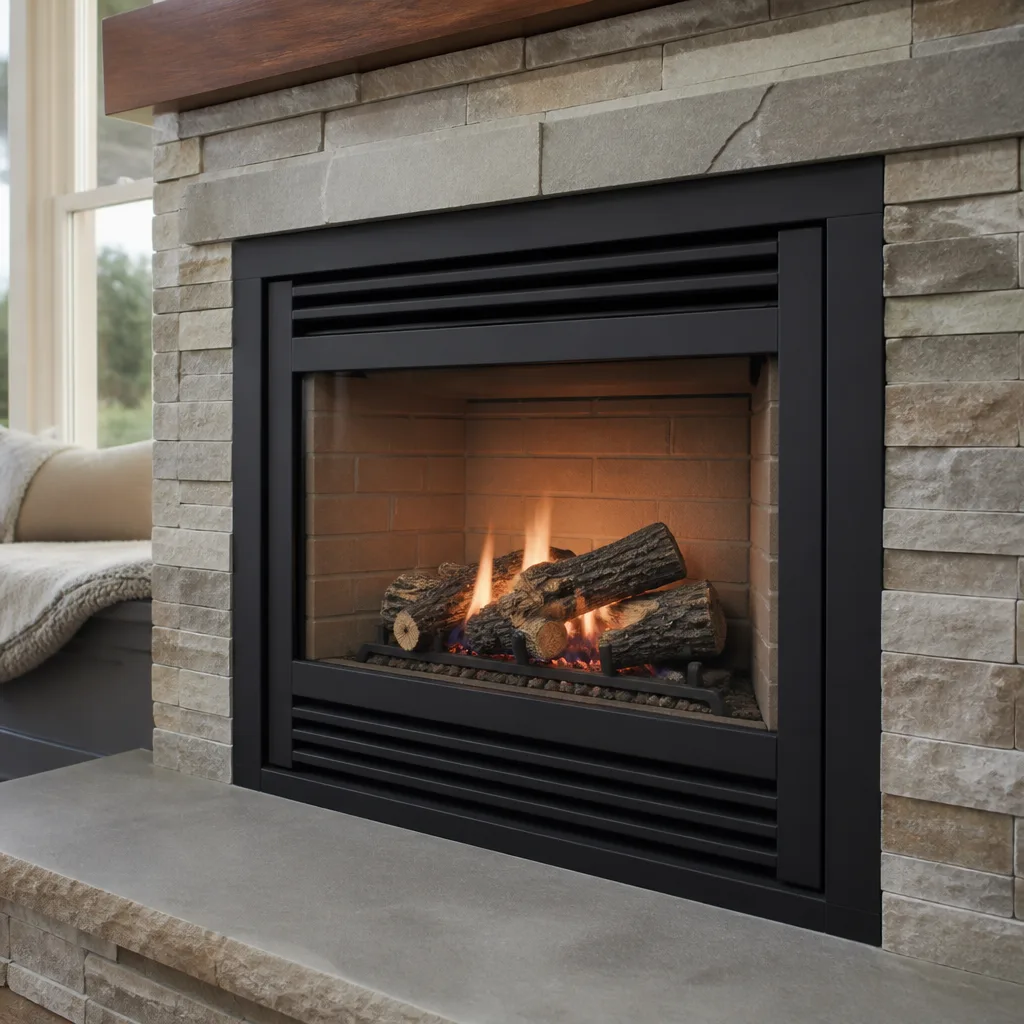
Level 1 sweep and inspection to the NFPA 211 annual standard - flue, crown, cap, and flashing checked and photographed
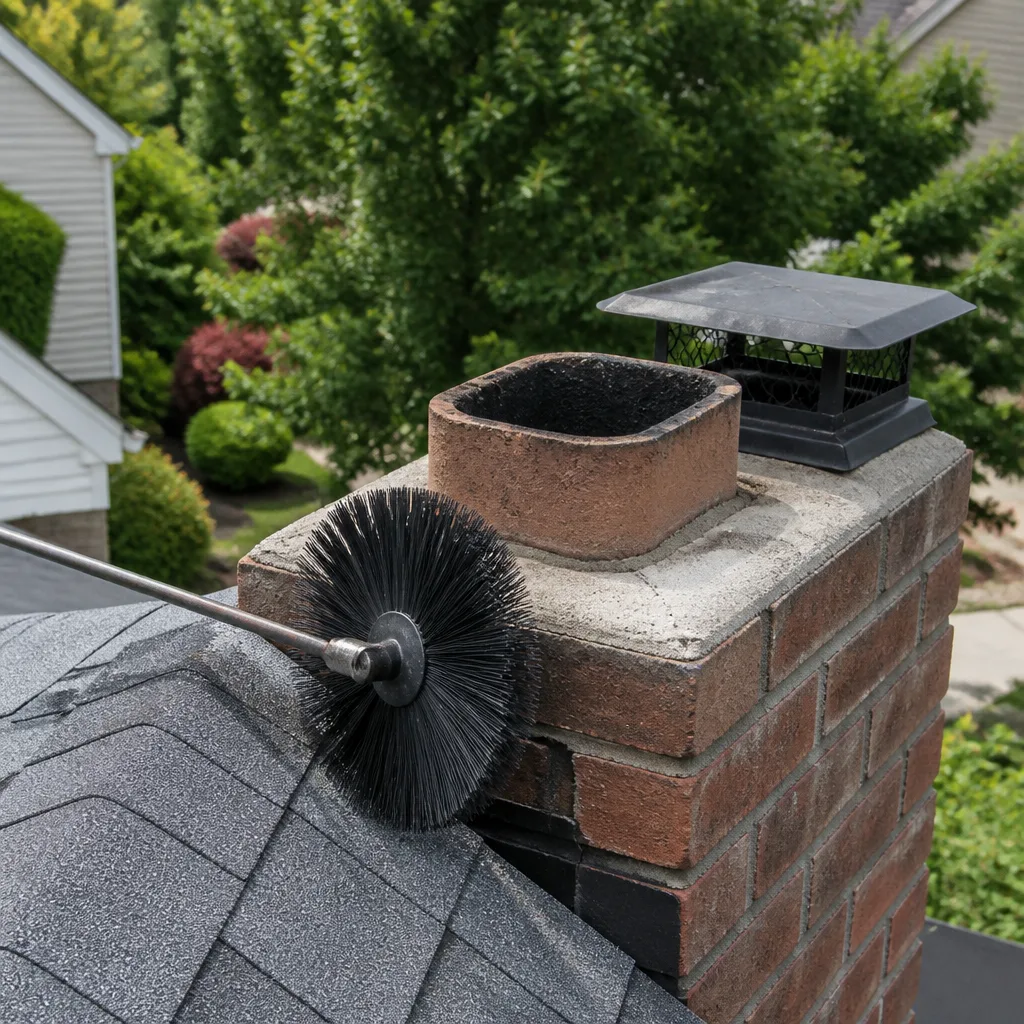
Chimney sweep logs do not sweep chimneys. They loosen some creosote - which then falls where a brush and vacuum still have to collect it.
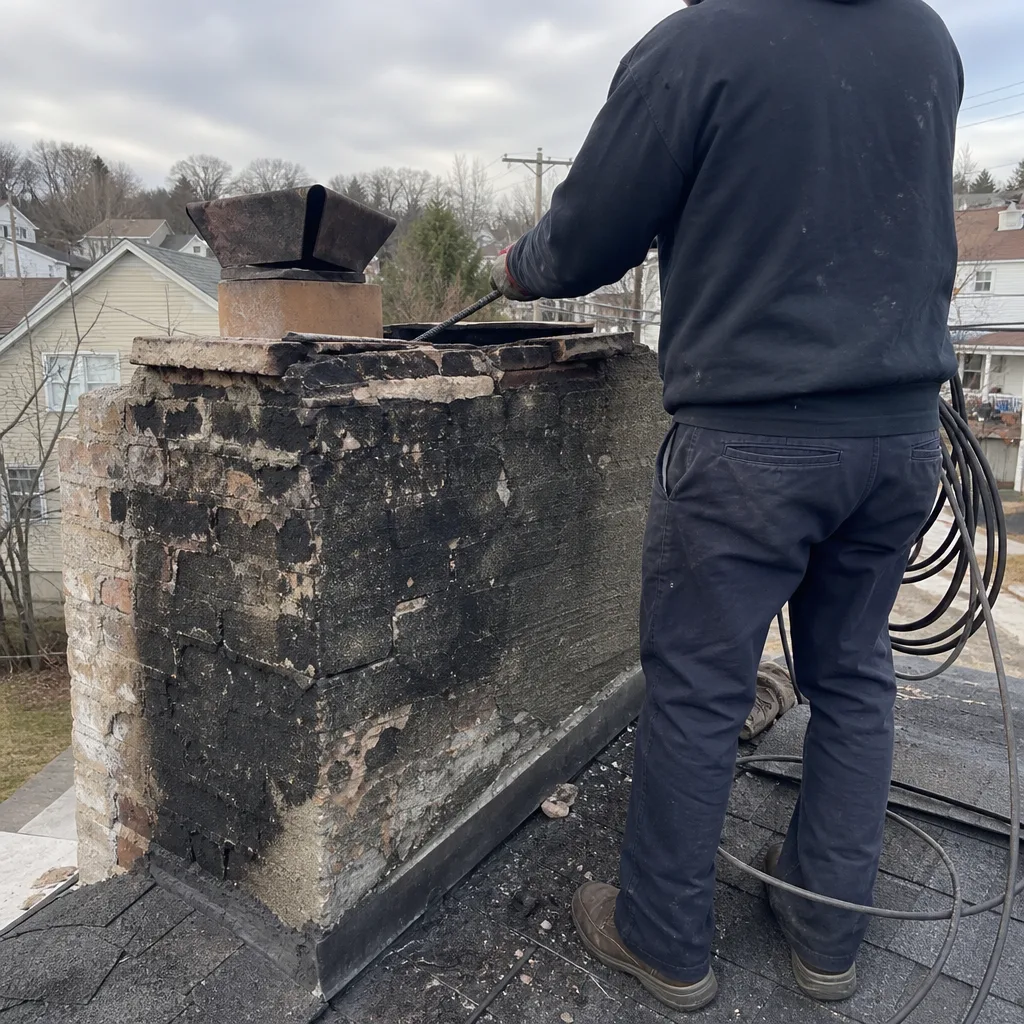 Before
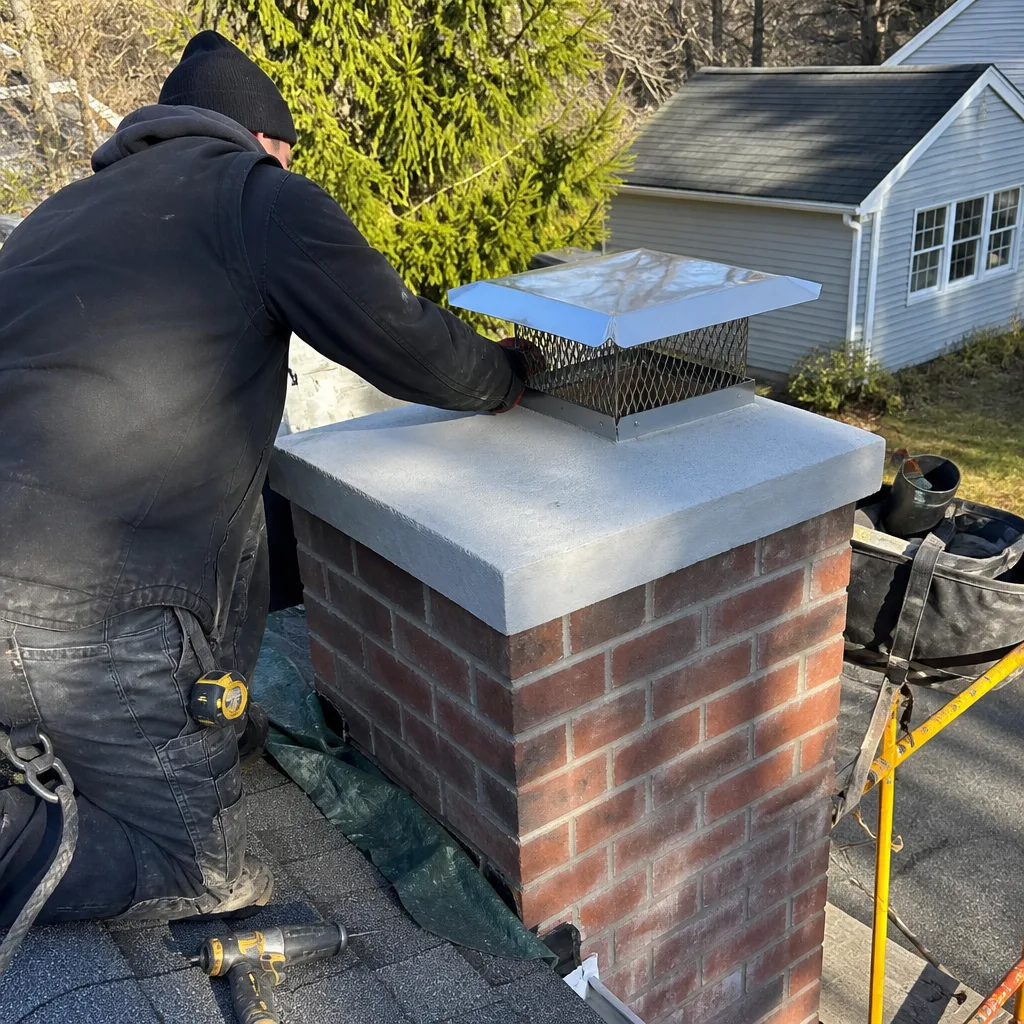 After
After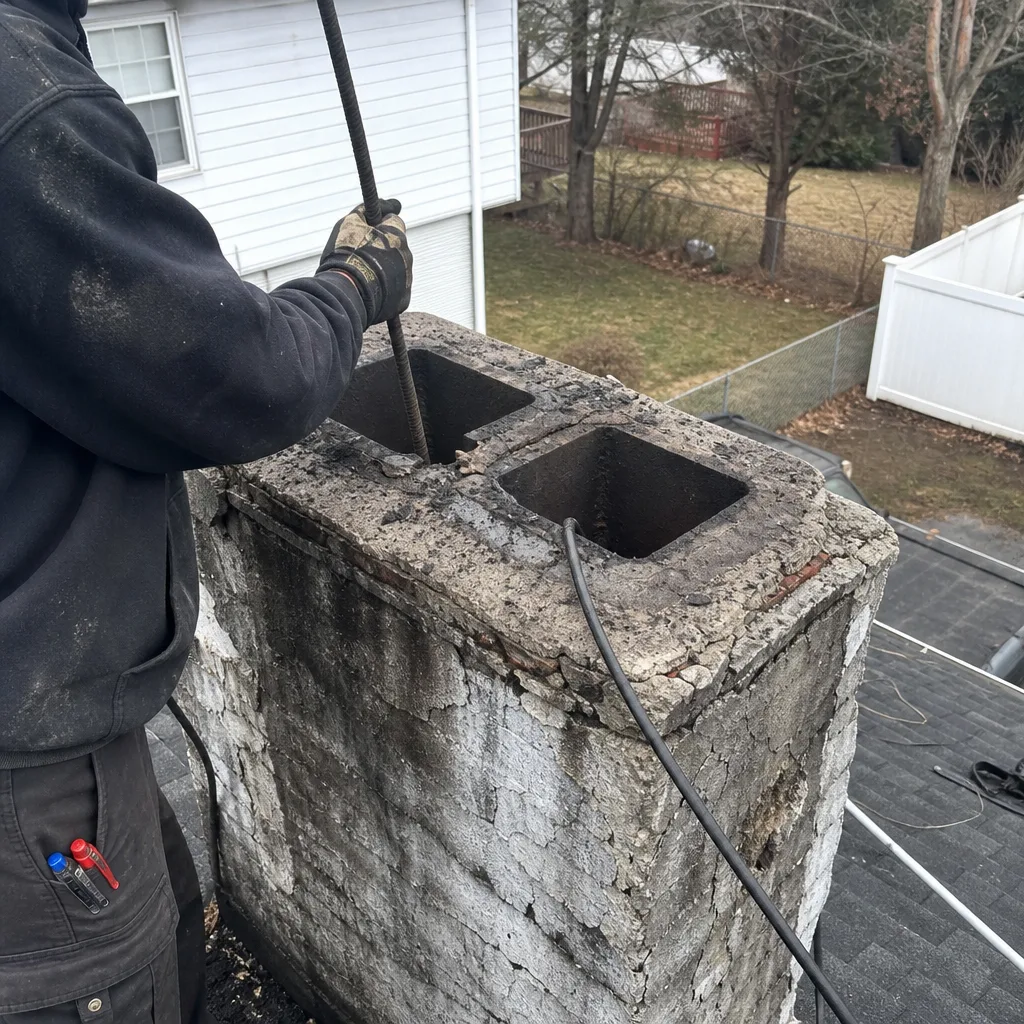 Before
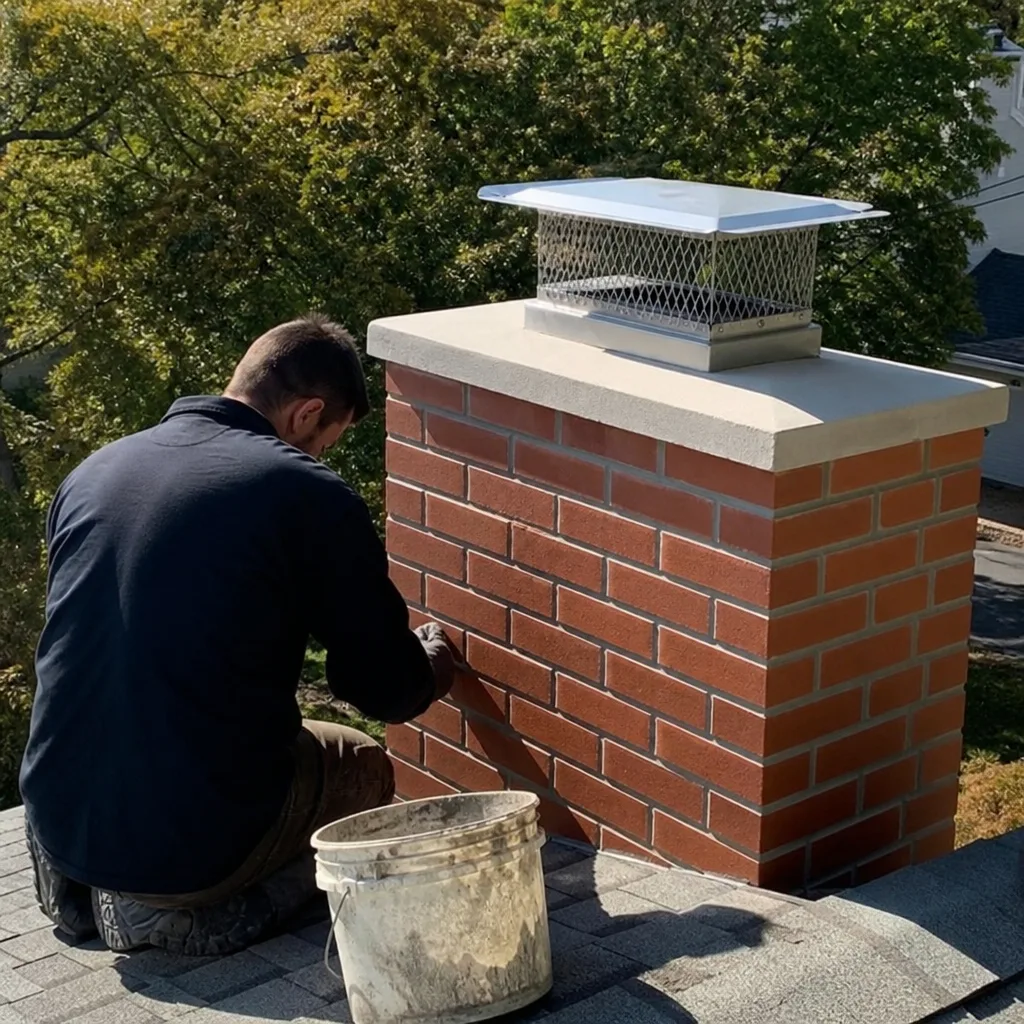 After
After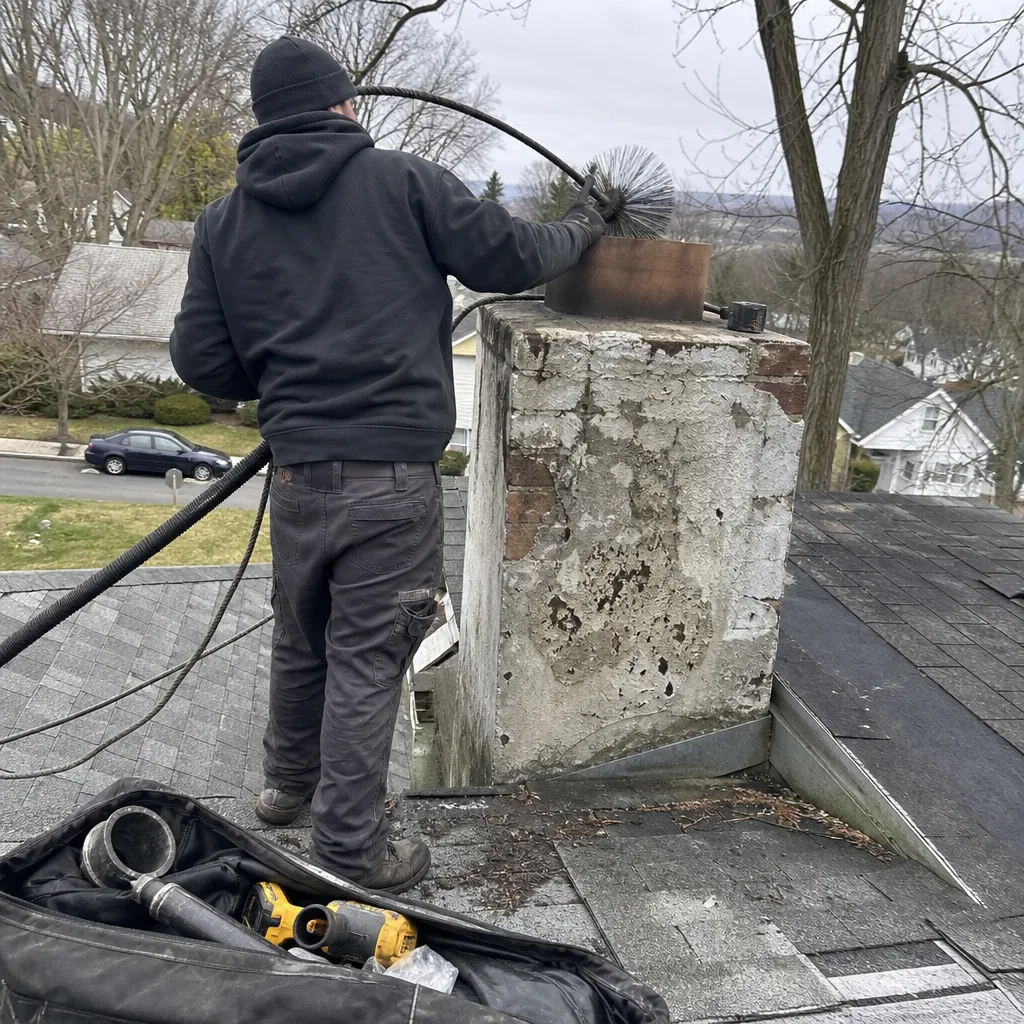 Before
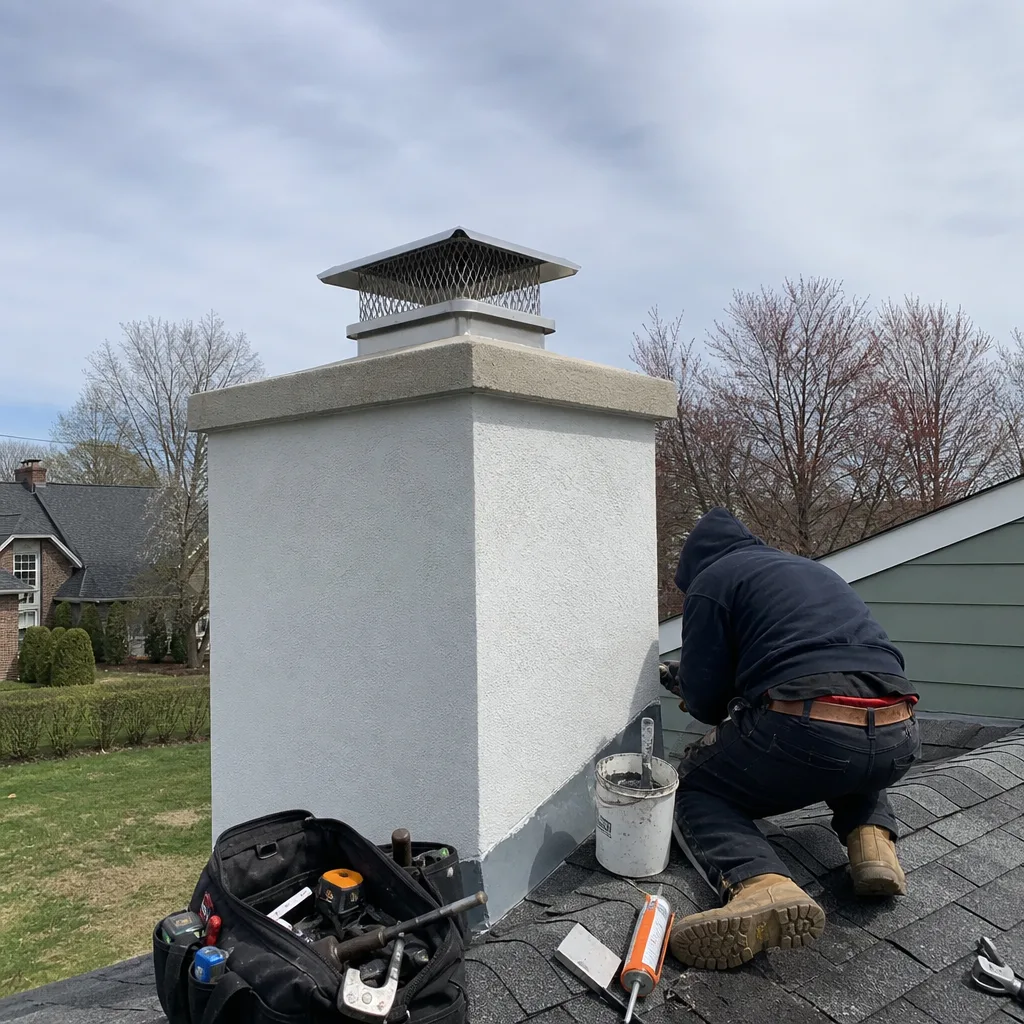 After
AfterThe Complete Guide to Chimney Cleaning in Yonkers
A chimney fire burns at up to 2,000°F and can gut a flue liner in under four minutes. Yet the average chimney sweep visit in Yonkers produces no written record of what was found, meaning the next owner, the insurer, and the fire marshal all start from zero. This guide breaks chimney cleaning into the three distinct layers most companies blur together: sweeping, inspection, and documentation. By the end, you’ll know exactly what each layer should produce, what it should cost in Yonkers, and which questions separate a real inspection from a $99 flashlight special.
Quick Answer
Chimney cleaning in Yonkers typically costs $189 to $329 for a standard sweep and visual inspection, with a full NFPA 211 Level 2 camera inspection adding $150 to $250 when not bundled. The complete service should produce three deliverables: a clean flue with a documented creosote classification, a written condition report with camera stills, and a dated recommendation for the next service. Any company that can’t name what documentation you’ll receive is not providing a verifiable cleaning.
Table of Contents
- The Three Layers of Chimney Cleaning Most Companies Blur
- What Yonkers Housing Stock Means for Your Chimney
- What a Chimney Cleaning Actually Costs in Yonkers
- What a Completed Service Should Produce in Writing
- How to Read NFPA 211 as a Homeowner Checklist
- Clay Tile vs. Cast-in-Place: Why Yonkers Liners Fail Differently
- The Single Question to Ask Before Booking Any Sweep
- Common Mistakes to Avoid
- When to Call a Professional
- Frequently Asked Questions
- The Bottom Line
BeforeAfterThe Three Layers of Chimney Cleaning Most Companies Blur
Most Yonkers homeowners think chimney cleaning is one task. It’s actually three, and each layer has a different deliverable. When a company charges $99 for a “sweep and inspection,” they’re almost always doing the first layer partially, skipping the second entirely, and never mentioning the third exists.
Layer 1: The Mechanical Sweep
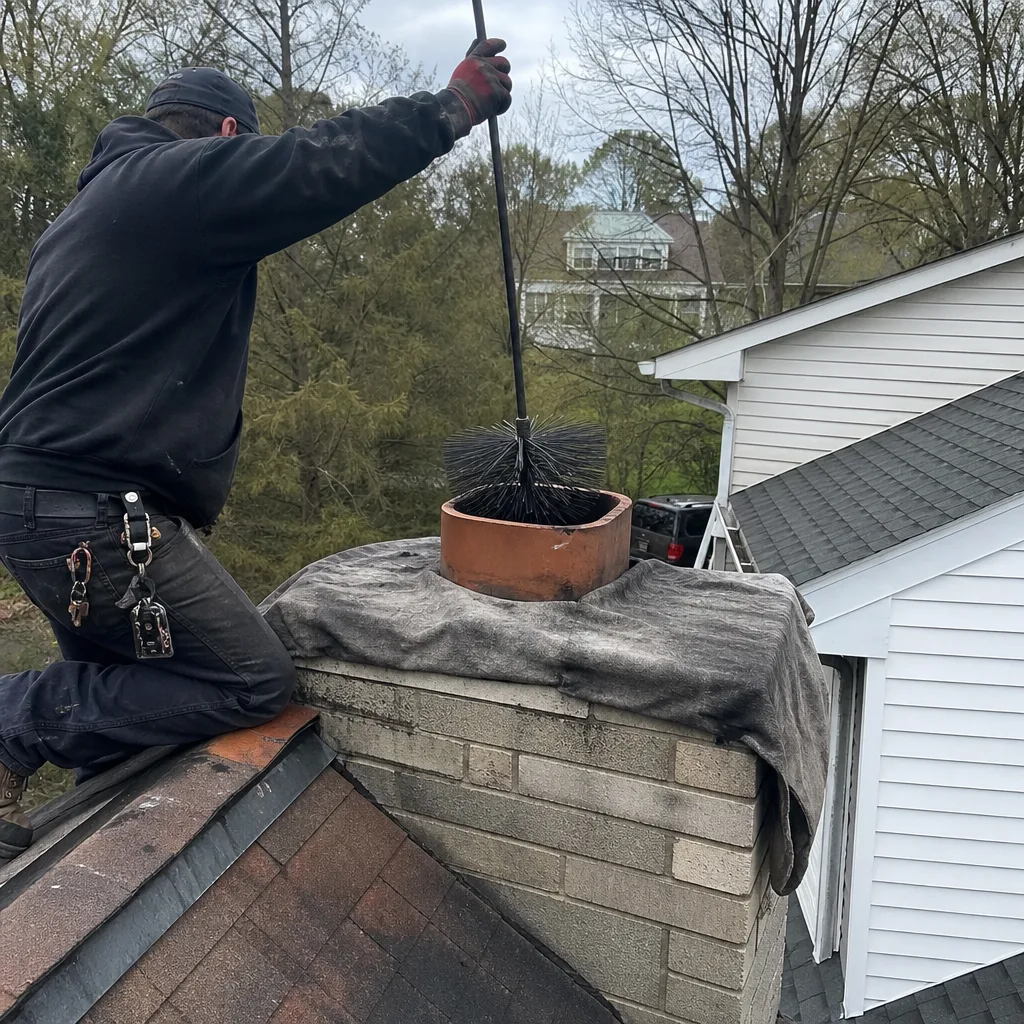
This is what most people picture: wire or poly brushes run through the flue to remove creosote, soot, and debris. A proper sweep should cover the full flue length, the smoke chamber, the damper assembly, and the firebox. The deliverable is a clean flue with a recorded creosote classification.
Creosote is graded by the National Fire Protection Association into three classes. Class I is flaky soot that brushes off easily. Class II is a hardened, tar-like glaze that requires rotary tools or chemical treatment. Class III is a dense, shiny glaze that can ignite at 451°F, and it often requires professional removal methods plus an investigation into why it formed in the first place. Any sweep that doesn’t tell you which class was found hasn’t actually assessed the flue.
Layer 2: The Inspection
Inspection quality varies more than sweep quality. NFPA 211 defines three inspection levels:
- Level 1: Visual inspection of accessible portions using a flashlight. Appropriate when the system hasn’t changed and has been serviced on schedule. This is the bare minimum, and it cannot see into the middle sections of most flues.
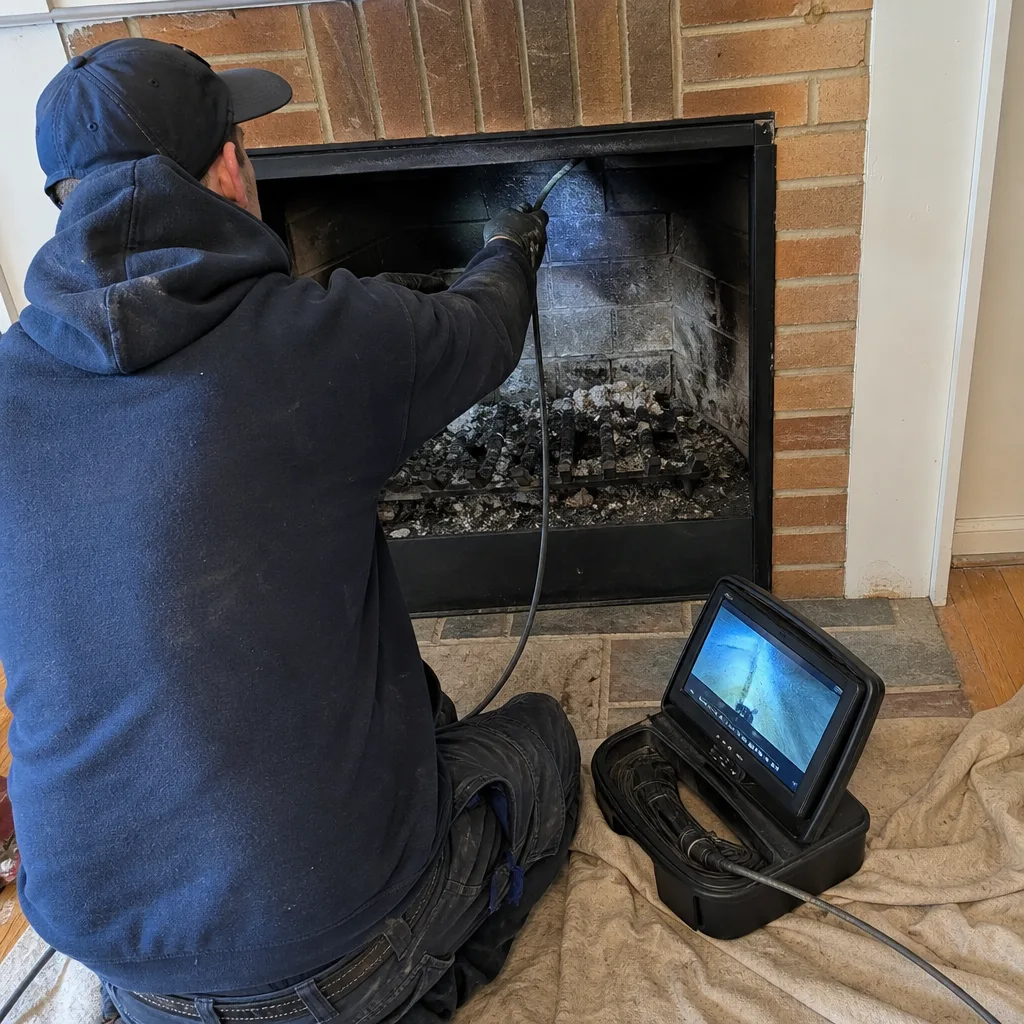
- Level 2: A camera scan of the full flue interior, plus attic, crawlspace, and exterior assessment. Required when the property changes hands, when a new appliance connects to the flue, after a weather event, or after a chimney fire. This is the standard that actually documents the flue’s condition.
- Level 3: Invasive inspection that opens walls or removes masonry to access concealed areas. Rarely needed, but required when a Level 2 suggests hidden damage.
The distinction matters financially. A Level 1 flashlight look at a pre-1960 Yonkers brick chimney will miss cracked tiles, deteriorated mortar joints, and liner separation, which are exactly the conditions that lead to house fires and carbon monoxide intrusion.
Layer 3: Documentation
This is the layer almost everyone skips. Documentation means a written record of what was found, what was cleaned, what condition the flue is in, and when the next service should occur. Without it, you have no proof the chimney was ever maintained.
In Yonkers, where multi-family properties and rental units are common, documentation also transfers liability. A landlord who cannot show a written service record after a chimney fire is in a very different legal position than one who can. Homeowners selling are in the same position. The buyer’s insurer may ask for proof of maintenance, and without it, coverage for the fireplace system can be denied.
Level Two Chimney Yonkers made camera-scan documentation the default on every job in 2009, years before insurers or regulators asked for it. That practice became Clause 4 of the Haven Standard, which requires a documented photo record on every visit. It’s why every completed job here produces a written report with camera stills, not a verbal summary.
What Yonkers Housing Stock Means for Your Chimney
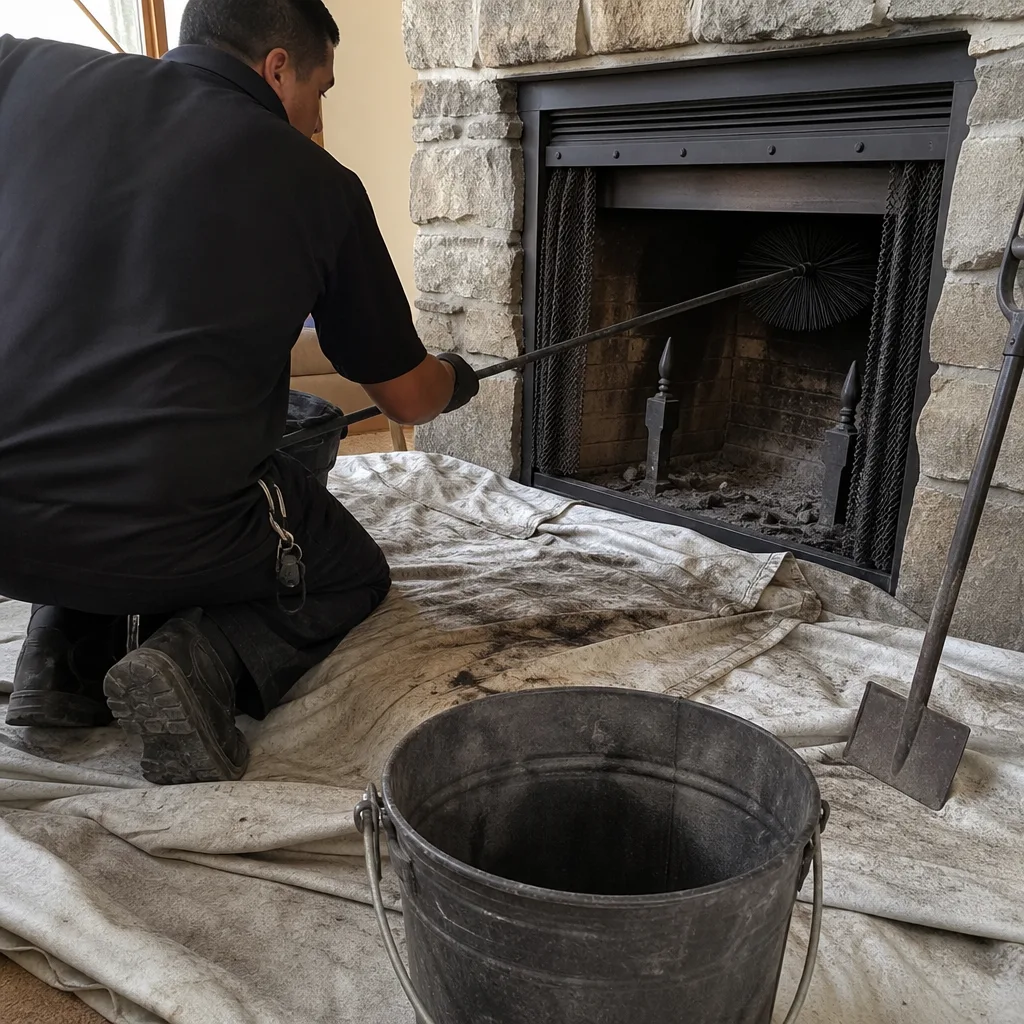
Yonkers has some of the oldest housing stock in Westchester County, and that changes what a chimney cleaning needs to accomplish. The city’s core neighborhoods, including Getty Square, Park Hill, Ludlow, and the Hollow, contain tens of thousands of homes built before 1960. Many of those chimneys were built with clay tile liners, and many of those liners are now at or beyond their expected service life of 50 to 60 years.
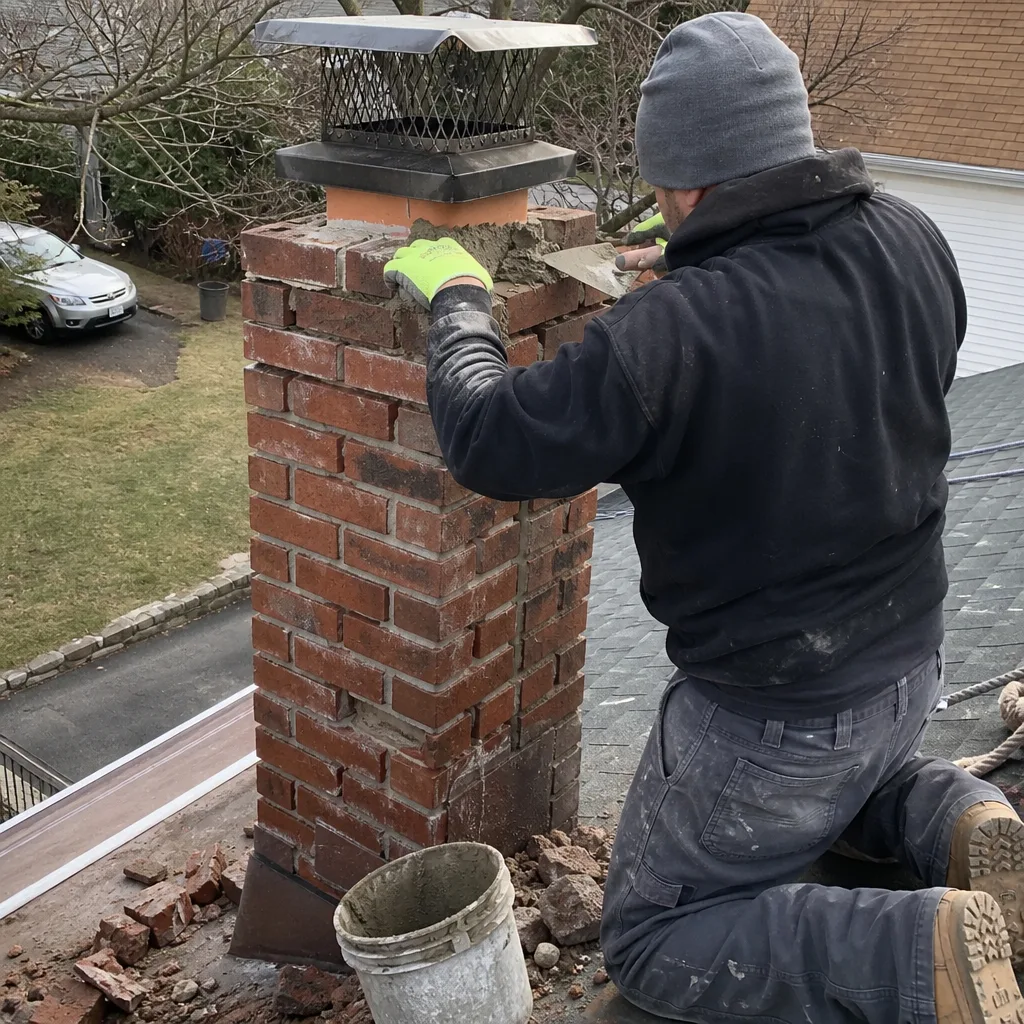
Pre-1960 brick construction also often means mortar that was mixed on site with local sand, which weathers unevenly. Spalling, the flaking or crumbling of brick face due to moisture penetration, is common in these homes. A sweep in a pre-war Yonkers chimney should spend as much time looking at the mortar joints and crown condition as they do removing creosote, because the two problems compound each other: moisture intrusion accelerates creosote formation, and creosote holds moisture against the masonry.
Oil-to-gas conversions are another Yonkers-specific factor. Several thousand homes in this city converted from oil heat to natural gas between the 1990s and today. Gas flues run cooler than oil flues, which changes the chemistry inside the chimney. The lower exhaust temperature allows water vapor to condense inside the flue, and that acidic condensate attacks clay tile and mortar over time. A chimney that was stable for decades under oil can deteriorate rapidly after a gas conversion. Our chimney repair work in Yonkers frequently starts with a homeowner noticing a sulfuric smell after conversion that turns out to be flue deterioration.
Multi-family buildings present their own challenge. A single flue may serve multiple units, which means multiple fireplaces, multiple boilers, or both. These systems require more frequent attention, and the documentation matters more. The owner, the tenant, and the insurer all need to know what was found.
What does this mean for a cleaning? Pre-1960 chimneys in Yonkers should almost always receive a Level 2 camera inspection, not a Level 1 visual, because the failure modes in older clay tile are internal and invisible without a camera. A brush sweep alone tells you nothing about whether the liner is still intact.
What a Chimney Cleaning Actually Costs in Yonkers
Yonkers pricing is not uniform, but the range is knowable. Here’s what we see across the market:
| Service | Typical Yonkers Range | What It Should Include |
|---|---|---|
| Standard sweep with Level 1 inspection | $189 – $269 | Brush sweep, damper check, visual inspection, creosote classification |
| Sweep with Level 2 camera inspection | $349 – $529 | Everything above, plus full camera scan, written report, stills or video |
| Creosote Class II/III treatment | $175 – $350 add-on | Chemical or rotary treatment, post-treatment camera confirmation |
| Chimney cap installation | $95 – $225 plus cap | Cap, mounting, sealant, photo documentation |
| Liner evaluation and resurfacing review | $0 with Level 2 | Honest assessment, not a pressure quote |
Beware the $99 sweep advertised on coupons. In Yonkers, that price almost always leads to a “recommended” repair the company cannot document. Sometimes the repair is legitimate, but you cannot verify it without camera evidence. If you’re handed a quote for a liner or crown repair during a $99 visit, ask to see the camera stills. If none exist, get a second opinion.
Level Two Chimney Yonkers quotes a written price before any work starts, and it’s the same price whether you found us through a coupon, a referral, or a search. Clause 1 of our Haven Standard requires a written price, a written scope, and a written warranty before anyone touches your chimney. We also offer a free second opinion on any written estimate you bring from another company.
What a Completed Service Should Produce in Writing
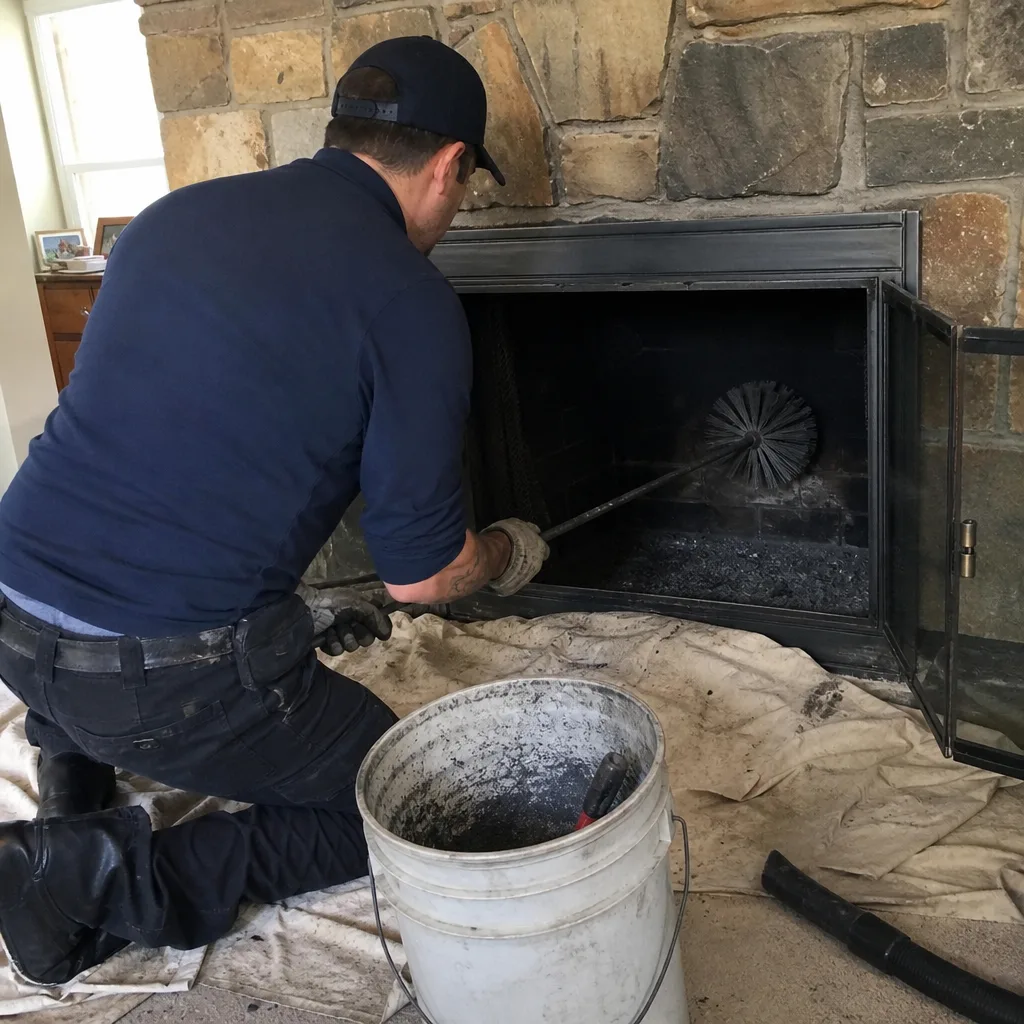
When the technician walks back down the ladder or out of the hatch, you should not be left with a verbal summary. Here is the minimum written record any completed chimney cleaning in Yonkers should produce:
- A creosote classification: Class I, II, or III, written on the report. If the tech says “it was pretty dirty,” ask for the classification. It’s a defined standard from NFPA 211.
- Camera stills or video: At least four to six images showing the flue before and after cleaning. For a Level 2, that means the full flue length, the smoke chamber, the damper assembly, and the crown.
- A written condition report: Not just “looks good.” It should describe the liner material, note any cracks or deterioration observed, describe the crown and cap condition, and note any water staining or spalling on the exterior masonry.
- A next-service recommendation with a date: NFPA 211 recommends annual inspection and cleaning as needed, but a good report says “next service by October 2026” as a specific window.
- A written warranty: If any repair or installation was recommended and accepted, the warranty terms must be on paper before you pay. Not “we stand behind our work.” Paper, with dates and scope.
This is Clause 4 of our operating standard. Every completed job at Level Two Chimney Yonkers includes a documented photo record, and it has since 2009. We’ve completed more than 38,000 inspections and cleanings in that time, every one with a written price before work started and a documented record when it was done. If a company in Yonkers cannot name the documentation you’ll receive, assume you’ll receive none.
How to Read NFPA 211 as a Homeowner Checklist
NFPA 211 is the National Fire Protection Association standard for chimneys, fireplaces, vents, and solid fuel burning appliances. It’s written for professionals, but it translates into a homeowner checklist that takes about three minutes to understand.
Here’s what matters to you:
- Inspection frequency: The standard says chimneys should be inspected at least once per year for solid fuel appliances. “Cleaning” frequency depends on use: NFPA recommends cleaning when creosote buildup reaches 1/8 inch, which for a home burning a cord of wood per season in Yonkers typically means once per year with a fall sweep.
- Inspection levels: Level 2 is required when the property is sold or transferred, when a new appliance connects to the flue, after a chimney fire, or after structural changes like a new roof. If you bought your Yonkers home in the last decade and have no record of a Level 2, one has probably never been done.
- Clearances: The standard requires specific distances between the chimney and combustible material. In older Yonkers homes, the framing around the chimney may not meet current clearance requirements. A Level 2 inspection checks this in the attic and floor penetrations, which a Level 1 does not.
- Appliance connections: If your boiler or water heater vents into the chimney, that connection must be inspected. In multi-family Yonkers buildings, this is where we find the most problems: disconnected flue pipes, corroded joints, and improperly sized connectors.
The takeaway: NFPA 211 is not a suggestion. Insurers reference it when evaluating claims, and courts reference it in liability disputes. A homeowner who documents annual inspection and cleaning per NFPA 211 has a very different position than one who doesn’t.
Clay Tile vs. Cast-in-Place: Why Yonkers Liners Fail Differently
Yonkers chimneys split into two main liner categories, and each fails in its own way. Knowing which you have changes what a sweep should look for and how the cleaning should be done.
Clay tile liners dominate pre-1980s construction. Individual tile sections are stacked and mortared as the chimney is built. They’re durable under heat but vulnerable to three things: water intrusion, thermal expansion cracking, and acidic condensate from gas appliances. When a clay tile cracks, the gap exposes the brick structure behind it to heat and moisture. The failure is progressive: one cracked tile admits moisture, moisture expands and contracts with freeze-thaw cycles, more tiles crack, and eventually the liner is compromised along a significant section.
The cleaning implication: aggressive rotary brushes can further damage a deteriorated clay liner. A sweep should assess the liner’s integrity before choosing tools, which is another reason the camera comes first.
Cast-in-place liners are installed as a liquid that cures into a seamless, continuous flue. They’re common in Yonkers as a retrofit on older homes, and they solve the joint failure problem of clay tile. But they can fail at the top section where they meet the crown, and at appliance connections where the liner meets the flue collar. A cast-in-place liner also must maintain proper wall thickness, and a camera scan measures this visibly.
We use materials from Olympia Chimney and DuraFlex when relining is required, and the liner choice matters because it affects pressure, draft, and appliance compatibility. A liner rated for wood stoves is not automatically correct for a gas boiler.
For a fireplace system in Yonkers, the relevant question during a cleaning is simple: is this liner intact, and is it the right liner for what’s burning in here right now? A good report answers both in writing.
The Single Question to Ask Before Booking Any Sweep
Here is the question that separates companies: “What documentation do I receive when the job is complete?”
A legitimate company answers immediately. They’ll tell you the report format, whether you get camera stills or video, what the written condition summary includes, and how long you’ll keep access to the records. If they hesitate, if they say “you’ll get a receipt,” or if they tell you the tech will “explain everything before he leaves,” that’s an answer, and it’s not a good one.
In Yonkers, where chimneys vary so much by age and fuel type, written documentation is not an upgrade. It’s the core product. A cleaning that produces no record did not really happen in any verifiable sense.
Level Two Chimney Yonkers answers the question this way: every job produces a written report with camera stills, a creosote classification, a condition assessment, and a dated next-service recommendation. It’s Clause 4 of our Haven Standard, and it’s been our operating practice since 2009.
Common Mistakes to Avoid
- Booking the cheapest coupon sweep without asking about documentation. The $99 version in Yonkers produces no written record, no camera images, and often no liability protection. You save $100 and lose the only evidence that the work happened.
- Skipping the Level 2 inspection on a home you bought recently. If you bought a pre-1980 home in Yonkers in the last five years and have no camera record of the flue interior, you have not actually verified that the chimney is safe to use.
- Ignoring an oil-to-gas conversion. Gas exhaust changes flue chemistry. If your Yonkers home was converted from oil, schedule a Level 2 inspection even if you’ve cleaned annually. The liner may be degrading in ways a brush sweep won’t reveal.
- Accepting a repair recommendation without camera evidence. A verbal “your liner is cracked” from a $99 sweep should trigger a request for still images. No images, no repair. Get a second opinion.
- Storing records in one place. Keep a digital copy of every cleaning report, warranty, and repair invoice. When you sell the home in Yonkers, your documentation transfers liability and value along with the deed.
- Waiting until fall to book. October and November are booked solid across Yonkers. A sweep can be scheduled any time, and doing it in spring or summer lets you address any findings before you need the fireplace.
- Treating annual cleaning as optional for gas fireplaces. Gas systems produce less creosote, but venting problems, corrosion, and debris buildup still occur. Annual inspection remains the NFPA 211 baseline.
When to Call a Professional
Chimney cleaning is not a DIY project. The flue interior is inaccessible without specialized tools, and the failure modes, from creosote fire to carbon monoxide backdraft to structural liner collapse, are not visible from the firebox. Professional cleaning includes inspection of areas homeowners cannot safely reach: the crown, cap, upper flue, and roof chase.
Call a professional if you notice any of these: fireplace odors in warm weather, visible smoke spilling into the room, a sticky or shiny black residue on the damper or firebox walls, water staining near the chimney, or if you simply cannot remember when the chimney was last inspected. Also call before buying any home in Yonkers with a fireplace. Level Two Chimney Yonkers offers free estimates in Yonkers, call (551) 212-3526.
Frequently Asked Questions
A standard sweep with Level 1 inspection in Yonkers runs $189 to $269, while a sweep with a full NFPA 211 Level 2 camera inspection typically costs $349 to $529. The price difference is the camera work and written documentation. Call (551) 212-3526 for a written quote before any work begins.
NFPA 211 recommends cleaning when creosote buildup reaches 1/8 inch, which for most Yonkers homes burning a cord or more of wood per season means once per year, ideally in spring or summer before fall demand peaks. Gas-only chimneys can go longer between sweeps but still need an annual inspection.
Not always. Many liner replacement recommendations in Yonkers are legitimate in older homes with deteriorated clay tile, but some are upsells from low-cost sweeps using scare tactics. Require camera stills showing the damage before accepting any liner quote, and get a second opinion on any estimate over $500. We offer a free second opinion on any written estimate.
Skipped cleanings allow creosote to build, and Class II or III creosote can ignite at temperatures as low as 451°F, burning at up to 2,000°F inside the flue. A chimney fire can crack liners, ignite roof framing, and is the most common cause of chimney-related house fires in Yonkers. Call (551) 212-3526 to schedule before the burning season.
A Level 1 is a visual flashlight inspection of accessible areas, suitable when the system is unchanged and has been maintained on schedule. A Level 2 is a full camera scan of the flue interior plus attic, crawlspace, and exterior assessment, and it is required after property transfer, appliance changes, or chimney fire. We include Level 2 camera documentation on every job.
Yonkers generally follows New York state code and NFPA 211, with local permits typically required only for structural alterations like rebuilds or liner relining, not routine cleaning. Roof access and parking in some Yonkers neighborhoods, particularly hill sections like Park Hill, can affect scheduling, which is why we confirm access specifics when you book. Call (551) 212-3526 for specifics on your property.
The Bottom Line
Chimney cleaning in Yonkers is really three services wrapped in one: a mechanical sweep, an inspection, and a written record. Most companies do the first adequately, shortcut the second, and skip the third entirely. For Yonkers homeowners, especially in pre-1960 homes with clay tile liners, skipping the camera and the documentation means paying for a cleaning that cannot protect you from the failures you cannot see. Browse our more guides & resources to stay informed. A good sweep produces a clean flue, a classified creosote report, camera evidence of liner condition, and a dated plan. Anything less is just brushing soot around.
Written by Corrine Halstead, Owner at Level Two Chimney Yonkers, serving Yonkers since 2009.