
Last updated September 20, 2026
Level 1 sweep and inspection to the NFPA 211 annual standard - flue, crown, cap, and flashing checked and photographed
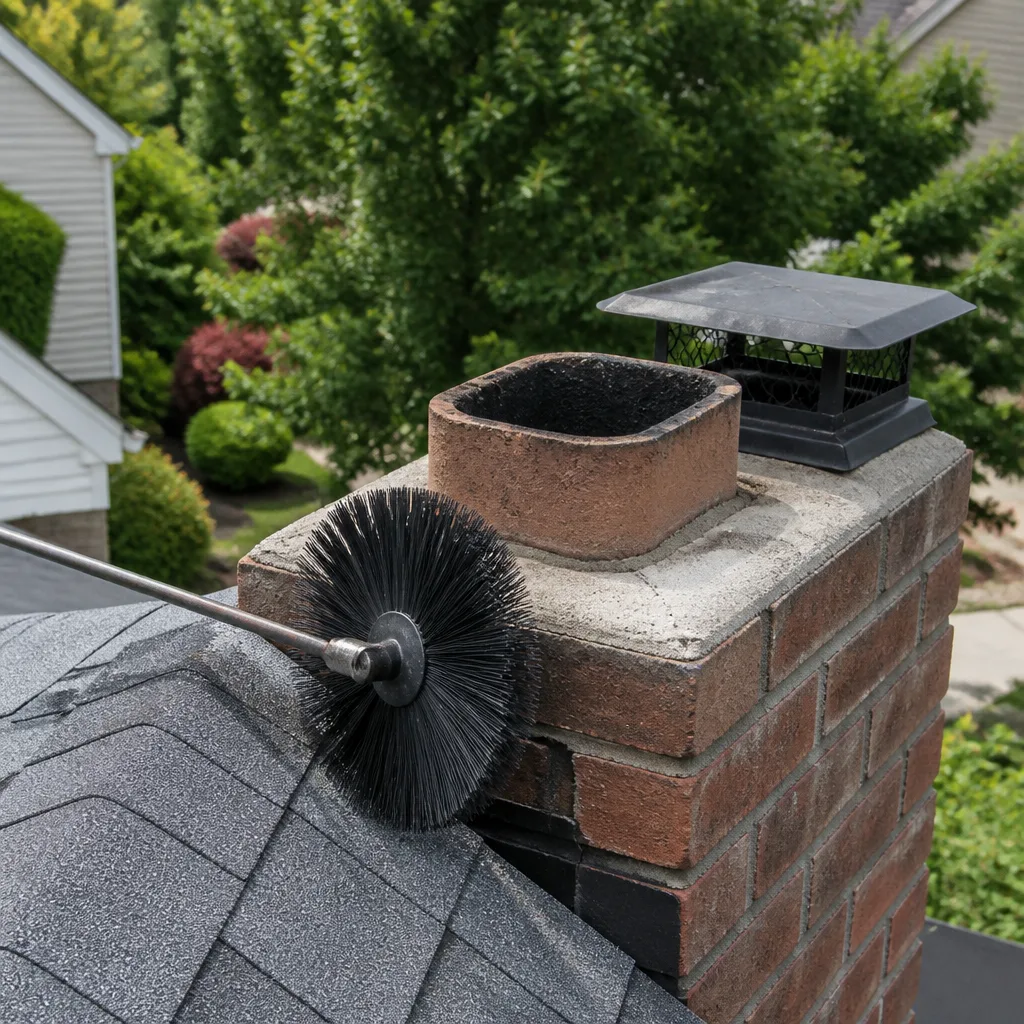
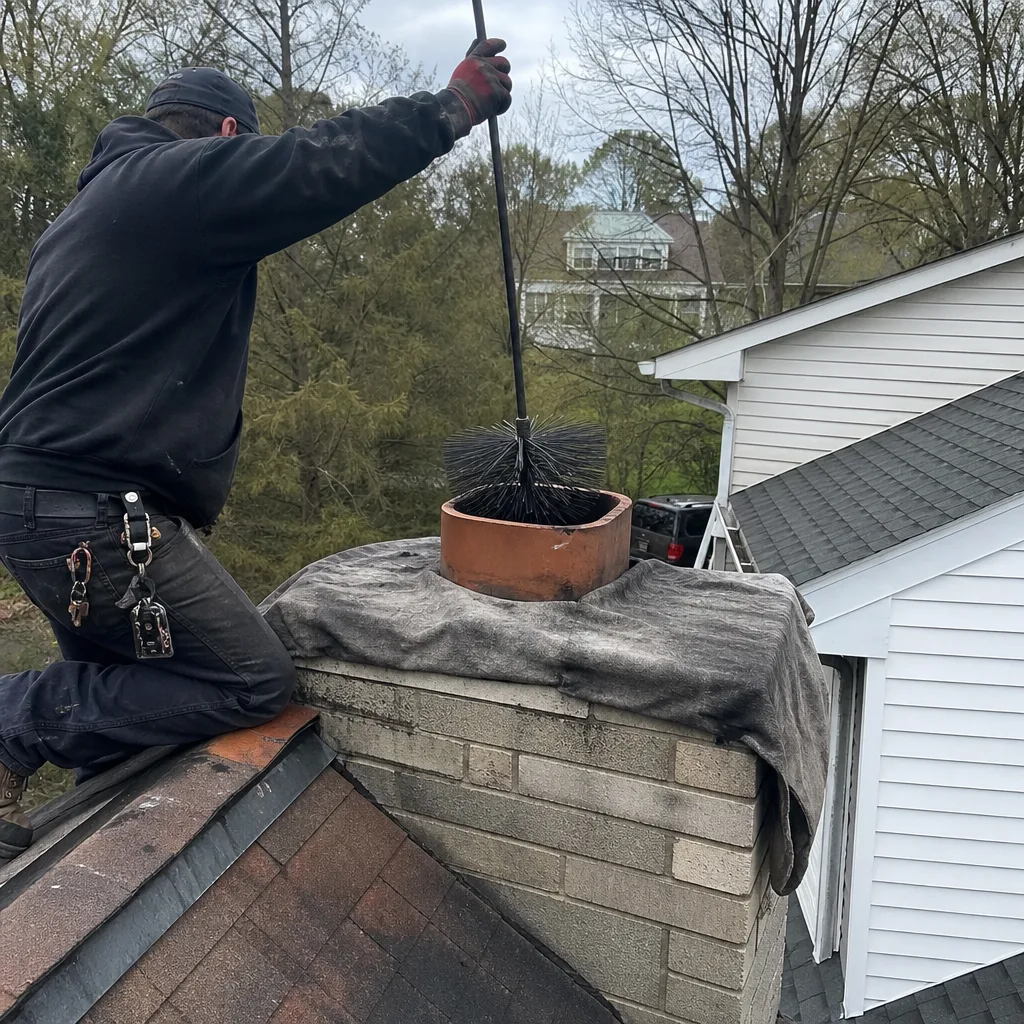
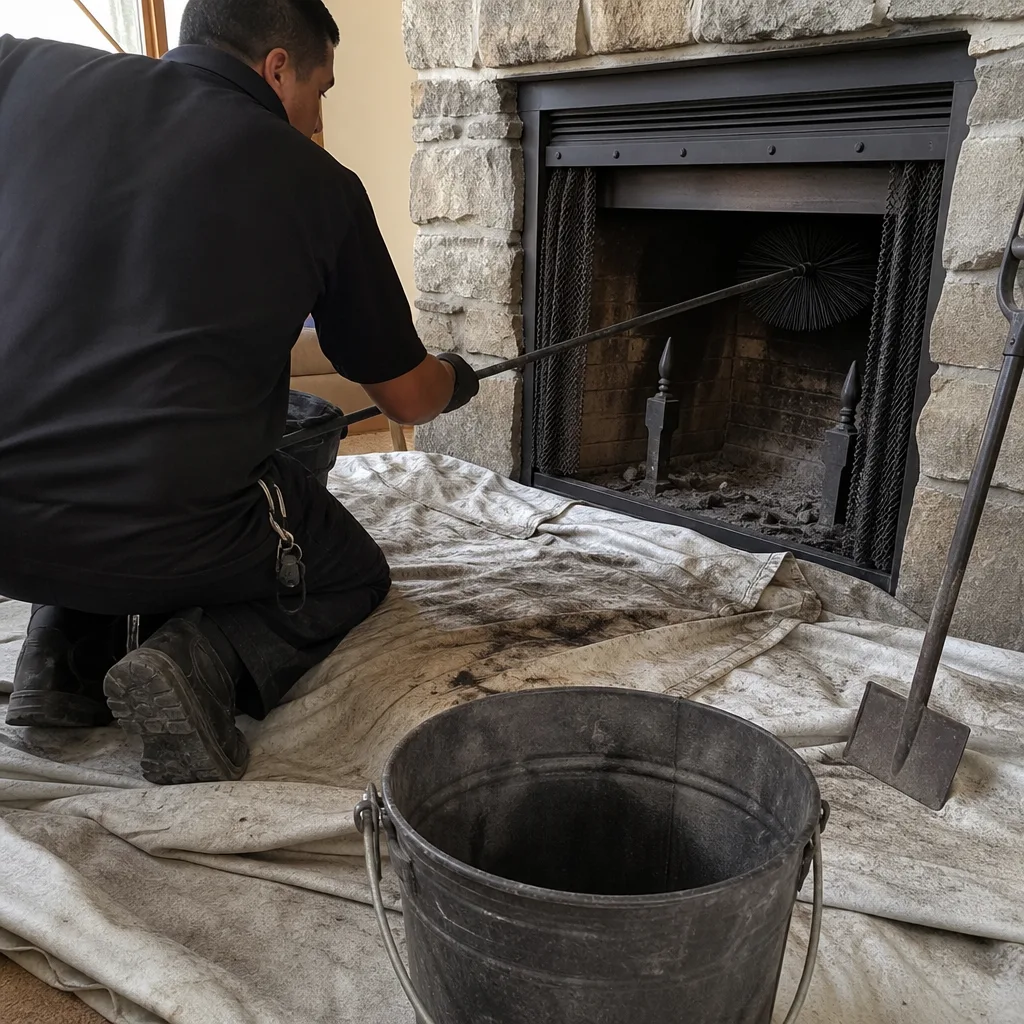
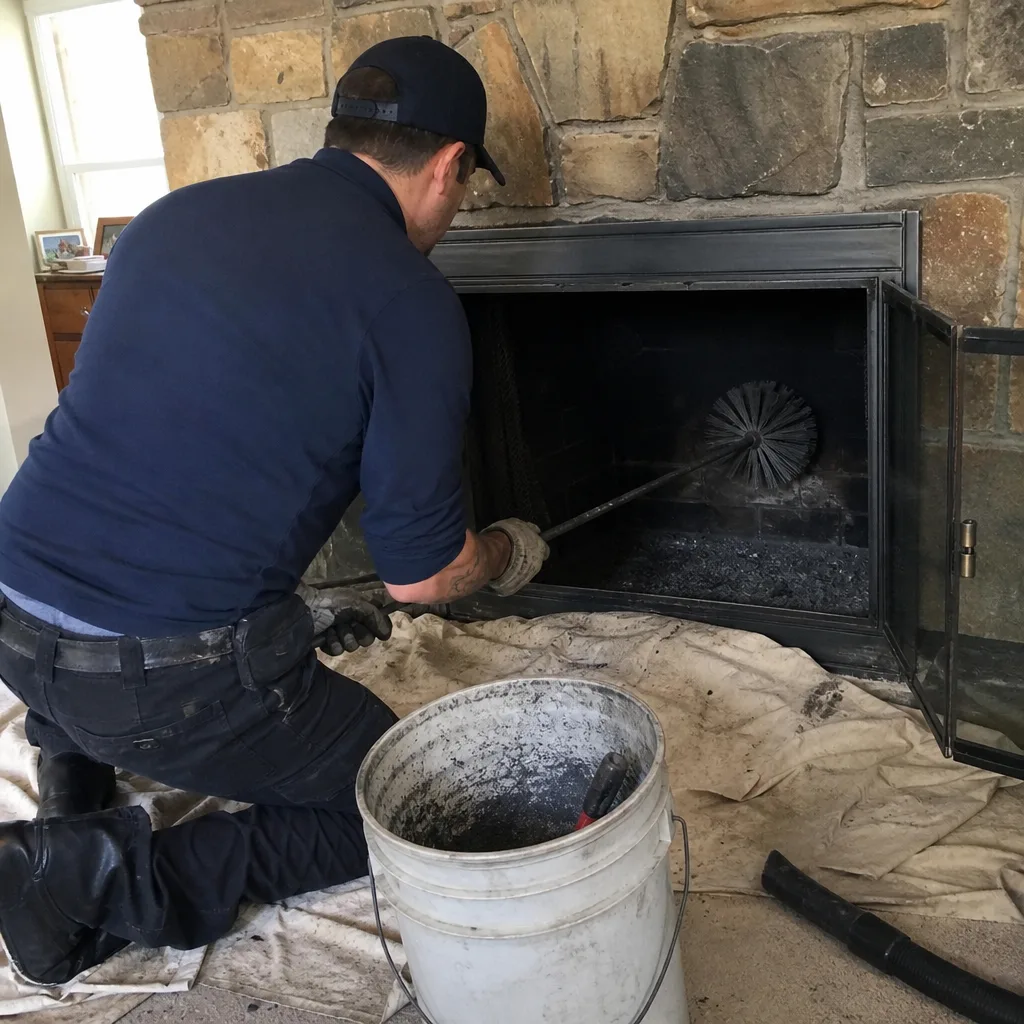
Chimney sweep logs do not sweep chimneys. They loosen some creosote - which then falls where a brush and vacuum still have to collect it.
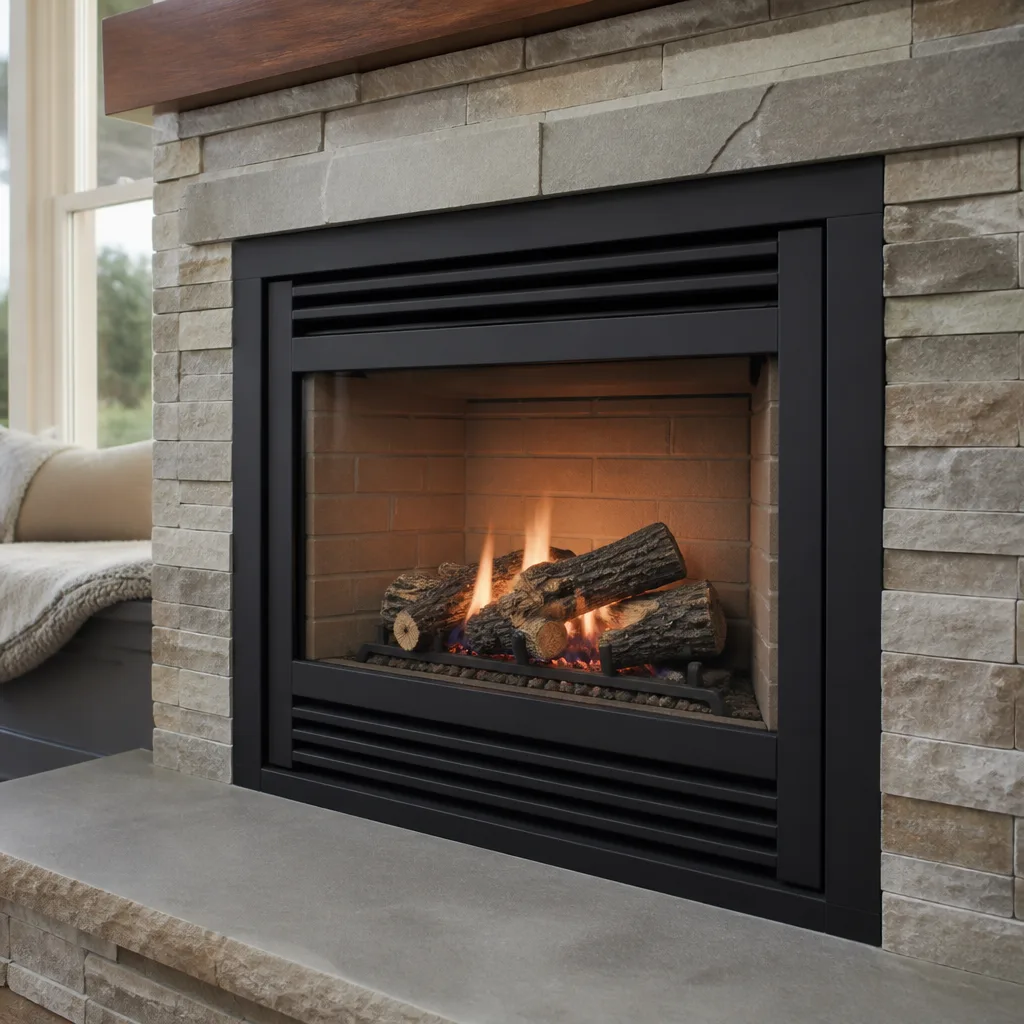
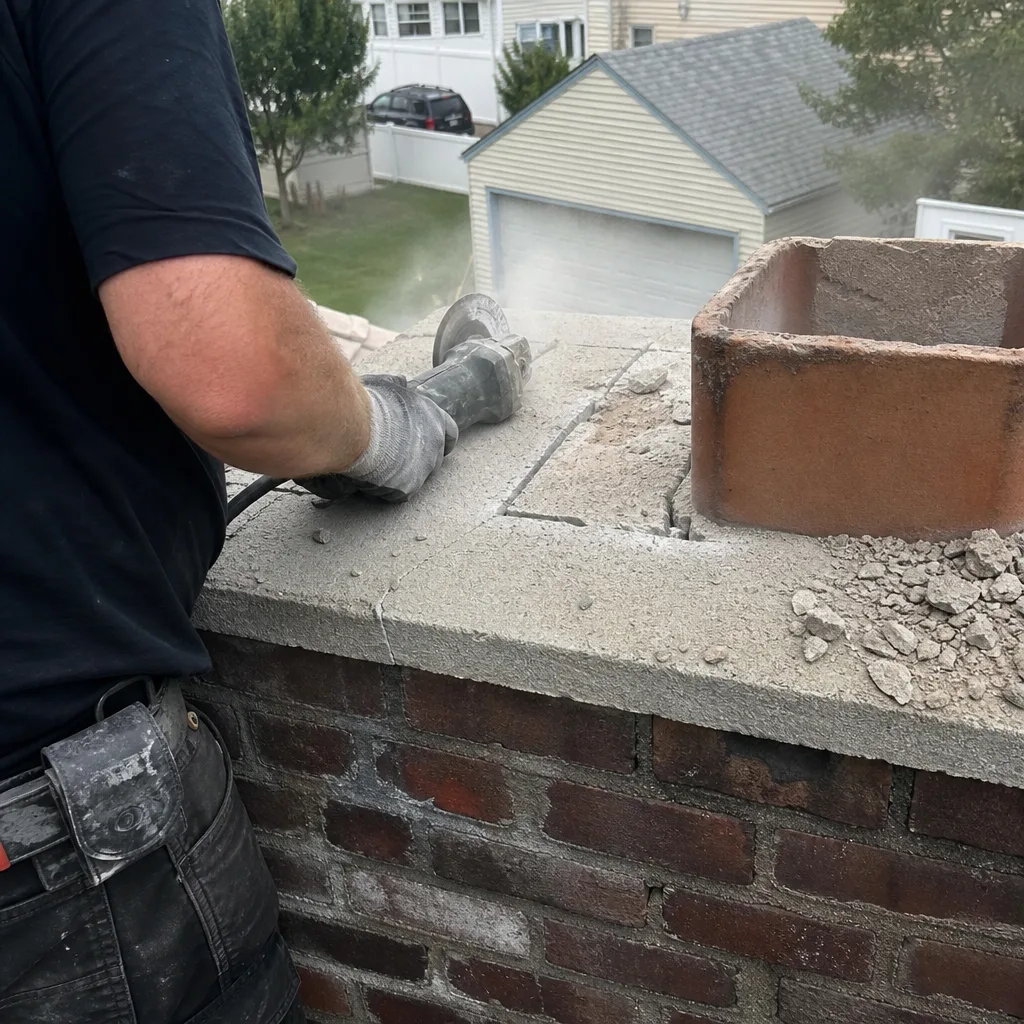
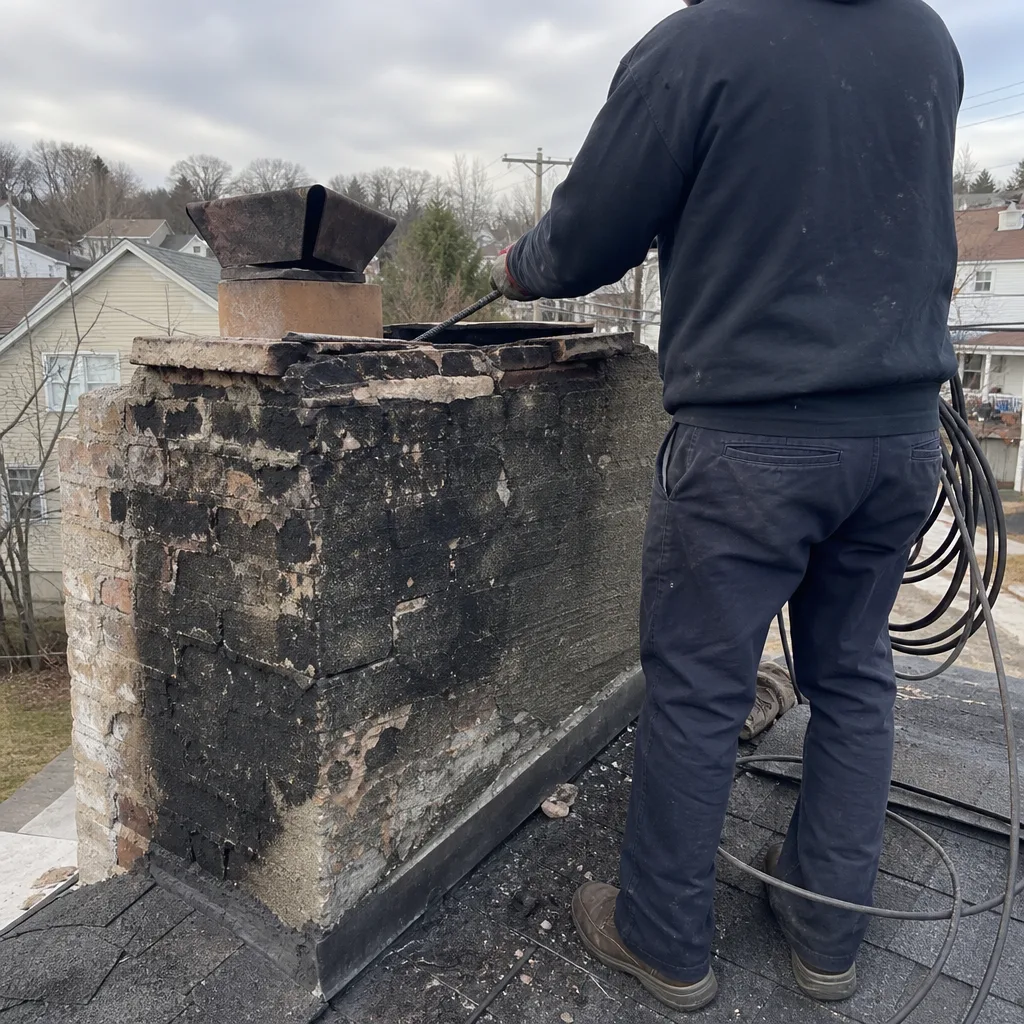 Before
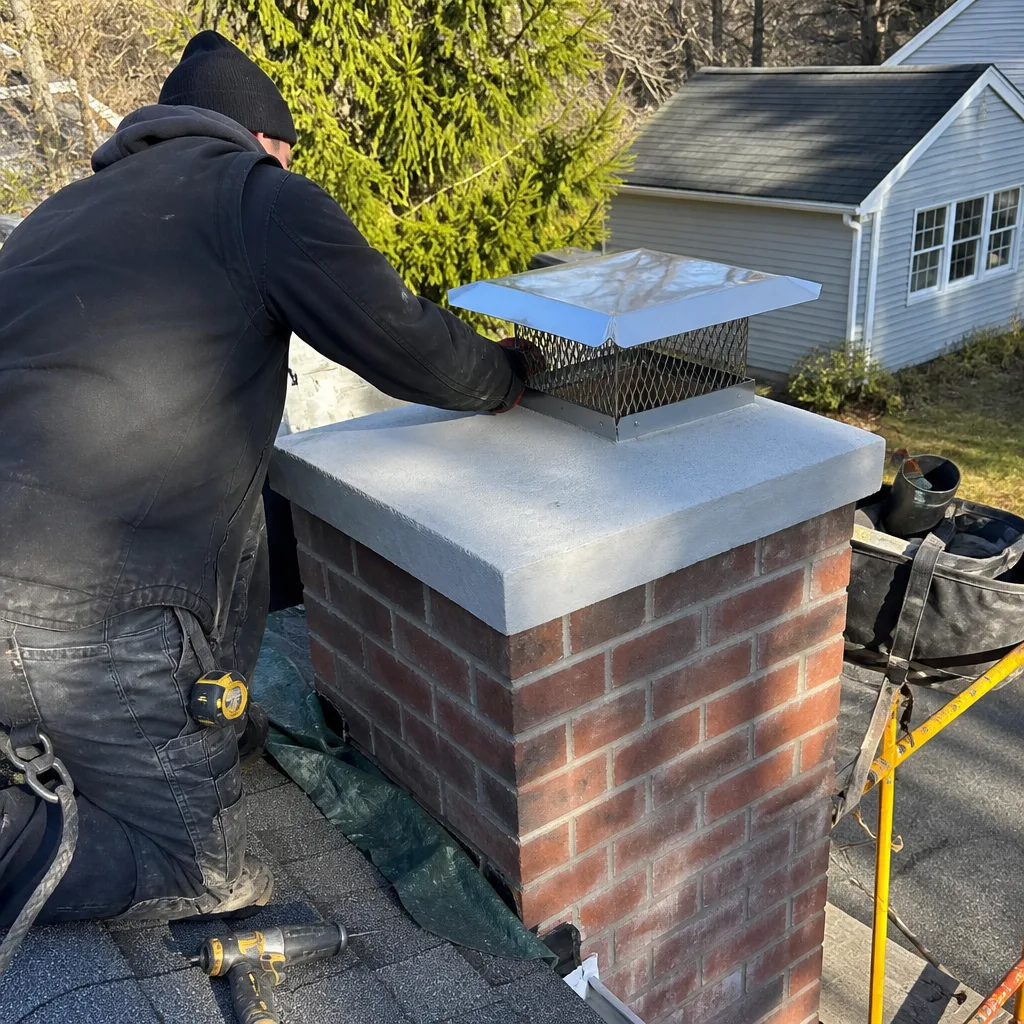 After
After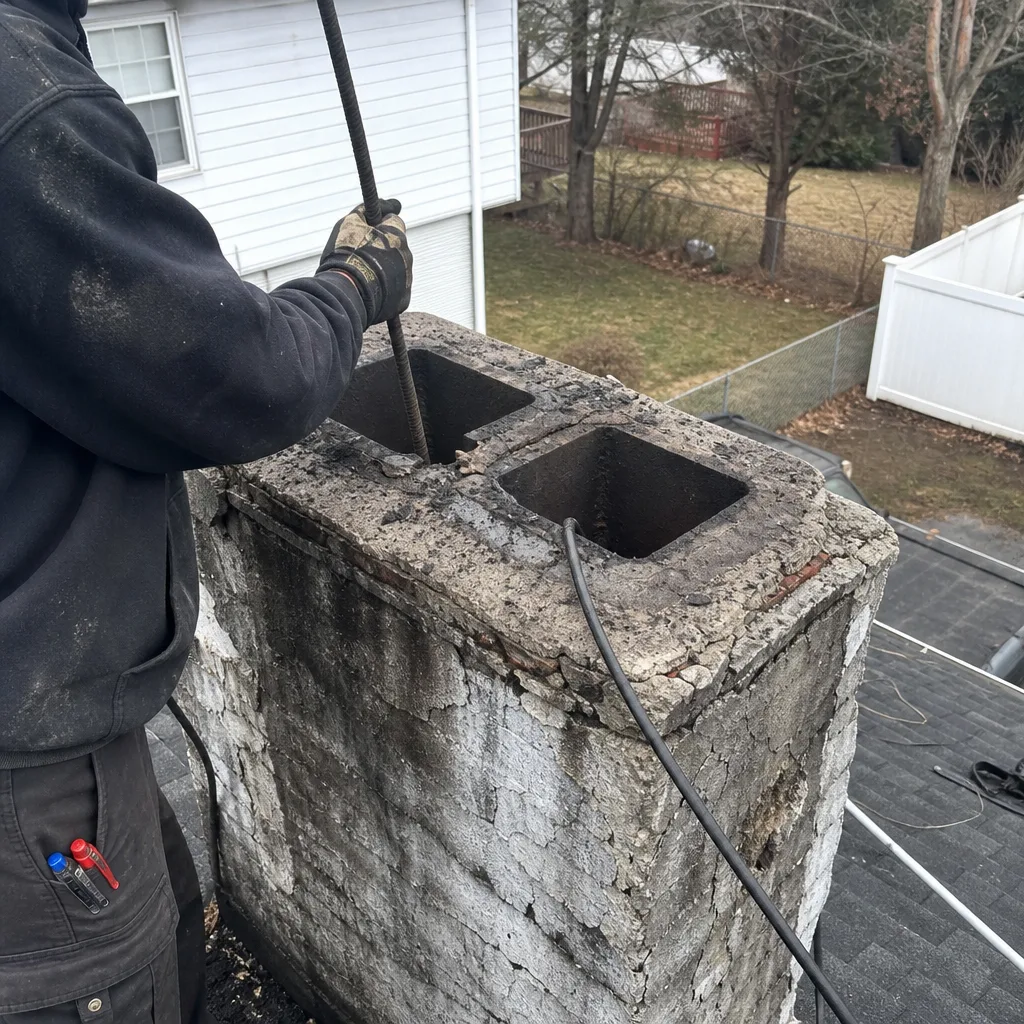 Before
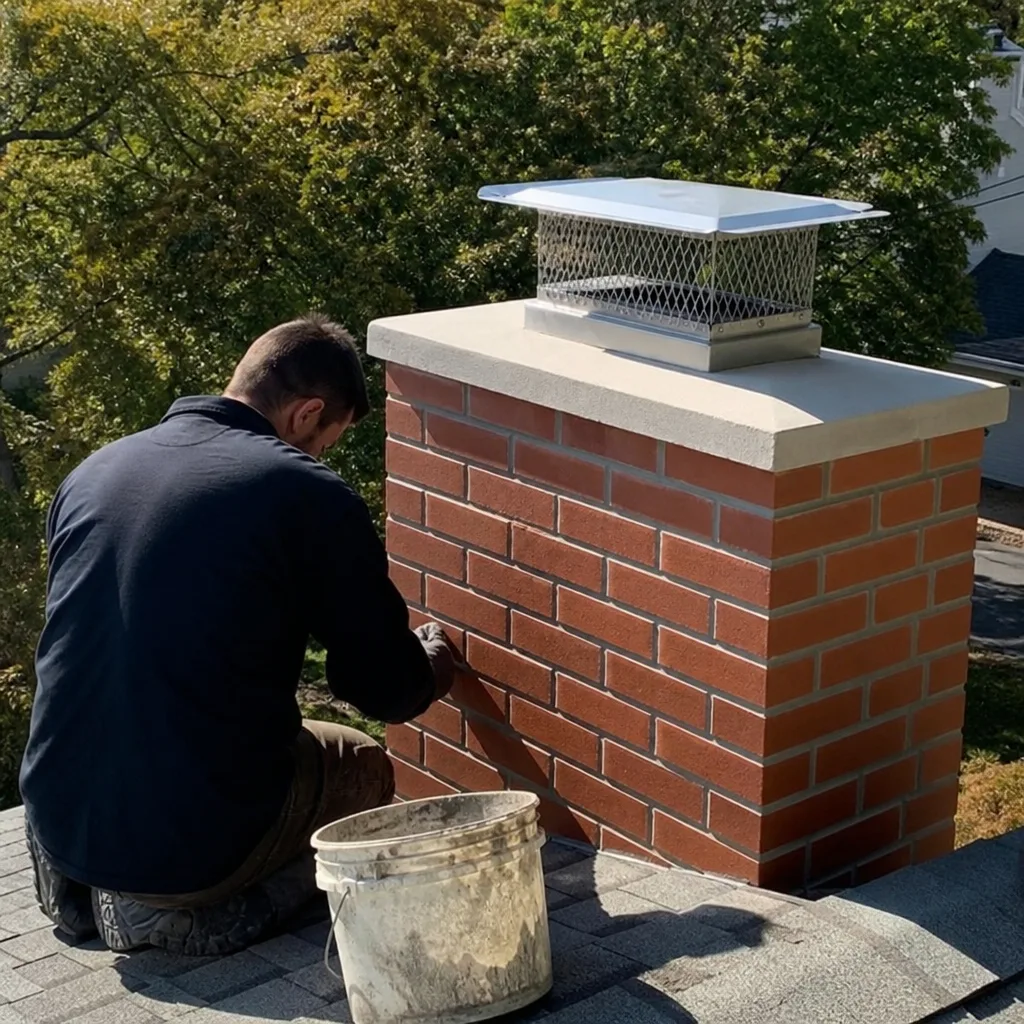 After
After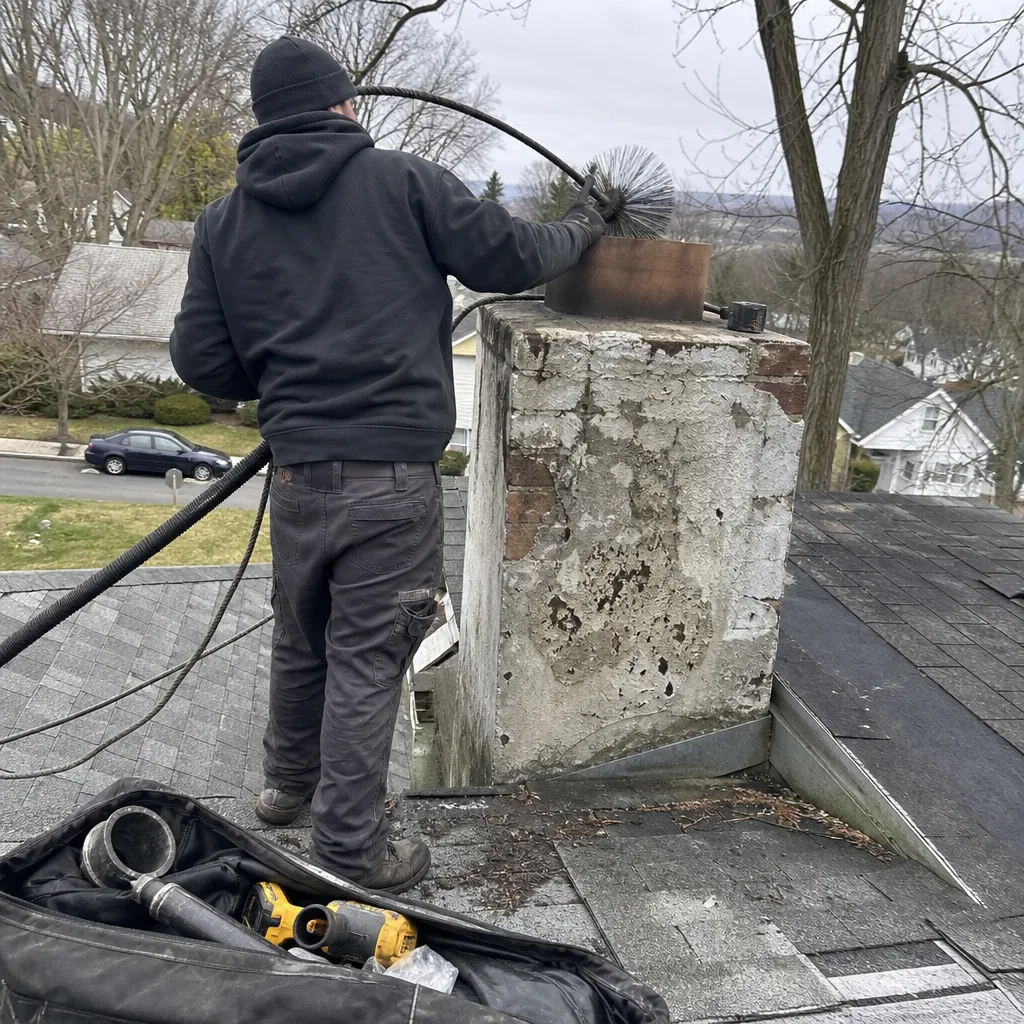 Before
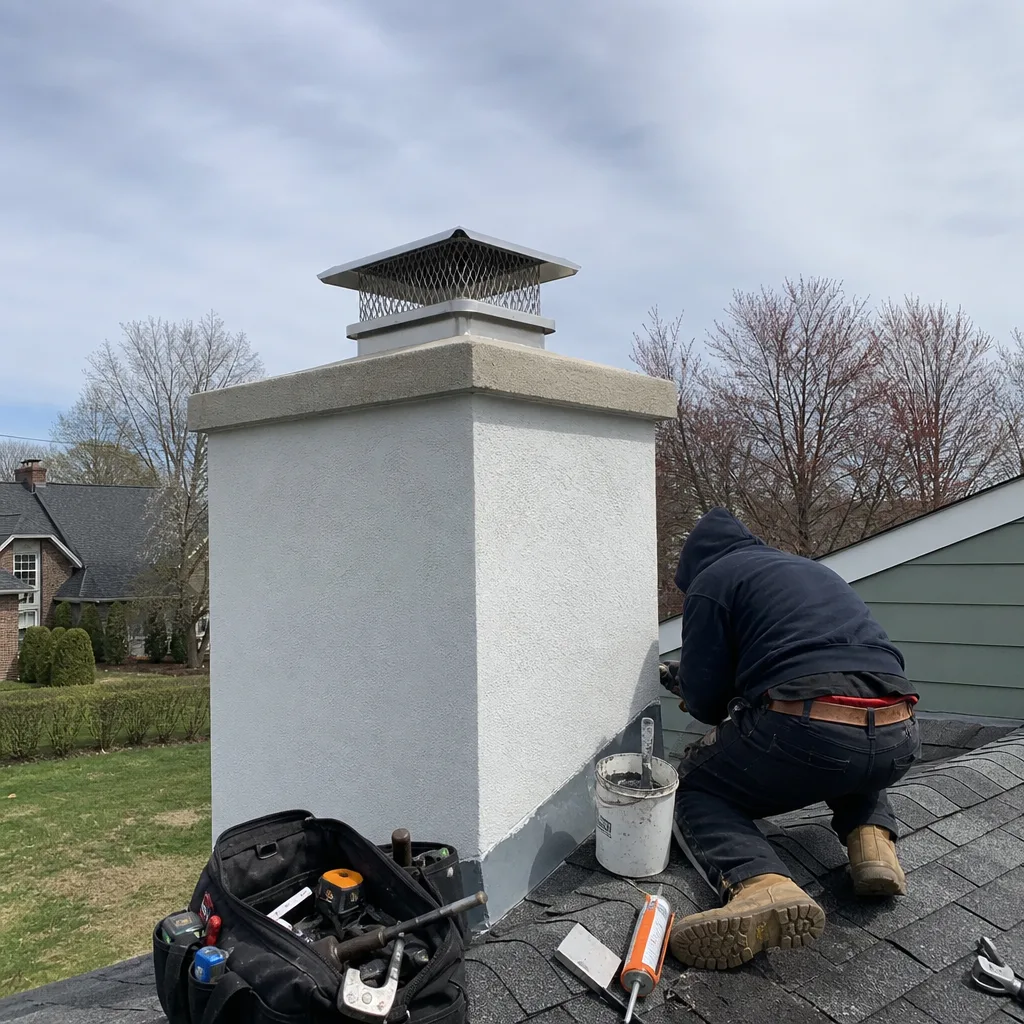 After
AfterChimney Cleaning Permits, Codes & Inspections in NY: What You Need to Know
Every fall, somewhere in Yonkers, a homeowner signs a contract for a chimney repair that should have required a permit, and nobody at the table mentions it. The sweep doesn’t, because the job pays well. The homeowner doesn’t, because they don’t know to ask. Then an insurance adjuster or a building inspector does, months or years later, after the fire or during the resale inspection, and the answer is uncomfortable. This guide maps where the permit boundary actually sits in New York State and Yonkers, so you can ask the right question before the contract is signed, not after the liner is in.
Quick Answer
Routine chimney cleaning and a Level 1 or Level 2 inspection require no permit anywhere in New York State, including Yonkers, though you should still follow a Chimney Cleaning & Sweep Maintenance Checklist for Yonkers Homeowners. Any repair that changes flue geometry, replaces a liner, connects a new appliance, or rebuilds structural masonry requires a building permit, and in Yonkers that work must pass a final inspection. The dividing line is simple: cleaning and looking, no permit; changing, repairing, or connecting, permit.
Table of Contents
- Where the Permit Line Actually Sits in Yonkers
- NFPA 211 vs. the NYS Residential Code: Which Rules Win
- What a Level 2 Inspection Report Is Worth to a Building Department
- The Insurance Connection: Why Permitted Work Matters After a Fire
- Plain-Language Table: What Needs a Permit, What Doesn’t
- How a Yonkers Chimney Inspection Actually Works
- Common Mistakes to Avoid
- When to Call a Professional
- Frequently Asked Questions
- The Bottom Line
BeforeAfterWhere the Permit Line Actually Sits in Yonkers
The City of Yonkers enforces the New York State Residential Code, which adopts the International Residential Code with state modifications. Under that code, a permit is required for any work that alters a chimney’s structure, liner, flue size, or connection to an appliance. Here’s the practical version: sweeping out creosote and running a camera up the flue changes nothing. Replacing a deteriorated terra cotta liner with stainless steel changes the flue’s material, dimensions, and performance characteristics. One is maintenance. The other is a repair that building officials want to review.
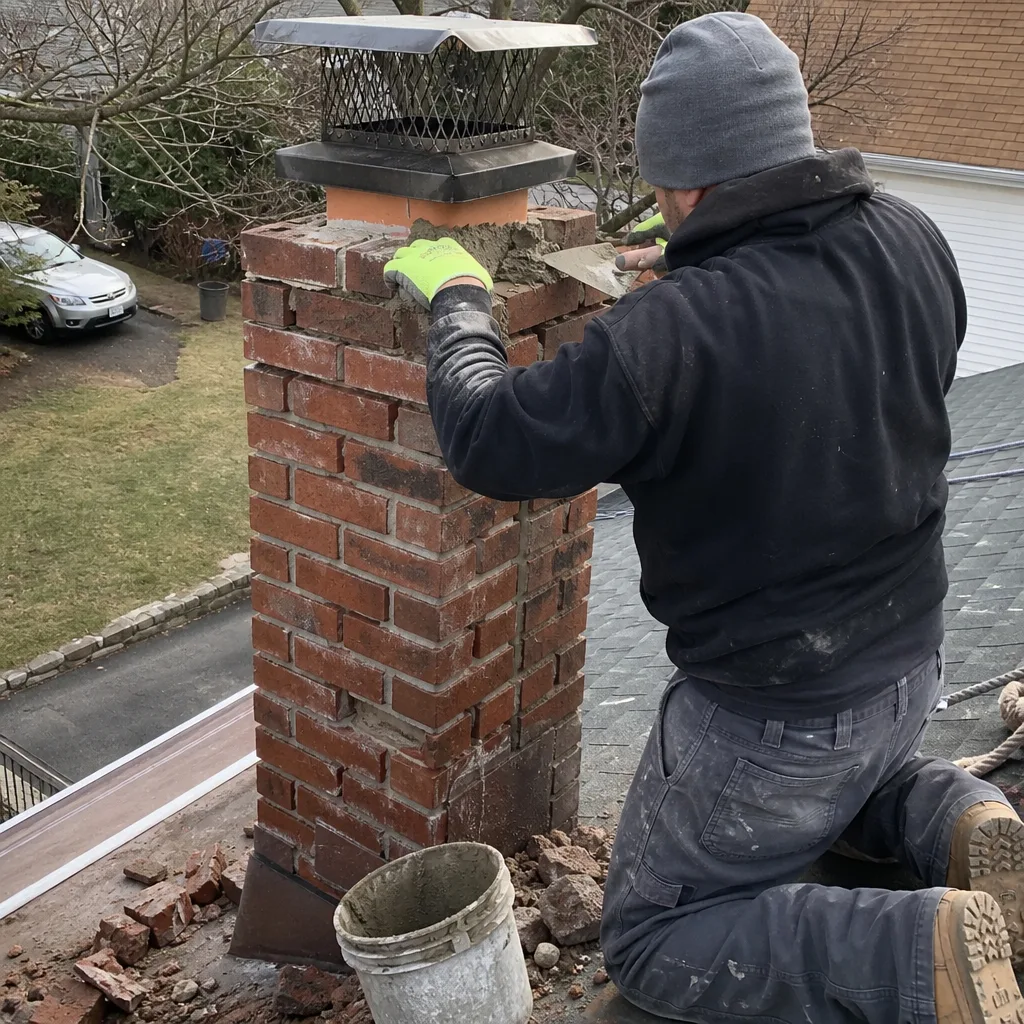
This distinction catches homeowners off guard because the distinction lives in the definition of “repair,” and “repair” in code language means more than most people think. Patching a crown with the same material, in the same shape? That’s maintenance. Rebuilding the crown to change the slope for better water shedding? That’s a repair that may trigger permit review, because the flue’s exterior geometry changed. Installing a chimney cap on an existing flue? No permit. Installing a cap that reduces the flue opening to address draft problems? That changes flue geometry, which is exactly the kind of modification the permit process is designed to review.
In our experience in Yonkers, the most common unpermitted chimney work falls into three categories. Homeowners routinely sign contracts for liner replacements without knowing a permit was required. Stove and insert installations get treated like appliance deliveries, not the structural and connection changes they are. And crown rebuilds get filed under “repair” in a contractor’s quote when the actual scope involves changing drainage patterns and masonry profile. Each of these can be flagged during a resale inspection or an insurance claim review. Each one is avoidable if the homeowner knows to ask one question: “Is a permit required for this work, and will you be pulling it?”
Our Level Two Chimney Yonkers home position is plain: if a repair requires a permit, we say so in the written scope before any contract is signed. Clause 1 of the Haven Standard requires a written price, written scope, and written warranty delivered before work begins, and that scope will name the permit if one applies. If a contractor will not put the permit question in writing, find a different contractor.
NFPA 211 vs. the NYS Residential Code: Which Rules Win
NFPA 211 is the national standard for chimneys, fireplaces, vents, and solid fuel burning appliances. The New York State Residential Code is the building law. When the two disagree, the answer in New York is straightforward: the more restrictive provision governs. In practice, that usually means NFPA 211 sets the bar higher, and a chimney that meets NYS code minimums may still fail an NFPA 211 inspection.
A good example is clearance to combustibles. The NYS Residential Code specifies minimum clearances for masonry chimneys and factory-built units. NFPA 211 often requires additional clearance in specific situations, like where a chimney passes through a combustible floor assembly in an older Yonkers home. A building inspector enforcing the state code might pass an installation that an NFPA 211 Level 2 inspection would flag. Since homeowners insurers and many mortgage underwriters ask for NFPA 211 compliance, the practical standard is the stricter one.
Another conflict zone is inspection frequency. The NYS Residential Code does not mandate annual chimney inspections. NFPA 211 says chimneys, fireplaces, and vents “shall be inspected at least once a year” for soundness, freedom from deposits, and correct clearances. For a homeowner in Yonkers, that means the law doesn’t require an annual sweep, but the standard your insurer will likely cite after a chimney fire absolutely does.
The lesson: don’t ask whether your chimney “meets code.” Ask whether it meets NFPA 211. That’s the higher bar, it’s the standard insurers know, and it’s the standard we work to on every Chimney Cleaning & Sweep in Yonkers visit.
What a Level 2 Inspection Report Is Worth to a Building Department
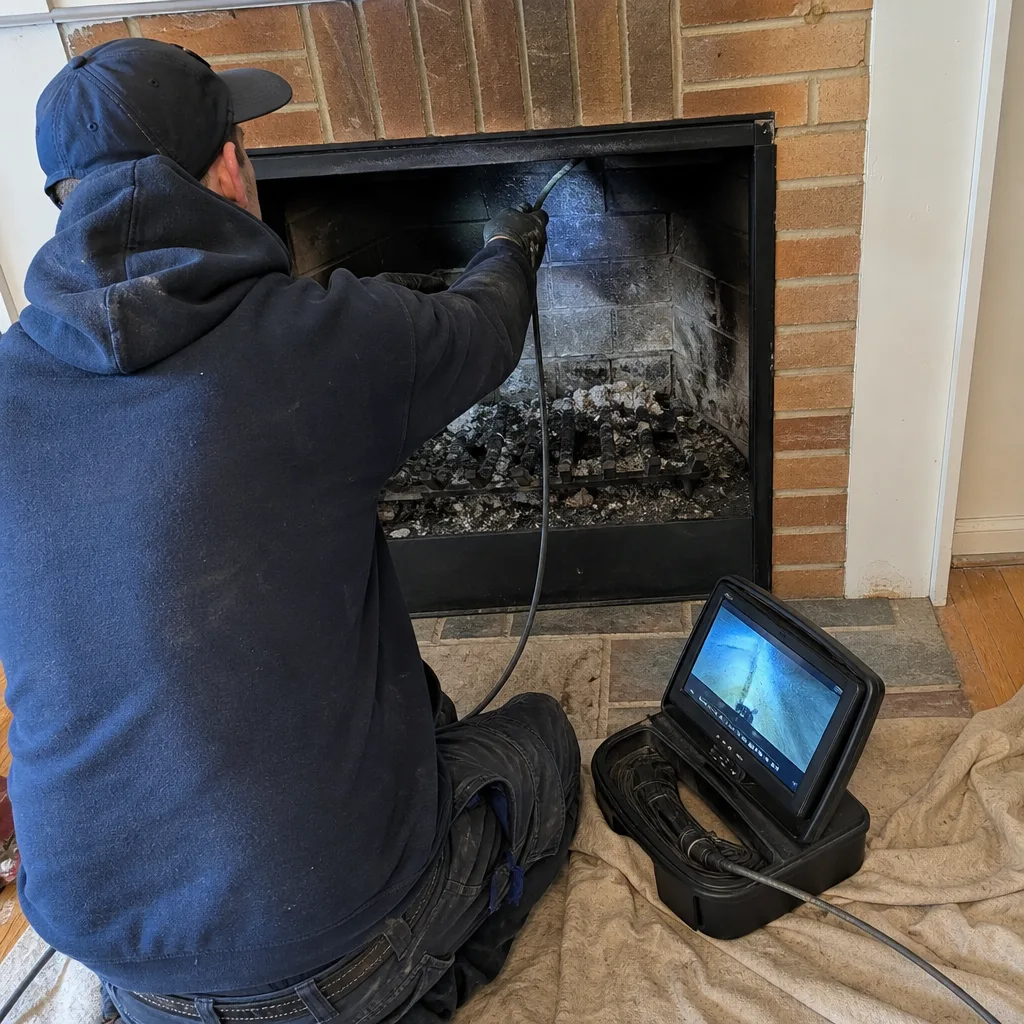
A Level 2 inspection is the NFPA 211 inspection standard for any chimney when the home is sold, when the fuel type changes, or after an earthquake, chimney fire, or significant weather event. In practice it means camera scanning the entire flue interior, checking the smoke chamber, damper, crown, and clearances, and documenting everything with photographs and often video.
Building departments in Yonkers see a lot of chimney documentation from contractors who point a flashlight up the flue and call it an inspection. A camera-scan report is different. When you submit a permit application for a liner replacement, a Level 2 report with timestamped photos of the deteriorated terra cotta, the measured flue dimensions, and the exact point of failure gives the plan reviewer something concrete to approve. The permit moves faster because the scope is documented, not asserted.
This documentation practice is why Clause 4 of the Haven Standard requires a photo record on every job. Level Two has operated that way since 2009, when we made camera-scan documentation the default on every inspection, not an upsell. Since then, we have completed more than 38,000 chimney inspections and cleanings, and the archive is continuous. That record matters when a Yonkers building department wants to see the condition before approving a repair, and it matters when an insurer wants to see the condition before paying a claim.
The Insurance Connection: Why Permitted Work Matters After a Fire
New York property insurers write policies that cover sudden and accidental loss. They also write exclusions for loss caused by faulty workmanship, improper installation, or unpermitted modification. A chimney fire that starts in a liner installed without a permit sits squarely in the middle of that exclusion. The homeowner isn’t just facing the repair cost; they’re facing a coverage denial with a paper trail leading back to a contractor whose name they may no longer have.
The cleanest answer to that risk is documentation. A permitted liner replacement produces a paper trail: the permit application, the plan review, the inspection sign-off, the contractor’s written scope and warranty, and ideally a camera-scan record from before and after the work. That package answers the insurer’s inevitable questions in one file. A non-permitted liner raises questions that have no good answers: who installed it, what standard did they follow, when was it last inspected, and was the installation the cause of the fire?
The same logic applies to stove and insert installations. A wood stove connected to an unlined or improperly sized flue is an unlisted appliance connection. If a fire starts at that connection, the insurer’s forensic engineer will find it, and the policy’s faulty installation exclusion will likely apply. In Yonkers, where thousands of homes have fireplaces originally built before modern liner standards, this is not a theoretical risk. It’s a pattern we see in the field.
When we handle a Chimney Repair in Yonkers that involves liner work, we make one point before anything else: if this work needs a permit, we pull it. That’s not a sales tactic. It’s the difference between a chimney that’s covered after a fire and one that isn’t.
Plain-Language Table: What Needs a Permit, What Doesn’t
| Work Type | Permit Required in Yonkers? | Notes |
|---|---|---|
| Routine chimney sweeping | No | Removal of creosote and soot; no structural changes |
| Level 1 or Level 2 inspection | No | A camera scan changes nothing about the flue |
| Cap replacement (in-kind) | No | Same size, same material, same flue geometry |
| Cap replacement that changes flue opening size | Yes | Alters draft characteristics and flue geometry |
| Crown patch or reseal | No | Maintenance, same material, same profile |
| Crown rebuild with profile change | Yes | Structural modification; drainage profile changes |
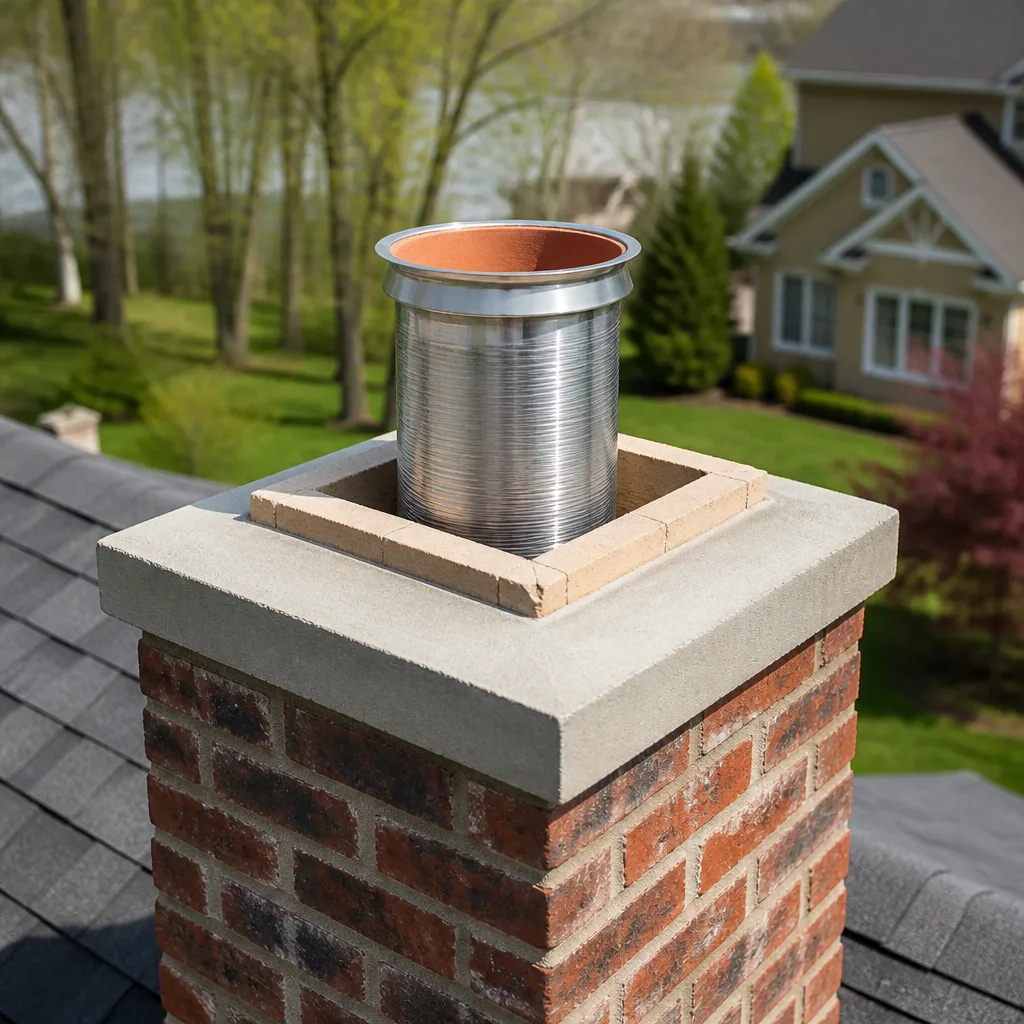
| Liner repair or replacement | Yes | Stainless steel or HeatShield resurfacing; changes flue dimensions and performance |
| New wood stove or insert connection | Yes | Appliance connection; requires sizing and clearance review |
| Smoke chamber parging | Usually | Alters flow path; may be part of a larger permit |
| Full chimney rebuild | Yes | Structural review required in addition to the permit |
This table is a starting point, not a substitute for a call to the Yonkers Building Department. If you’re evaluating a quote, ask the contractor to state in writing whether a permit is required for the specific scope they’re proposing. If they won’t, that’s an answer by itself.
How a Yonkers Chimney Inspection Actually Works
In Yonkers, a permitted chimney repair typically requires a rough inspection before the work is closed up and a final inspection after it’s complete. The inspector wants to see the liner, the new cap, the connection, or the rebuilt masonry before it’s hidden behind brick or sheet metal. If a contractor buries the work before the rough inspection, the inspector can require them to open it back up. That’s avoidable with sequencing, and it’s one of the reasons a written scope matters.
What we typically do on a permitted repair in Yonkers:
- Inspect and document before work. We run a camera scan and take photos of the existing condition. That becomes the baseline for the permit application.
- File the permit. The scope, materials, and measured dimensions are submitted to the Yonkers Building Department. A durable stainless liner from a manufacturer like DuraFlex or Olympia Chimney is specified by size, not just by “6-inch liner.”
- Complete the work to the permit. The liner goes in, the cap or crown is finished, and we leave the work accessible for the inspector.
- Rough inspection. The inspector verifies the installed work matches the permit scope. Camera documentation of the interior is made available.
- Final inspection and sign-off. After the inspector approves, we close up the access areas and deliver the written warranty, photo record, and permit documentation.
The permit process in Yonkers is not a mystery and it’s not a burden if the contractor has done it before. We have, many times. It adds time to the job, and it adds a line to the written scope, but it also adds the only thing that matters after a fire: proof.
Why Annual Inspection Still Matters When No Permit Is Required
Just because routine cleaning needs no permit doesn’t mean it’s optional. In this corner of New York, chimneys age faster than homeowners expect. Freeze-thaw cycling spalls bricks and cracks crowns. Wind-driven rain enters through uncapped flues and deteriorates mortar from the inside. And creosote, the byproduct of wood combustion, builds up in flue walls where it becomes a fuel source waiting for a spark.
An annual sweep removes that fuel. An annual inspection catches the liner cracks, the deteriorated mortar, the failing crown, and the animal nests before they become emergency repairs. In Yonkers, where the housing stock includes a lot of homes built between 1900 and 1970, an annual inspection is the difference between a $250 sweep and a $7,000 liner replacement you didn’t plan for.
Here’s the practical sequence. Schedule a Fireplace Services in Yonkers visit in early fall. The sweep removes creosote and debris. The camera scan, included as standard under Haven Standard Clause 4, shows the actual liner condition. If the liner is intact, you’re done. If it’s not, you see exactly what we see, and you get a written price before anything else happens.
Common Mistakes to Avoid
- Assuming “repair” means the same thing to a contractor as it does to the code. Ask for the permit answer in writing. If a liner replacement is in the scope and no permit is in the plan, the contractor is telling you something important.
- Paying a contractor to pull a permit and then not verifying it was actually pulled. Ask for the permit number and call the Yonkers Building Department to confirm. A licensed contractor who has pulled permits before will have no problem with this.
- Treating a wood stove or insert installation like furniture delivery. It’s an appliance connection to a flue system. It requires a permit and a final inspection. If a contractor says otherwise, find another.
- Accepting a “visual inspection” as equivalent to a camera scan. A flashlight sees about three feet up a masonry flue. A camera sees the entire length. Clause 4 of the Haven Standard exists because we learned this 15 years ago.
- Deferring a liner repair because “it hasn’t caused a problem yet.” A cracked liner is a problem. It’s a problem that gets worse every burning season, and it’s a problem your insurer will ask about if a fire happens. The repair doesn’t get cheaper by waiting.
- Not keeping the paperwork. File the permit, the inspection sign-off, the written scope, and the photo record in one place. That file is your answer to an insurance adjuster or a future buyer.
When to Call a Professional
If you haven’t had a camera-scan inspection in the past 12 months, schedule one before the burning season starts. If you see spalling brick, a cracked crown, water staining on the ceiling around the chimney, or white efflorescence on the masonry, do not wait. If you smell smoke in the house after a fire, or you see black, tar-like glaze inside the flue, that’s Class III creosote and it is a fire hazard that no YouTube video should teach you to remove. And if a contractor hands you a written quote for chimney work that doesn’t mention a permit, get a second opinion in writing before you sign.
Chimney Repair in Yonkers is work we do every week, and the pattern is consistent: the earlier the problem is found, the less it costs to fix. Level Two Chimney Yonkers offers free estimates in Yonkers, and we mean free: a written scope, a written price, and a written warranty before any work begins. Call (551) 212-3526.
Frequently Asked Questions
A professional chimney sweep and camera-scan inspection in Yonkers typically runs $180 to $350 depending on flue height, accessibility, and the level of creosote buildup. Our written price includes the camera documentation required by Haven Standard Clause 4, so the number you see is the number you pay. Call (551) 212-3526 for an exact quote.
You need a new liner if the existing one has cracks, gaps, or missing sections that allow heat and combustion gases to reach the surrounding masonry. A camera scan shows this precisely. If a contractor recommends a liner replacement and will not show you photos of the damage, get a second opinion before you spend thousands. We show you the footage and the written price at the same time.
For full details, see The Complete Guide to Chimney Cleaning in Yonkers; NFPA 211 says chimneys should be inspected at least once a year and cleaned when creosote reaches 1/8 inch thickness. If you burn more than three cords a year, burn green or soft wood, or use the fireplace daily in winter, you may need sweeping more than once per season. In Yonkers, the practical answer for most wood-burning homes is an annual sweep and inspection in early fall.
The creosote continues to build, and creosote is flammable. A chimney fire can reach 2,000 degrees Fahrenheit, crack the liner, damage the masonry, and spread into the house. The repair bill after a chimney fire is orders of magnitude larger than the cost of a sweep. In Yonkers, we’ve seen chimneys that had not been cleaned in a decade; the creosote in those flues was thick enough to close off a third of the opening.
Insurance covers sudden and accidental damage, like a chimney fire or a tree fall. It typically does not cover deferred maintenance, deterioration, or pre-existing conditions. That’s why a documented inspection record matters: it shows when the problem began and whether it was addressed. A permitted, documented repair is the cleanest answer to an adjuster’s questions.
Plan for a few extra days to a few extra weeks depending on the scope and the Building Department’s review queue. A liner replacement with a straightforward camera-documented scope may clear quickly. A full rebuild that requires structural review takes longer. Any contractor who tells you the permit process is impossible or unnecessary is not doing you a favor; they’re transferring the risk to you.
The Bottom Line
In Yonkers, the permit boundary on chimney work is clean and bright: cleaning and inspection need no permit, and repairs, relines, appliance connections, and rebuilds do. The problem is that too many homeowners never learn where that line sits until a job is underway or an insurance adjuster is asking questions. The fix is simple: ask for it in writing. Get a camera-scan inspection so you’re working from evidence, get a written scope that names the permit if one applies, and keep every document in one place. That file is what protects you after the work is done.
Written by Corrine Halstead, Owner at Level Two Chimney Yonkers, serving Yonkers since 2009.