
Level 1 sweep and inspection to the NFPA 211 annual standard - flue, crown, cap, and flashing checked and photographed
Chimney sweep logs do not sweep chimneys. They loosen some creosote - which then falls where a brush and vacuum still have to collect it.
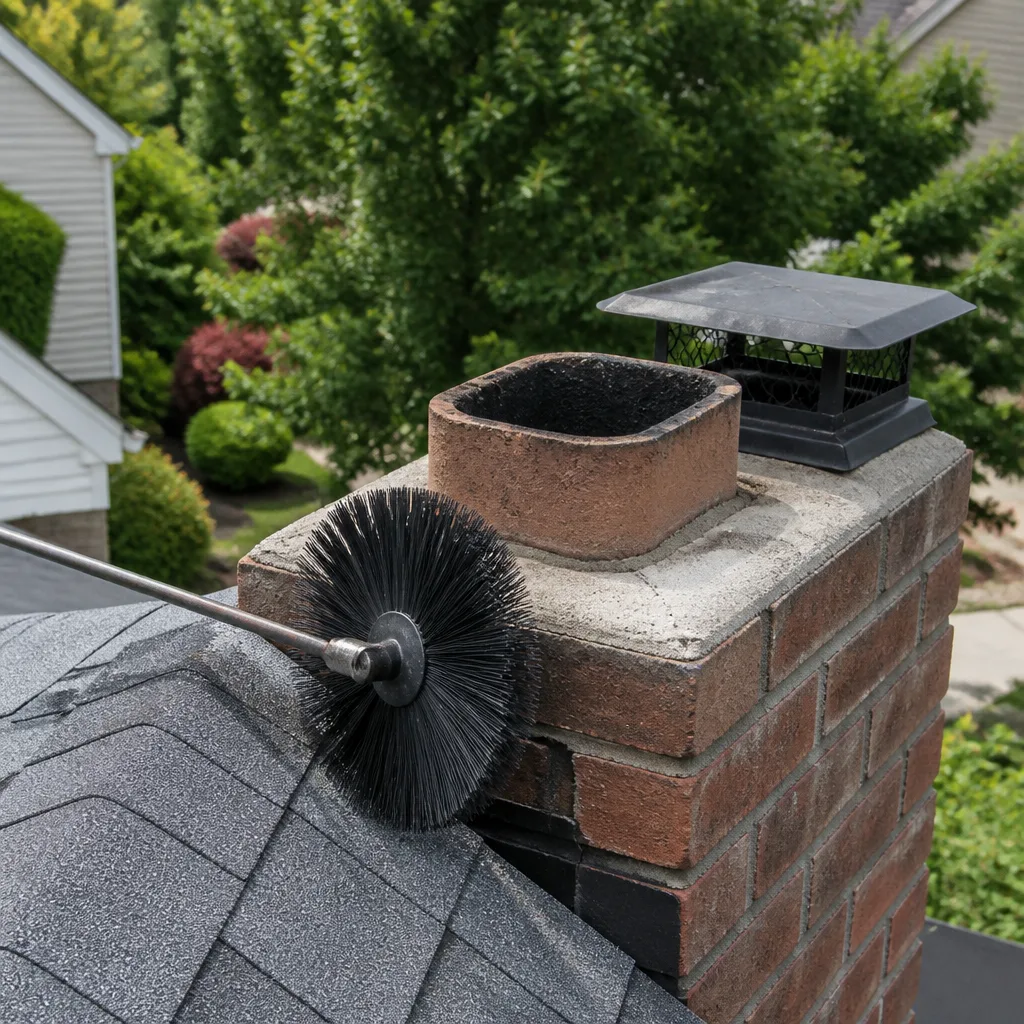
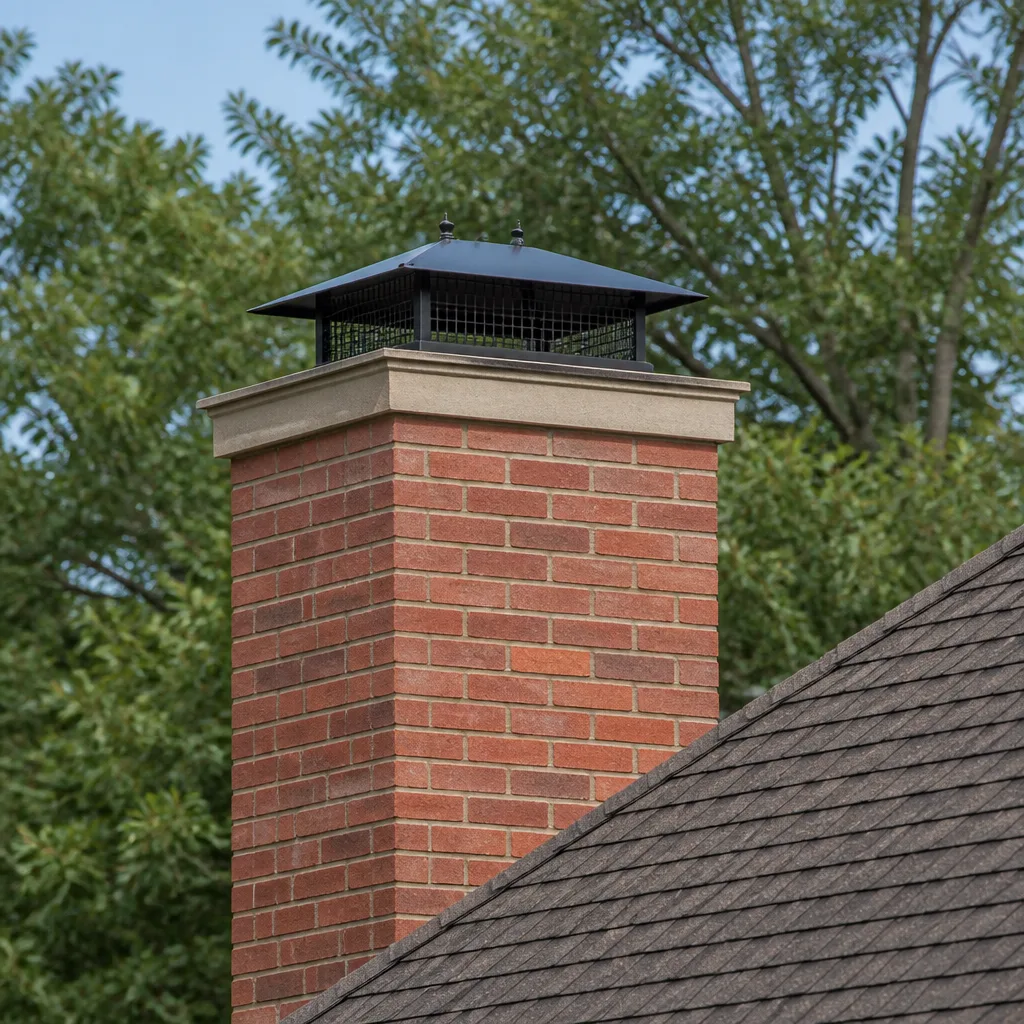
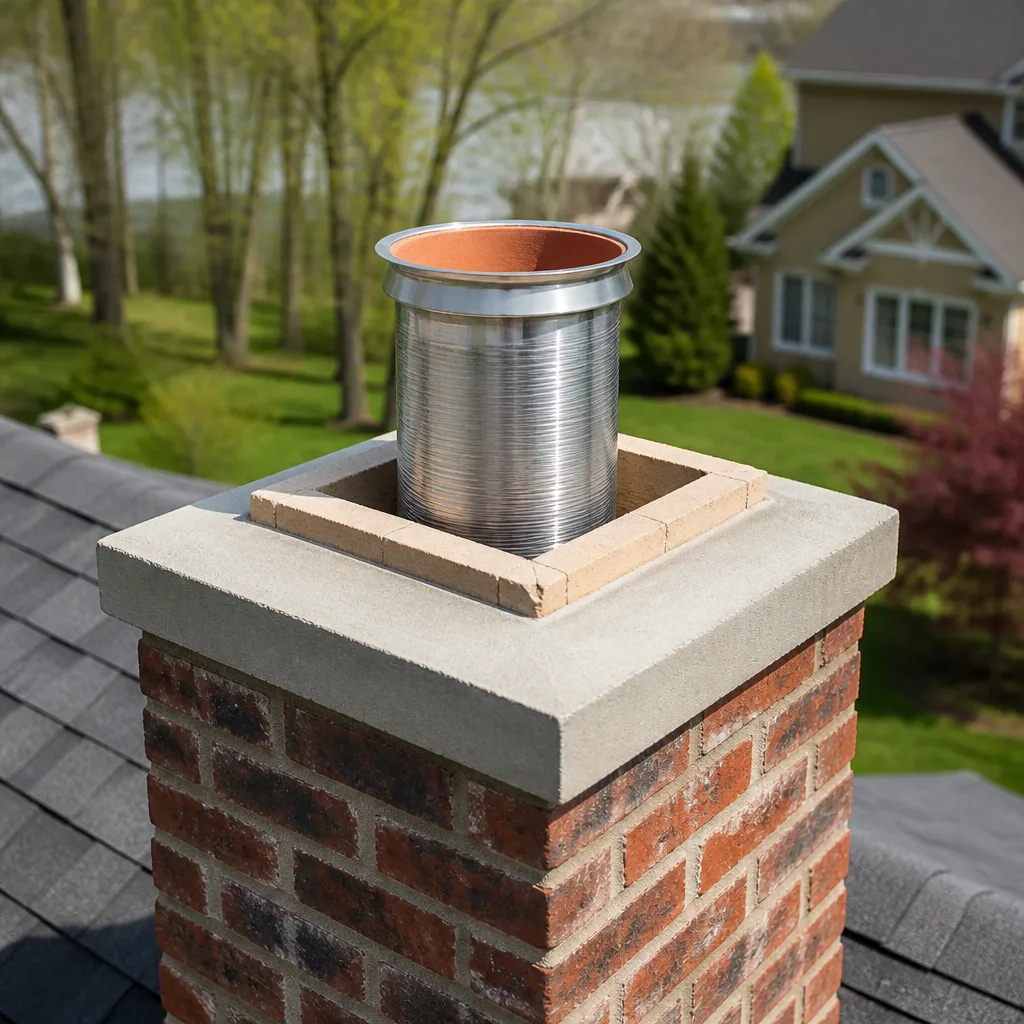
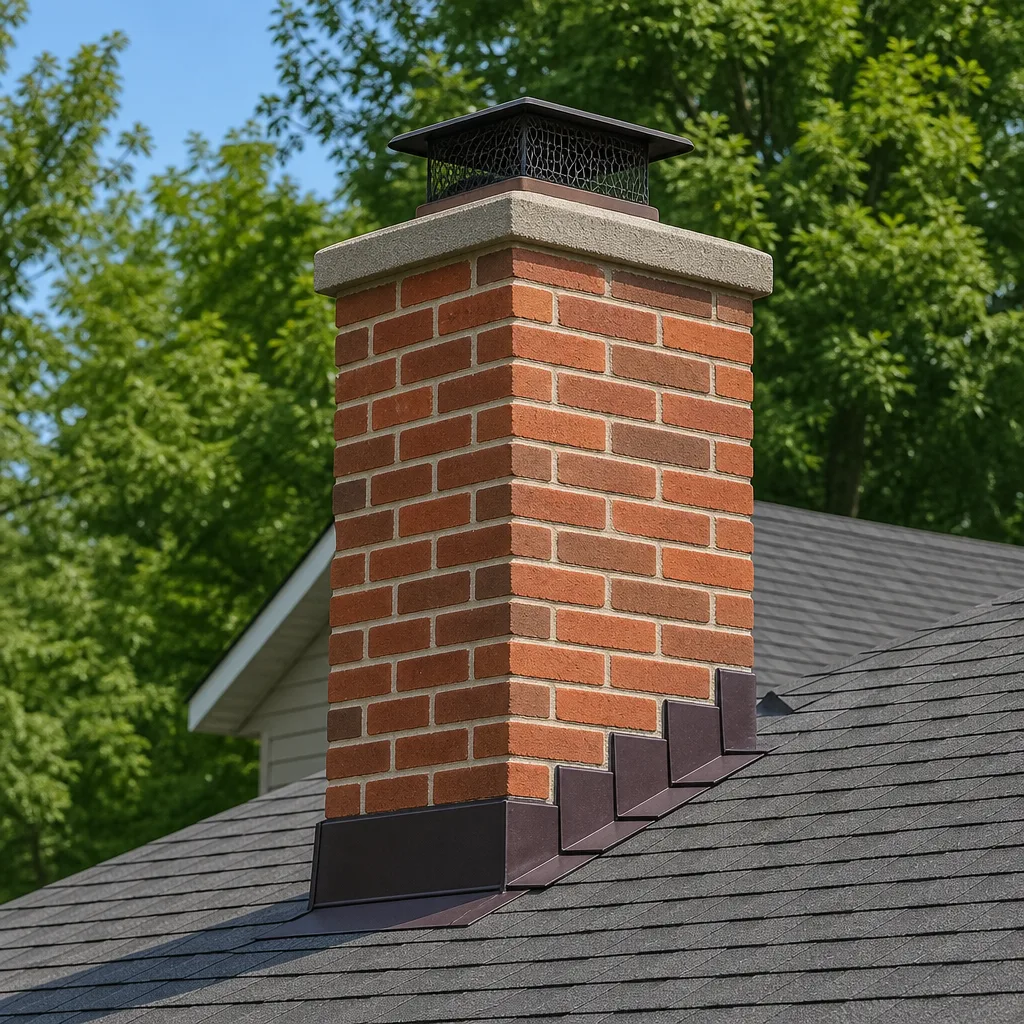
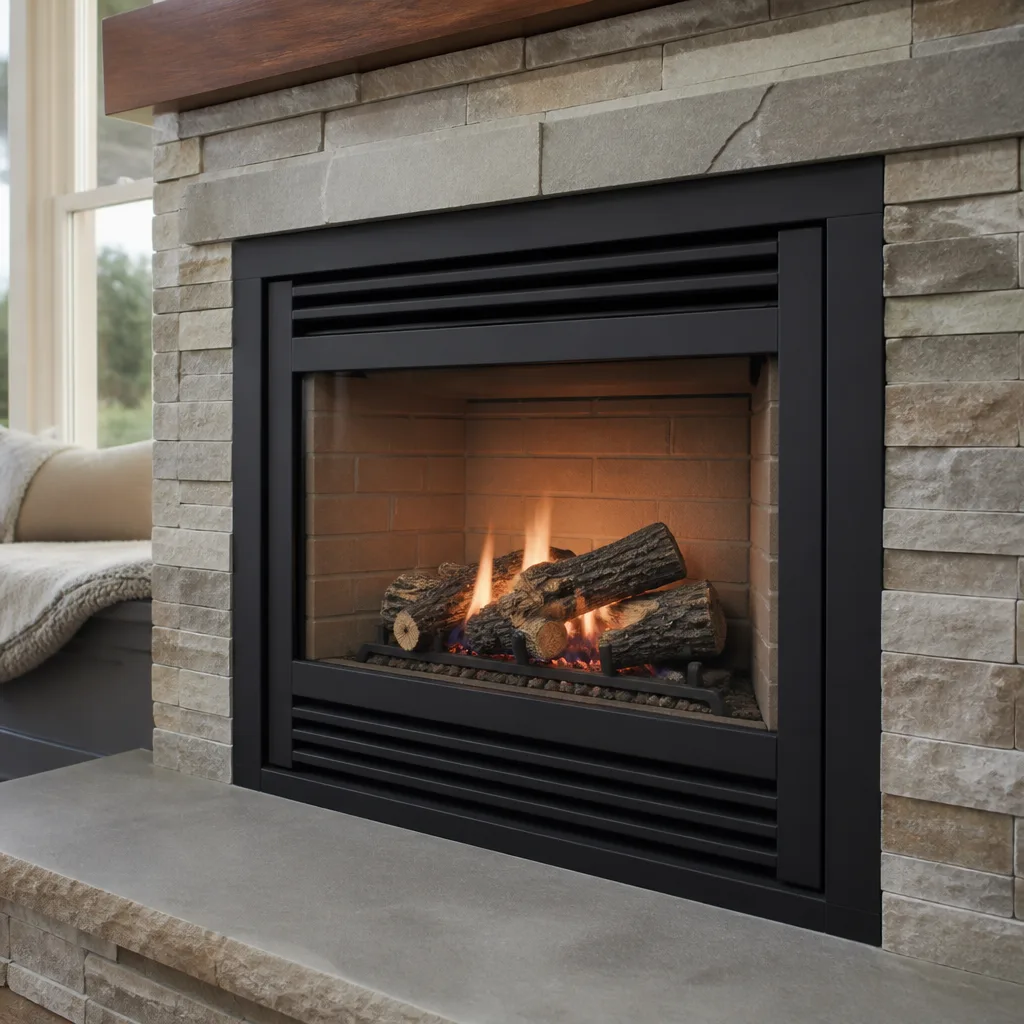
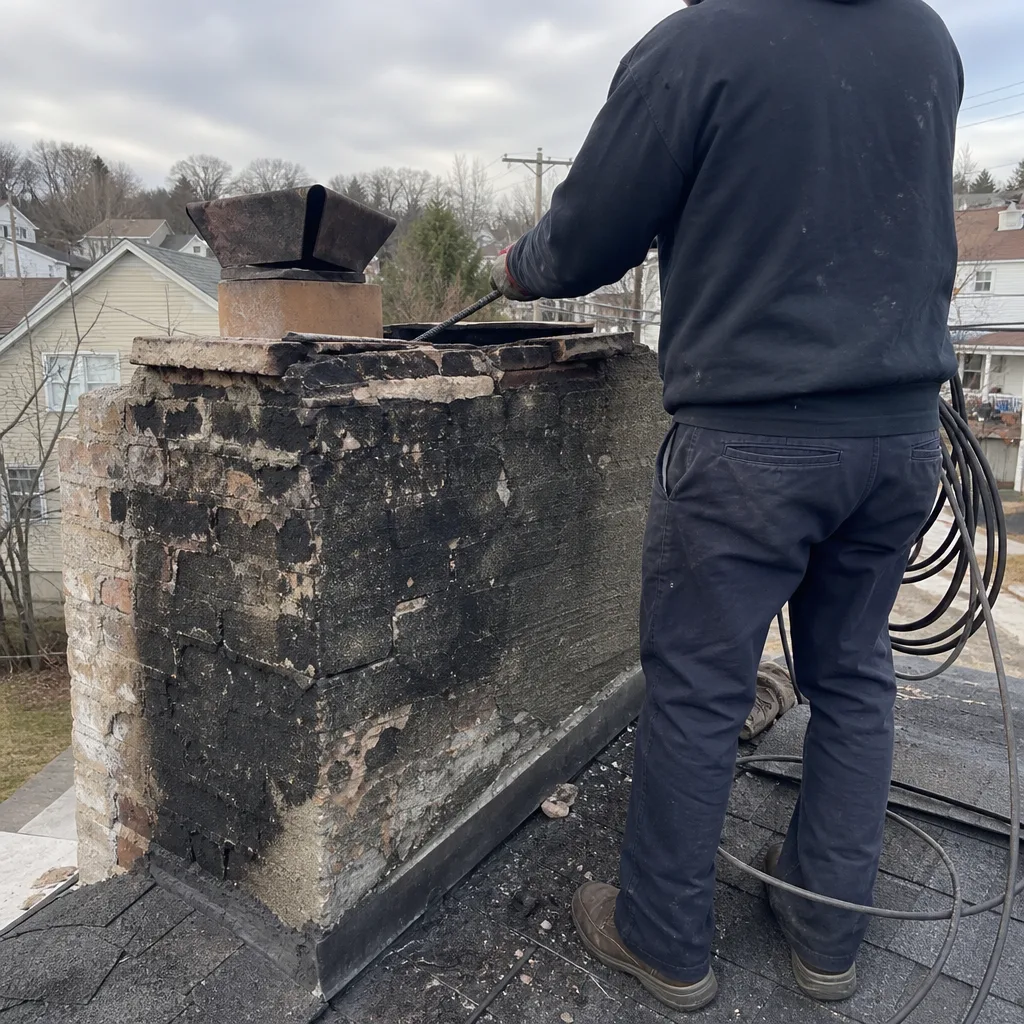 Before
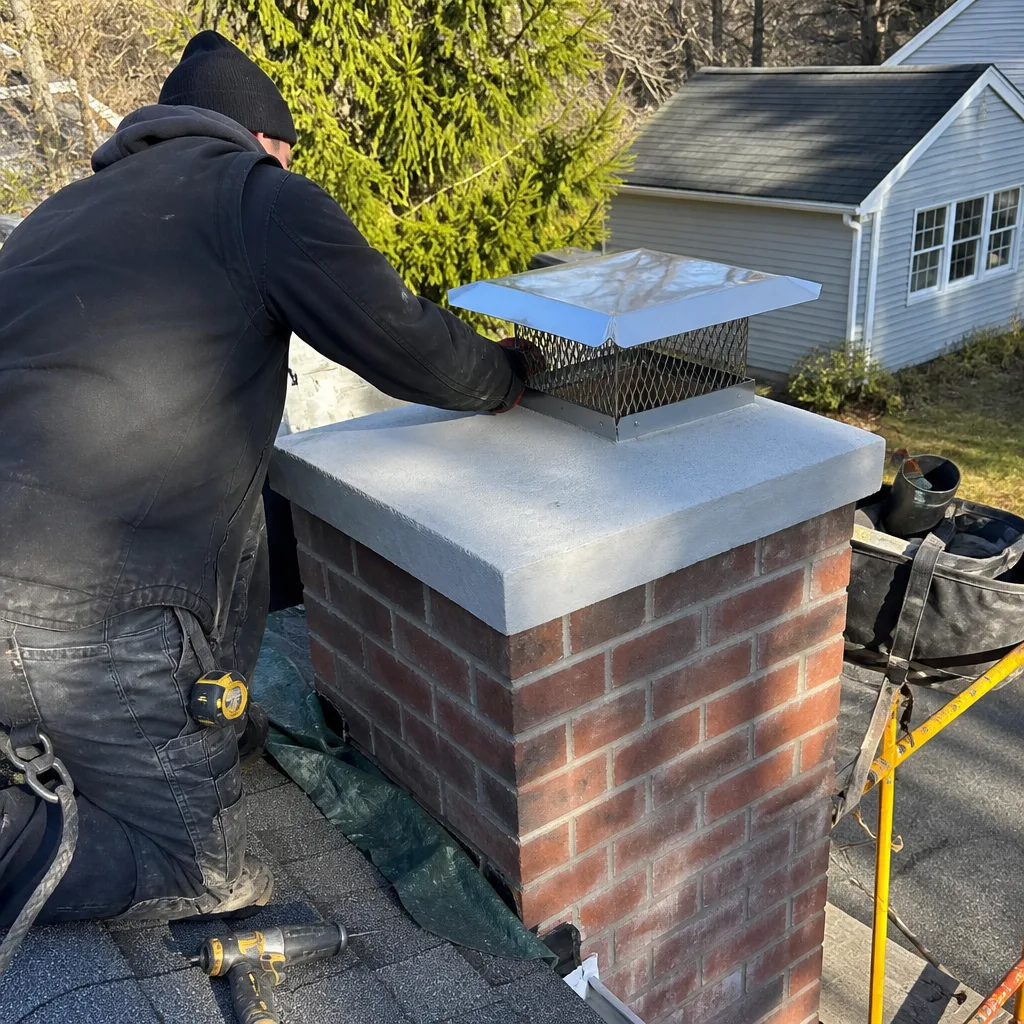 After
After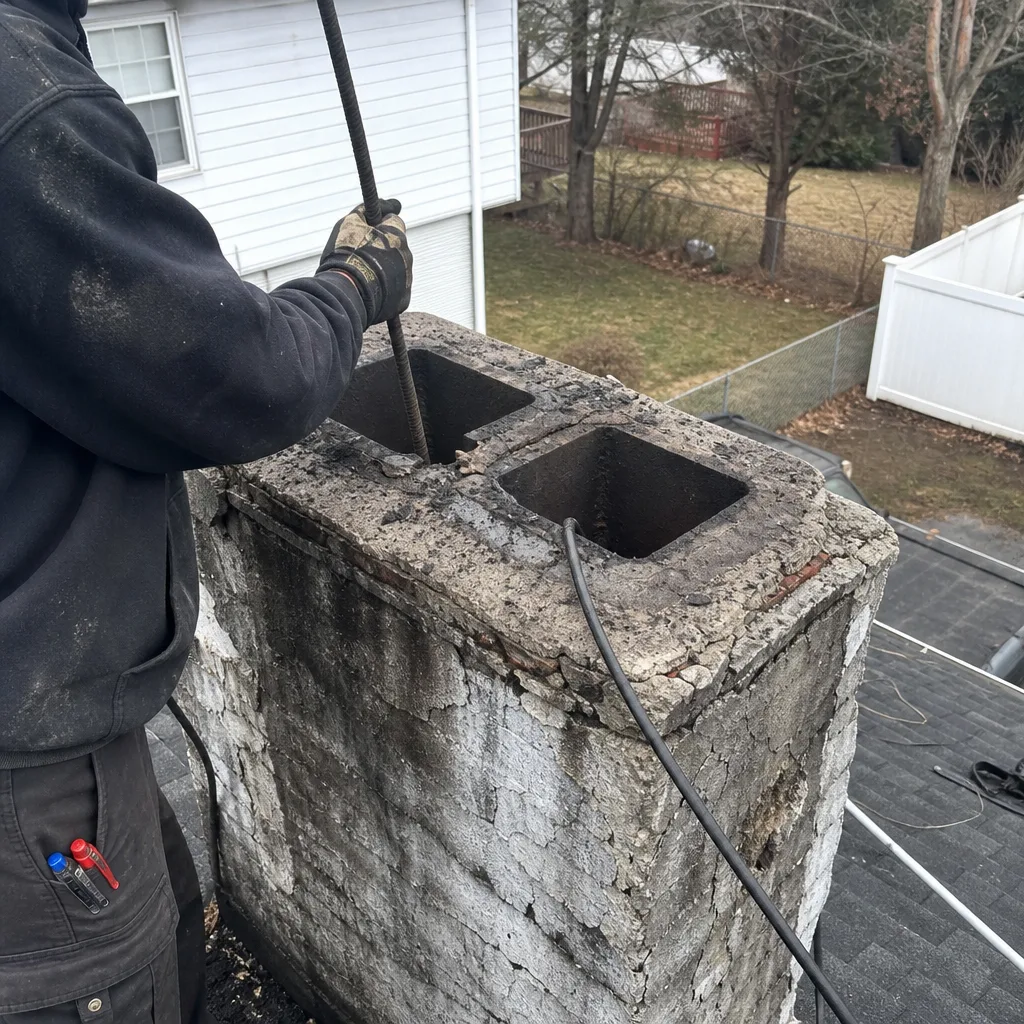 Before
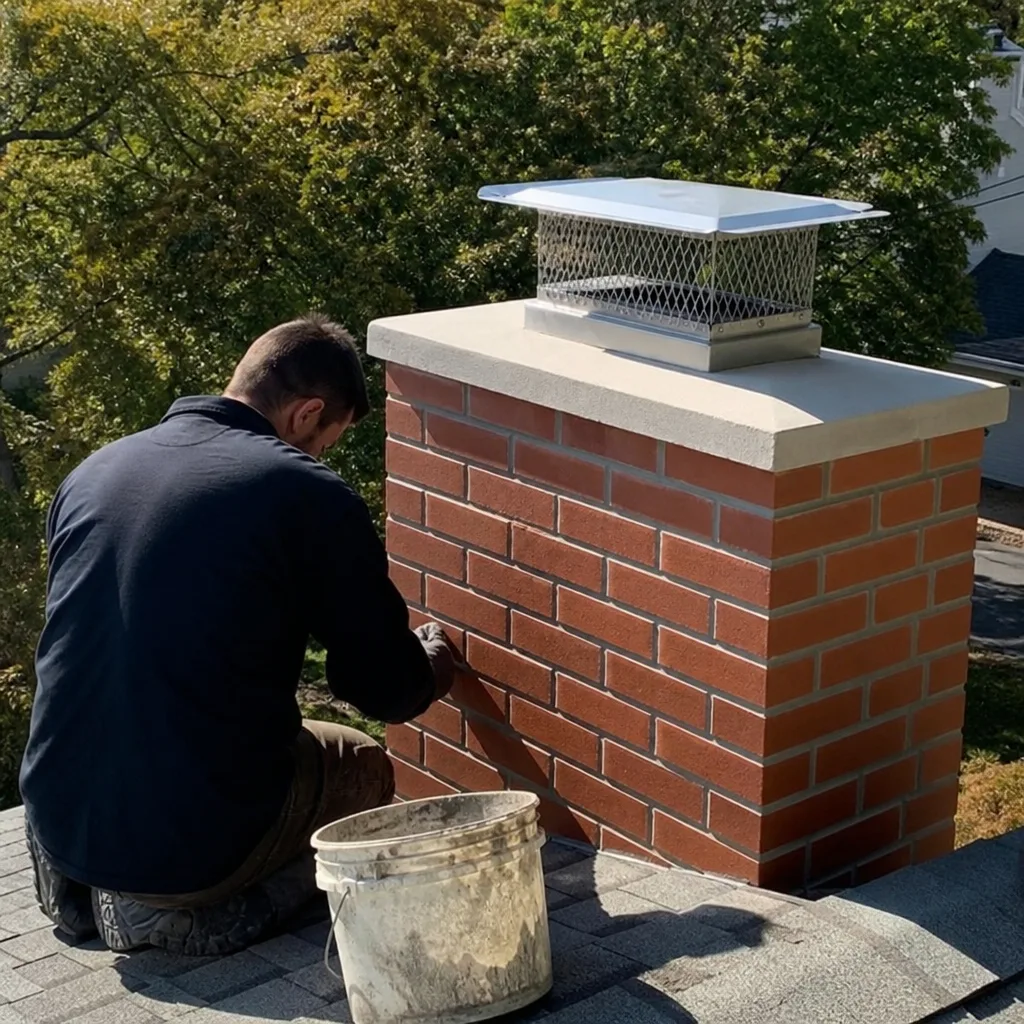 After
After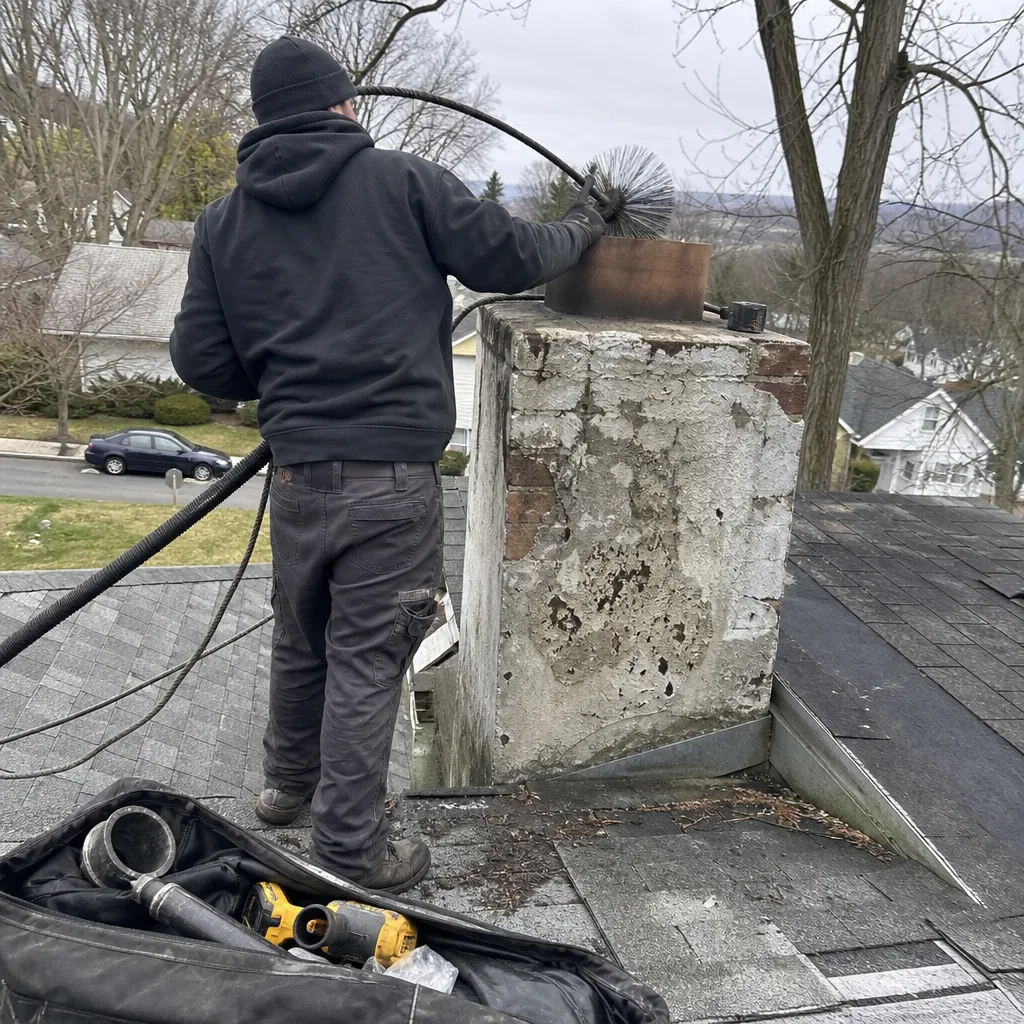 Before
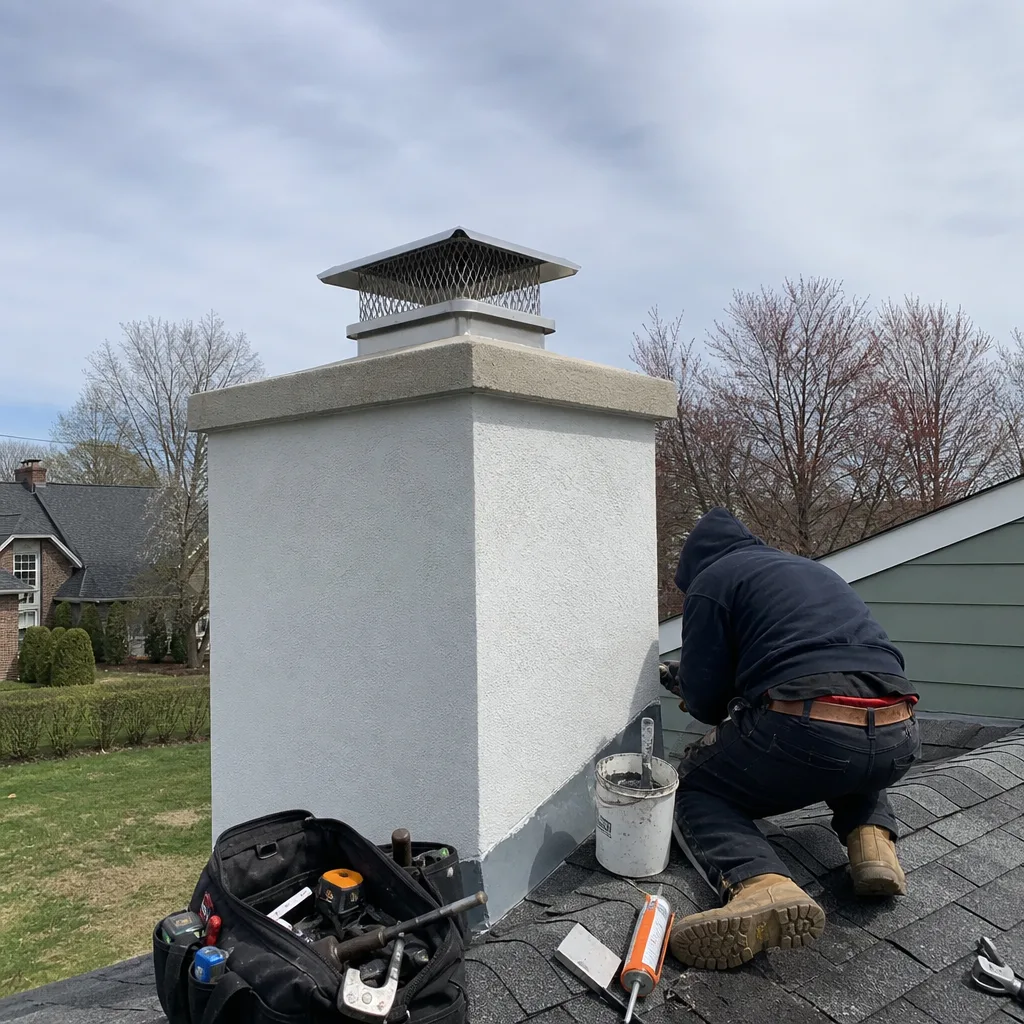 After
AfterSoot Removal in Yonkers, NY
How Much Does Chimney Cleaning & Sweep Cost? (2026 Price Guide) - Yonkers, NY: soot removal typically runs between $149 and $349, depending on how much buildup is present and how accessible your flue is. Most appointments finish in under two hours, and you walk away with a written scope, a photo record of before and after, and a price that was confirmed before anyone touched a brush. If you’re seeing black residue around your firebox, smelling smoke in rooms away from the fireplace, or your damper is leaving dark smudges on your hand, soot has moved past the firebox and into places it shouldn’t be.
Level Two Chimney Yonkers has been handling exactly this kind of work since 2009 – more than 38,000 chimney inspections and cleanings across Westchester County, every one of them documented with a photo record and a written price before any work started. Our Chimney Cleaning & Sweep in Yonkers service covers the full flue system, and soot removal is one of the most frequent calls we get from homeowners in Yonkers, particularly in neighborhoods like Park Hill, Dunwoodie, and Nepperhan where older Victorian and Tudor-style homes were built around fireplaces that see heavy seasonal use. Call us at (551) 212-3526 – a live person answers, any hour.
When You Need Soot Removal
Soot is a byproduct of incomplete combustion – it’s the fine, powdery black carbon that coats the inside of your flue, smoke chamber, and firebox when wood or gas doesn’t burn at a high enough temperature. A small amount after a fire season is expected. What follows is the list of signs that tell us the buildup has crossed from routine into something that needs to be addressed before your next fire.
- Black staining around the firebox opening or on the surround. If soot is migrating out of the firebox and onto the facing stone, brick, or tile, it’s a sign that your smoke is not drafting properly and soot is finding its way into the room rather than up the flue. In older Yonkers homes with original dampers, this is one of the first things we look for.
- A persistent smoky or acrid smell – even when the fireplace is not in use. Soot retains odor. A heavily coated flue liner can push that smell into living spaces, especially in summer when the air pressure differential reverses and draws air down the chimney. Homeowners in Yonkers Heights call this “the summer smell,” and it’s almost always soot-related.
- A visible dark film or powder inside the firebox. Running your hand along the back wall of the firebox and finding a thick, chalky black deposit is a concrete sign that soot has accumulated beyond what normal use would leave. Light gray ash is normal; dense black powder coating the walls is not.
- Reduced draw – fires are harder to start or smoke rolls into the room. Heavy soot narrows the effective diameter of the flue liner and creates surface turbulence that disrupts the draft column. If you’re going through more kindling than you used to or cracking a window to get a fire going, soot restriction is a likely cause.
- Your last inspection noted “light-to-moderate soot deposits” but no cleaning was done. Some sweep companies note deposits in their report and leave the decision to the homeowner. If that was your last visit and you’ve since run more fires, the deposits are heavier now. We see this frequently with customers who moved into homes in the Runyon Heights area after 2020 and assumed the previous owners had kept up with service.
- It’s been more than 12 months since the flue was cleaned. NFPA 211 – the standard we work to – calls for at least annual inspection and cleaning for any chimney in active use. Yonkers winters are long enough that most households running wood fires from October through March are burning enough fuel to produce significant soot accumulation by spring.
Our Soot Removal Process
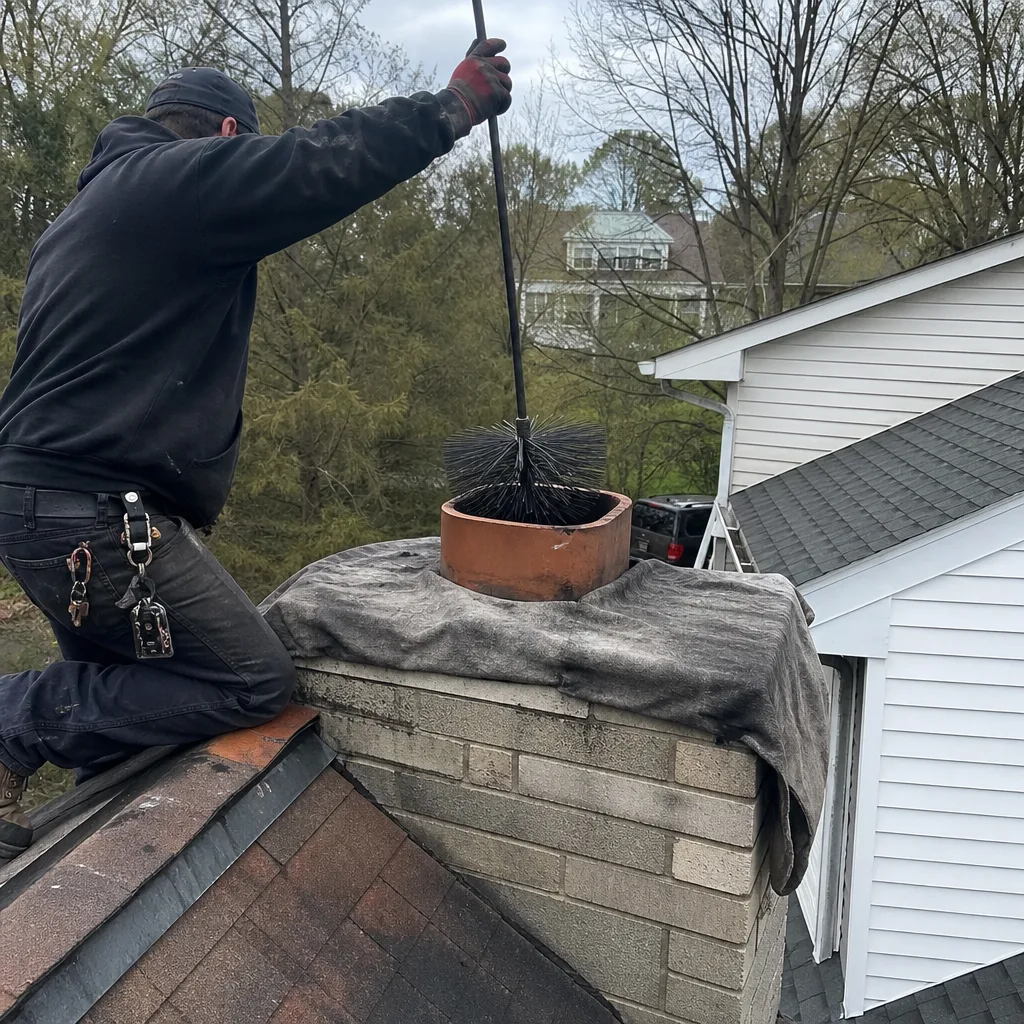
We follow the same documented sequence on every soot removal visit. Nothing is skipped based on the technician’s judgment that day, because the written scope you receive before the job starts commits us to the full process. Here’s exactly what happens when our crew arrives at your Yonkers address.
- Pre-work documentation and written price confirmation. Before any tool comes off the truck, the technician walks you through the written scope and confirms the price. Haven Standard Clause 1 (H.A.V.E.N.: “Have it in writing”) means you have the price in hand before work starts – always, without exception. If anything discovered during the assessment changes the scope, we tell you what we found and update the written price before proceeding.
- Camera-scan inspection of the flue liner. We run a camera down the flue before the brushes go in. This is the NFPA 211 Level 2 inspection approach that became standard practice for us in 2009, years before most Yonkers-area sweeps made it routine. The camera shows us the exact depth of soot accumulation, whether any Class II or Class III creosote is present alongside the soot, and whether the liner itself has any cracks or spalling that cleaning would expose. You see what we see.
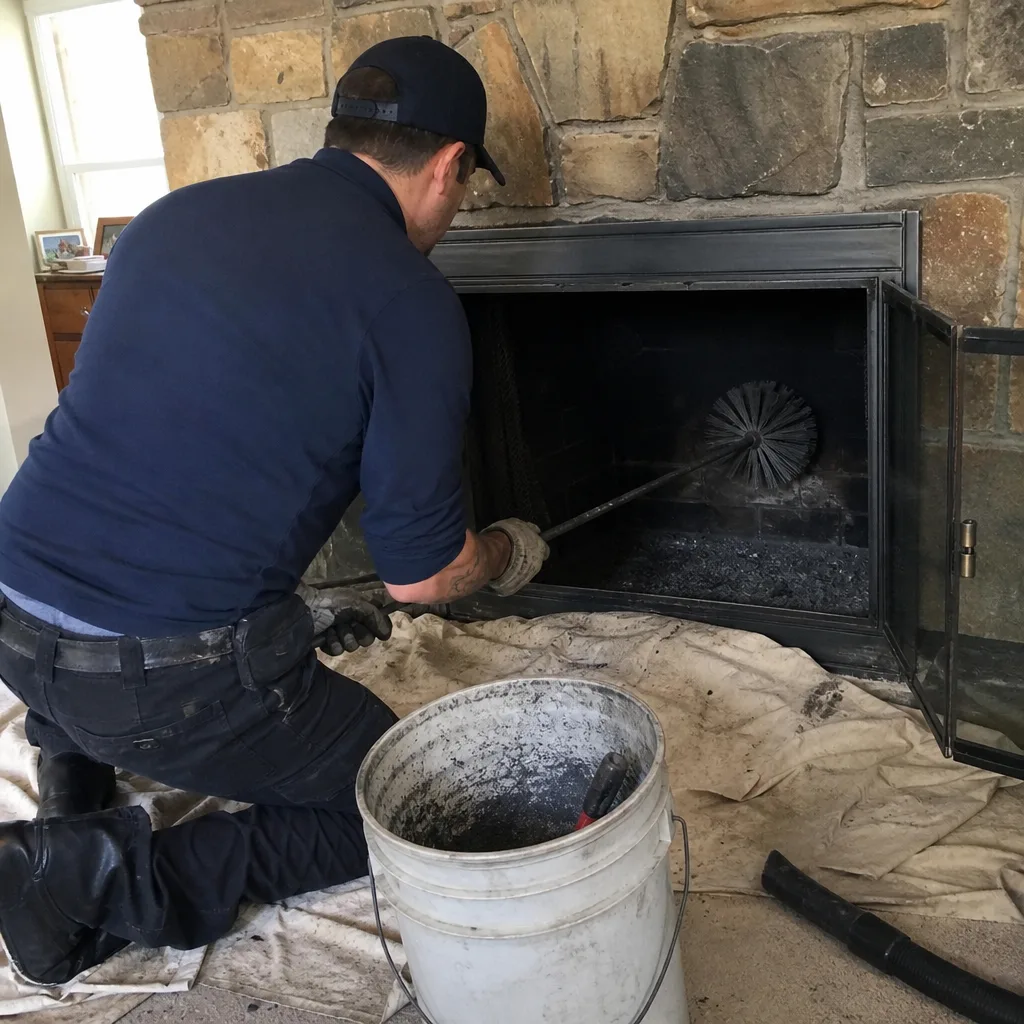
- Firebox and smoke chamber protection. We seal the firebox opening with a drop cloth and vacuum containment before brushing begins. Soot is fine enough to become airborne quickly, and we’ve seen it settle on furniture in adjoining rooms when the setup isn’t tight. Your living space stays clean.
- Mechanical brushing from the top down, with negative-pressure vacuum collection. Our technicians use rotary brushes sized to your specific liner diameter – round clay tile, oval, or flexible stainless – and work from the roof down toward the firebox, pushing soot and loose deposits into the firebox cavity where the vacuum system captures them. Gelco brushes are our standard for clay-tile liners because the bristle density works effectively without abrading the liner surface.
- Smoke chamber and smoke shelf cleaning. The smoke chamber is the funnel-shaped cavity directly above the firebox damper. It’s where soot accumulates most heavily because combustion gases slow down there before entering the narrower flue liner. We clean this separately with a smaller brush and a long-reach vacuum, because a sweep that only runs a brush down the flue liner and calls it done has left the worst accumulation behind.
- Post-clean camera pass and documented photo record. Once the cleaning is complete, we run the camera again and document the condition of the liner, smoke chamber, and firebox with photos. Haven Standard Clause 4 requires this photo record on every job – it’s your documentation, and we deliver it to you in writing. You can see the difference between what the camera showed before and after, and that record stays on file if you ever need it for an insurer or a home sale.
BeforeAfterSoot Removal Pricing in Yonkers
Soot removal in Yonkers runs between $149 and $349 for most residential fireplaces. The range is real – here’s what puts a job at one end or the other.
| Scenario | Typical Price Range |
|---|---|
| Standard single-flue fireplace, moderate soot, annual maintenance | $149 – $199 |
| Single flue with heavy soot buildup, smoke chamber included | $199 – $269 |
| Two-story flue or offset liner (common in older Yonkers Tudors) | $229 – $299 |
| Double-sided or multi-opening fireplace | $269 – $349 |
| Gas insert or wood insert with full smoke chamber cleaning | $189 – $279 |
A few factors that shift the number: flue length matters because longer runs mean more brushing time and more vacuum passes. Older Yonkers homes – particularly the pre-war two-flue systems common in the Crestwood-adjacent streets near the Mount Vernon border – sometimes require specialized brushes because the liner is oval or irregular, which adds a small amount to the labor time. If the camera pass reveals Class III creosote (a glazed, tar-like deposit that is a different animal from powdery soot), that requires a chemical treatment process before mechanical removal and is priced separately, clearly, in writing before we proceed.
The camera inspection that happens on every visit is not an add-on with its own line item. It’s included. The photo record is included. The written warranty under the 365-Day Done Right Promise is included. If something we cleaned is not right within 365 days, we make it right – that’s in writing on every job.
If you’re searching Chimney Cleaning & Sweep Near Me in Yonkers, NY and have a written estimate from another sweep company, bring it to us. We offer a Free Second Opinion on any written estimate. Call (551) 212-3526 for an exact quote on your specific flue setup – the estimate is free, and a live person will pick up.
What Makes Soot Different From Creosote
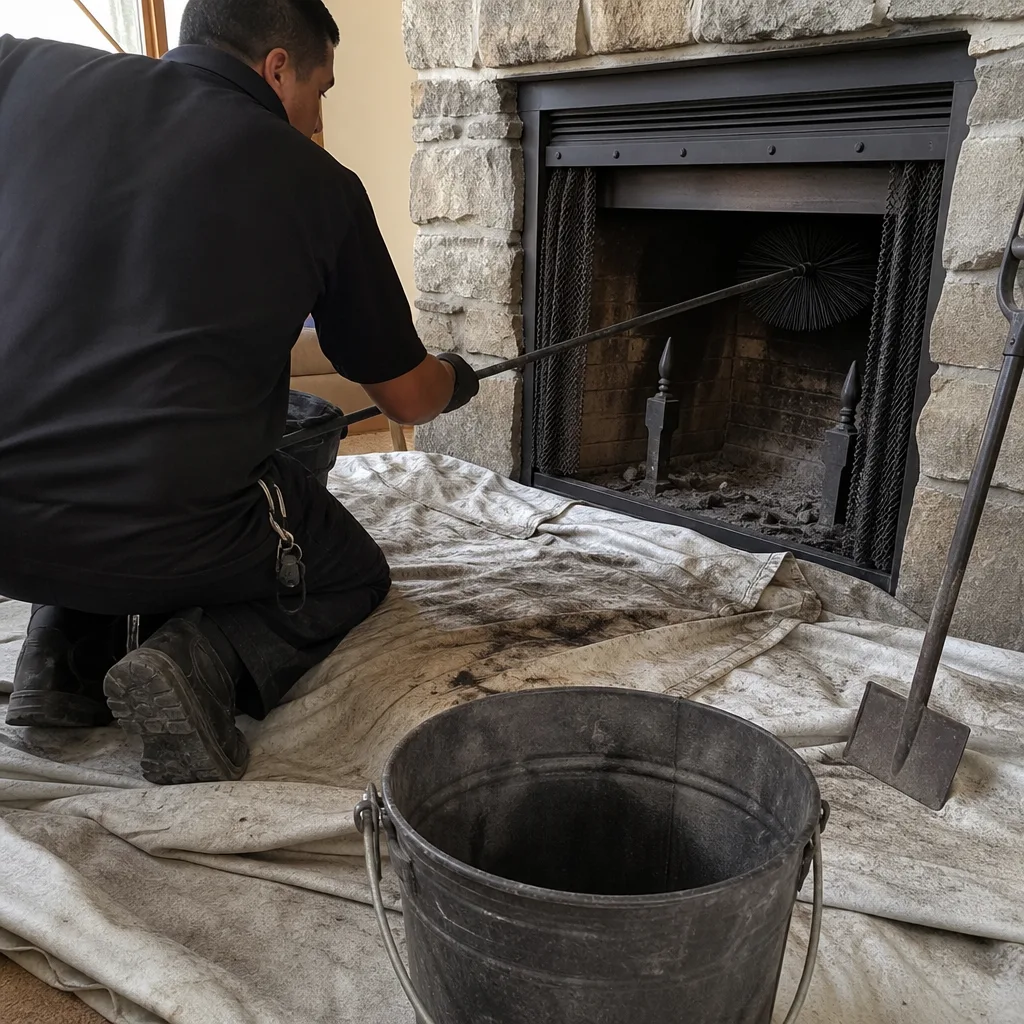
Homeowners often use the terms interchangeably, and it’s worth being precise because the cleaning method is different. Soot is the fine, dry, black carbon residue that coats the flue after normal combustion. It’s primarily carbon and ash particles, and it brushes out with mechanical cleaning. Creosote is a condensed, sticky byproduct that forms when combustion gases cool before they exit the flue – it starts as a dusty deposit (Class I), progresses to a flaky or tar-like coating (Class II), and in its worst stage becomes a glazed, almost resin-like substance (Class III creosote) that won’t respond to brushing alone.
When our camera goes down a Yonkers flue, we’re identifying which of these is present and where. Most of what we find in well-maintained fireplaces is soot with some Class I creosote mixed in – that’s routine cleaning territory. Class III creosote is less common but not rare, especially in homes where fires were burned slow and low with unseasoned wood. It requires a chemical treatment product applied to convert the deposit before mechanical removal. We’ve used Olympia Chimney-sourced chemical treatments for this for years, and the process is well-established. The point is: a camera tells you what you’re dealing with before you pay for the wrong treatment.
Soot and Yonkers Homes: A Few Local Specifics
Yonkers has a specific housing stock that shapes what we find on soot calls. The city’s pre-war neighborhoods – Getty Square, Nodine Hill, Greystone – are full of homes with original clay-tile flue liners that have been in service for 80 or more years. Those liners accumulate soot in ways that newer stainless liners don’t, because the tile surface is slightly porous and the mortar joints between tiles can trap fine particulates. When we clean these flues, the camera often shows deposits packed into joint seams that a simple brush pass won’t fully clear.
The Hudson River corridor also creates a specific draft condition. Yonkers sits at an elevation transition – parts of the city climb steeply from the waterfront to Nepperhan and beyond – and homes at different elevations experience different wind pressure on their chimney caps. A home at street level near the river can have a very different draft behavior than a home three blocks uphill. We take that into account when we assess draw complaints, because soot accumulation patterns are partly a function of how well the flue drafts in the first place. A chimney that drafts well burns cleaner and leaves less soot per cord of wood burned.
For homeowners who bought in Yonkers after 2018 and haven’t had an inspection since closing, there’s a practical reality: the disclosure documents rarely tell you the condition of the flue liner or the last cleaning date. We’ve walked into Park Hill homes where the previous owners clearly ran fires without ever scheduling a cleaning, and the soot accumulation told that story clearly in the camera footage. If you don’t know when the flue was last cleaned, treat it as overdue and schedule an Annual Sweep.
FAQs – Soot Removal
How much does soot removal cost in Yonkers?
Soot removal in Yonkers costs between $149 and $349 for most single-flue residential fireplaces. The price depends on flue length, the depth of the soot buildup, and whether the smoke chamber requires separate cleaning. The camera inspection and photo documentation are included in every visit – they’re not billed separately. Before any work starts, you receive a written price and written scope under Haven Standard Clause 1. Call (551) 212-3526 for a free estimate specific to your flue.
Is soot removal different from a standard chimney sweep?
Soot removal is one component of a chimney sweep, but the two aren’t always identical. A full Chimney Cleaning & Sweep under our service includes the flue liner, smoke chamber, smoke shelf, and firebox, plus a camera inspection and photo record. When we schedule a soot removal visit, we include all of these – we don’t brush the liner and skip the smoke chamber, because that’s where the heaviest soot accumulates. If a company quotes you a “chimney sweep” and doesn’t mention the smoke chamber or camera, ask them specifically what’s included before you commit.
Can soot removal wait, or is it genuinely urgent?
Soot itself is not a fire hazard the way Class III creosote is – it doesn’t ignite easily. But that’s not the only reason to address it. Heavy soot restricts airflow, which means fires burn less efficiently and produce more smoke and more creosote over time. Soot also traps moisture against the flue liner, which accelerates spalling on clay-tile liners – a repair that costs far more than a cleaning. And if the camera finds that what you thought was soot is actually Class II or Class III creosote, that changes the urgency entirely. A camera inspection tells you which situation you’re actually in.
Do you remove soot from gas fireplaces and inserts, too?
Yes. Gas fireplaces produce less soot than wood-burning systems, but they do produce it – particularly if the burner is running slightly off-ratio, if the ceramic logs are positioned incorrectly, or if the insert is older and the combustion chamber has developed a draft imbalance. Gas insert flues in Yonkers are often smaller-diameter liners, which means soot accumulates proportionally faster and can restrict draft more quickly. We clean gas insert flues using brushes sized to the liner diameter and run the same camera documentation on every visit.
Key Takeaways
- Soot removal in Yonkers runs $149 to $349 for most single-flue residential fireplaces, with the price confirmed in writing before work starts.
- Every visit includes a camera inspection of the flue liner – not a flashlight look – and a photo record delivered to you when the job is done.
- Soot and creosote are different substances requiring different treatments; the camera tells you which you have before you pay for any cleaning.
- The smoke chamber cleans separately from the flue liner – any sweep that skips it has left the area of heaviest accumulation behind.
- Yonkers homeowners with pre-war clay-tile liners should expect to find soot packed into mortar joints, which requires a slower, more deliberate cleaning pass than a standard brush-and-go approach.
- Every job is backed by the 365-Day Done Right Promise – if it’s not done right, we make it right, in writing.
Schedule Soot Removal in Yonkers
If you’re ready to book a soot removal appointment, or if you want to know exactly what’s in your flue before you commit to anything, call (551) 212-3526. A live person answers that line around the clock. You’ll have a written price before our technician picks up a single brush, and a photo record of the job when it’s done. Level Two Chimney Yonkers has been working this way since 2009, across Yonkers neighborhoods from Greystone to Park Hill to Dunwoodie, and the standard hasn’t changed. If you have a written estimate from another company, bring it – we’ll give you a free second opinion on it. The home page has more on how the Haven Standard applies to every service we offer.
Written by Corrine Halstead, Owner at Level Two Chimney Yonkers, serving Yonkers.