
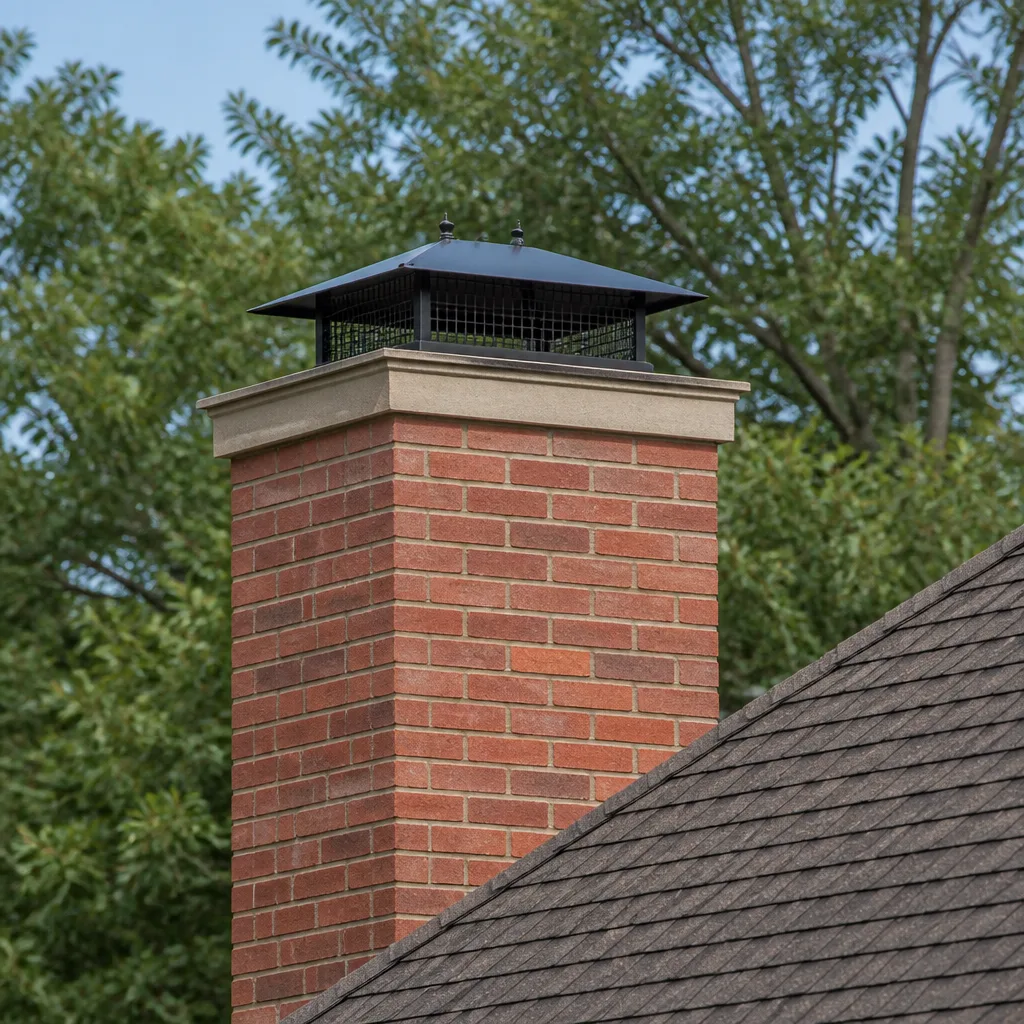
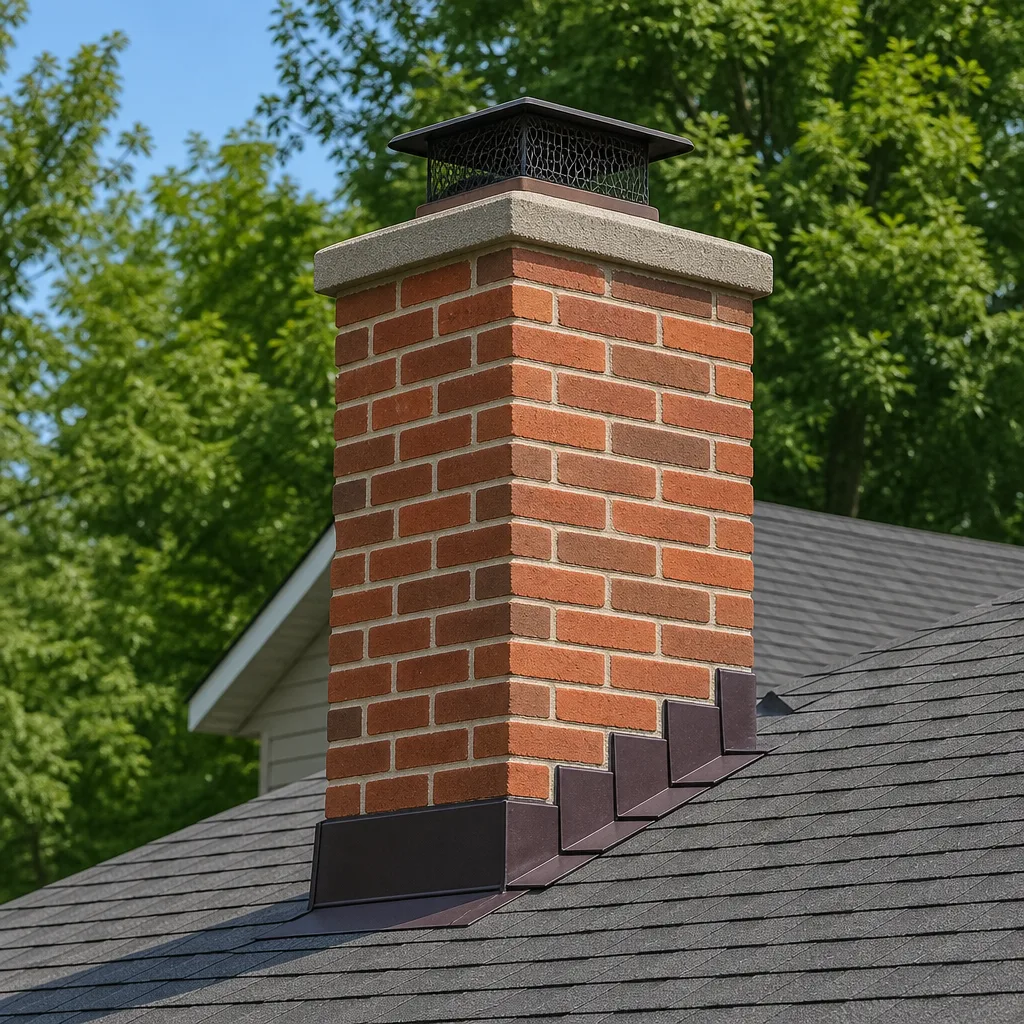
Level 1 sweep and inspection to the NFPA 211 annual standard - flue, crown, cap, and flashing checked and photographed
Chimney sweep logs do not sweep chimneys. They loosen some creosote - which then falls where a brush and vacuum still have to collect it.
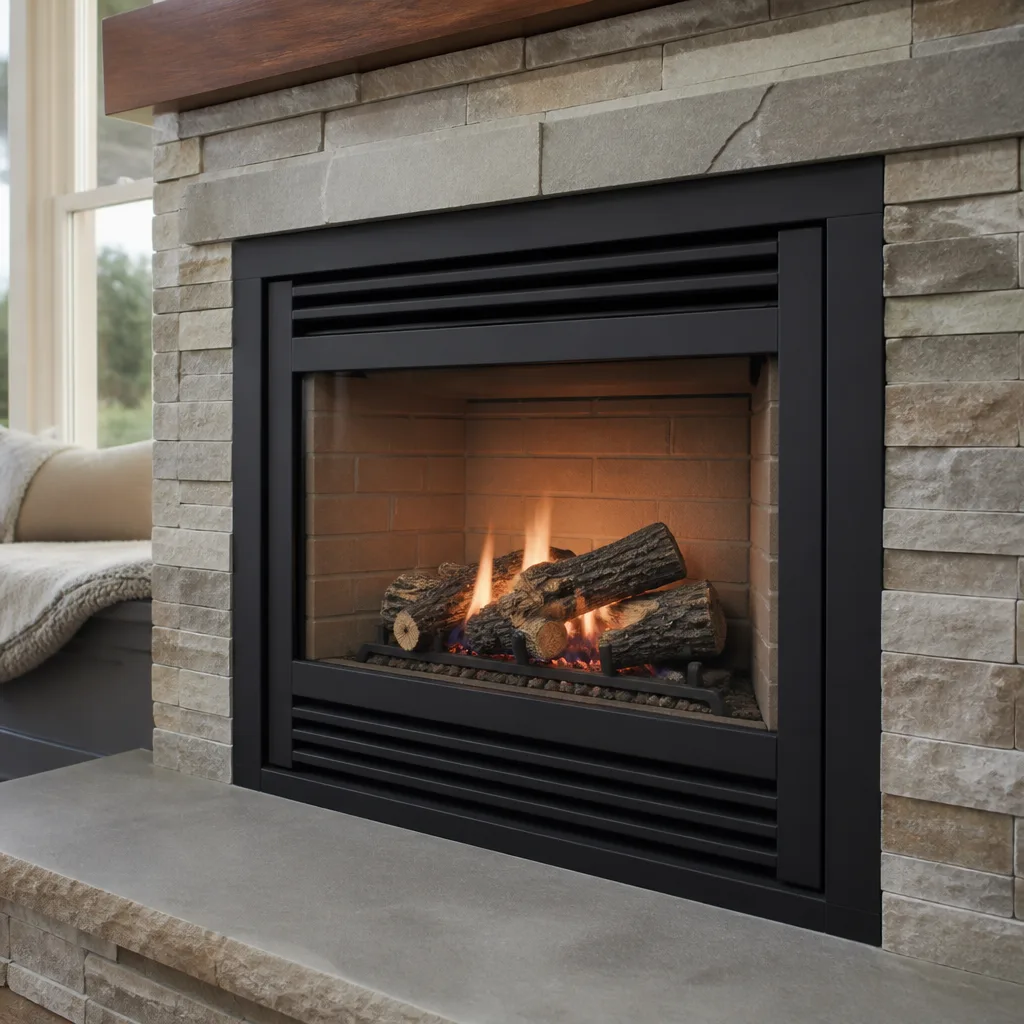
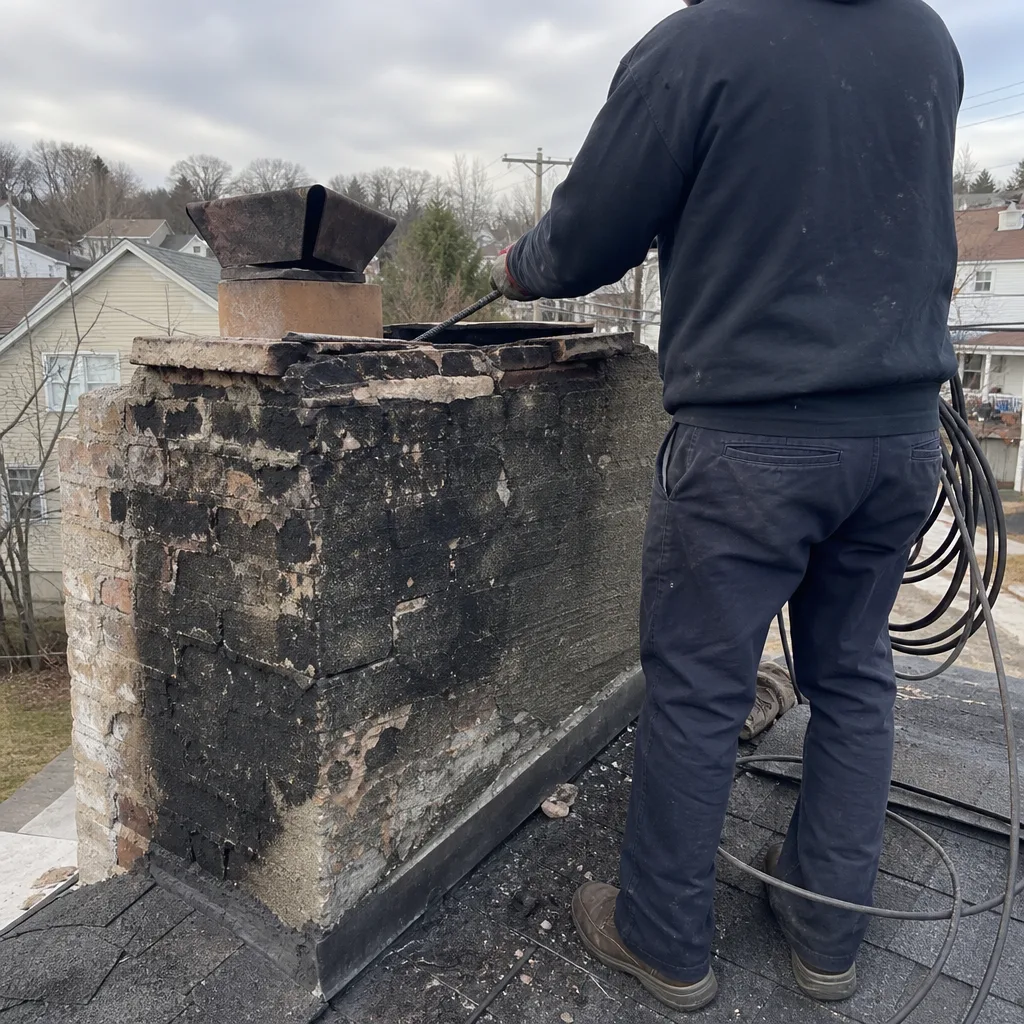 Before
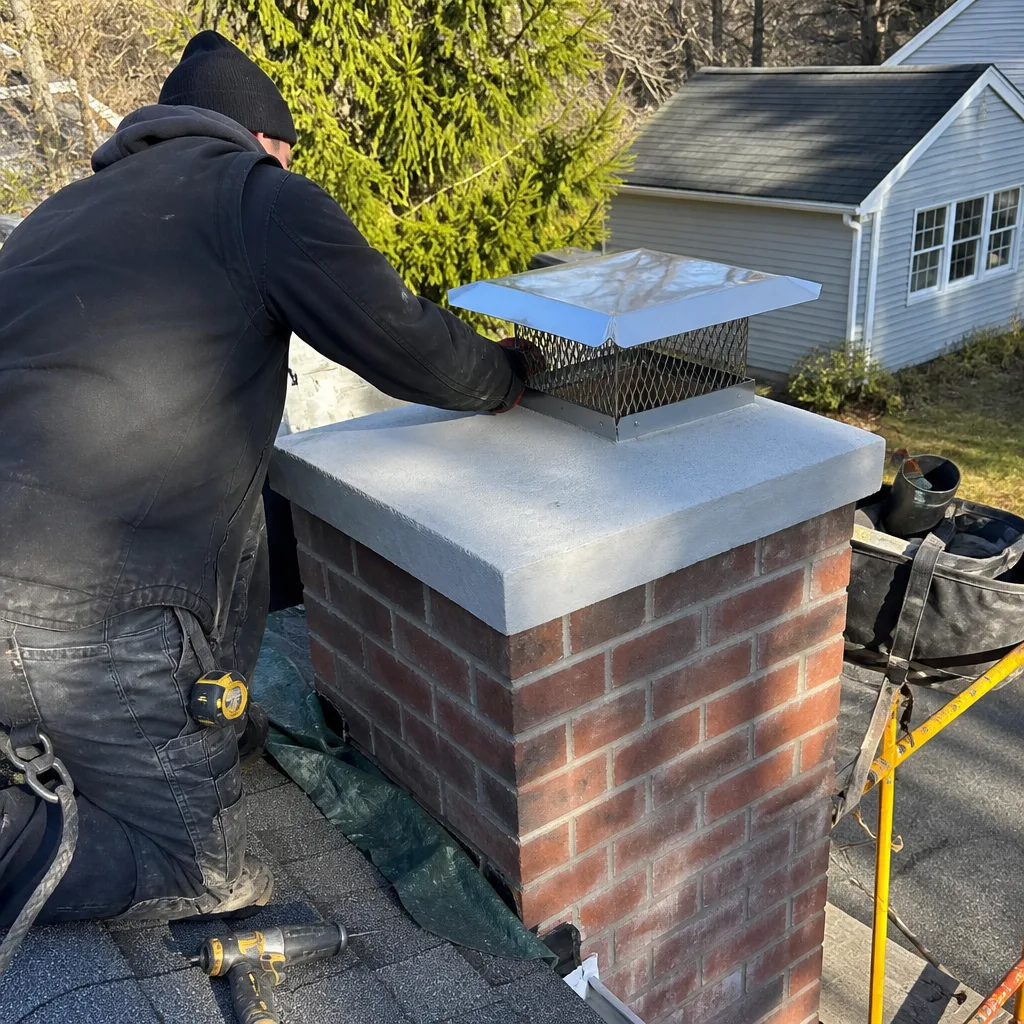 After
After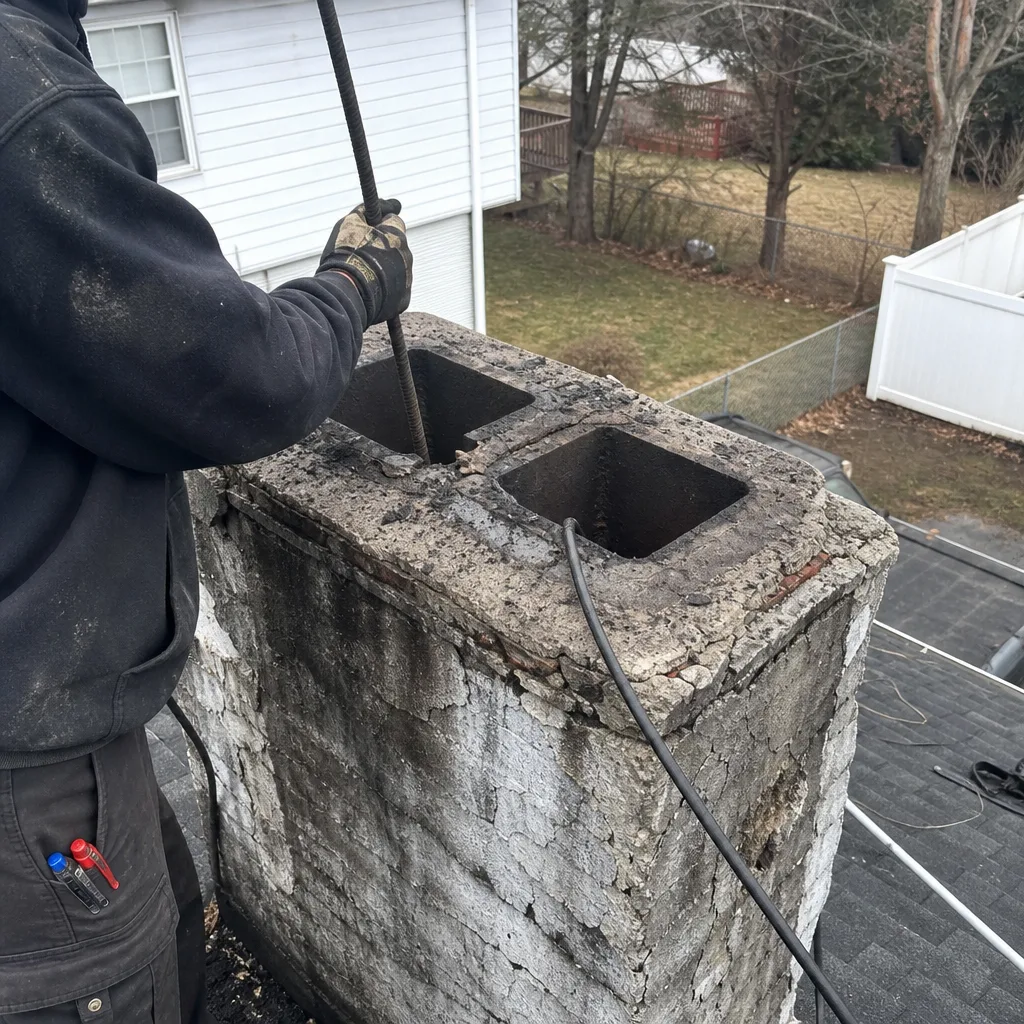 Before
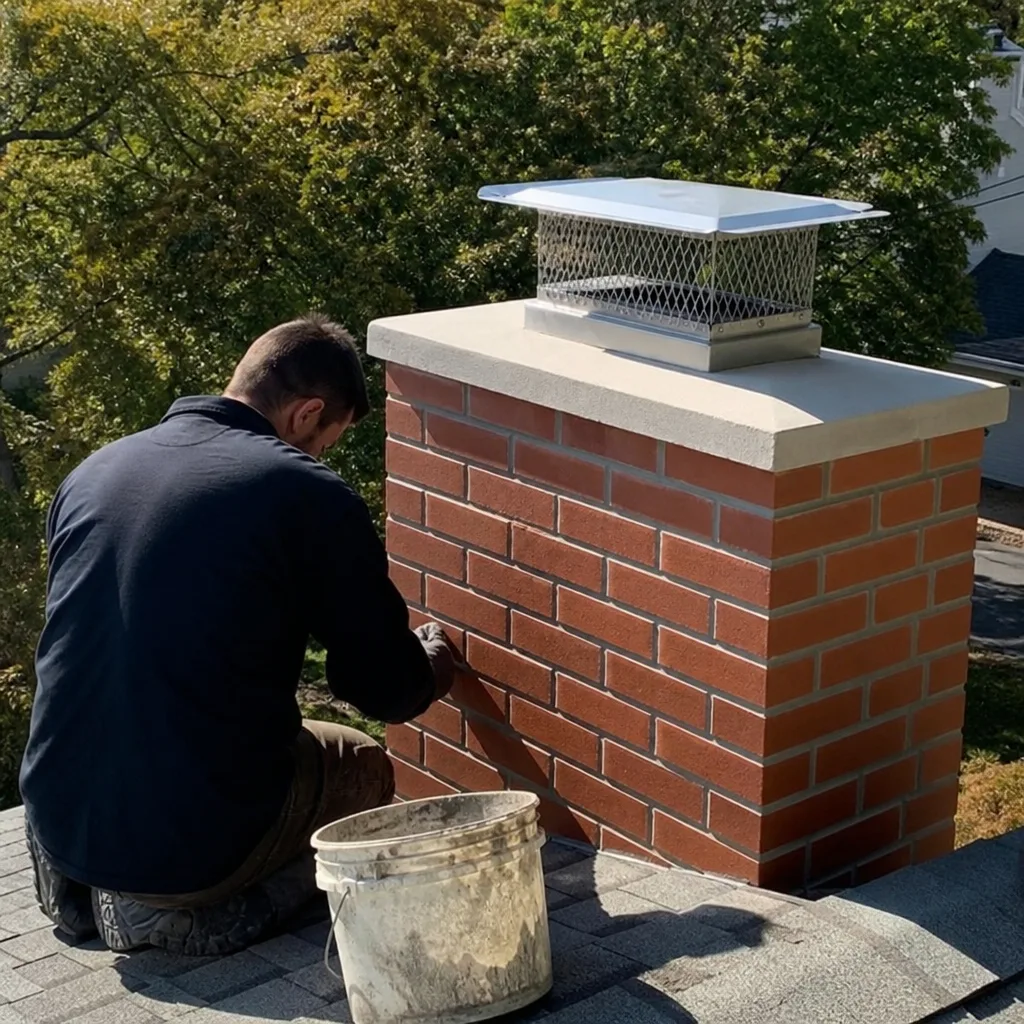 After
After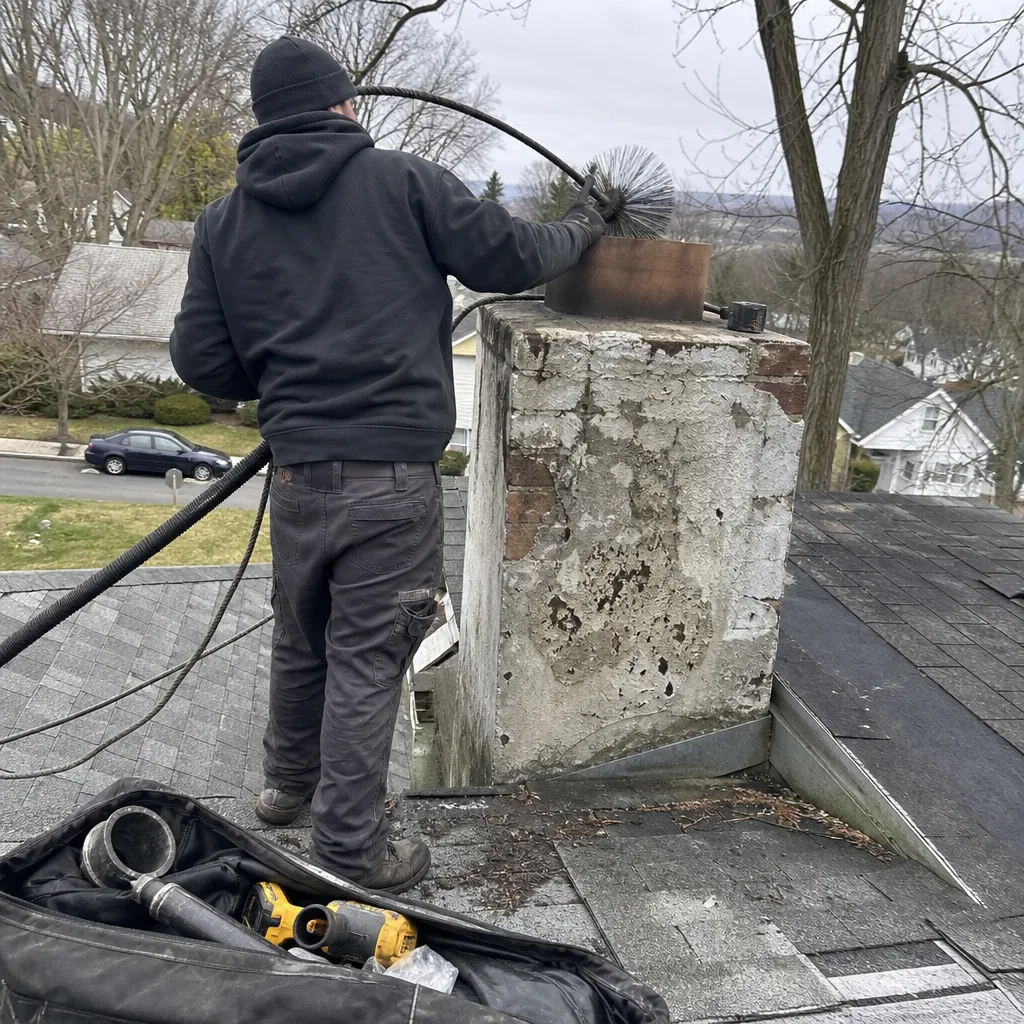 Before
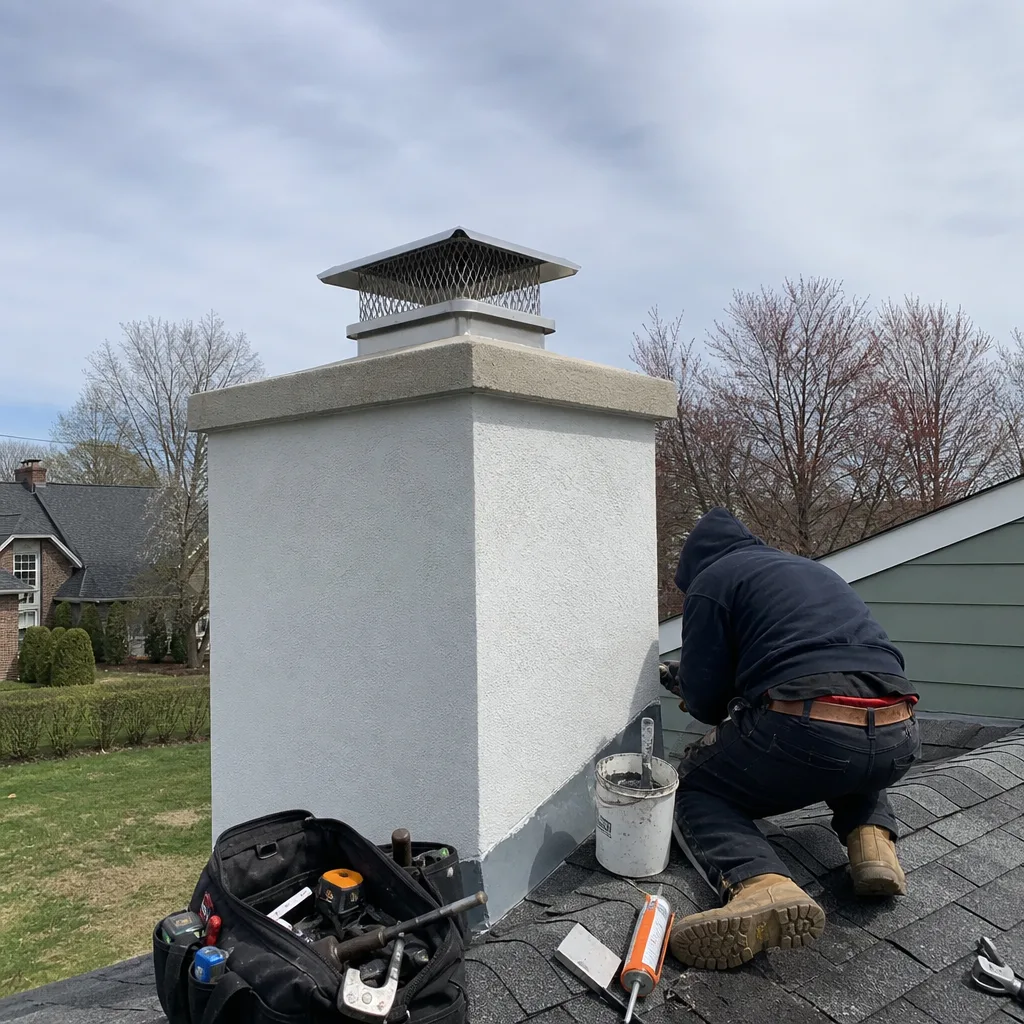 After
AfterCreosote Removal in Yonkers, NY
Creosote removal in Yonkers typically costs between $180 and $650, depending on the class of buildup and flue length, and most jobs are completed in a single visit. Class I and Class II deposits come out during Chimney Cleaning & Sweep services; Class III glazed creosote requires chemical treatment and a return cleaning, which is why the price range runs wider than most homeowners expect. If you’re seeing dark, tar-like residue around your firebox or smelling something sharp and oily when the fireplace isn’t running, it’s time to have the flue camera-scanned before you light another fire.
At Level Two Chimney Yonkers, creosote removal is part of our core Chimney Cleaning & Sweep in Yonkers work. Every visit starts with a camera-scan inspection – a documented look at the flue liner, smoke chamber, and firebox so we know exactly what class of creosote we’re dealing with before anyone picks up a brush or applies a product. You get a written price before any work begins, a photo record when it’s done, and a 365-Day Done Right Promise on the result. That’s not a sales pitch; it’s what Clause 1 and Clause 4 of the Haven Standard require on every job we run. Call us at (551) 212-3526 – a live person answers, any hour.
What Creosote Actually Is – and Why Class Matters
Creosote is the byproduct of incomplete combustion. When wood smoke cools against the inside of a flue liner, the unburned gases condense into deposits that stick to the clay tile or stainless steel surface. The trade classifies it in three stages, and that classification determines how we remove it.
- Class I (Degree 1): Loose, flaky, or dusty soot. It brushes out cleanly during a standard sweep and is the result of burning dry, well-seasoned hardwood at adequate temperatures.
- Class II (Degree 2): Crunchy, tar-like flakes or porous deposits. It still responds to rotary brush cleaning but takes longer and requires the right brush diameter for the flue size.
- Class III (Degree 3): Glazed, shiny, or runny-looking buildup. This is the one that can ignite at temperatures above 1,000°F and is responsible for most of the chimney fires we document in Yonkers homes. It does not brush out. It requires a chemical conversion treatment – products like those in the Olympia Chimney supply line – followed by a return visit to clear the converted material.
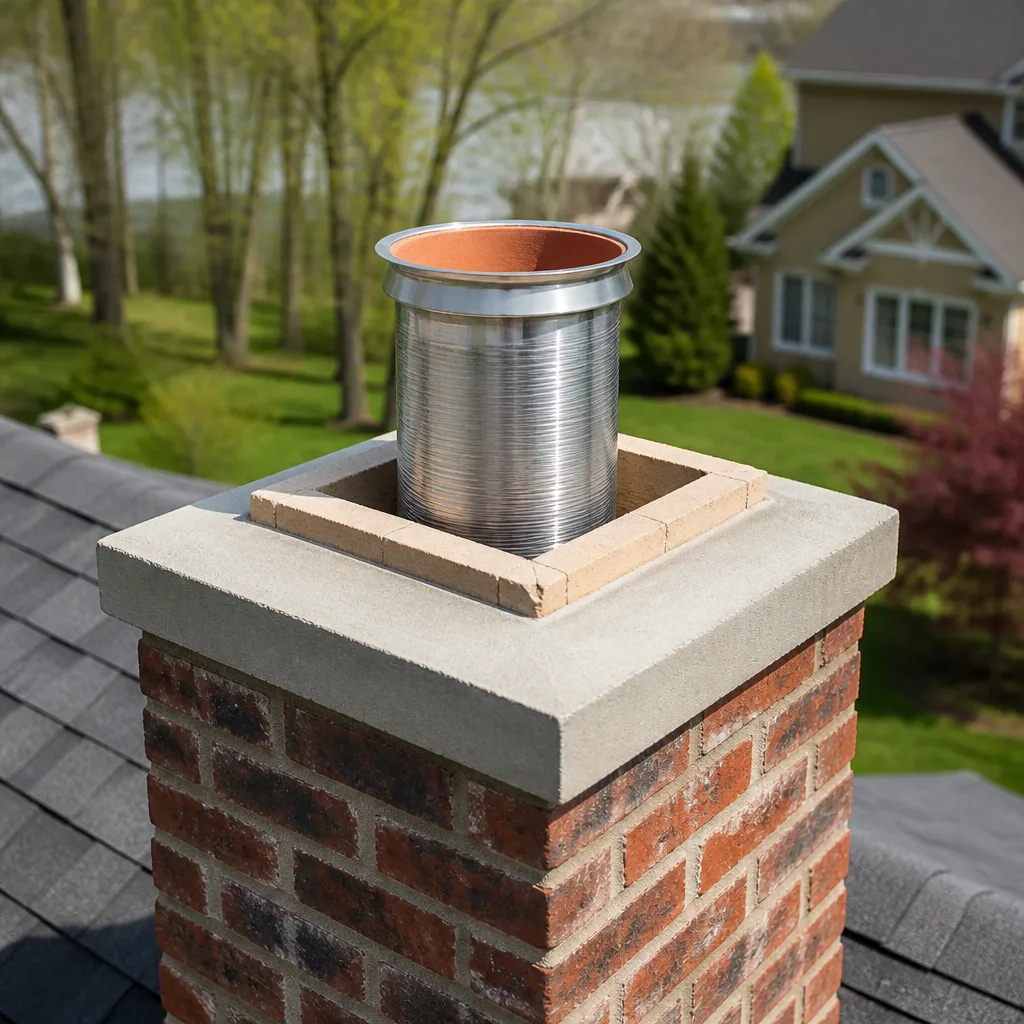
Yonkers has a mix of housing stock that creates some specific creosote patterns. In the older Tudor and Colonial homes in Crestwood and Bryn Mawr, we frequently find clay tile liners that were never relined after decades of oil-burner use, then repurposed for Fireplace Cleaning and wood-burning use. That combination produces accelerated Class II and Class III buildup faster than the same fireplace would in a newer home with a properly sized stainless liner. In the high-rise condos and newer construction near the Yonkers waterfront, we more often see Class I buildup from gas log inserts that were never cleaned because the owner assumed gas meant clean – it doesn’t, especially when a wood-burning firebox is still present but converted.
When You Need Creosote Removal
- You smell something sharp or oily near the fireplace when it’s cold. That smell is Class II or Class III creosote off-gassing into the living space. It means the buildup has reached a stage where it’s penetrating brick and mortar, not just sitting on the liner wall.
- You haven’t had the flue cleaned in more than 12 months and used the fireplace regularly last season. The Chimney Safety Institute of America recommends annual cleaning for any actively used wood-burning system. In Yonkers, where winters run hard from November through March, a single heating season is enough to accumulate significant Class II deposits.
- Your fires burn sluggishly or smoke back into the room. A flue that’s more than one-quarter restricted by creosote deposits can’t draft properly. The smoke has nowhere to go but back through the firebox opening.
- The camera shows a shiny or wet-looking surface inside the flue. Glazed Class III creosote has a distinct reflective appearance under camera light. If the technician’s report says “glazed deposits observed,” chemical treatment is not optional – it’s the only safe path to restoration.
- You’ve had a chimney fire, even a small one. A chimney fire can be quiet – a low roar you might mistake for wind – but it burns at temperatures that crack clay tile and warp stainless liner sections. After any suspected chimney fire, a full Level 2 inspection and thorough creosote removal is required before the fireplace is used again. We see this scenario regularly in homes in Dunwoodie and Nepperhan, where older systems were never updated.
- You’re buying or selling a home in Yonkers. Real estate attorneys and home inspectors in Westchester County are increasingly asking for documented chimney records. A camera-scan report with a written creosote assessment and cleaning receipt protects both sides of the transaction.
BeforeAfterOur Creosote Removal Process
We don’t show up with a brush and hope for the best. The process below is what we actually do on every creosote removal job in Yonkers, from a single-family on Kimball Avenue to a multi-unit on the North Broadway corridor.
- Camera-scan inspection before anything else. A calibrated inspection camera goes down the full length of the flue – from the chimney cap to the smoke chamber – and we document what we find. This is the NFPA 211 Level 2 standard, and it’s the only way to accurately classify the creosote and identify any liner cracks or obstructions before we start. The photo record is yours to keep. This is Clause 4 of the Haven Standard, built into every visit since 2009.
- Written price, written scope, written warranty – before work starts. Once we know what we’re dealing with from the camera scan, we give you a written quote that names the creosote class, the method we’ll use, the materials involved, and the price. No number changes after we’ve started. Haven Standard Clause 1 – “Have it in writing” – applies to every job without exception.
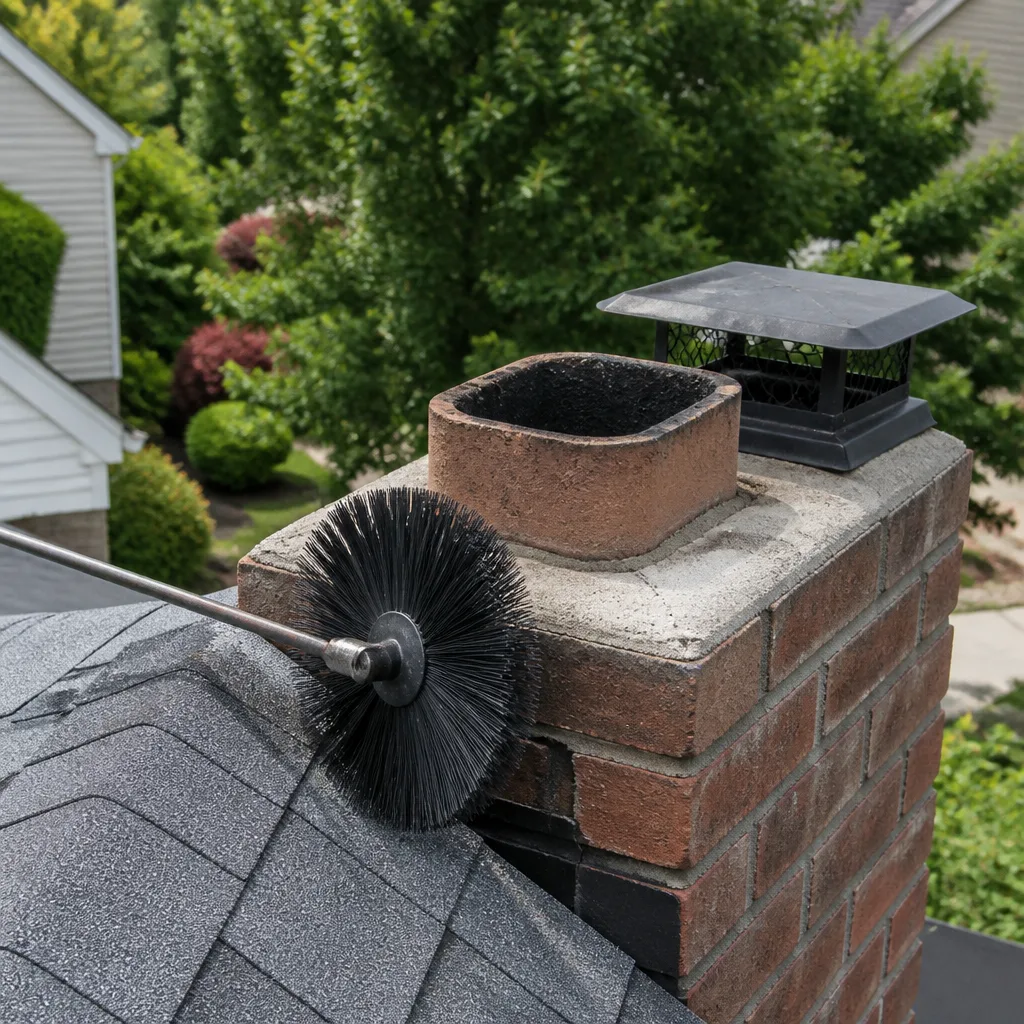
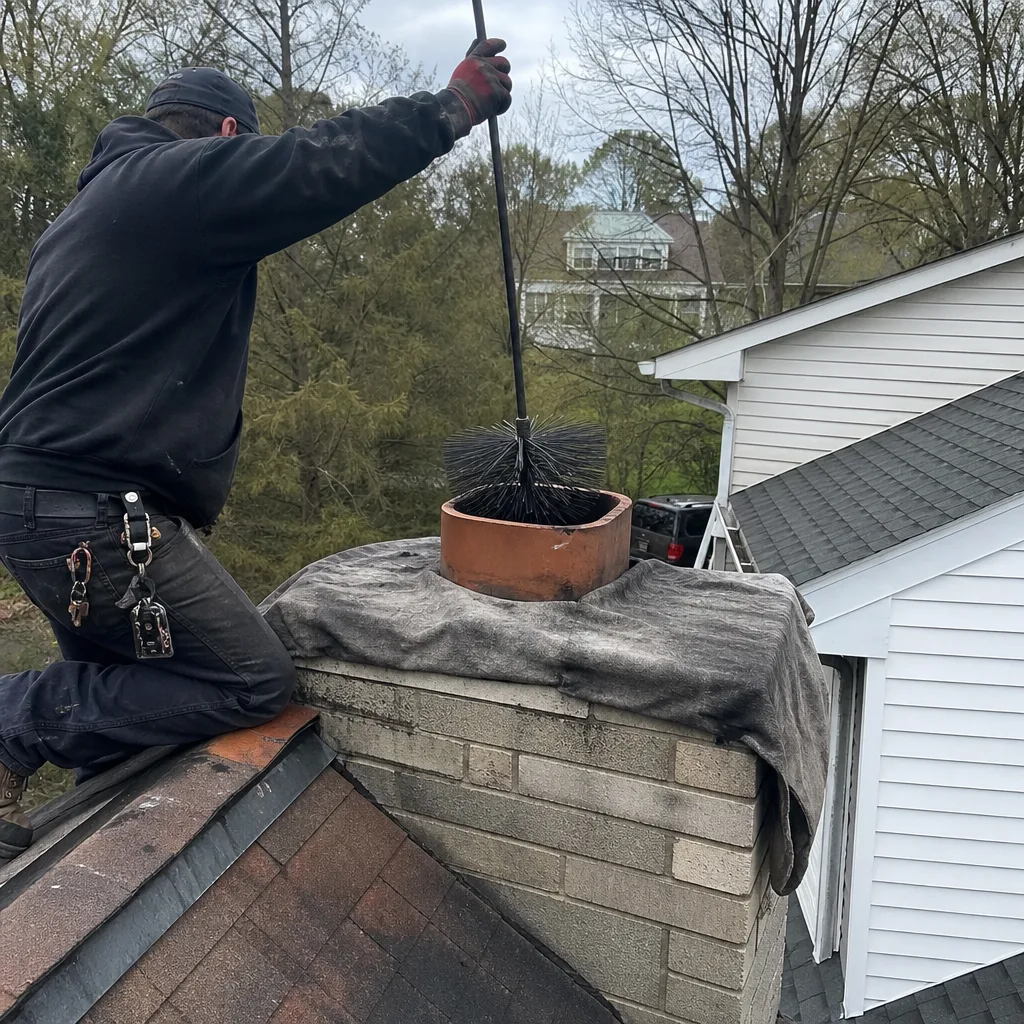
- Class I and Class II removal by rotary brush cleaning. For first- and second-degree deposits, we seal the firebox opening with a work barrier, use appropriately sized rotary brushes to work the flue from top to bottom, and vacuum the loosened material with a HEPA-equipped unit. Your living room stays clean. The job is typically finished in under two hours.
- Class III chemical conversion treatment. For glazed creosote that won’t respond to brushing, we apply a chemical conversion agent – sourced through our supply relationships with Olympia Chimney – that modifies the molecular structure of the glaze, making it porous and brittle enough to be brushed out. This is not a one-step fix. The chemical needs time to work, typically 7 to 14 days, which is why Class III removal requires a return visit. We schedule that return visit before we leave the first appointment, and the cost is included in the written quote you received at step two.
- Post-cleaning camera confirmation. After the cleaning is done – whether it’s a single visit for Class I/II or a two-visit process for Class III – the camera goes back down the flue. We’re looking for anything the brushing may have dislodged, any previously hidden liner damage that was masked by the deposits, and confirmation that the flue restriction has been fully cleared. If we see something that needs repair, you’ll have a written quote for that too, before we touch it.
- Documented photo record delivered on completion. You walk away with before-and-after camera images, a written record of the creosote class we found, the method used, and the materials applied. That documentation matters for insurance claims, home sales, and your own records. It’s standard under Clause 4 – not an add-on, not something you have to ask for.
Creosote Removal Pricing in Yonkers
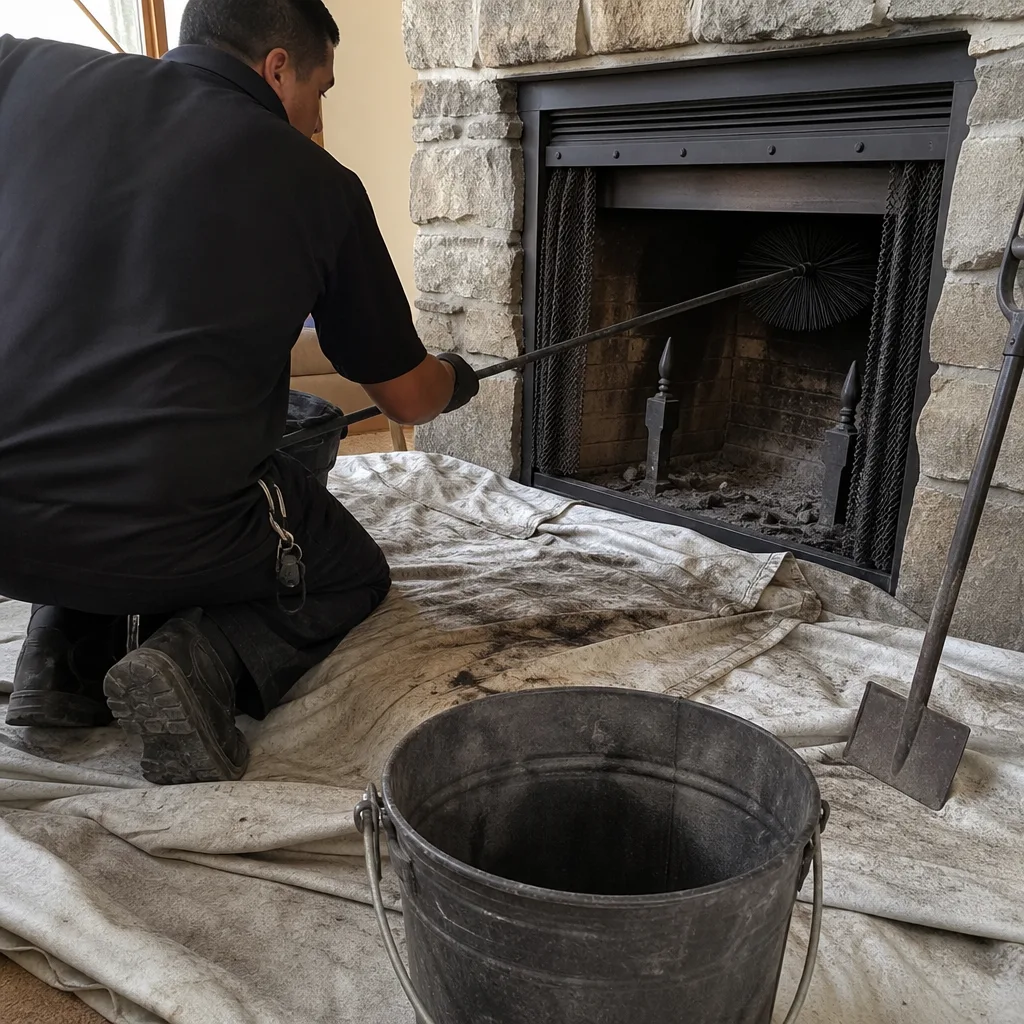
Creosote removal in Yonkers runs between $180 and $650 for most residential jobs. The spread exists because the work isn’t the same across all three classes of buildup. Here’s what the pricing actually looks like broken down by scenario.
| Service | Typical Price Range | What’s Included |
|---|---|---|
| Class I Creosote Removal (with standard sweep) | $180 – $280 | Camera scan, rotary brush cleaning, HEPA vacuum, photo record |
| Class II Creosote Removal | $240 – $380 | Camera scan, extended rotary cleaning, photo record, written scope |
| Class III Glazed Creosote Removal | $420 – $650 | Camera scan, chemical conversion treatment, return visit cleaning, before-and-after photo record |
| Post-Chimney-Fire Assessment and Removal | $350 – $600+ | Full Level 2 inspection, documented damage assessment, creosote removal, written repair scope if liner damage is found |
What moves a job toward the higher end of the range: flue length (a three-story chimney on a Colonial in Park Hill takes longer than a one-story ranch), liner type (square-section clay tile is harder to fully clean than round stainless), access (some Yonkers homes have steep pitches or tight chimney chases that slow the top-down work), and severity of buildup. We don’t pad the estimate with line items you don’t need. The written price you receive after the camera scan is the number that appears on your invoice.
Estimates are free. If you already have a written quote from another company, bring it – our Free Second Opinion is available on any written estimate, and we’ll tell you plainly whether the scope and price make sense. Call (551) 212-3526 to schedule.
FAQs – Creosote Removal in Yonkers
How much does creosote removal cost in Yonkers?
Creosote removal in Yonkers costs between $180 and $650 for most single-flue residential jobs. Class I and Class II buildup falls in the $180-$380 range and is handled in one visit. Class III glazed creosote requires chemical treatment and a return cleaning, which puts it between $420 and $650. Your exact price is quoted in writing after a camera scan of the flue – before any work starts. Call (551) 212-3526 for a free estimate.
Is Class III creosote dangerous, and can I use my fireplace while waiting for treatment?
Class III creosote is the primary fuel source in chimney fires. It ignites above 1,000 degrees Fahrenheit and burns hot enough to crack clay tile liners and compromise the masonry surrounding the flue. No – do not use the fireplace between a Class III diagnosis and the completion of removal treatment. We document this recommendation in writing when we identify Class III buildup, and we schedule the chemical treatment visit before we leave your home so the gap is as short as possible. If you suspect glazed buildup right now, stop using the fireplace and call us.
Can I use a creosote removal log instead of a professional sweep?
Creosote removal logs – products like those sold under names such as Creosote Sweeping Log – reduce Class I deposits somewhat and can help prevent Class II from hardening further. They do not remove established Class II or Class III buildup, and they do not produce a camera record, a condition assessment, or documentation you can use for insurance or a home sale. For a fireplace you’re actually relying on to heat your Yonkers home through winter, a camera-scan cleaning is the standard that answers liability questions the log can’t. The log is a maintenance aid between annual sweeps, not a replacement for one.
How often should I have creosote removed from my Yonkers chimney?
Annual cleaning and Level 1 Inspection is the NFPA 211 recommendation for any wood-burning system that sees regular use. In Yonkers, where the heating season runs roughly November through March and many homes have older clay tile liners that were never sized to current fireplace inserts, we see meaningful Class II buildup in a single active season. If you’re burning two or three nights a week through winter, don’t wait longer than twelve months. If you’re burning green or unseasoned wood – which accelerates creosote formation significantly – six-month checks make sense until the wood supply improves. Call (551) 212-3526 to set up a recurring annual appointment; we’ll send a reminder before your season starts.
Why Yonkers Homeowners Work With Level Two Chimney
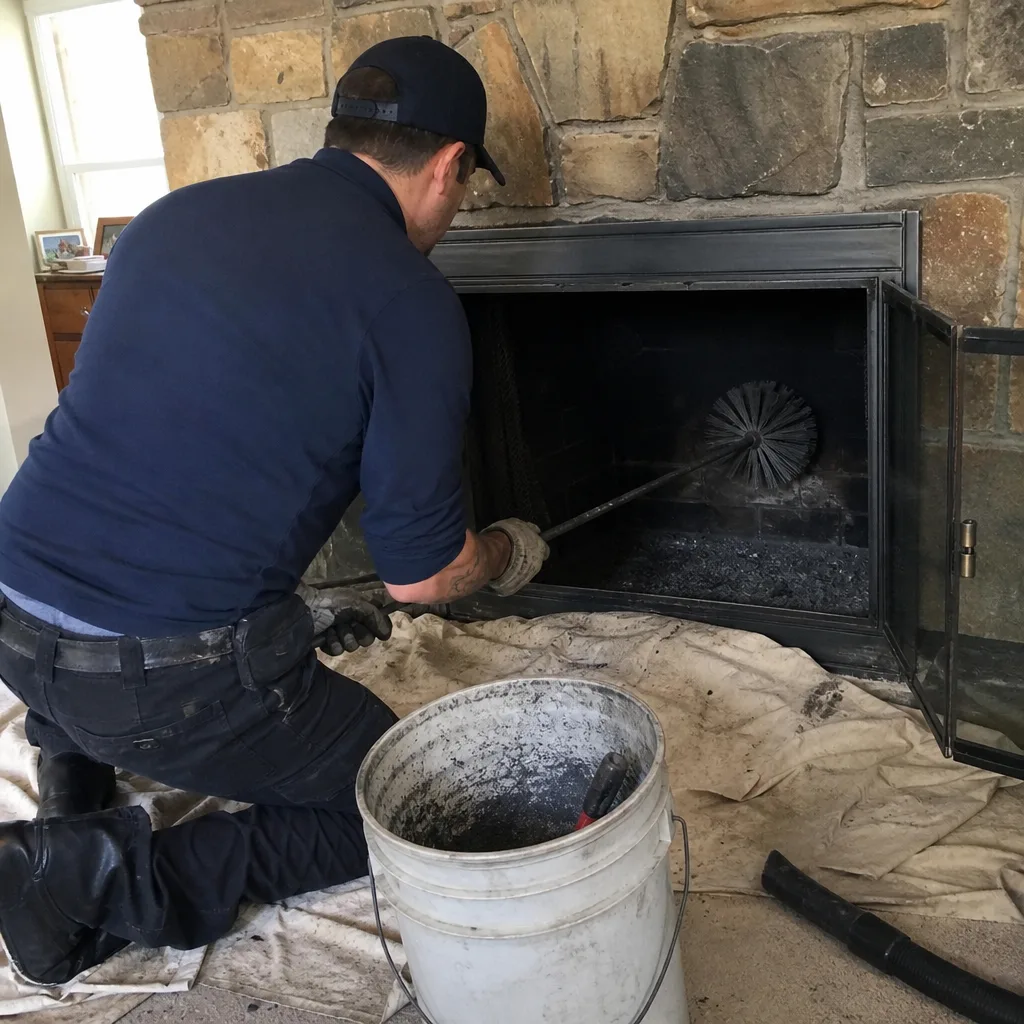
The name explains the standard. Level 2 Inspection refers to NFPA 211 Level 2 – the inspection protocol that requires a camera inside the flue, not a flashlight from below. We made camera-scan documentation the default starting in 2009, years before most Westchester County homeowners had heard the term, and that practice became Clause 4 of the Haven Standard. Every technician is background-checked and uniformed. You get a text when they’re on the way and a name before they arrive – not a mystery crew and a verbal quote at the door.
More than 38,000 chimney inspections and cleanings since 2009, every single one with a written price before work started and a documented photo record on completion. The materials we use for any associated repairs – liners, sealants, caps – come through supply relationships with names like HeatShield and Gelco, sourced specifically to keep the cost to you honest rather than inflated by retail markup.
For homeowners in Yonkers neighborhoods from Wakefield to Ludlow, from Getty Square to Greystone, the question after a camera scan isn’t whether you’ll get a straight answer. It’s how fast we can schedule the work. If you’re on the home page trying to figure out where to start, the answer is a call to (551) 212-3526 – a live person picks up, any hour, and we’ll tell you exactly what an inspection and creosote assessment involves before you commit to anything.
Schedule Creosote Removal in Yonkers Today
If your fireplace hasn’t been camera-scanned in the last twelve months, or if you’re seeing any of the symptoms described above, call Level Two Chimney Yonkers at (551) 212-3526. The estimate is free. The price we quote after the camera scan is the price on the invoice – no surprises after the job is underway. Written scope, written price, written warranty, photo record on completion. That’s every job, every time.
Written by Corrine Halstead, Owner at Level Two Chimney Yonkers, serving Yonkers.