
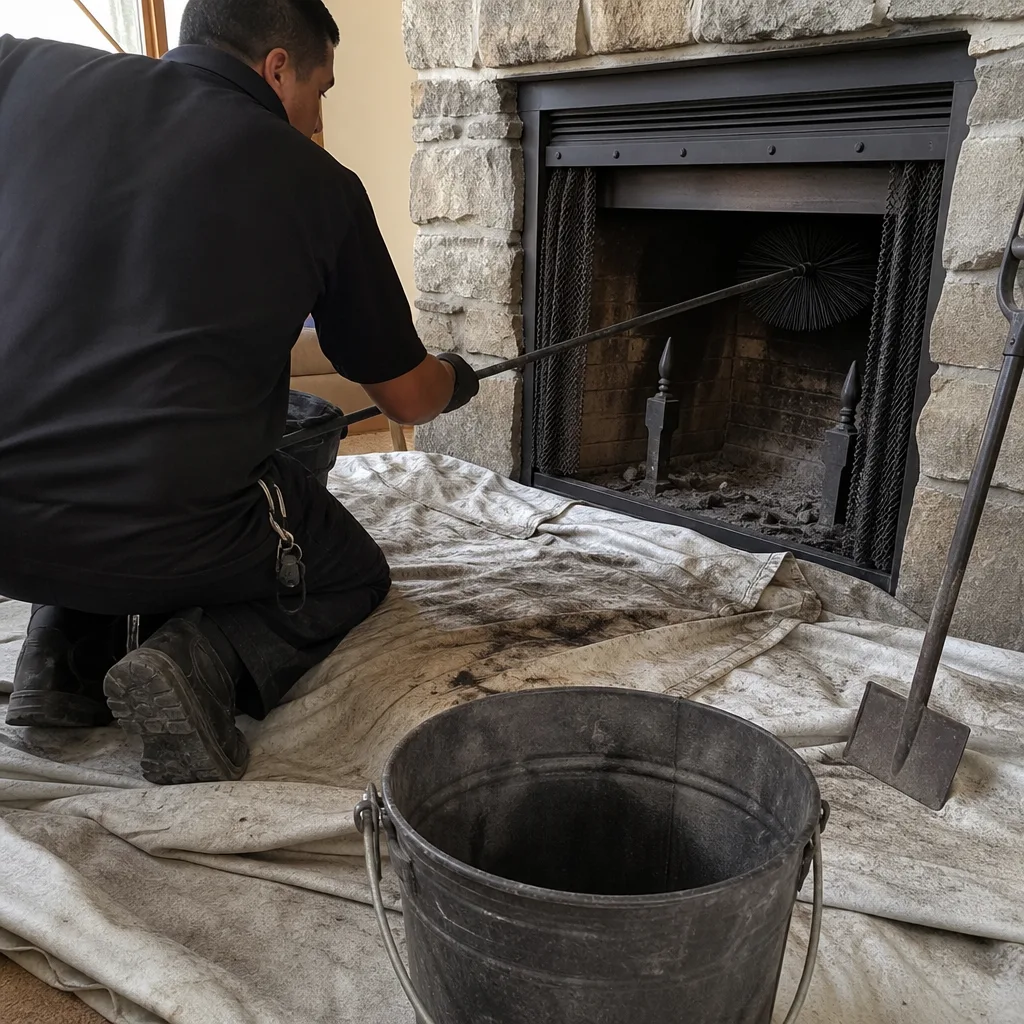
Level 1 sweep and inspection to the NFPA 211 annual standard - flue, crown, cap, and flashing checked and photographed
Chimney sweep logs do not sweep chimneys. They loosen some creosote - which then falls where a brush and vacuum still have to collect it.
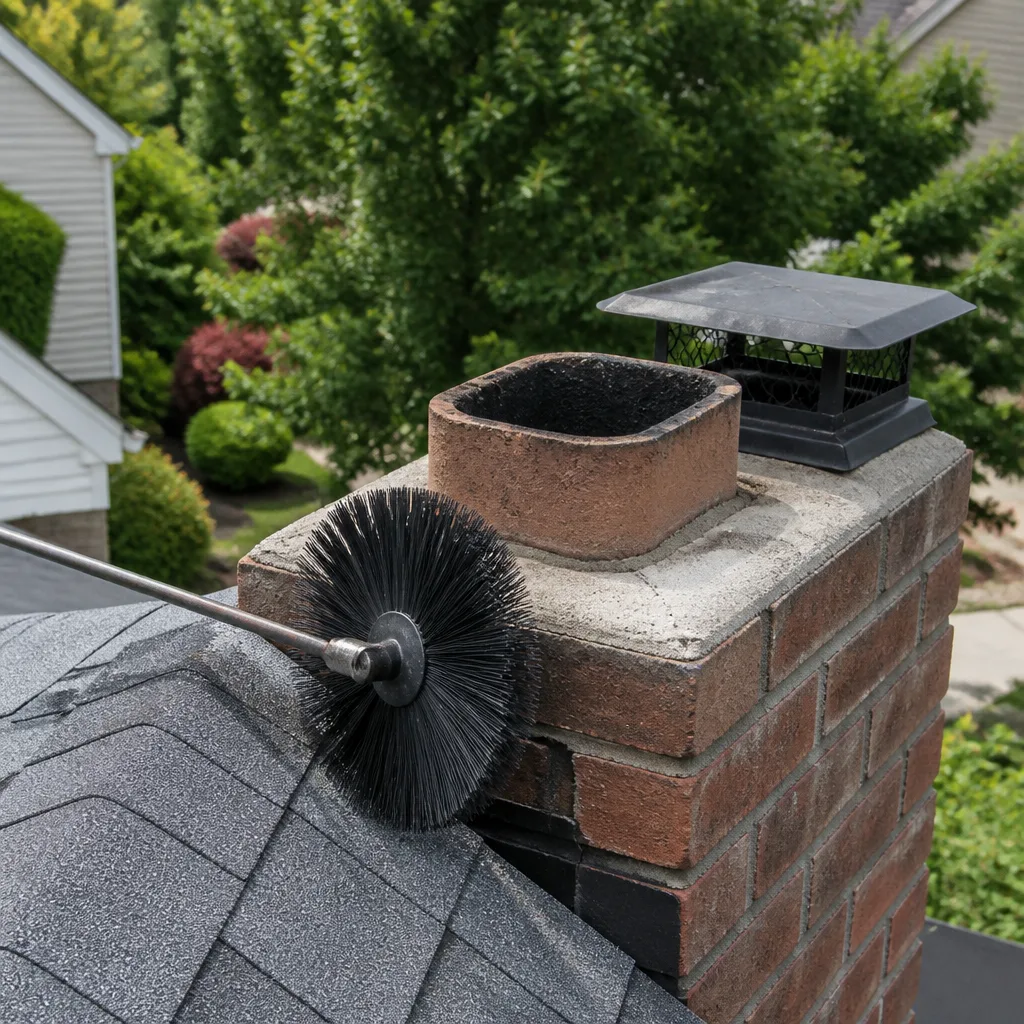
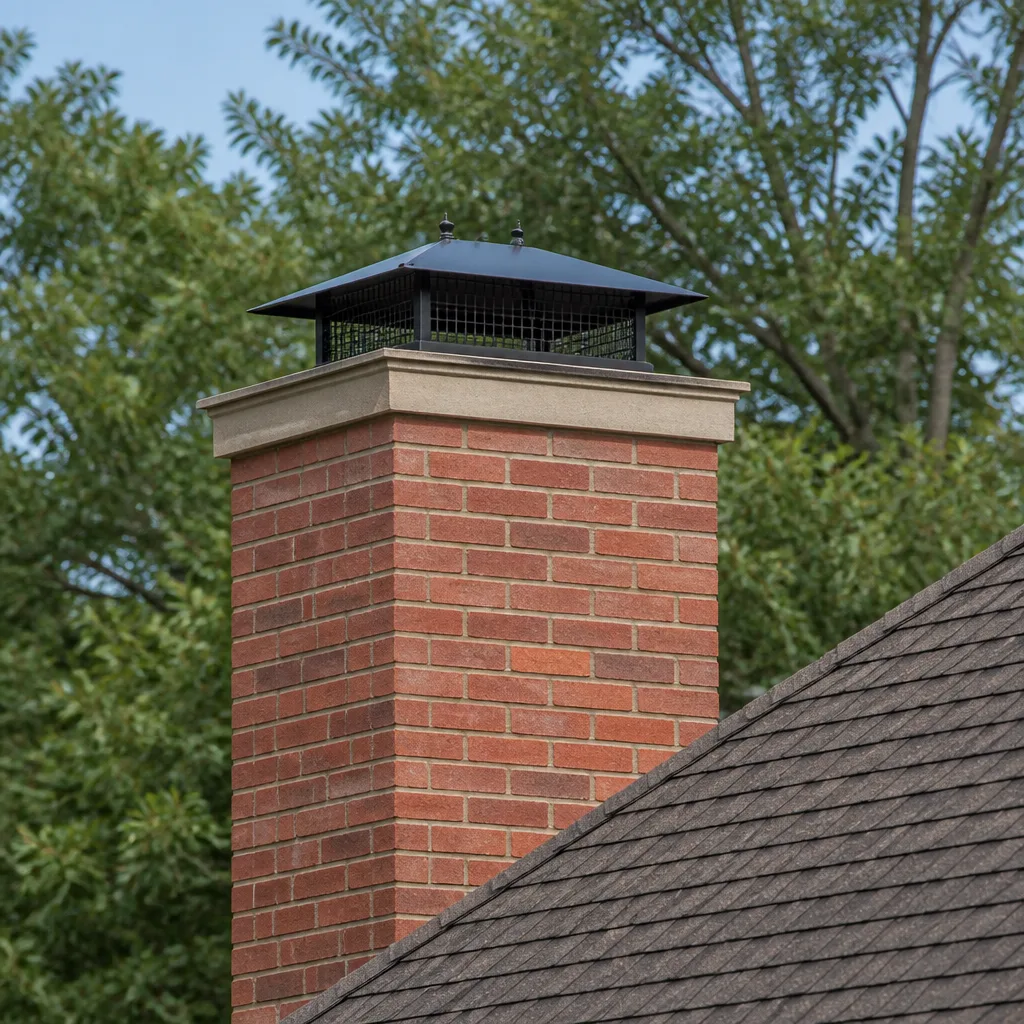
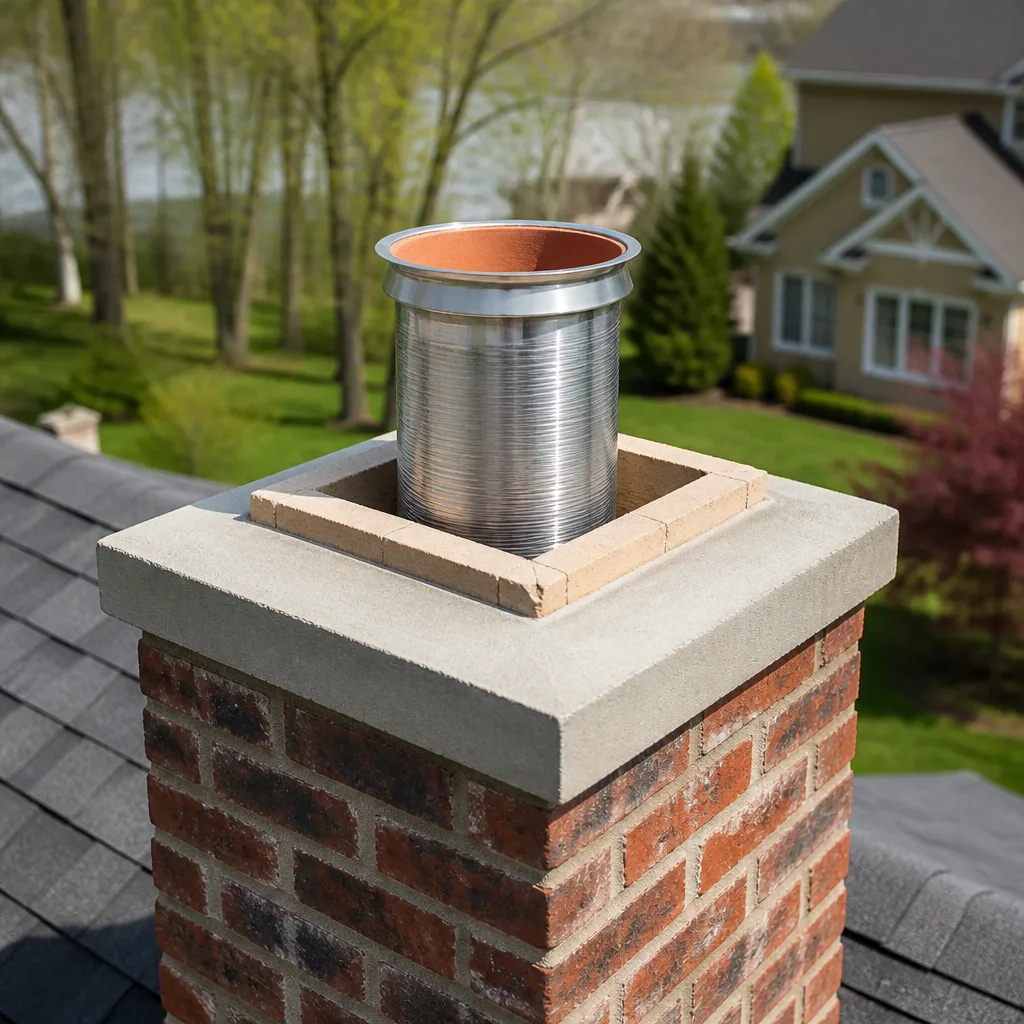
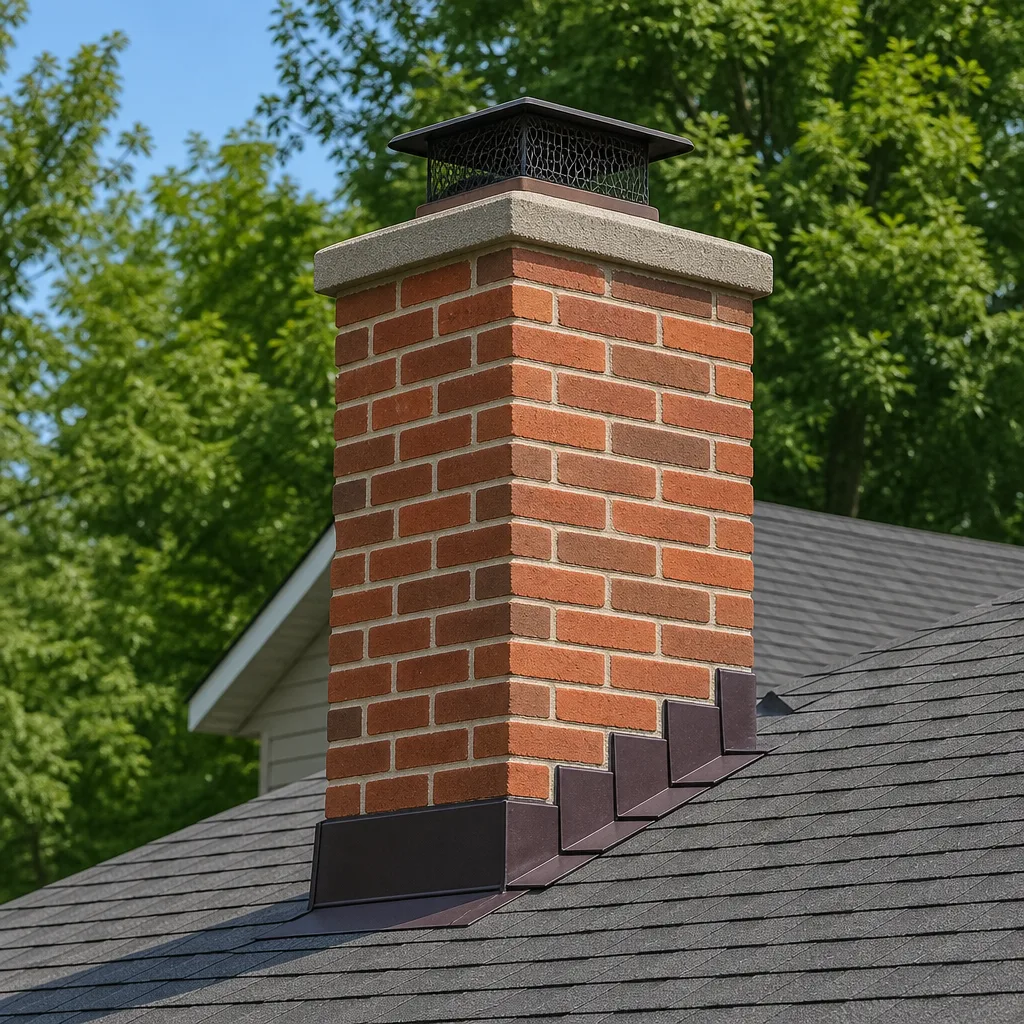
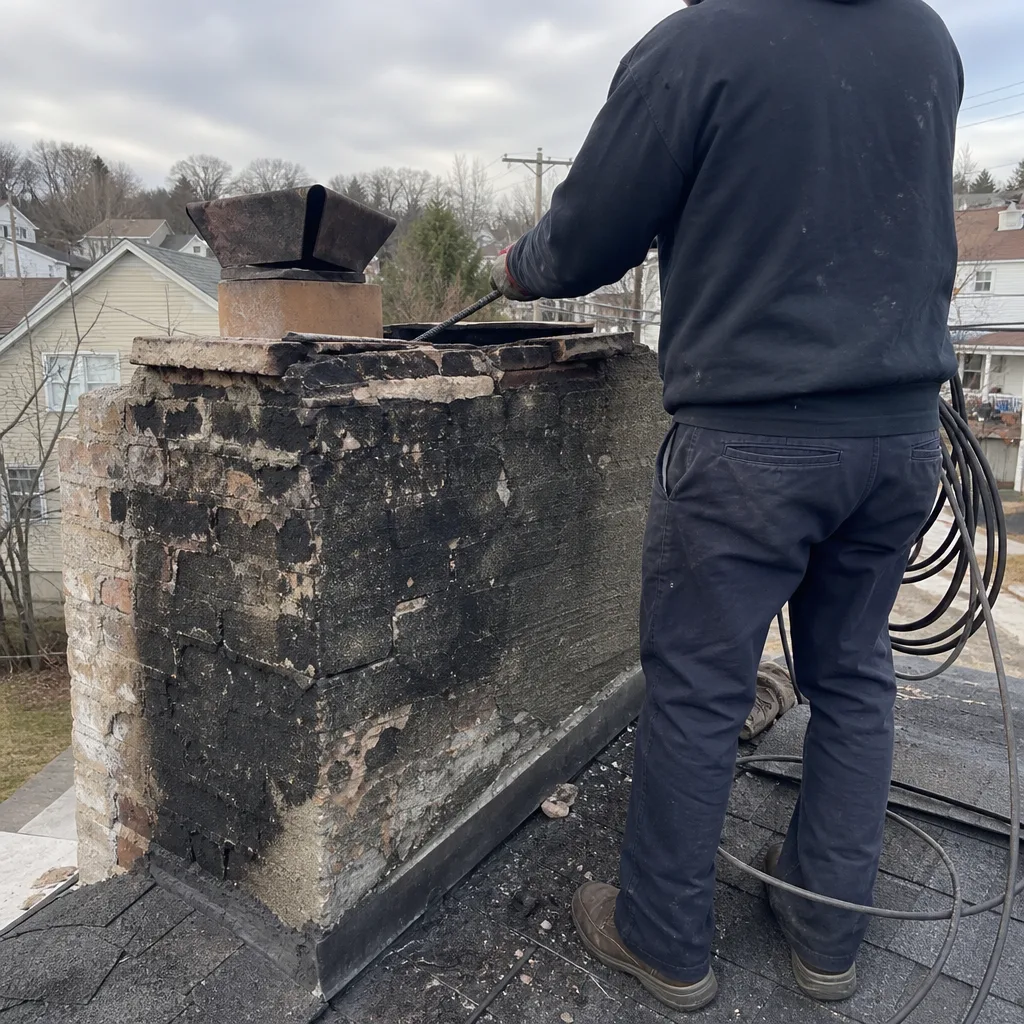 Before
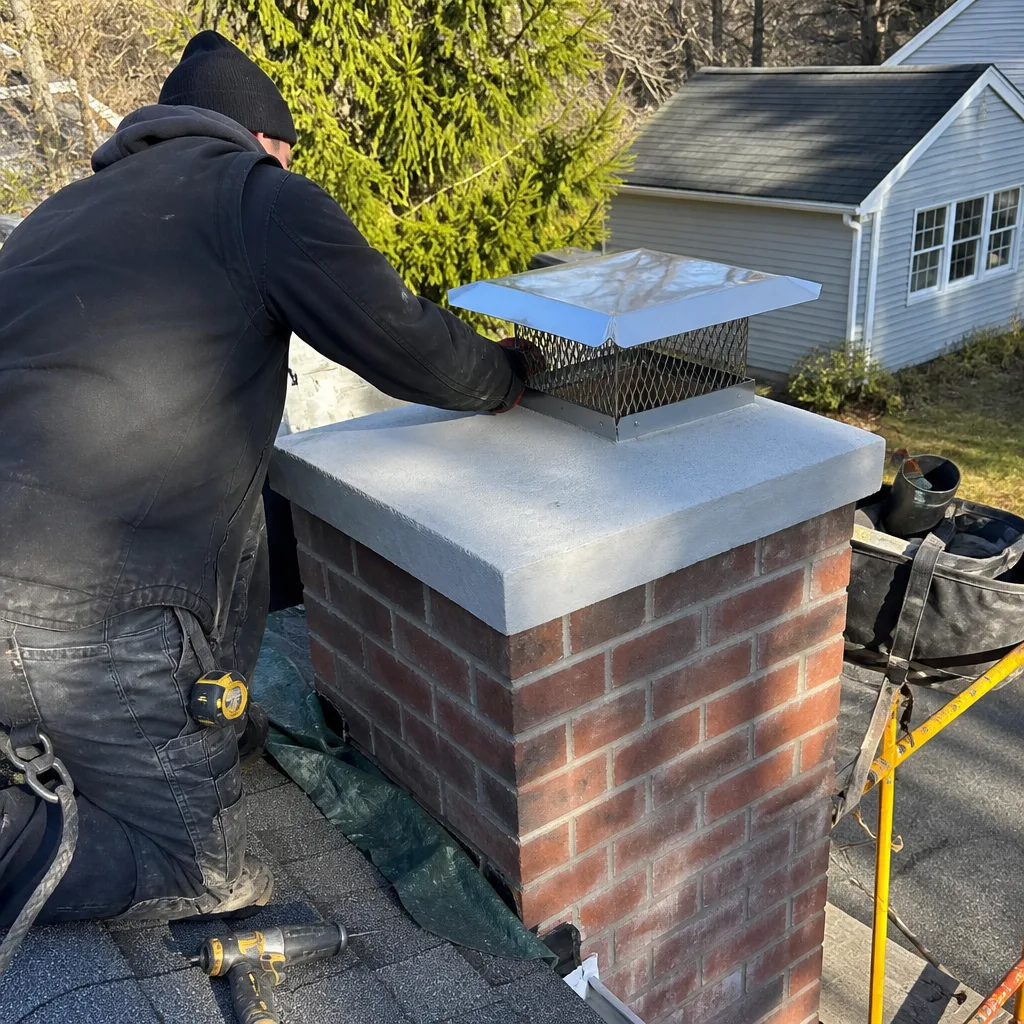 After
After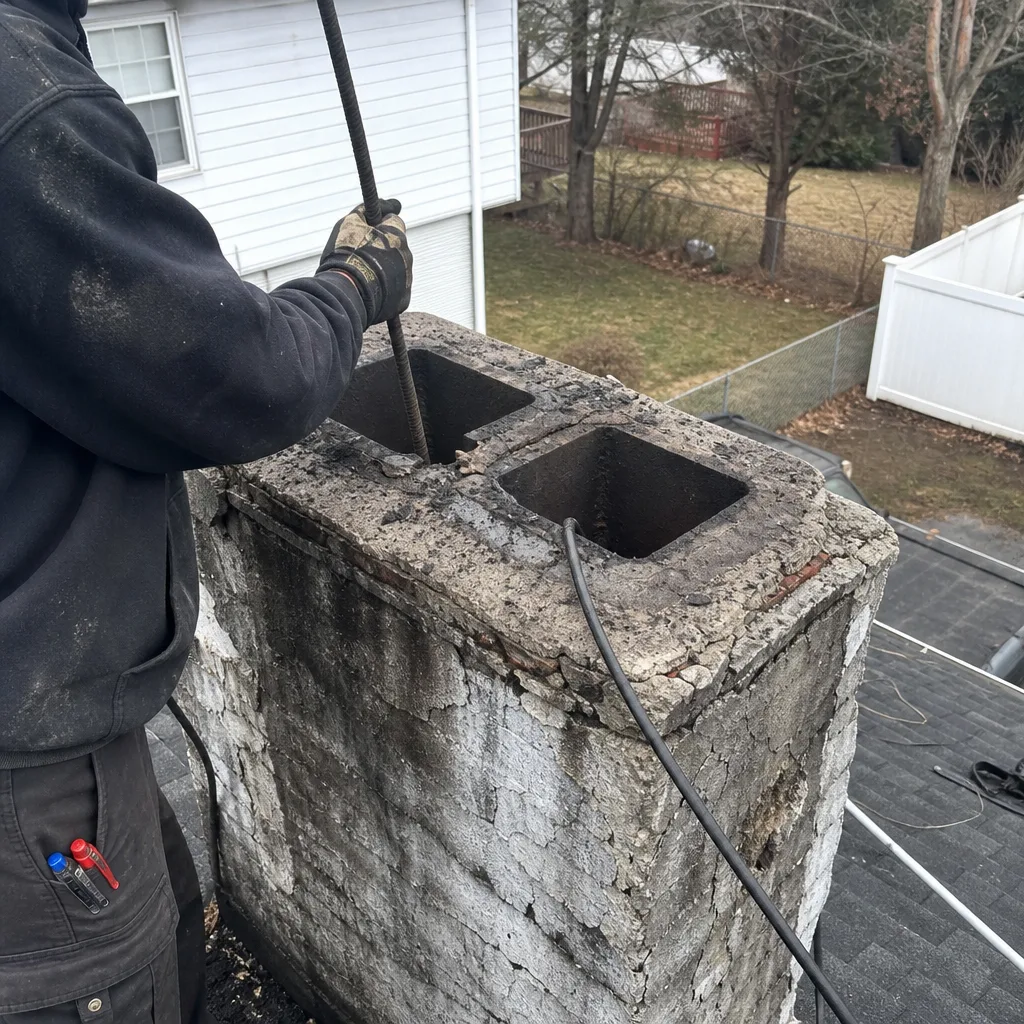 Before
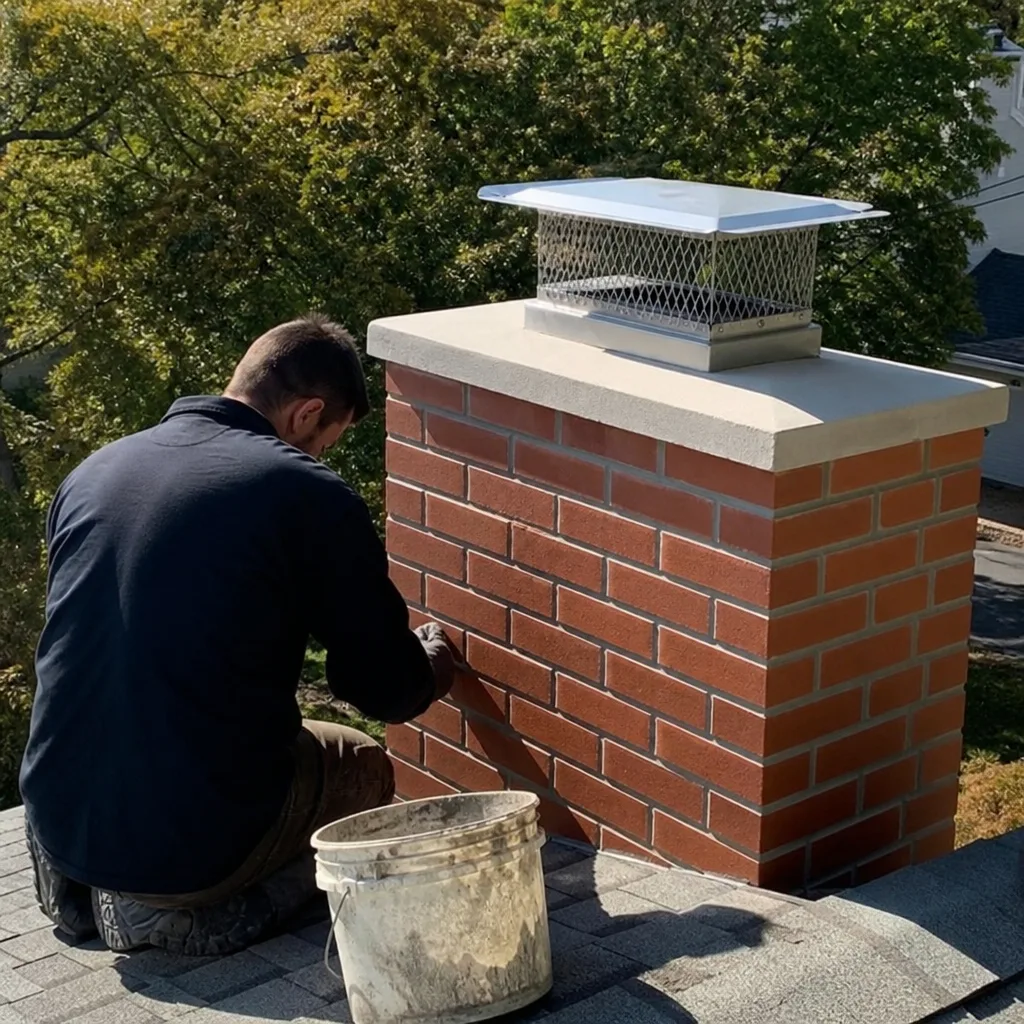 After
After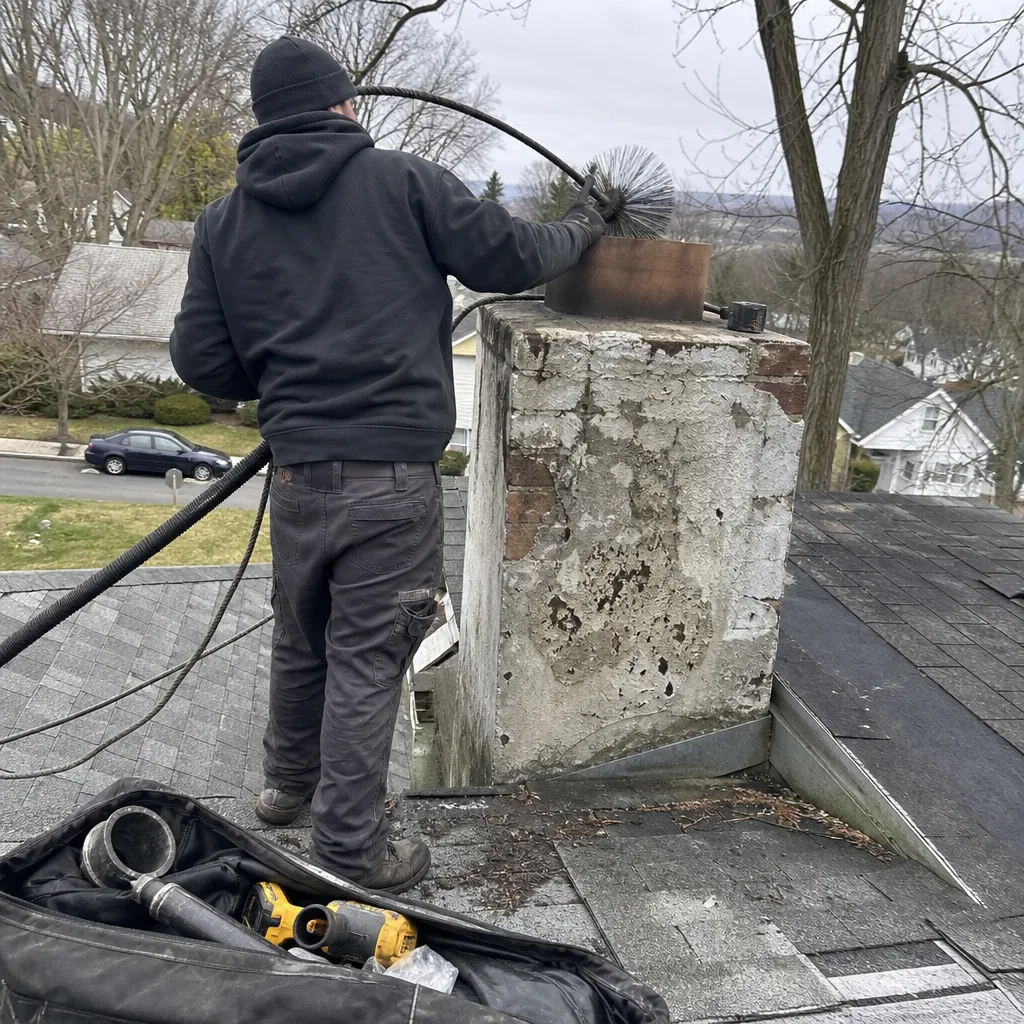 Before
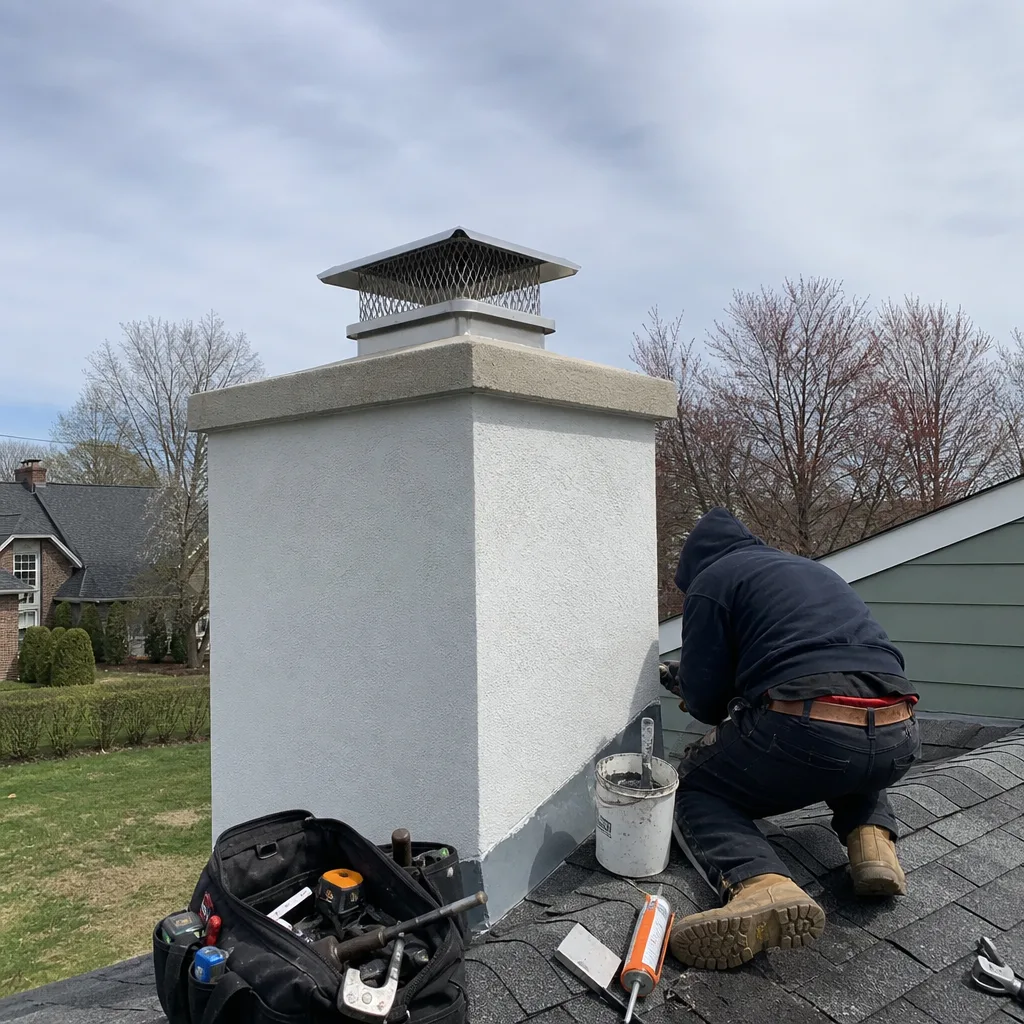 After
AfterFamco Chimney Liner & Rebuild in Yonkers: What to Know First
Famco chimney liner and rebuild work in Yonkers typically runs $1,800 to $6,400 depending on flue height, liner material, and how much masonry needs rebuilding. We’re an independent Famco service provider, not an authorized dealer, which means we can tell you plainly when a genuine Famco part matters and when a DuraFlex or HeatShield liner will do the same job for less. Most liner replacements take one day on-site; a full rebuild runs three to five days. If you own a home in Yonkers with a Famco liner or Famco-installed chimney system that’s showing age, this page covers what actually fails, what it costs, and how we document every step before and after the work. Call (551) 212-3526 and you’ll get a real person, not a voicemail, 24 hours a day.
How Famco Products Fail - and How We Fix Them
Famco makes a range of chimney components: rigid stainless liners, flexible liners, caps, dampers, and termination kits. In Yonkers, we see specific failure patterns tied to the local climate and how the original installation was done. Here’s what we find, in order of frequency:
- Famco flexible liner walls split at the corrugation seams. The Famco Flex series uses a lighter-gauge 316L stainless than some commercial competitors. After eight to twelve winters in Yonkers, where freeze-thaw cycles push condensation acidic enough to etch stainless, the lower corrugations near the connector develop hairline cracks. The symptom is a sulfur smell in the house on damp mornings, or fine rust-colored dust at the cleanout. We replace the lower section when the upper flue still passes a camera scan, or the full liner when the etching runs more than six feet.
- Famco rigid liner joints separate at mid-flue offsets. Famco rigid liner systems rely on pop-rivet connectors at every joint. On chimneys with an offset, the middle joint above the smoke chamber takes the most expansion stress. When the rivets shear, the joint opens just enough to bleed flue gas into the chase. We find this on camera scans when the homeowner reports a faint smoke smell in a second-floor bedroom that shares a wall with the chase. The fix is realigning the joint and replacing the rivets with heavier stainless hardware, or converting that offset to a flexible section from DuraFlex when the angle is too sharp for rigid joints to hold.
- Famco rain caps fail at the weld points, not the mesh. The Famco cap line has tight screening that keeps out animals and debris, good, but the screen welds to the cap base with a single pass. Ten years of Yonkers wind off the Hudson, and we see the mesh separating at the top edge. The cap still looks fine from the ground. Up close, there’s a gap big enough for a bat. We replace with a Famco cap when the homeowner wants brand match, or a Copperfield cap with a double-welded screen when they want a longer service life. Same footprint, stronger weld.
- Famco liner-to-flue-tile transitions were often sealed with refractory caulk instead of a proper connector. We see this on installations from the late 2000s and early 2010s, especially in older Yonkers colonials where the original terra cotta flue was left partially in place. The caulk shrinks, pulls away, and allows condensation to run down the outside of the liner toward the smoke chamber. The tell is a white calcite drip stain at the first flue tile joint. We remove the failed caulk, install an insulated top plate and a proper stainless connector, and document the correction with before and after camera stills.
- Famco stainless liners embedded in masonry without an insulation wrap corrode from the outside in. When a liner is poured around with mortar or packed tight with rubble in an old Yonkers chimney, and there’s no insulation wrap between the liner and the masonry, the liner can’t expand freely and can’t shed condensation. We see this most on full-height Famco rigid installations from the mid-2010s. The liner develops pinhole corrosion on the outside face, invisible from inside the flue until the camera picks up moisture beading. We replace these with an insulated 316L system, typically DuraFlex Pro when the flue shape is irregular, and we always document the wrap with camera footage before the masonry goes back in.
Our Famco Chimney Liner & Rebuild Process
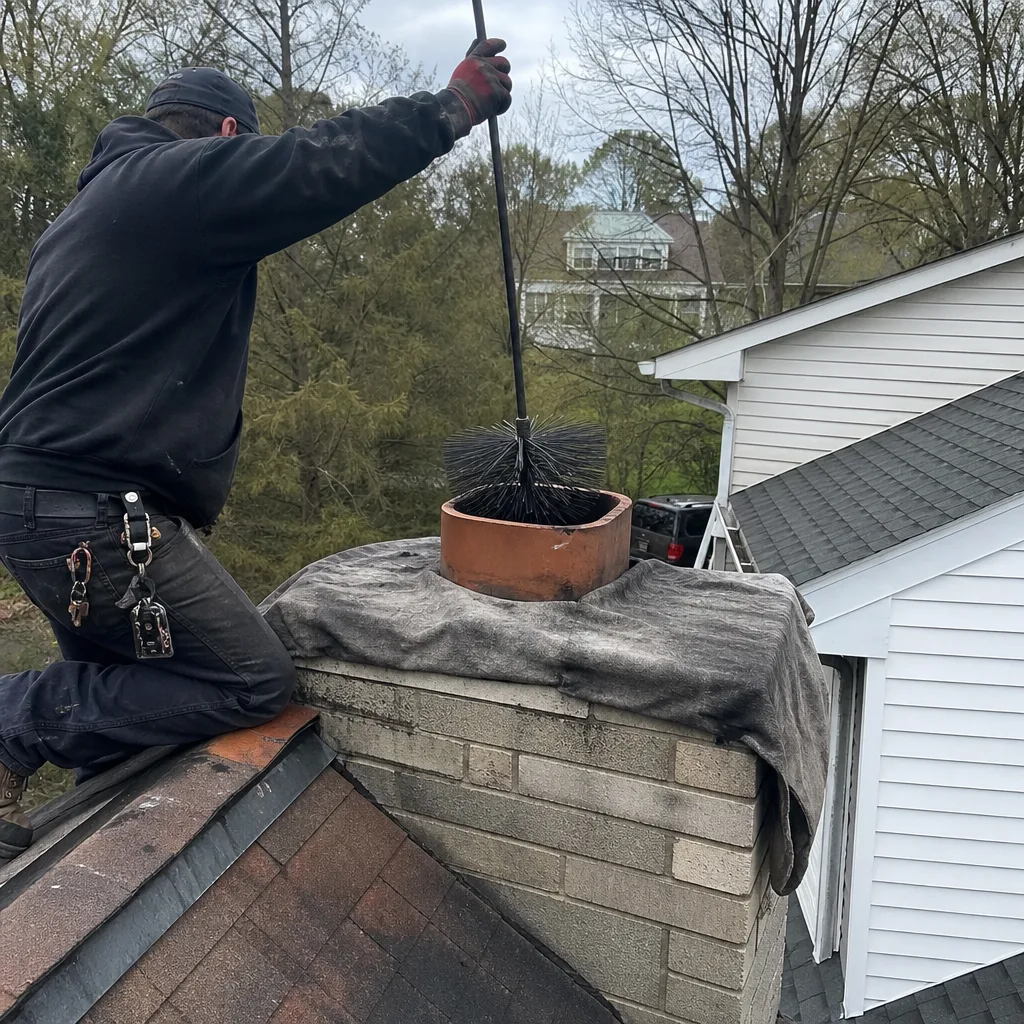
Every Famco job we run in Yonkers follows the same sequence, and you get written documentation at each stage. No exceptions.
- 1
Camera scan and diagnosis. We run an NFPA 211 Level 2 camera down the flue before we quote anything. You see the footage. We tell you in plain terms what we found: cracks, separation, condensation staining, creosote class. If the Famco liner is sound and the problem is the crown or cap, we say so. We don’t sell a liner replacement on a chimney that needs a $600 crown repair.
- 2
Written scope and price. Before any work starts, you get a written scope: exact liner length, material and gauge, connector types, masonry work, cap replacement, insulation wrap if required, and the total price in dollars. This is Haven Standard Clause 1: have it in writing. No “we’ll let you know after we open it up.”
- 3
Parts decision. Where a genuine Famco replacement part is the right choice for fit or warranty continuity, we quote Famco. Where aftermarket does the same job better or cheaper, we tell you that too. We’re independent, which means the brand isn’t the point. The flue that holds up for twenty years is the point.
- 4
The work. For a liner replacement: remove the old liner if present, prep the flue, install the new liner with proper connectors and top plate, seal the crown, install the cap. For a partial or full rebuild: tear down to sound masonry, rebuild with proper clearances, replace the liner, rebuild the smoke chamber and crown. We protect your roofline and yard with tarps, and we clean up the same day.
- 5
Post-work camera scan and photo record. Clause 4 of the Haven Standard requires a documented photo record on every job. We run the camera again after installation and show you the new liner from top to bottom. You get the photos, the readings, and the written warranty.
- 6
365-Day Done Right Promise. If something we installed isn’t right, we make it right. That’s in writing too, stamped on the warranty, not just said in the driveway.
BeforeAfterWhat Famco Chimney Liner & Rebuild Costs in Yonkers
| Job | Typical Price Range in Yonkers |
|---|---|
| Famco flexible liner replacement, single-story flue (15-20 ft) | $1,800 - $2,900 |
| Famco rigid stainless liner replacement, two-story flue (25-30 ft) | $2,800 - $4,200 |
| Partial rebuild (top 5-10 courses + crown + liner section) | $2,600 - $4,400 |
| Full chimney rebuild from roofline up, new liner and cap | $4,800 - $6,800 |
| Famco rain cap replacement, installed | $240 - $420 |
What moves the price: flue height, liner material (316L vs 316Ti), whether we’re rebuilding masonry or just replacing the liner, how much scaffolding or roof access is needed, and whether the old liner can be extracted cleanly or has to be cut out in sections. Yonkers roof pitches run steep in the Park Hill and Ludlow sections, which adds labor when we’re working from a ladder instead of a standing roof. Call (551) 212-3526 and we’ll give you a written estimate based on what the camera actually shows, not a price built over the phone. Estimates are free.
Why Yonkers Homeowners Call Level Two Chimney Yonkers for Famco Work
Most Yonkers homes with Famco components were installed a decade or more ago, and the homeowners we talk to have already called around. They tell us other companies quoted over the phone without seeing the flue, or pushed a full rebuild after a flashlight look from the roof. Corrine Halstead grew up in the Bronx, trained in the trades, and has spent years running camera scans on Yonkers chimneys along the waterfront, in the older colonials off Central Avenue, and in the row houses where the stacks haven’t been swept in fifteen years. Her crews know Famco failure modes because we document them every week. And when a Famco-specific part isn’t the right call, we stock and install DuraFlex, HeatShield, and Gelco alternatives through our supply network, which keeps pricing honest. The camera doesn’t lie, and neither does the quote. Every job gets a written price before work starts, a photo record after, and the 365-Day Done Right Promise behind it.
FAQs
No, if we’re replacing a failed Famco liner, any original manufacturer warranty typically expired or was pro-rated long before the liner failed, given the age of most installations we see in Yonkers. When a Famco component is still under warranty, we provide the documentation you need to file a claim, and we’ll install the replacement component you receive. We are an independent service provider, not a Famco warranty station, so we always tell you upfront what the warranty covers and what it doesn’t.
You don’t know until a camera goes down the flue. We run an NFPA 211 Level 2 camera scan on every visit, and you watch the footage with us. A liner that needs replacement shows cracks, separated joints, deep pitting, or condensation staining. A liner that needs a sweep shows creosote buildup. If the camera shows a sound liner, we tell you to save your money and we’ll say so in writing. Call (551) 212-3526 to book a inspection and camera scan; the estimate is free and you’ll see the evidence yourself.
Most single-flue liner replacements take one day on-site once the materials are in hand. We carry common Famco-compatible connectors, top plates, and caps on the truck, and our supply network stocks DuraFlex and HeatShield liners for next-day delivery in Westchester. A full rebuild takes three to five days depending on height and masonry condition. We’ll give you the schedule in writing before you commit.
Yes. When a Famco liner fails, we often recommend a DuraFlex or HeatShield liner instead, especially on older Yonkers chimneys with irregular flue shapes where an insulated flexible system holds up better long-term. We’re not tied to the Famco brand. We quote the part that fits the flue and the budget, not the part that matches the label already in your chimney.
Flue gas leaks into the chase or wall cavity can go unnoticed for months. The risk is carbon monoxide moving into living space, and in Yonkers homes with tight windows and older construction, that’s not theoretical. If your Famco liner is showing cracks or joint separation on camera, don’t run the fireplace until it’s fixed. Call (551) 212-3526 and we’ll get you on the schedule for a camera scan and a written plan.
Written by Corrine Halstead, Owner, Level Two Chimney Yonkers at Level Two Chimney Yonkers, serving Yonkers and nearby areas.