
Level 1 sweep and inspection to the NFPA 211 annual standard - flue, crown, cap, and flashing checked and photographed
Chimney sweep logs do not sweep chimneys. They loosen some creosote - which then falls where a brush and vacuum still have to collect it.
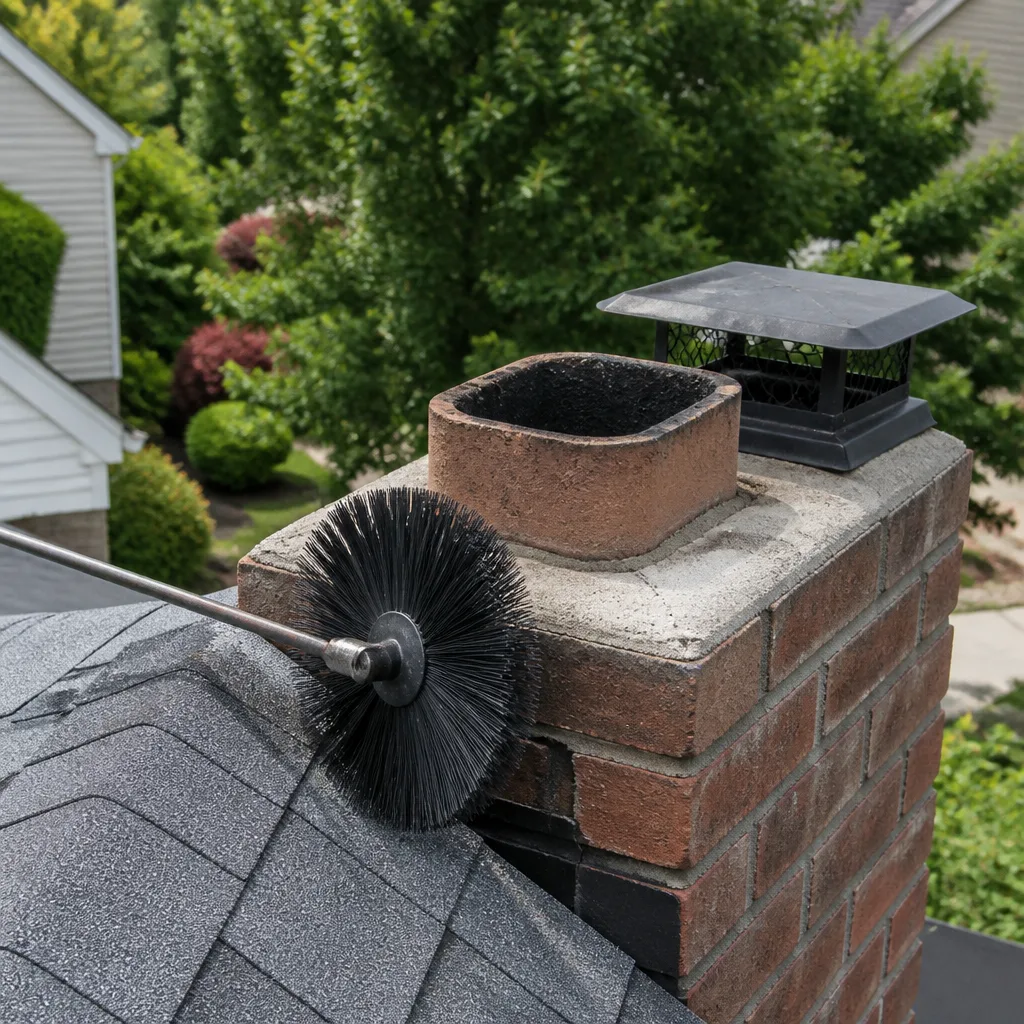
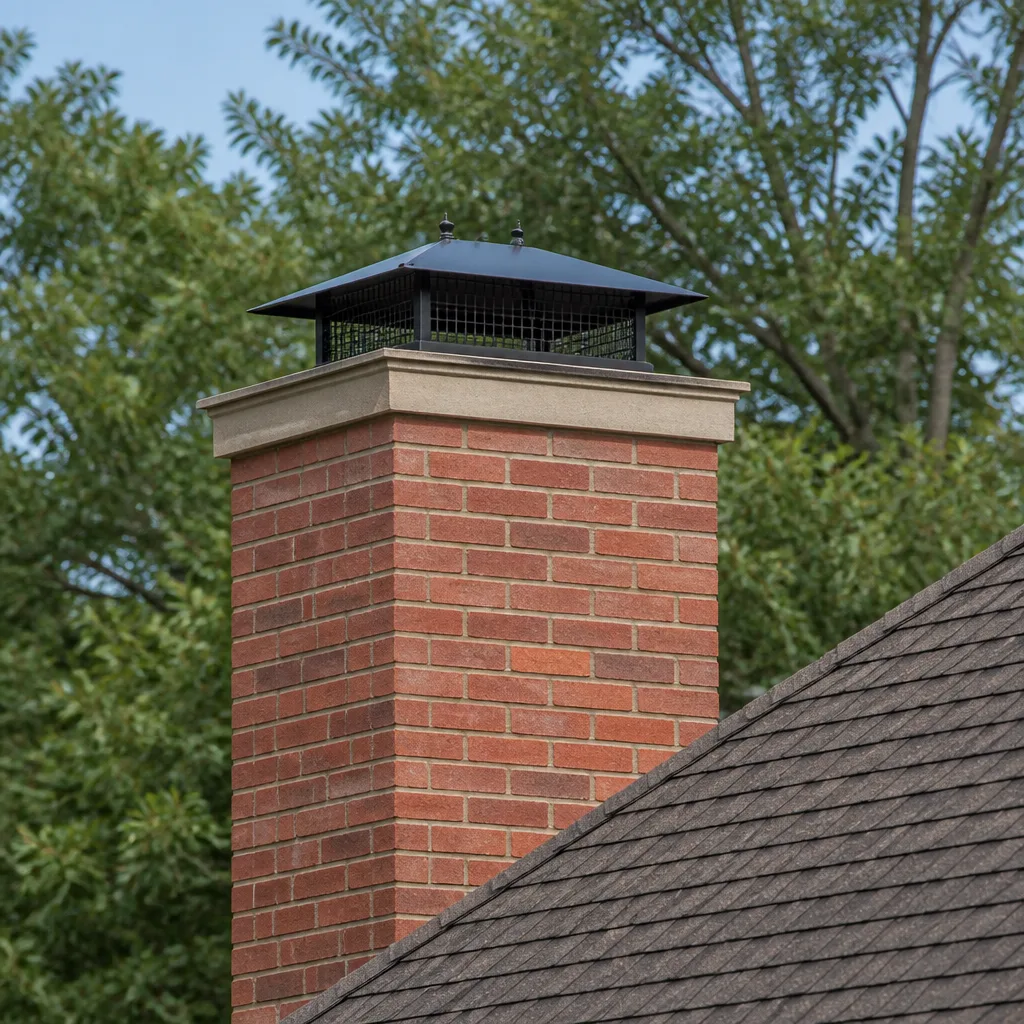
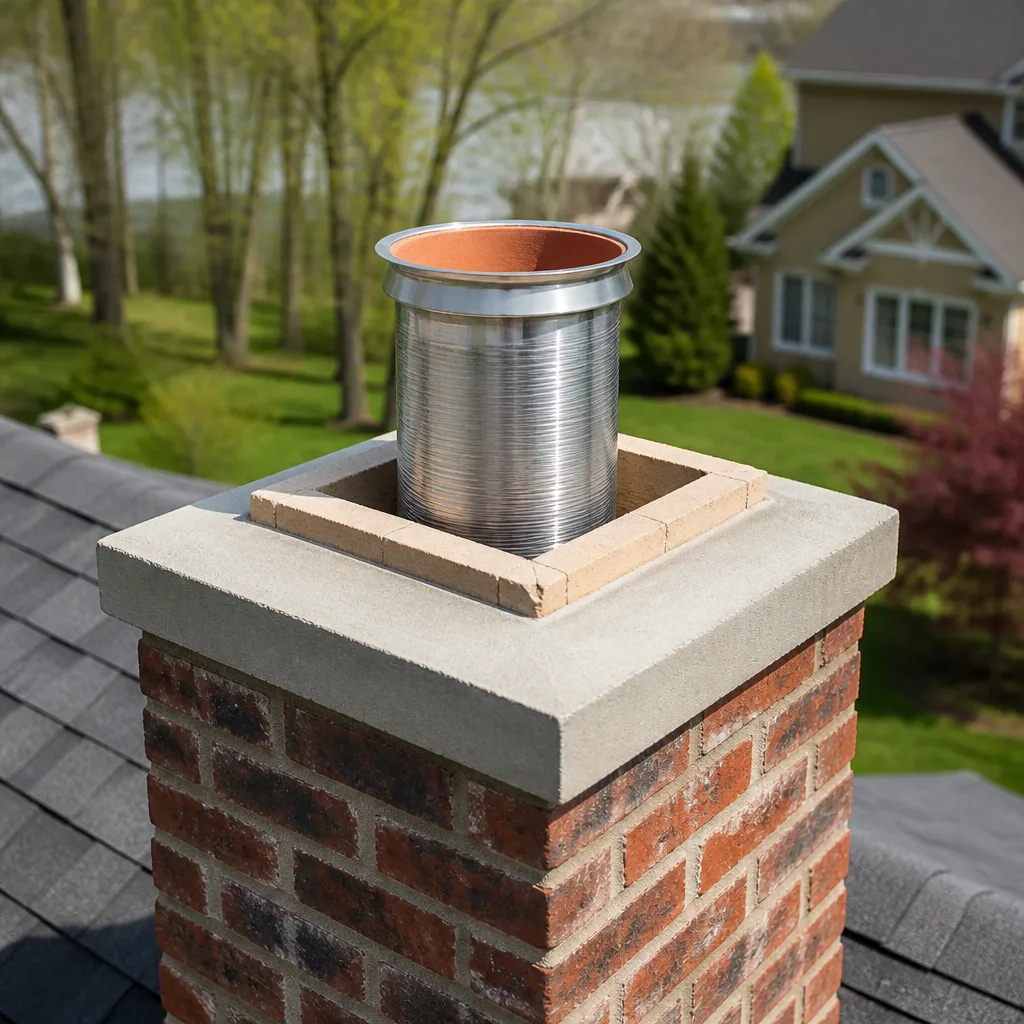
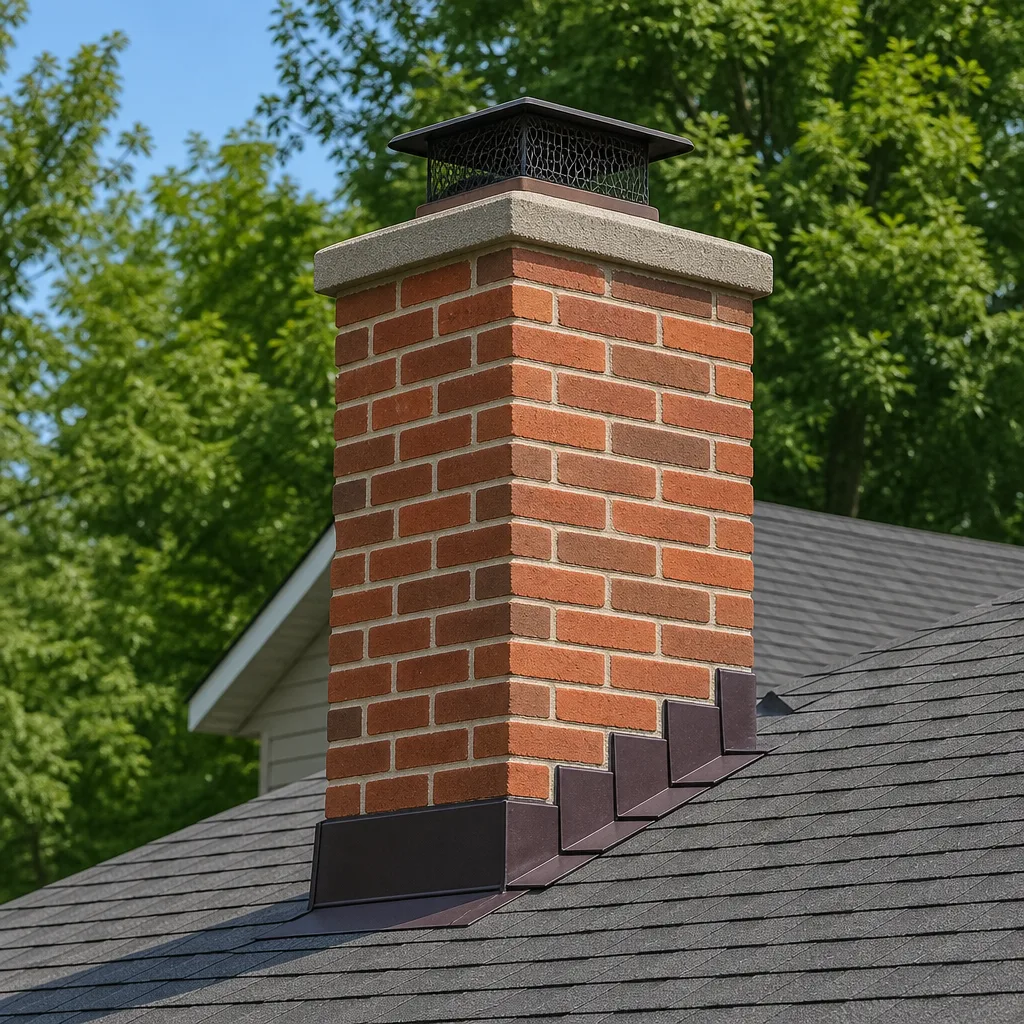
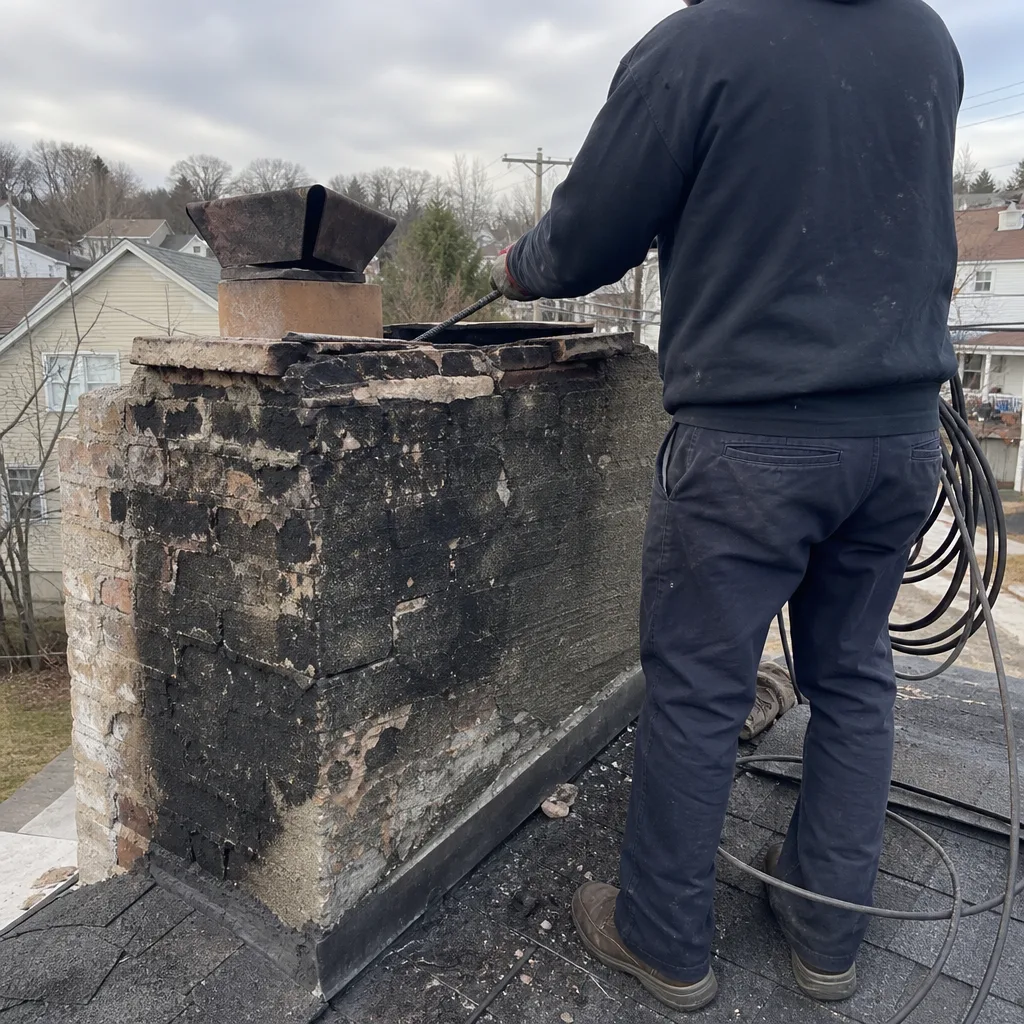 Before
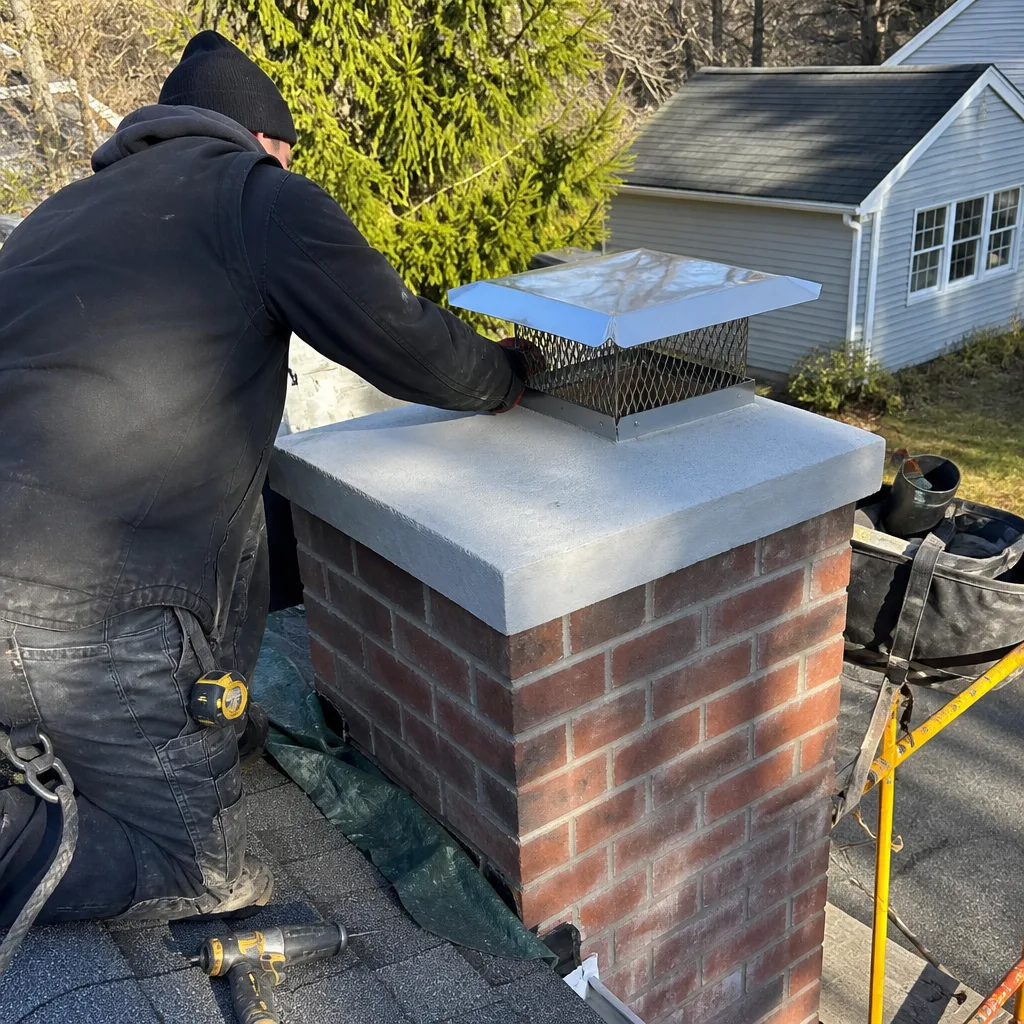 After
After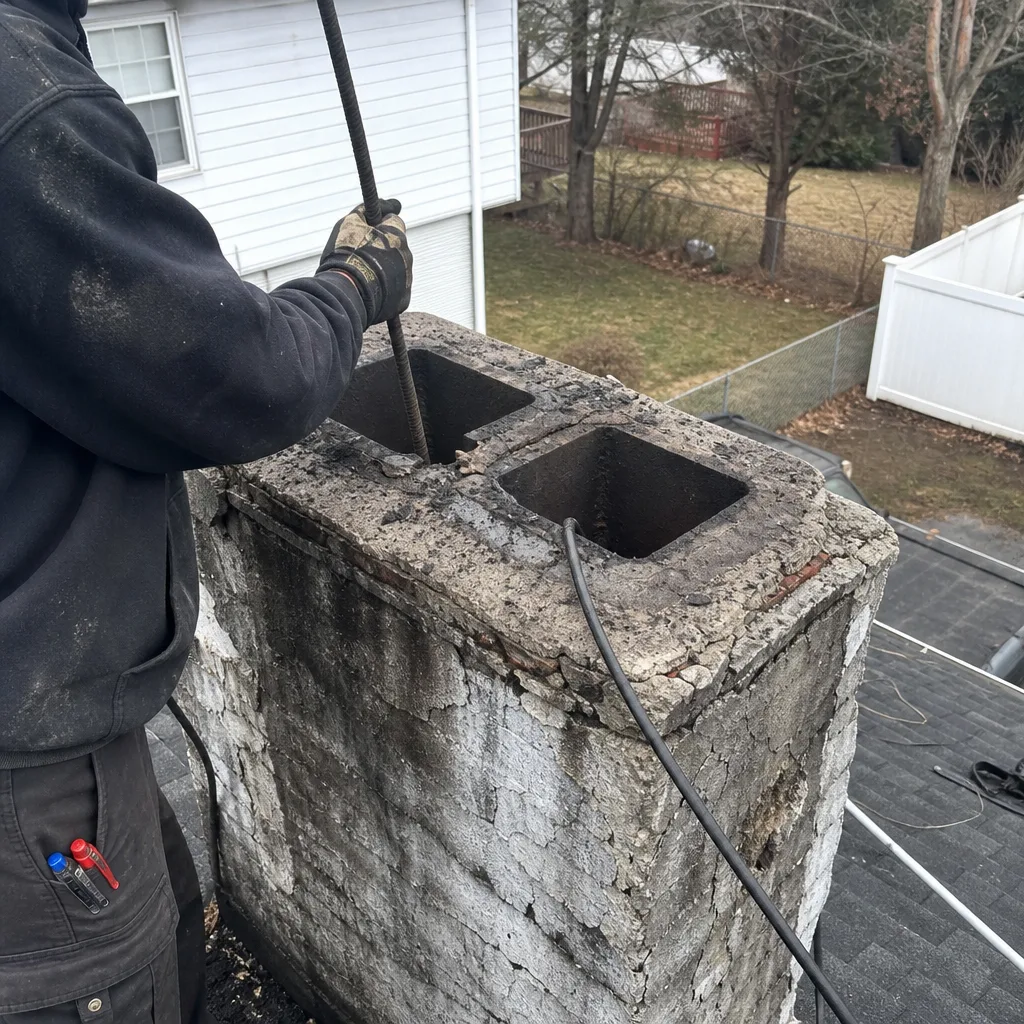 Before
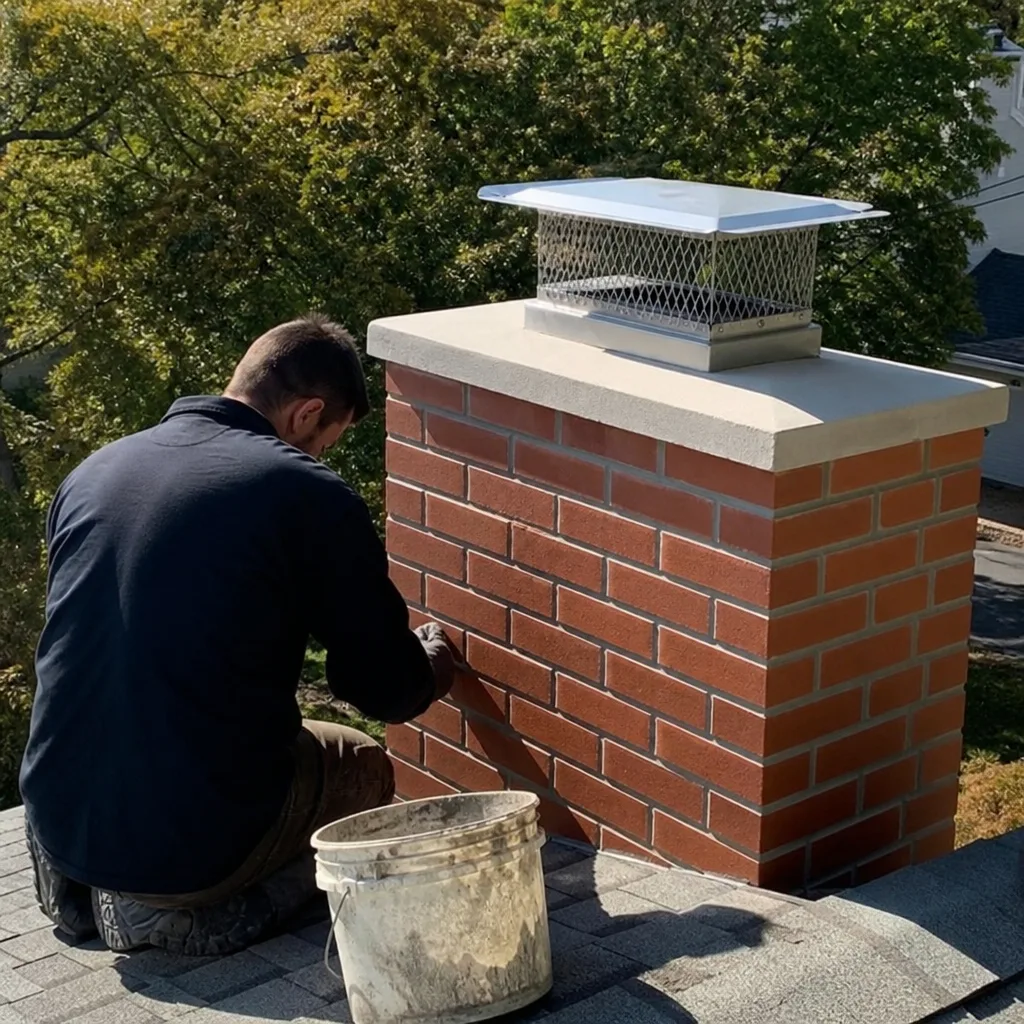 After
After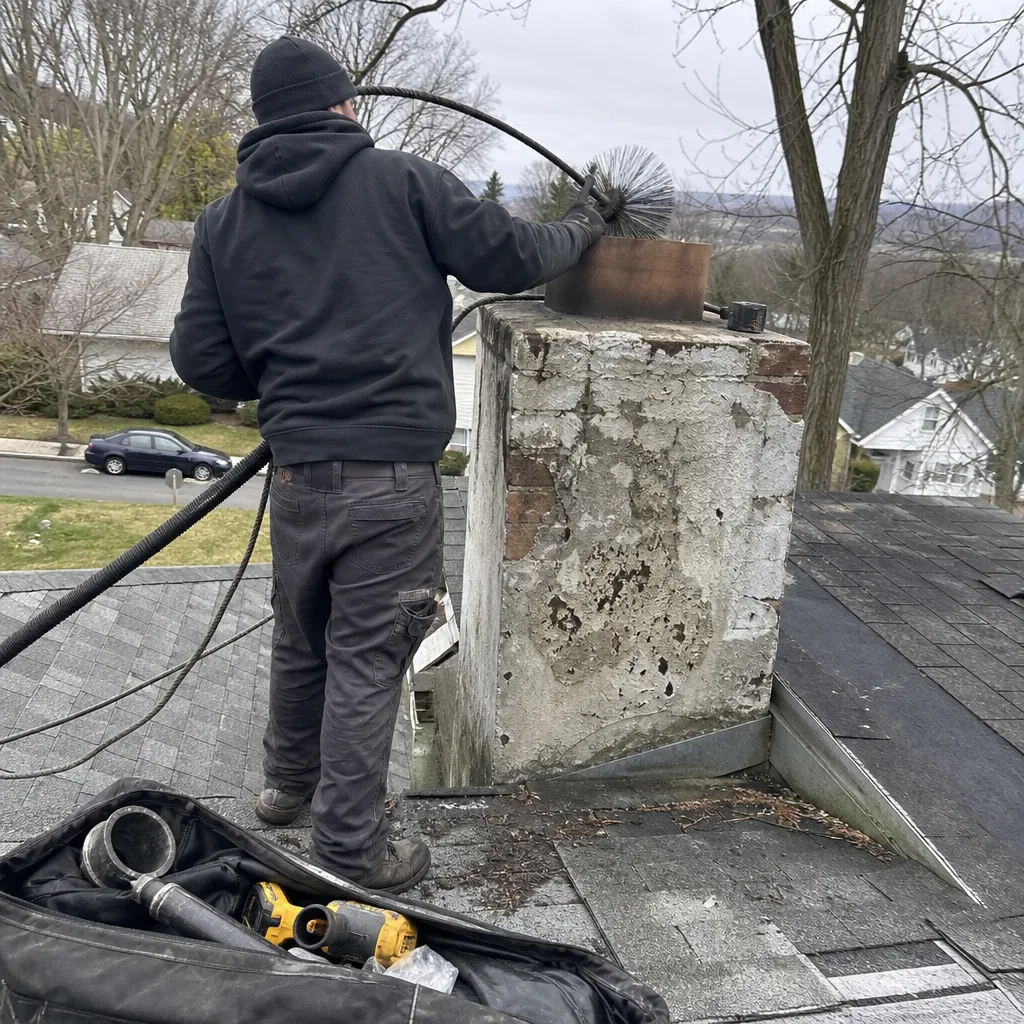 Before
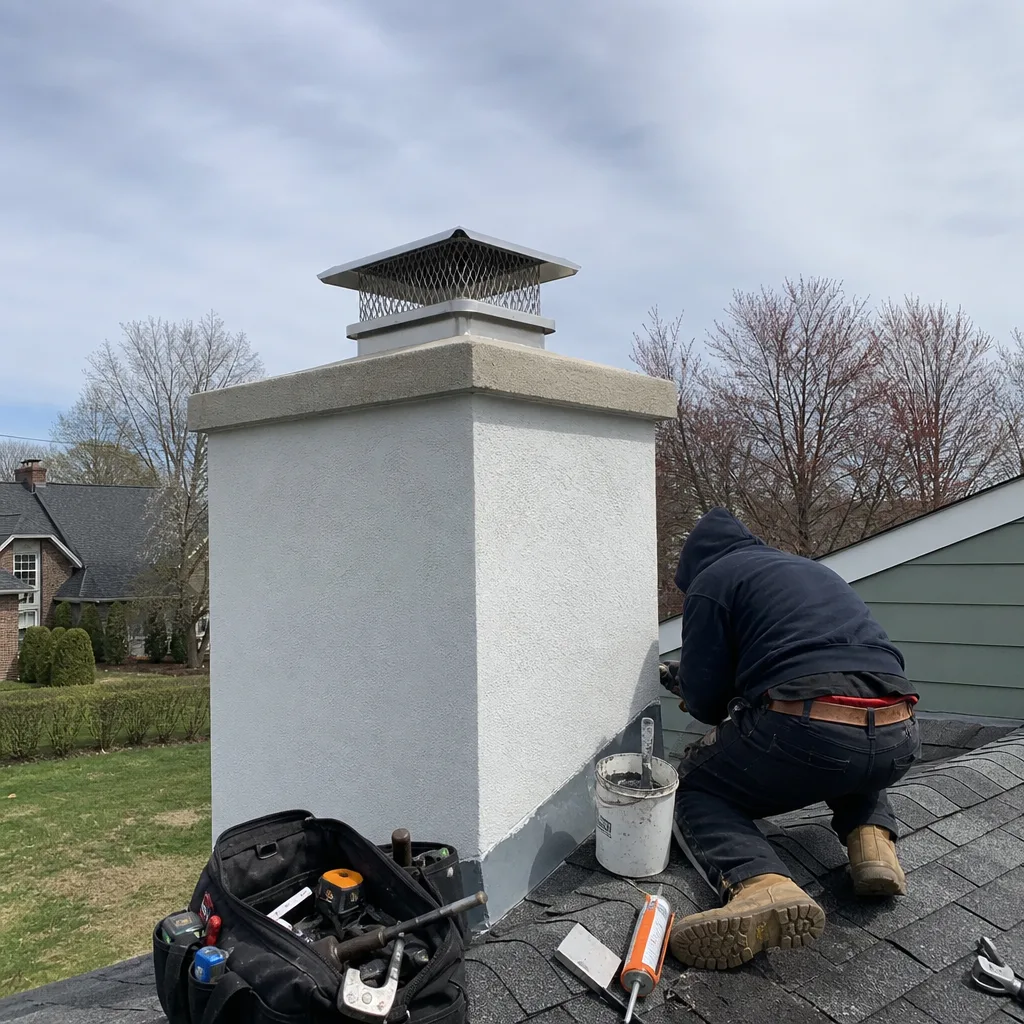 After
AfterWhy Yonkers Homeowners Choose DuraFlex Chimney Cleaning
We clean, inspect, and repair DuraFlex in Yonkers as an independent service provider, not a manufacturer-authorized shop. That matters because we see how these liners actually behave after five, ten, fifteen years of Hudson Valley winters, and we tell you what we find with a camera before we recommend anything. DuraFlex 316L liners are common in Yonkers’s older rowhouse stacks, and our crews know the specific ways they fail in this climate: pinhole corrosion at the welded seam, glaze-bonded creosote in the corrugated valleys, and top-plate clamp tears from thermal cycling. If you need DuraFlex chimney cleaning in Yonkers, call (551) 212-3526 for a written price before any work starts.
Here’s the quick version of what we do: a camera-scan inspection of your DuraFlex liner, a written scope and price, mechanical cleaning matched to what the camera showed, and a documented photo record when we’re done. That’s our default on every job, and it has been since 2009. Corrine Halstead runs our Yonkers operation, and she’s been pulling creosote out of Westchester flue liners for over two decades. The camera doesn’t lie, and neither does the quote.
Key Takeaways:
- Independent DuraFlex service in Yonkers, not manufacturer-authorized. We’re free to call it like we see it.
- Every DuraFlex cleaning includes a camera-scan inspection (NFPA 211 Level 2) and a photo record you keep.
- Written price, written scope, written warranty before any work starts. Haven Standard Clause 1.
- 365-Day Done Right Promise on every job. If it’s not right, we make it right.
- Call (551) 212-3526 for a free estimate. Live person, 24/7.
Why Trust Level Two Chimney Yonkers for Your DuraFlex Chimney Cleaning?
DuraFlex liners don’t fail because they’re bad products. They fail because of how they’re installed, how they’re burned, and what the Yonkers climate does to stainless steel over time. We know the difference because we’ve been inside thousands of these flues with a camera since 2009, more than 38,000 inspections and cleanings total. Our techs can identify a DuraFlex 316L liner by its corrugation profile before they even reach the roof hatch, and they know what normal wear looks like versus the start of a seam failure that belongs in a written report, not a verbal “looks fine to me.”
Corrine’s crew has worked DuraFlex systems in Park Hill Tudors, Nodine Hill rowhouses, and the narrow stacks along the Duraflex service in Mount Vernon area and Yonkers waterfront. She grew up in the Bronx and picked up her first wire brush in a vocational program at Bronx Community College, then spent the better part of two decades doing hands-on chimney work across Westchester. That’s not a marketing line. It means when we tell you a DuraFlex liner can be cleaned rather than replaced, it’s because we’ve seen a hundred liners in similar condition and know what the camera evidence supports. And when we do replace a section or a top plate, we use DuraFlex OEM components so tolerances match the original install. We also stock those parts locally, which means we’re not telling you to wait two weeks for a connector kit to ship.
Common DuraFlex Chimney Cleaning Problems We Fix in Yonkers
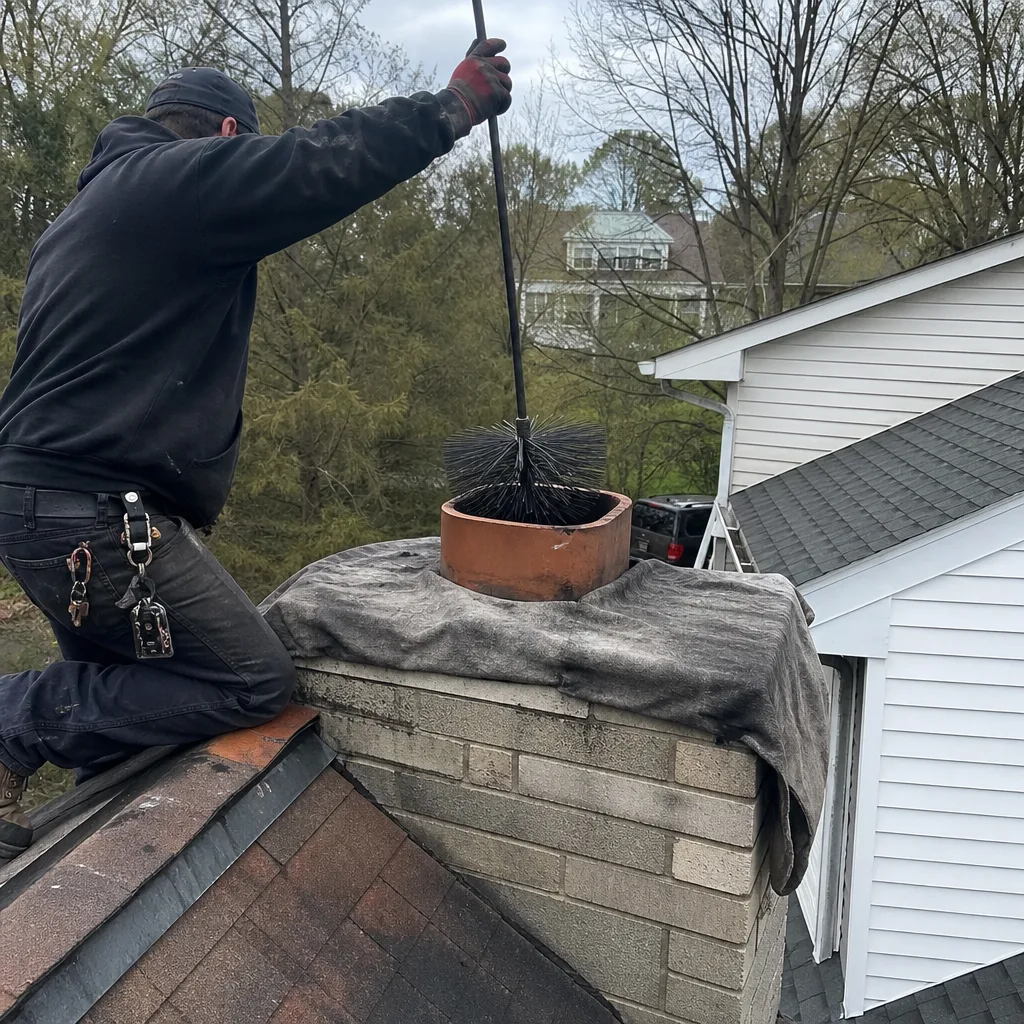
These are the issues we actually see on DuraFlex systems in Yonkers, week after week. None of them show up on a manufacturer’s spec sheet.
- Glaze-bonded creosote in the corrugated valleys. The 316L Flexible Chimney Liner has a corrugated inner profile for flexibility, but that profile gives creosote something to grip. After a few seasons of burning wood in a Yonkers rowhouse, third-stage creosote can glaze into those valleys hard enough that a standard wire brush skims right over it. We upgrade to a rotary whip with carbide-tipped chains when we see this. It’s mechanical removal, not chemical, and we verify it with the camera afterward.
- Pinhole corrosion at the welded seam. In uninsulated sections of DuraFlex 316L liner, acidic condensate pools at the seam weld and eats through from the inside. This is one of the most common failure points we document on camera, especially in Yonkers’s pre-1930 houses where the liner was retrofitted without insulation. By the time you can see the pinhole on camera, the liner section is done. We don’t patch it. We replace it.
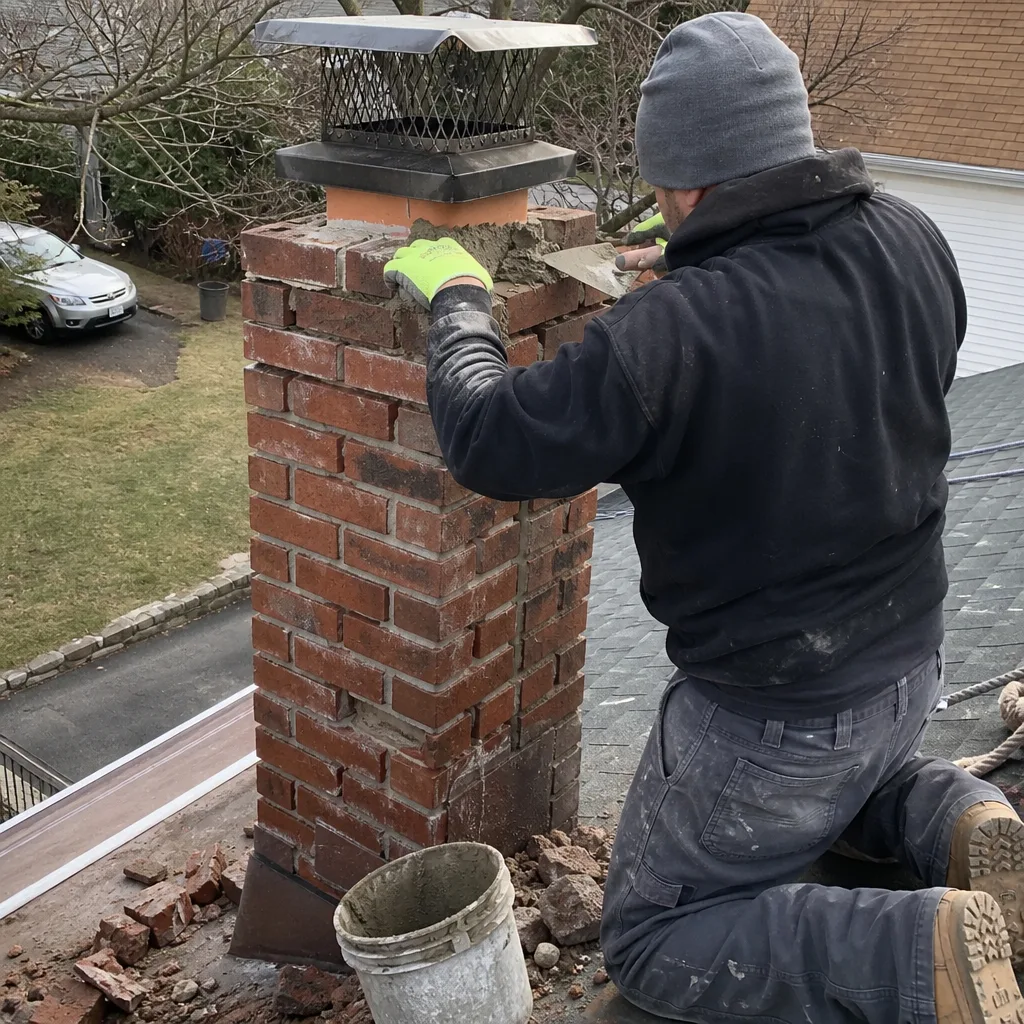
- Top-plate clamp tear-out. The top plate clamp holds the liner in place at the crown. When a DuraFlex liner expands and contracts through Yonkers’s freeze-thaw cycles, that clamp can tear away from the top plate, opening a gap that lets rain in. Water then runs down the outside of the liner and into the chimney chase. We replace the clamp with a DuraFlex Pro top plate and fit a new stainless cap. It’s a routine fix for us, but it’s not something a cleaning alone will catch.
- Gap formation between liner sections. DuraFlex liners are often installed in sections joined with connectors like the DuraFlex Pro Connect Kit. After repeated heating cycles, those joints can work loose, especially in taller multi-story Yonkers stacks that flex more. A gap between sections breaks the continuous vent path. The camera shows it as a dark shadow line inside the flue. If it’s early, we can sometimes reseat the joint. If it’s chronic, the section gets replaced.
- Misidentified flues in shared stacks. This one’s Yonkers-specific. In older brick rowhouses, a single exterior chimney often serves two or three separate flues, one for each unit. Owners routinely don’t know which flue goes to their fireplace versus their neighbor’s boiler. If you’re cleaning a DuraFlex liner in a shared stack, you need to map the flue first. We do that as a billable step before any cleaning or liner work. The building department requires correct flue identification on permits, so skipping it just means a rejected permit later.
One example that stuck with us: our tech showed up at a Tudor in Park Hill for an annual sweep on a DuraFlex 316L liner that hadn’t been touched in four years. The creosote had glazed hard into the corrugations, so the standard brush wasn’t enough. We switched to a rotary whip, extracted the buildup, and ran the camera. The liner itself was still sound, but the original top clamp had torn away from the plate. We replaced it with a DuraFlex Pro top plate and a new stainless cap before we left. The cleaning would have been incomplete without that catch, and the catch wouldn’t have happened without the camera.
BeforeAfterDuraFlex Parts & Our Repair-vs-Replace Approach
When we replace a DuraFlex liner section, a Flex Connector, or a top plate, we use DuraFlex OEM parts. There’s no aftermarket equivalent that matches the original tolerances well enough to justify the risk, particularly at the seam welds where a loose fit creates a corrosion point. For routine maintenance like brushing, chemical treatments, and sealants, quality aftermarket products are fine. They don’t touch the liner’s structural integrity.
Our repair-versus-replace decision is simple and it’s the same one we’d make if it were our own chimney. If the camera shows pinholes, seam separation, or a cracked weld, we replace the section. A patch on a corroding liner in a Yonkers heating season is a short-term fix that will fail again, usually within a year or two. If the issue is creosote buildup, a torn top-plate clamp, or a loose joint that hasn’t damaged the liner, we repair and document the condition. We’ll show you the camera footage either way, and the written quote will state plainly what we recommend and what can wait. Call (551) 212-3526 and we’ll put that in writing before anything moves.
Our DuraFlex Service Process - Step by Step
- 1
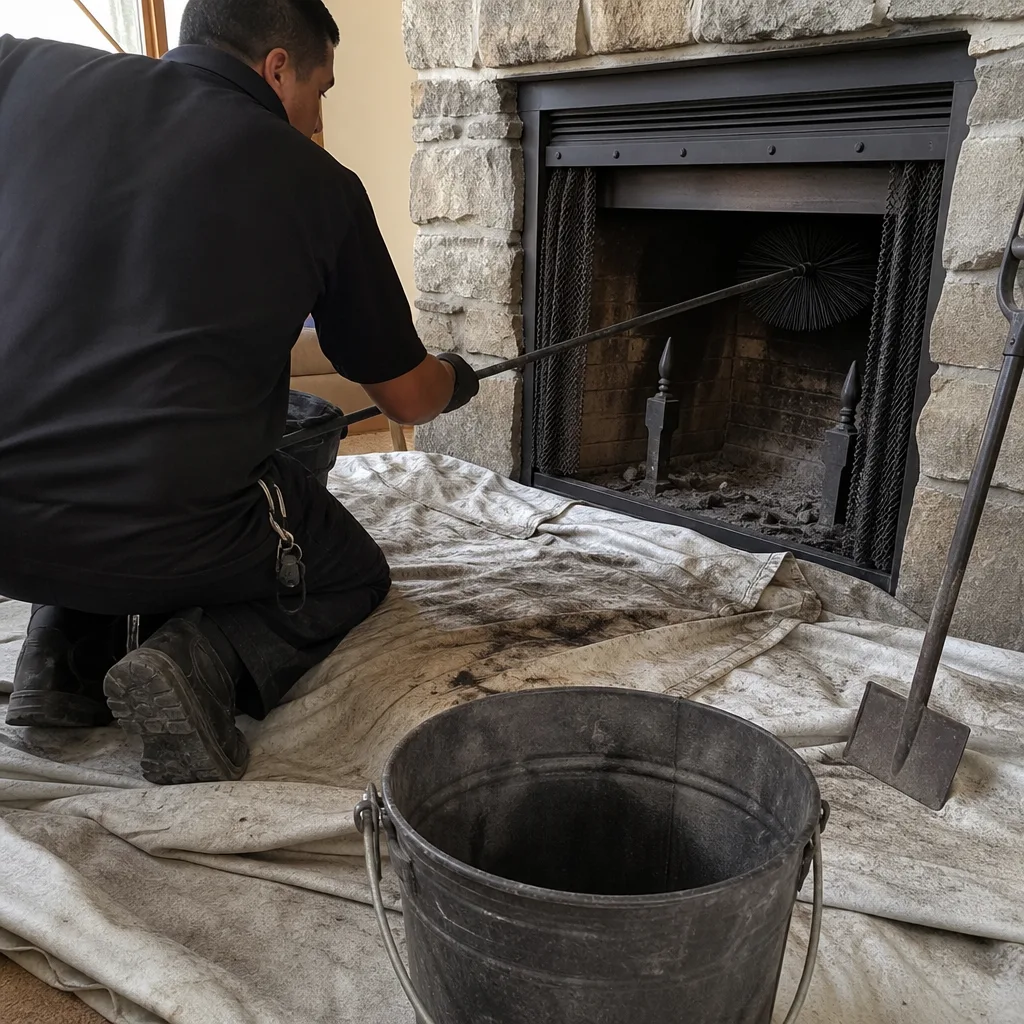
Flue mapping and camera diagnosis. We identify which flue is yours, run the camera down the DuraFlex liner, and record the condition. In Yonkers’s shared rowhouse stacks, this identification step is non-negotiable. You see the footage, live, and you keep a copy.
- 2
Written scope and price. Based on what the camera shows, we write up the exact work: creosote removal method, cap replacement, clamp repair, liner section replacement, whatever it is. The price is flat and in writing before we start. Haven Standard Clause 1. No “we’ll see how it goes.”
- 3
Cleaning or repair. For cleaning, we match the tool to the condition: standard brush for early-stage creosote, rotary whip with carbide chains for glazed deposits. For repair, we use DuraFlex OEM components and document each step with photos.
- 4
Post-work camera verification. We run the camera again after everything’s done. You see the before and after. If something wasn’t clean enough, we go back down. That’s the 365-Day Done Right Promise, and it’s stamped on every job under the Haven Standard.
- 5
Documented record. You walk away with the photo record, written scope, and written warranty on any parts replaced. Clause 4 of the Haven Standard has required a photo record on every single job since 2009. We’ve never done a job without one.
DuraFlex Products We Service & Install in Yonkers
We work on the DuraFlex 316L Flexible Chimney Liner, which is the workhorse liner in DuraFlex in Eastchester and Yonkers’s older masonry stacks. We also service and install the DuraFlex Pro Connect Kit for section joints, the DuraFlex Smooth Wall Liner where a smoother interior profile makes sense for certain appliances, and DuraFlex Flex Connectors for appliance tie-ins. We stock common DuraFlex OEM top plates, clamps, and connectors locally, so a liner section replacement in Yonkers doesn’t need to wait on a distributor shipment. If you’re not sure which DuraFlex product is in your flue, we’ll identify it on camera during the initial inspection.
We Also Service These Brands
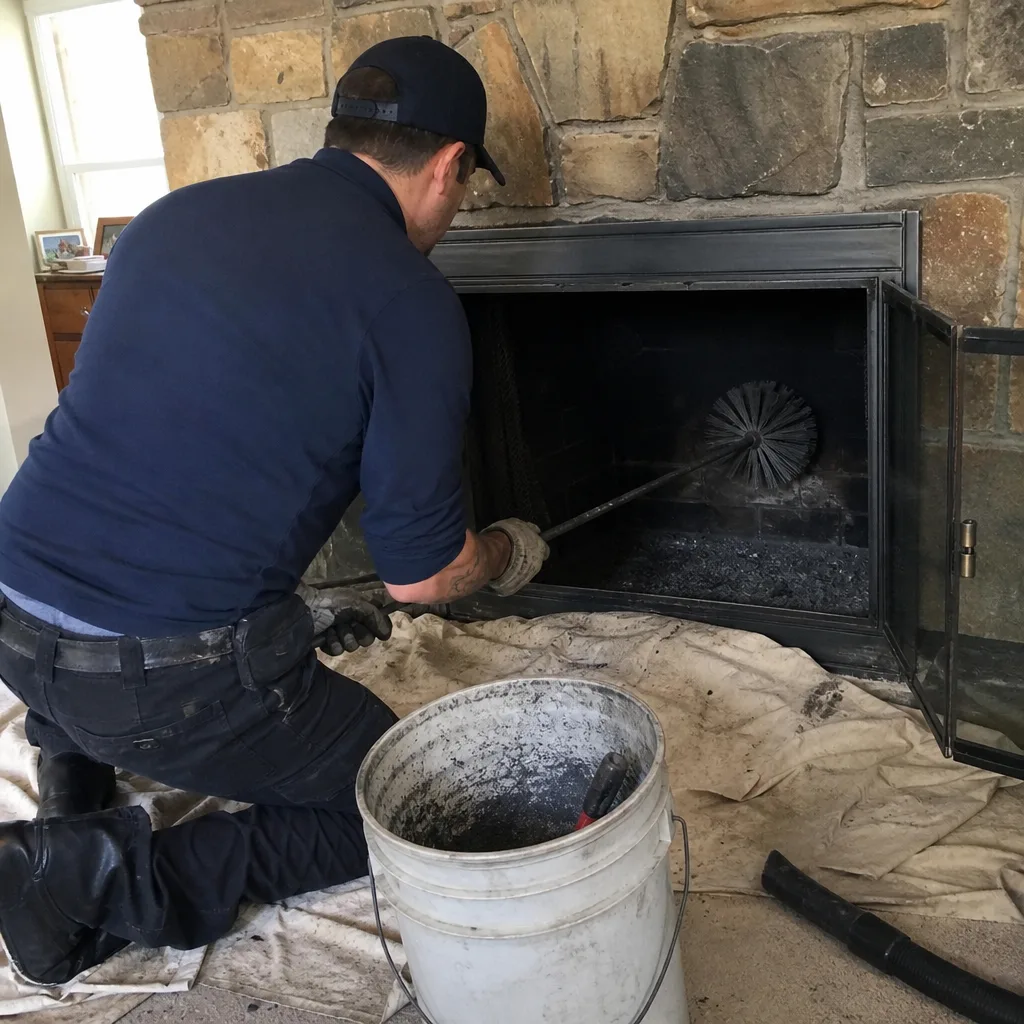
DuraFlex isn’t the only liner system we know. We service and repair HeatShield and Gelco systems as well. If you’re not sure what’s in your flue, we’ll tell you from the camera footage. The diagnosis doesn’t change based on the nameplate; the repair parts do.
FAQs - DuraFlex Chimney Cleaning Service in Yonkers
The corrugated inner profile of a DuraFlex 316L liner gives creosote more surface area to bond to than the smoother clay tile it replaced. In Yonkers’s rowhouses where wood burns at lower temperatures for longer stretches, third-stage creosote hardens into those corrugated valleys and resists standard Chimney Cleaning & Sweep brushing. We use a rotary whip with carbide-tipped chains for that condition, then verify with a camera. If you’re seeing glaze-like deposits on your cap or damper, call (551) 212-3526 for a written quote on mechanical removal.
If a pinhole is visible on camera, the liner section is finished. That pinhole is almost always at the welded seam where acidic condensate has pooled. Patching a corroded seam might hold for a season, but it will reopen, and then you’re paying twice. We replace the affected section with DuraFlex OEM components and document the old section on camera before it comes out. For an exact quote on section replacement in Yonkers, call (551) 212-3526. Estimates are free and written.
In Yonkers, yes in most cases. Uninsulated liner sections cool faster, and the temperature differential creates more condensation inside the flue. That condensation carries acidic flue gas, which is exactly what causes the seam pinholes we document on a regular basis. If you’re burning wood through an uninsulated DuraFlex liner, we’ll assess the insulation status on camera and spell out in the written quote whether adding insulation makes sense for your setup.
Look for water staining on your ceiling near the chimney chase, a musty smell after rain, or rust streaks on the bricks below the crown. The top-plate clamp tear-out we see on DuraFlex systems in Yonkers lets water run down the outside of the liner and into the chase. The only way to confirm it is with a camera inspection at the top of the flue. If the clamp is torn, we replace it with a DuraFlex Pro top plate and fit a new stainless cap. Call (551) 212-3526 to schedule the inspection, and we’ll give you the written price before we start.
Sometimes yes, sometimes no. It depends on the liner’s internal condition and the gas appliance’s venting requirements. The original oil flue gases leave a different residue profile than gas, and if the liner has existing corrosion from the oil era, adding a gas appliance can accelerate it. We document the liner’s condition on camera and compare it against the appliance’s manufacturer requirements before we sign off on anything. In Yonkers, where most of these older houses were converted from oil to gas decades ago, this is one of the most common questions we answer.
For a standard DuraFlex cleaning with camera inspection in Yonkers, you’re looking at $180 to $340 depending on the liner condition, the flue height, and whether we need to upgrade from a standard brush to a rotary whip for glazed creosote. If the camera shows a torn top-plate clamp or seam corrosion, we’ll add the repair to the written quote separately, and nothing extra gets done without your sign-off. We don’t charge by the hour and we don’t upsell from a “basic sweep.” The price you get on paper is the price you pay. Call (551) 212-3526 for an exact quote. Estimates are free.
Book Your DuraFlex Service in Yonkers, NY
If your DuraFlex liner is due for a cleaning, if you’re seeing water stains near the chimney, or if you just want a camera-scan inspection before burning season, call (551) 212-3526. A live person answers, 24/7. We’ll schedule a time, assign a named tech, and text you when they’re on the way. Every DuraFlex service in Yonkers comes with a written price, a documented photo record, and the 365-Day Done Right Promise.
Written by Corrine Halstead, Owner at Level Two Chimney Yonkers, serving Yonkers since 2009.