
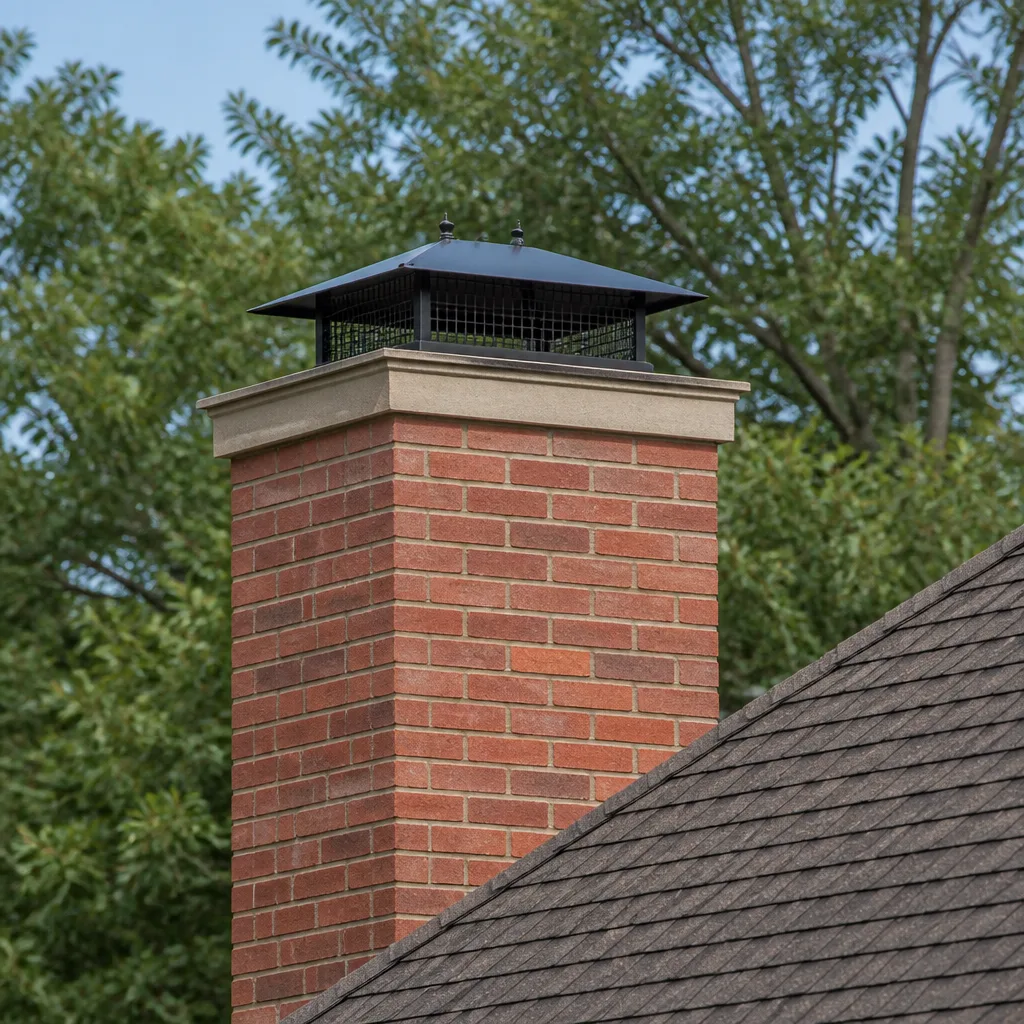
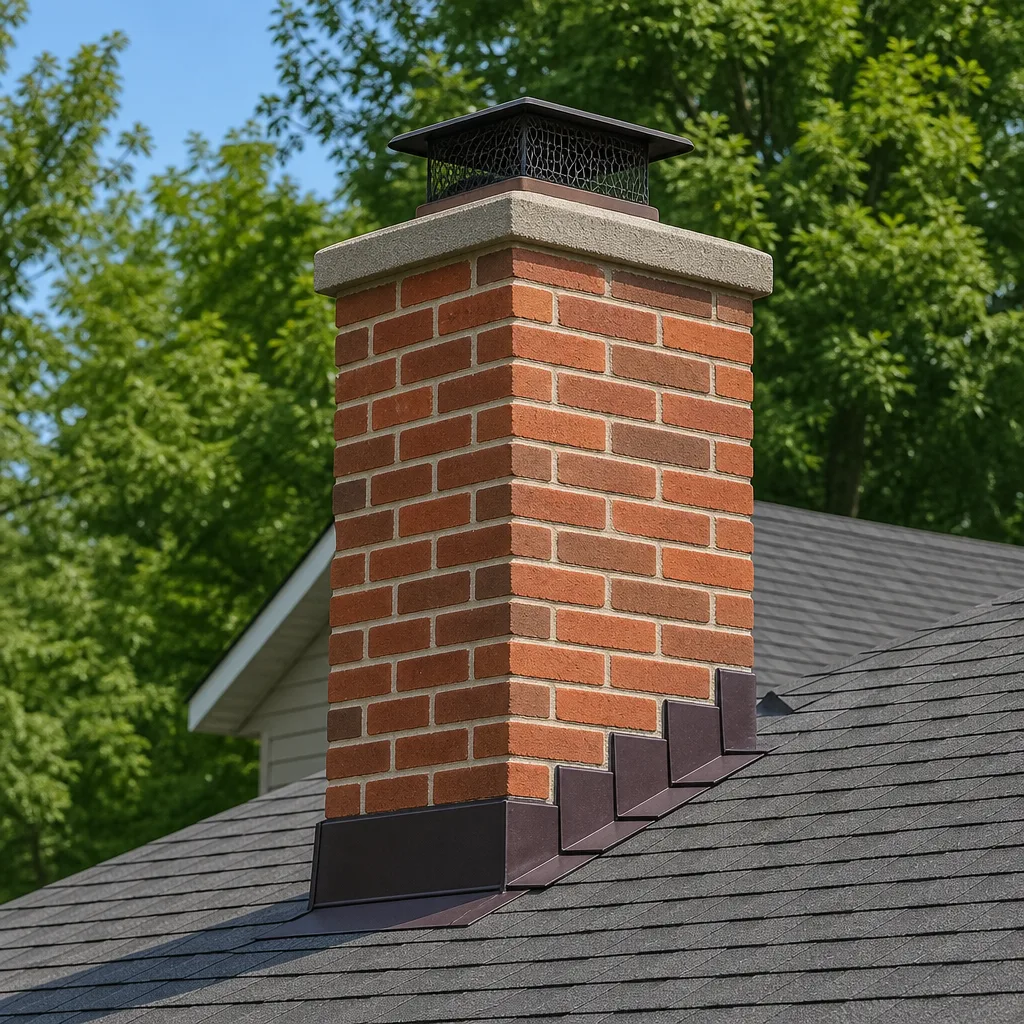
Level 1 sweep and inspection to the NFPA 211 annual standard - flue, crown, cap, and flashing checked and photographed
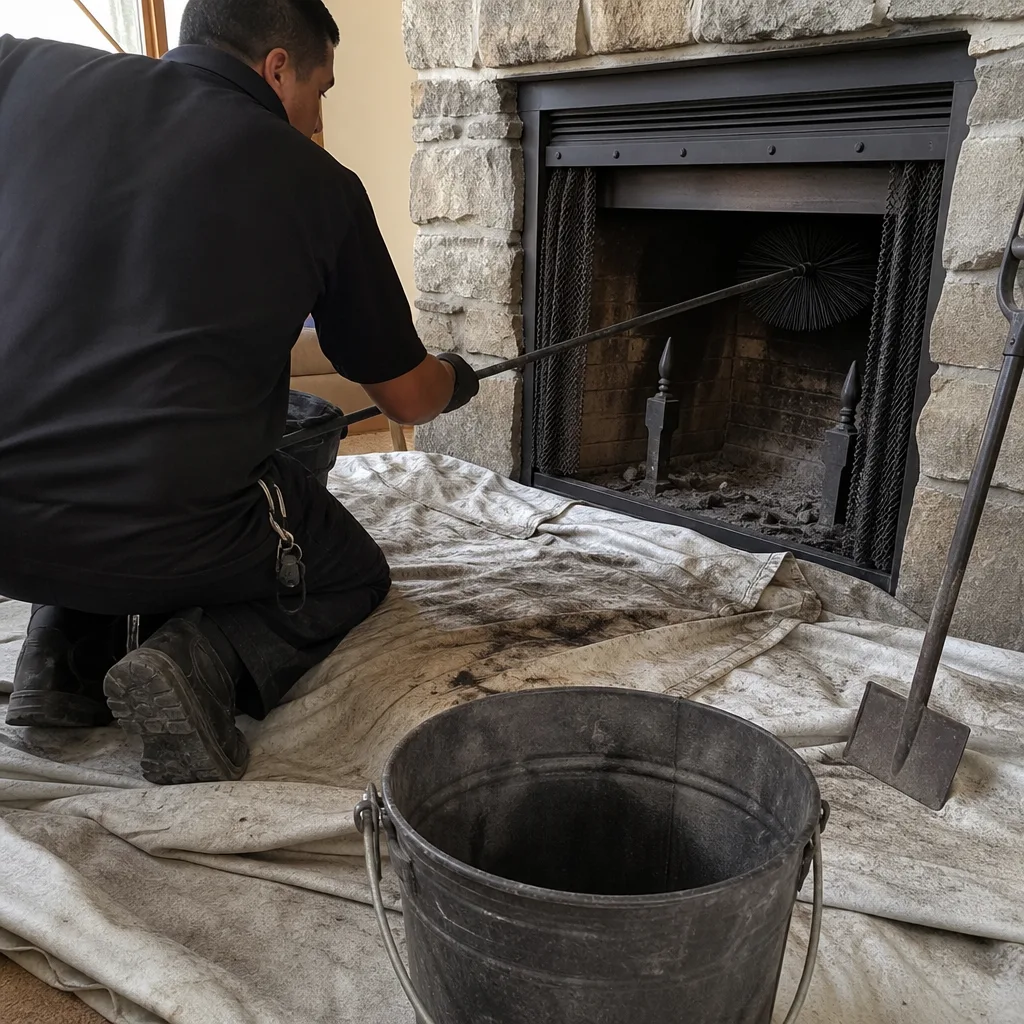
Chimney sweep logs do not sweep chimneys. They loosen some creosote - which then falls where a brush and vacuum still have to collect it.
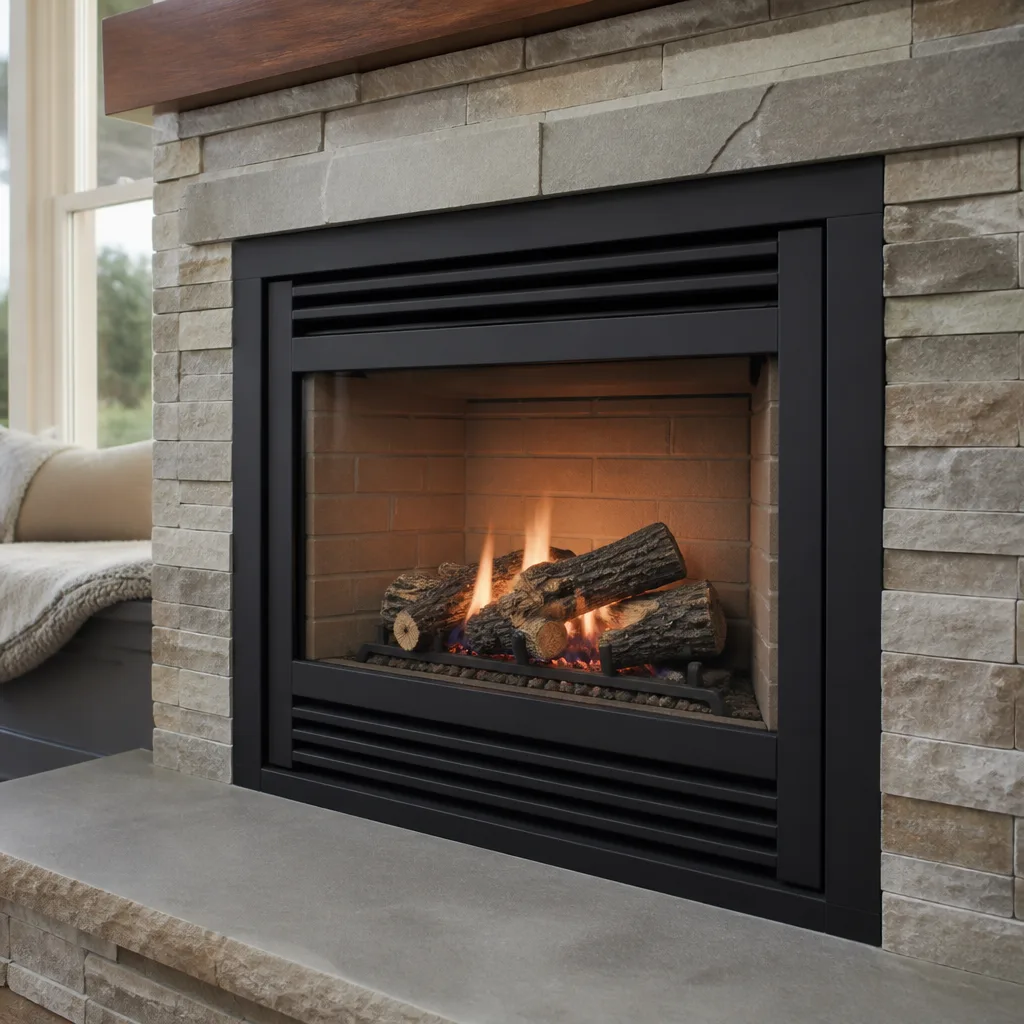
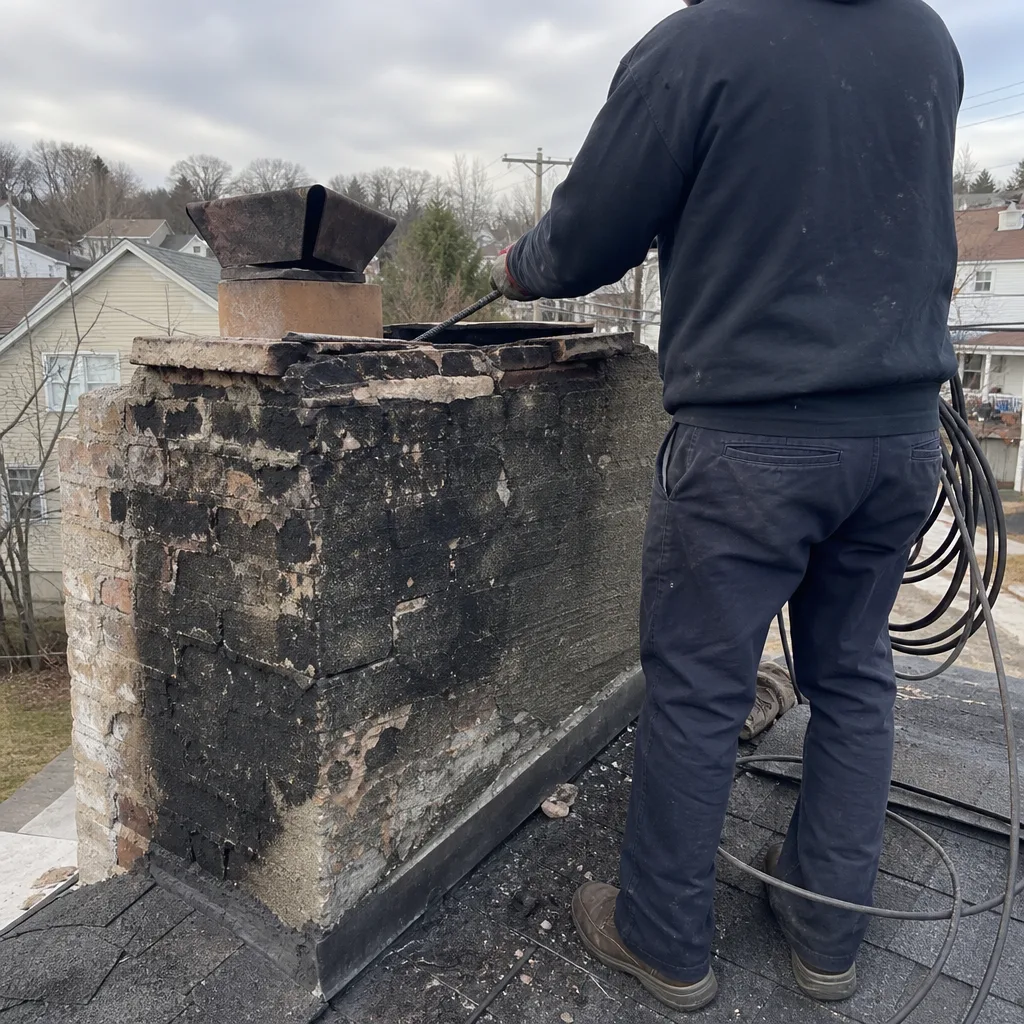 Before
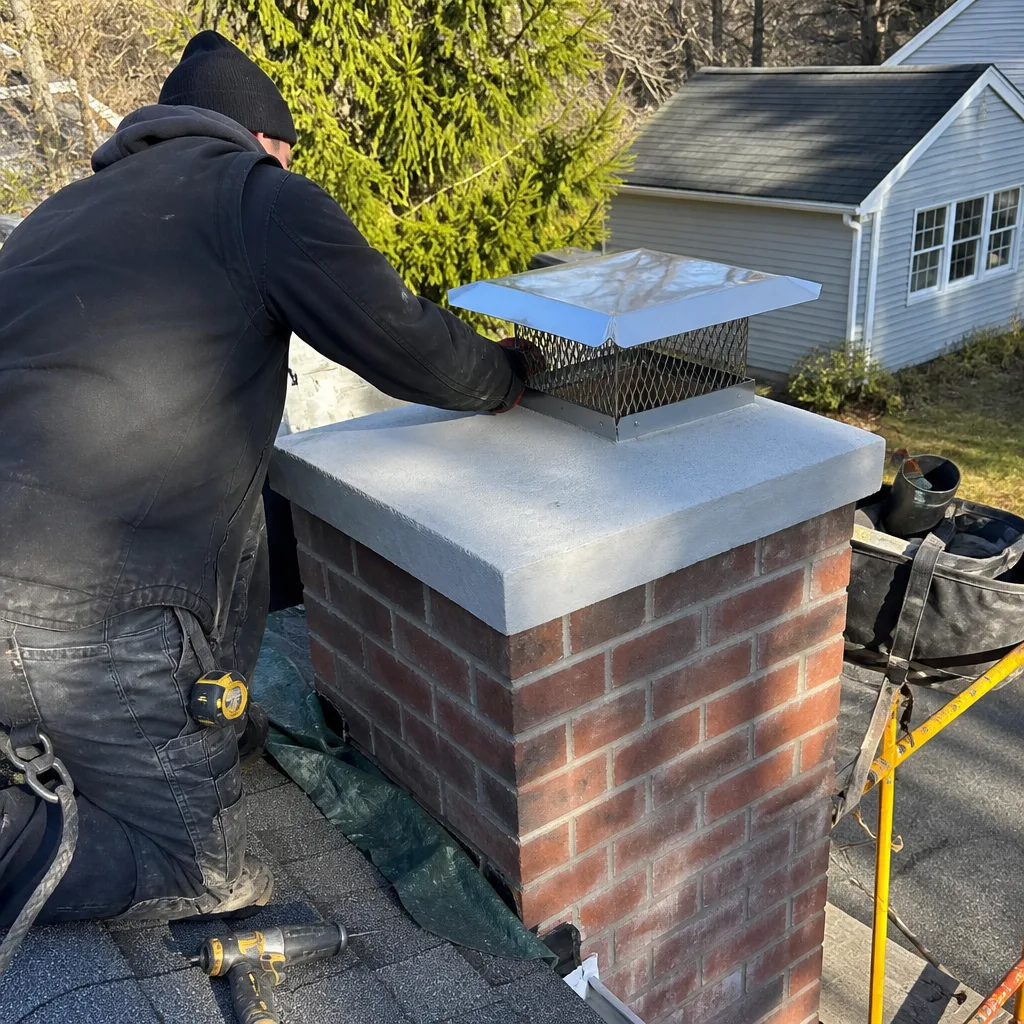 After
After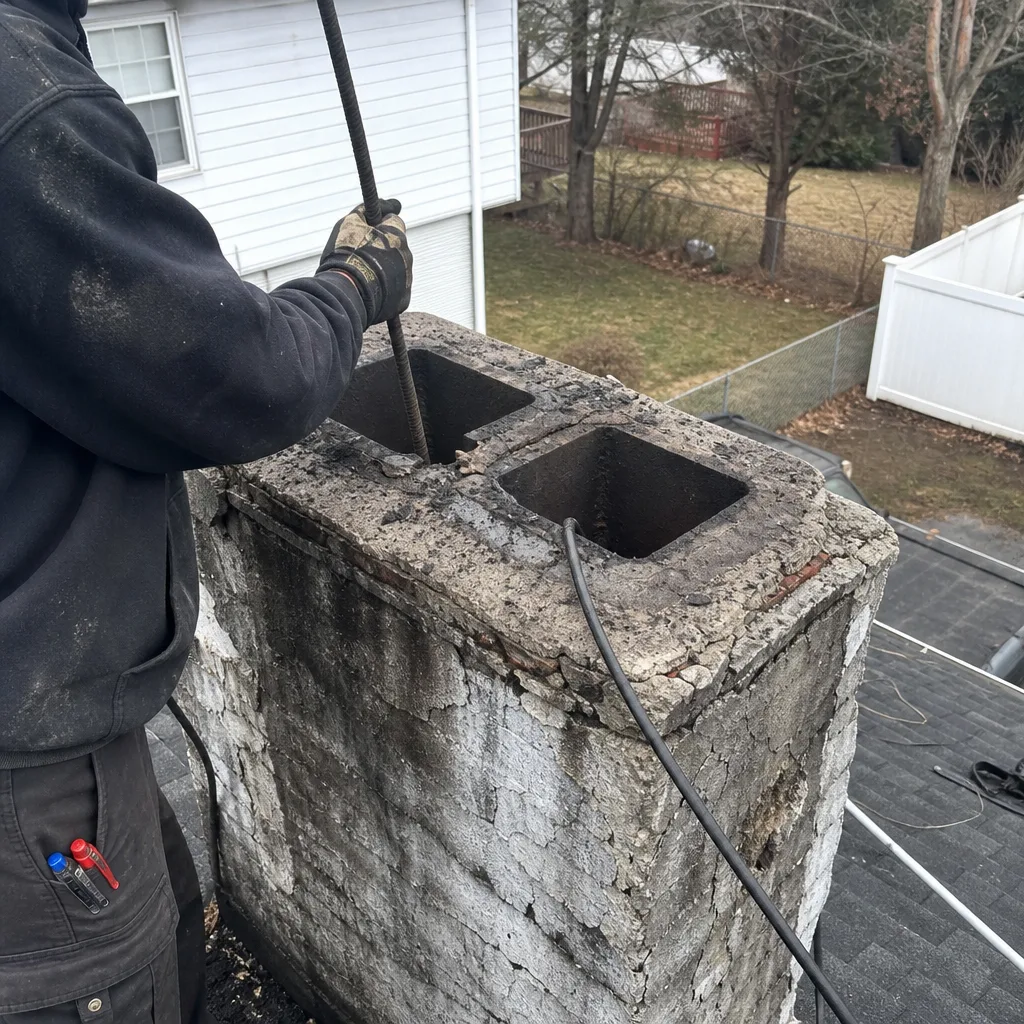 Before
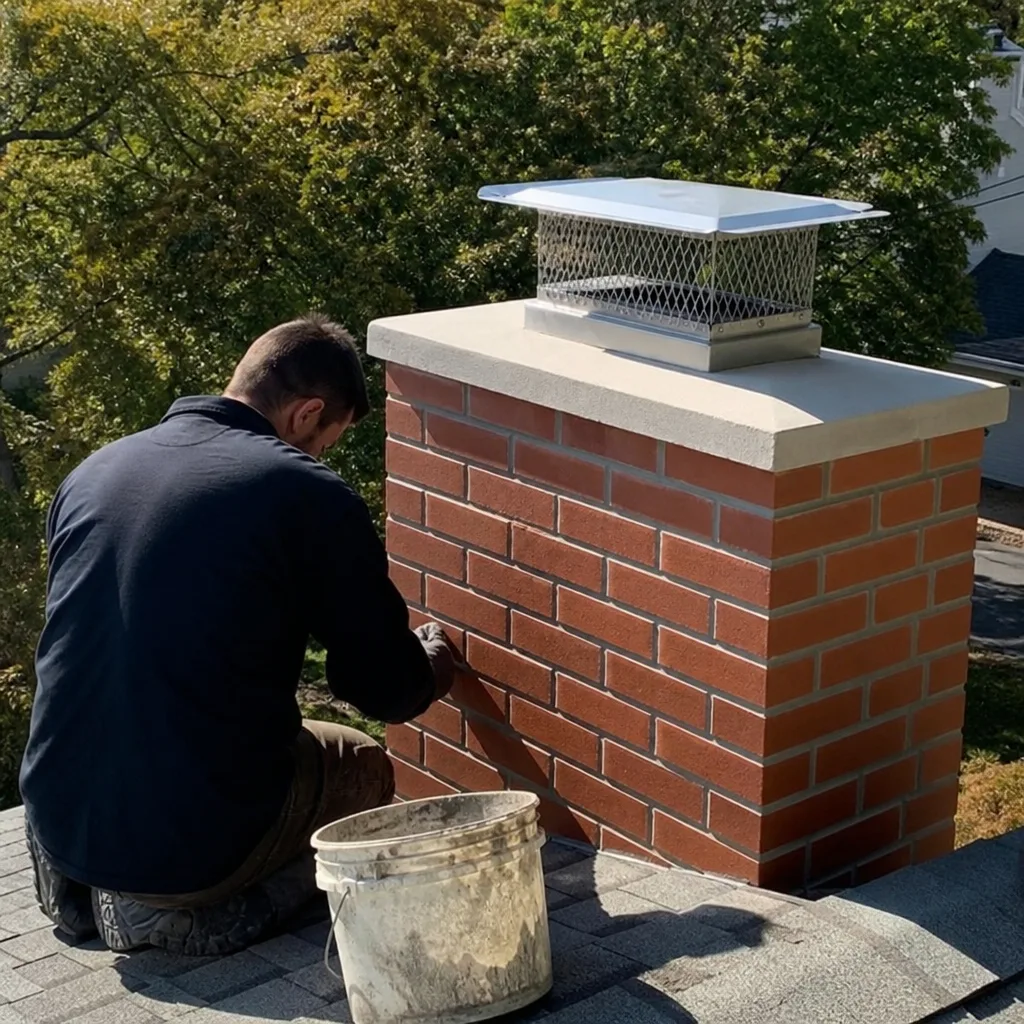 After
After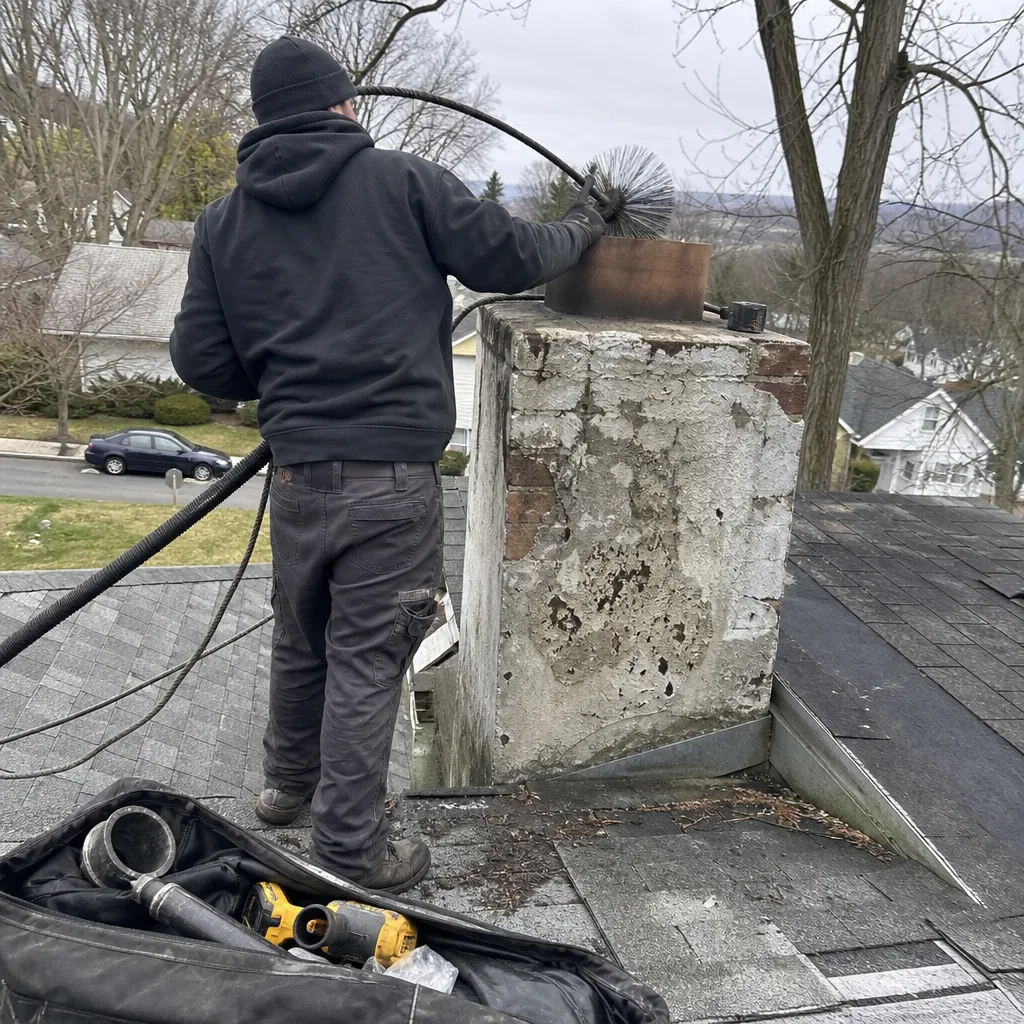 Before
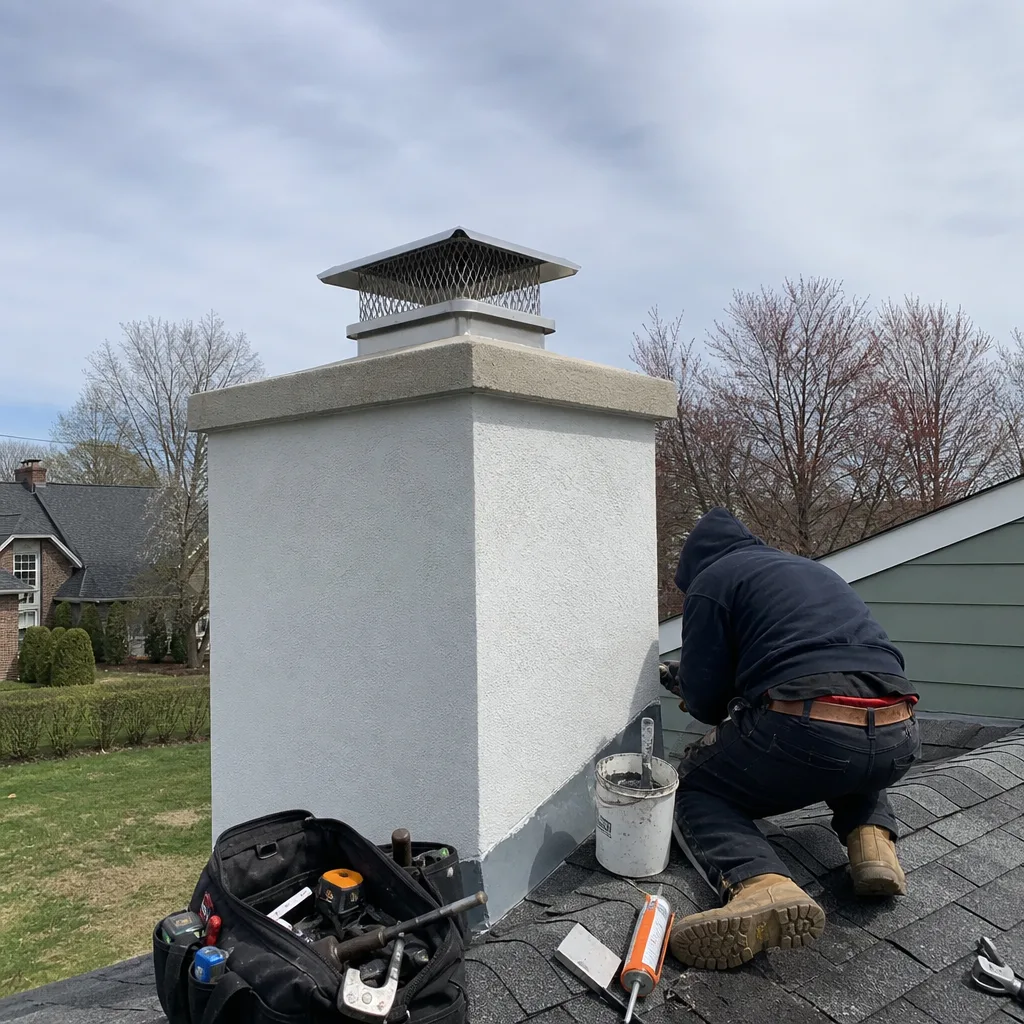 After
AfterHeatShield Chimney Cleaning & Sweep in Yonkers: What to Know First
HeatShield chimney cleaning and sweep in Yonkers typically costs $189 to $329 for a standard annual sweep with a camera-scan inspection, and most Jobs are completed the same week they’re booked. If your HeatShield liner or coating needs attention beyond the sweep itself, we put the written price in front of you before any work starts. As an independent HeatShield service provider, we’re not tied to the manufacturer, which means we tell you plainly what the camera shows and what it’ll cost to fix.
This page is for HeatShield owners in Yonkers, NY who want a sweep company that knows the product line, photographs everything, and doesn’t ask for a dime until the scope is on paper. Call (551) 212-3526 to book, or read on to understand what a HeatShield chimney actually needs.
Key Takeaways:
- A HeatShield chimney sweep in Yonkers runs between $189 and $329, with the camera-scan inspection included at no extra charge.
- HeatShield’s Cerfractory repair system has specific failure modes we see regularly across Yonkers homes, including at the smoke chamber and flue transitions.
- Your product has a manufacturer warranty, but it’s contingent on the condition we document in our pre-repair inspection, not on the repair itself.
- Every appointment includes a written scope, written price, and a photo record of what we found before and after.
How HeatShield Products Fail - and How We Fix Them
We’ve swept and inspected more than 38,000 chimneys since 2009, and a meaningful share of those carried HeatShield liners or Cerfractory repairs. The failure patterns are consistent enough to name. Here’s what we actually see inside Yonkers flues, and what we do when we find it.
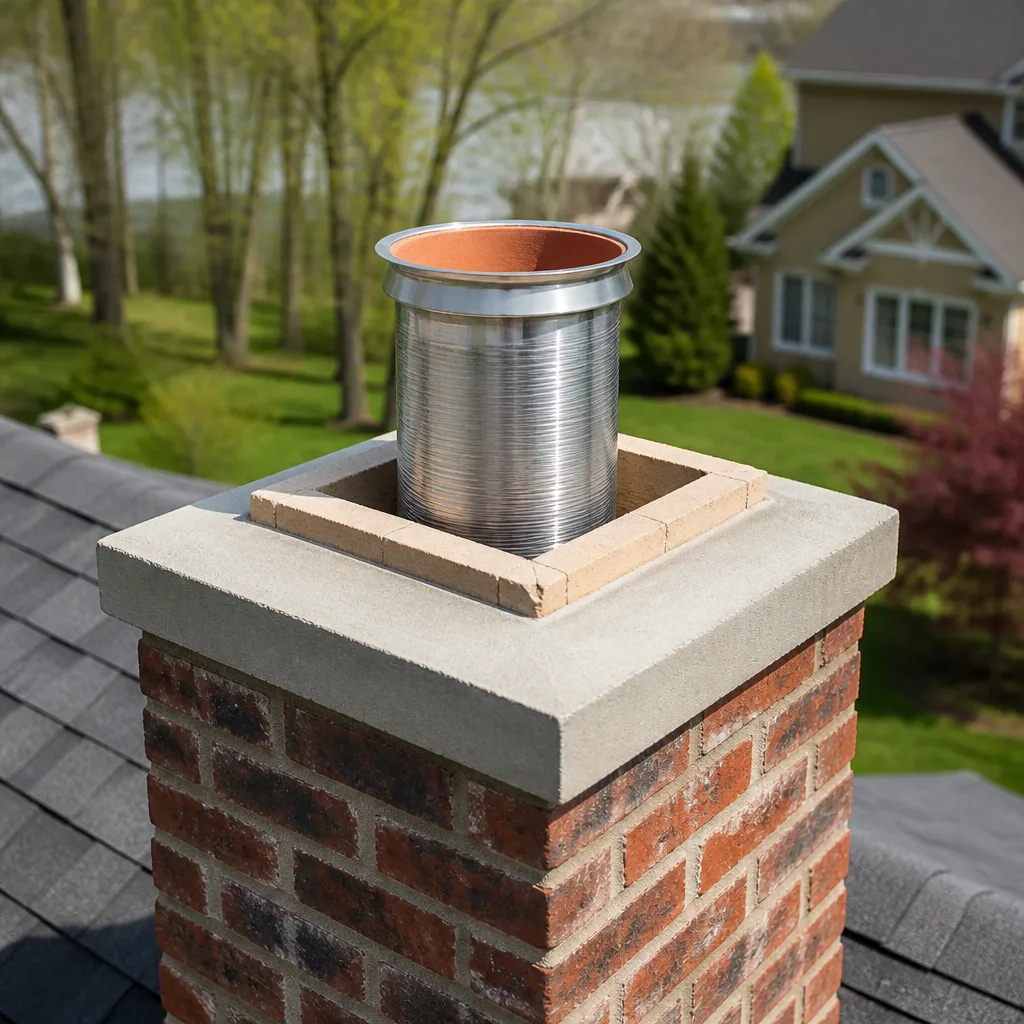
- Cerfractory delamination at the flue tile joints. HeatShield’s flue sealant can separate from the original clay tile when the tile beneath was never properly prepared or when years of wet-dry freeze cycles in Yonkers attics push moisture into the joint. The camera shows a thin, peeling skirt of material hanging off the tile edge. Our fix is to mechanically remove the failed section and consult with the homeowner on either a full cerfractory reskim or a new flue liner, again with the price in writing first.
- The smoke chamber weak point. HeatShield products do their most visible work where the fireplace transitions into the flue, but the parging underneath can crumble inside older Yonkers colonials. We regularly find HeatShield resurfacing material cracked at the smoke chamber because the underlying mortar was already spalling. The camera documents the failure, and we price the chamber repair separately from the liner work.
- HeatShield-coated liners trapping water behind the coating. If a chimney crown or cap failed, water can work its way between the original liner and the HeatShield surface. In Yonkers’s valley climate with its freeze-thaw pattern from late December through March, that trapped moisture expands and pops sections of coating off from behind. We don’t just reskim; we identify the water source first and price that repair in the same scope.
- Class III creosote on top of HeatShield surfaces. When a Yonkers homeowner burns unseasoned wood, the shiny, glazed creosote accumulates on the HeatShield surface just as it would on bare clay. The chemical cleaning approach that’s safe for HeatShield requires a gentler agent than the aggressive chemical removers used on bare tile. We use a two-stage process and then camera-scan to confirm the layer lifted before re-applying any new coating.
- Misapplied HeatShield from a previous “repair” performed without a camera. We’ve walked into more than a few Yonkers row houses where a previous contractor applied a HeatShield product without first removing the creosote or without documenting the flue surface. The result is a liner that looks whole from outside but is actually holding glaze behind a paint job. Our Level 2 camera inspection pulls that truth out in twenty minutes, and our written report includes the stills.
Our HeatShield Chimney Cleaning & Sweep Process
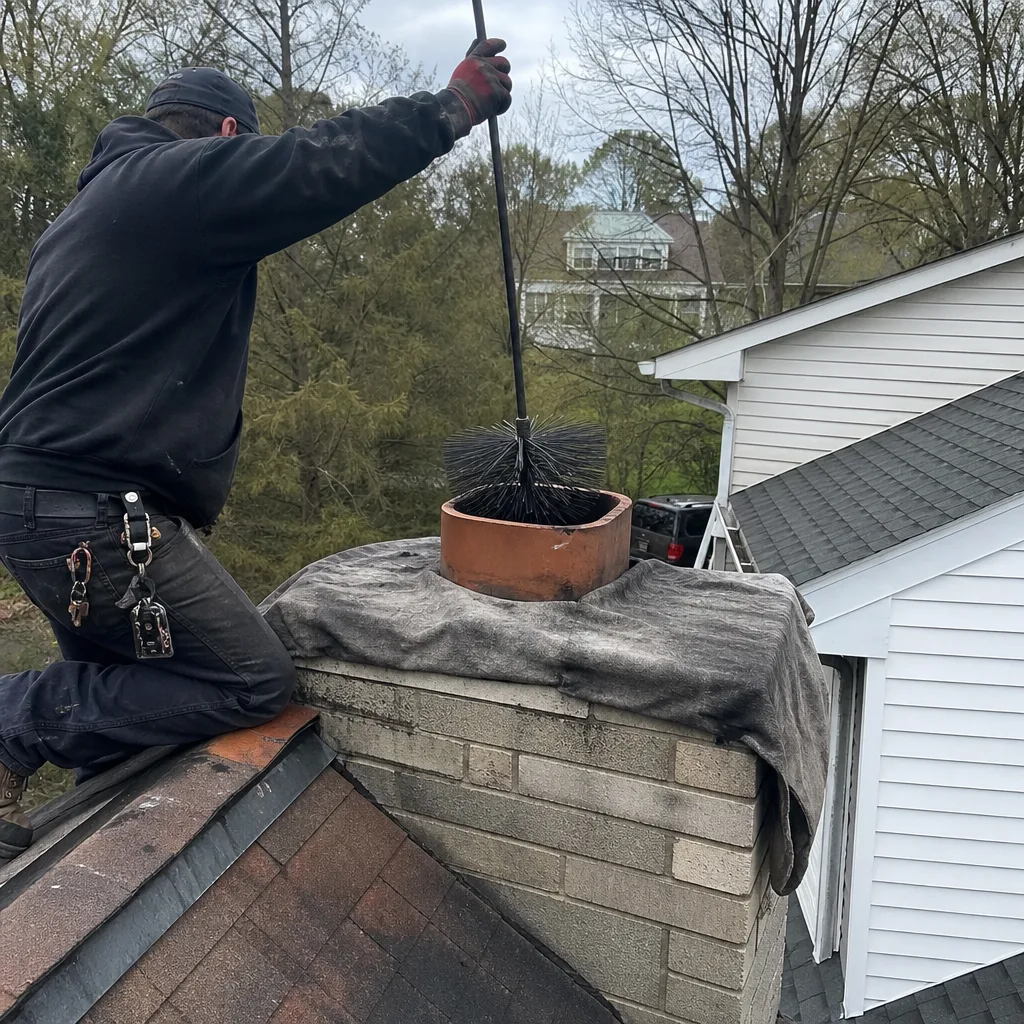
Here’s how a HeatShield job runs at Level Two Chimney Yonkers, from the first call to the photo record we hand you at the end.
- 1
Call and schedule. You reach a live person at (551) 212-3526, tell us the address and the last time your chimney was swept. We confirm the date and time, and assign a named technician. You get a text when they’re en route with that tech’s name.
- 2
Arrival and site review. Our background-checked, uniformed tech walks the firebox and the exterior stack before any work is done. We ask when you last burned, what you burn, and if you’ve had any smells or smoke backing up.
- 3
Level 2 camera-scan inspection. The camera goes down the full flue from the roof, and up into the smoke chamber from the firebox. We document the HeatShield surface condition, any delamination, creosote class, and water intrusion points. You see the same feed we do, on the spot, and you keep the still images.
- 4
Written scope and written price. If the camera shows a sweep is all you need, the price goes on paper and you approve it. If the HeatShield needs repair, we write that scope and price separately, with the specific flue section called out by name, including the smoke chamber or flue tile joint where relevant.
- 5
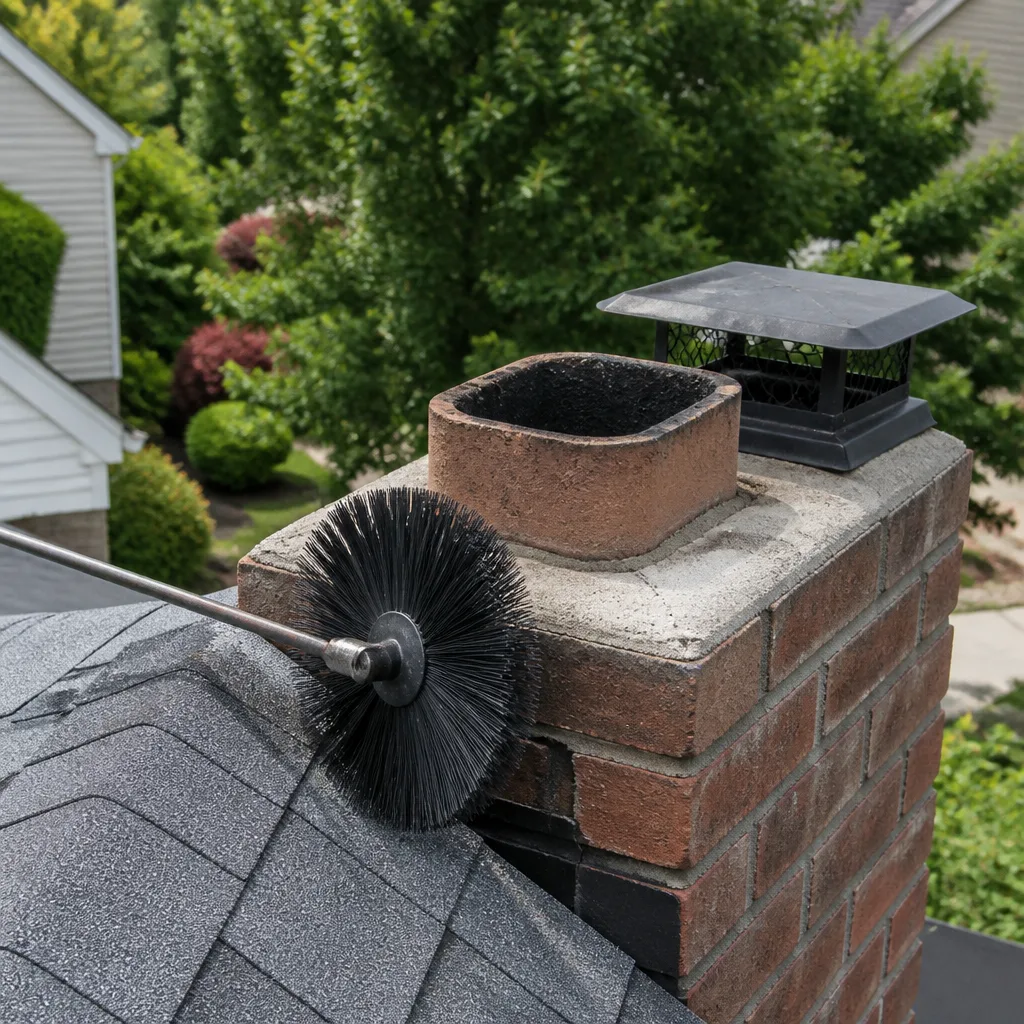
Cleaning and any approved repair. We sweep according to NFPA 211, using brushes and equipment sized to your flue. If you’ve approved HeatShield resurfacing, we handle it after the clean, never before.
- 6
After-sweep camera scan and documentation. We run the camera a second time, compare the before and after on screen, and include both in your written record. You sign off only after seeing it. Clause 4 of the Haven Standard requires this photo record on every job, and we’ve worked that way since 2009.
BeforeAfterWhat HeatShield Chimney Cleaning & Sweep Costs in Yonkers
Here’s what you should expect to pay in Yonkers, based on what we see in this market. These are the numbers we quote on the phone, not a teaser.
- Standard HeatShield chimney sweep with camera inspection: $189 to $269, depending on flue height and creosote volume.
- Heavier creosote removal or two-stage chemical treatment: $289 to $349, if the camera shows Class II or III glaze on the HeatShield surface.
- HeatShield Cerfractory resurfacing at the flue tile joints: typically $1,100 to $2,300, depending on how many joints and the height of the flue.
- Smoke chamber parging and HeatShield reskim: $850 to $1,600, again depending on the chamber surface area and what’s underneath the old material.
What moves the price: flue height, creosote class, how much of the old HeatShield has failed, and whether the crown or cap needs work alongside. None of these are quoted as a flat price without the camera first. The estimate is free, it’s written, and it’s yours to keep whether you hire us or not. Call (551) 212-3526 and we’ll schedule the inspection.
Why Yonkers Homeowners Call Level Two Chimney Yonkers for HeatShield Work
Since 2009, we’ve operated under the Haven Standard, and Clause 4 is the one that matters most to HeatShield owners: every job includes a documented photo record, before and after, and that record is your proof the work was done or not done. Corrine Halstead, our owner, grew up in the Bronx and trained at Bronx Community College before spending close to two decades working chimneys across Westchester County, from Yonkers waterfront homes near the Hudson River Museum to the narrow row houses up by McLean Avenue. She runs a camera before and after every job because that’s the only way the both of you know what happened inside the flue. The camera doesn’t lie, and neither does the quote.
We also work with DuraFlex and Gelco products, so if the camera shows that a full new liner is the better call than another HeatShield reskim, we can price that option honestly against the resurfacing option, with both written out. And remember: the 365-Day Done Right Promise stands behind every sweep and repair. If it’s not done right, we make it right.
FAQs
A standard sweep with our Level 2 camera inspection runs $189 to $269 in Yonkers, depending on flue height and creosote volume. Heavier creosote removal runs $289 to $349. If the camera shows HeatShield repair is needed, that’s priced separately and in writing before any work is approved. Call (551) 212-3526 for an exact quote; estimates are free.
No. The HeatShield manufacturer warranty is tied to the condition of the flue and the preparation before any repair or resurfacing, not to a standard sweep. In fact, a properly done sweep with camera documentation is the best way to preserve your warranty claim, because it shows the surface was clean and stable before any product was applied. We provide that photo record, in writing, on every job.
Yes, because HeatShield surfaces in Yonkers fail more often from water and moisture cycling than from burn frequency. Freeze-thaw cycles in the city’s late winters push moisture behind coatings and cause delamination even in chimneys that see only a few fires a year. A Level 2 camera inspection catches that before you get a smoke backup or a liner section breaks loose into the flue. Call (551) 212-3526 and you’ll have a written answer, not a guess.
Most HeatShield sweeps in Yonkers take 60 to 90 minutes, including the before and after camera scans and the written photo record. If we’re doing a two-stage chemical creosote treatment on a Class III surface, add another 30 minutes. We schedule a two-hour window on the calendar so nothing is rushed.
Bring us any written estimate and we’ll give you a free second opinion on the scope and price. We’re happy to tell you when another company’s quote is honest and when it’s overpriced. The camera report we give you is yours either way.
Written by Corrine Halstead, Owner, Level Two Chimney Yonkers at Level Two Chimney Yonkers, serving Yonkers and nearby areas.